
Exploring the Dual Legacy of the Industrial Revolution
How innovation also sowed seeds of social and environmental challenges
Key Highlights
- Technological and Economic Transformation: The Industrial Revolution revolutionized production methods, boosting economic growth and forming the foundation for modern industry.
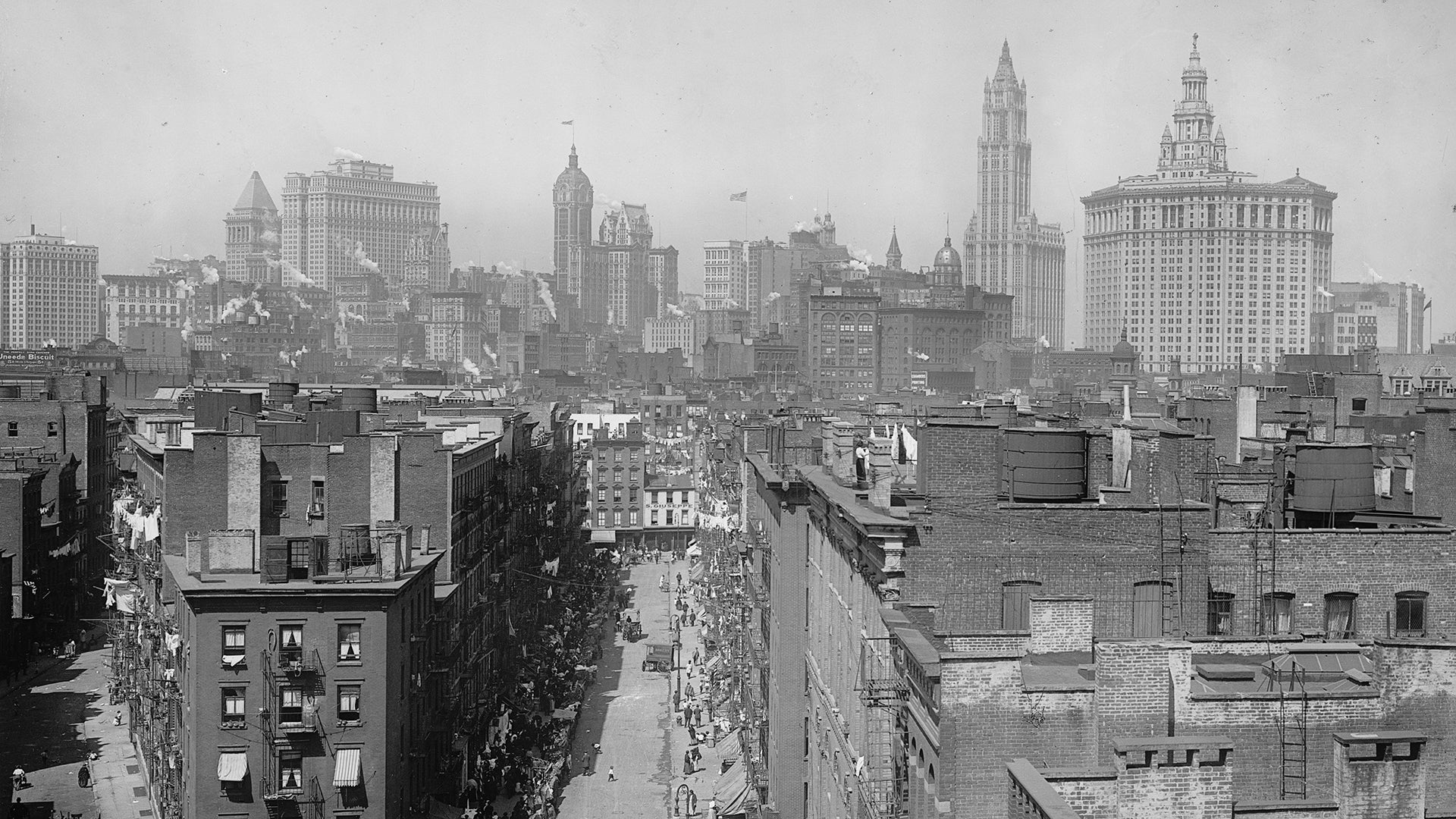
- Social Impacts and Urban Challenges: Rapid urbanization and the development of new labor classes led to overcrowded cities and widespread hardships for workers.
- Environmental Repercussions: Extensive reliance on fossil fuels and unchecked industrial practices initiated long-lasting issues such as pollution, deforestation, and climate change.
Overview of the Industrial Revolution
The Industrial Revolution, which began in the late 18th century, marked a pivotal transition from agrarian economies to machine-based manufacturing. This period introduced revolutionary advancements, such as the steam engine, mechanized looms, and the spread of global trade networks, that reshaped technology, the economy, and society. However, while these changes ushered in an era of unprecedented productivity and growth, they also brought about considerable social and environmental challenges that continue to influence modern society.
Technological and Economic Advancements
Innovative Breakthroughs
One of the defining elements of the Industrial Revolution was the profound transformation in technology. The introduction of the steam engine and mechanized production techniques not only enhanced productivity within factories but also spurred new industries and global trade networks. Innovations in textile manufacturing, for instance, revolutionized the production process by replacing manual labor with automated machinery, thereby enabling mass production of goods. These technological innovations ultimately laid the groundwork for a modern, industrialized economy.
Moreover, enhanced communication technologies such as the telegraph and later developments like the telephone accelerated the pace at which information was exchanged, fostering better coordination in business and commerce. This shift enabled economies to operate on a scale that was previously unimaginable, linking far-flung markets and catalyzing a wave of globalization.
Economic Growth and Global Trade
With the advent of industrial manufacturing, mass production lowered the cost of goods and made them widely accessible to a broader section of the population. This economic transformation not only helped to elevate the standard of living for many but also played a critical role in the rise of urban centers around the world. A shift from localized, rural economies to vast industrial networks paved the way for cities to act as hubs of commerce and innovation.
However, economic growth during this period was significantly more advantageous for the factory owners, investors, and new business elites than for the laborers. This disparity created social tensions that would later fuel labor reforms and the formation of workers' unions.
Social Impacts of the Industrial Revolution
Short-Term Social Effects
Urbanization and Overcrowding
A significant outcome of the Industrial Revolution was the mass migration of people from rural areas to cities, in search of employment opportunities created by the expanding network of factories. Urban centers swelled in size, and cities like Manchester experienced explosive population growth—from a few tens of thousands to several hundred thousand residents within a short span. This rapid urbanization, however, brought with it a host of challenges.
Overcrowding became a major issue. Cities were ill-equipped to handle such a rapid increase in population, leading to inadequate housing, unsanitary living conditions, and strained public services. Consequently, these conditions fostered the spread of diseases such as cholera, typhoid, and other infections, further amplifying the social stress experienced by urban populations.
Labor Exploitation and Working Conditions
The growth of factories necessitated a large labor force; however, the rapid industrial expansion came with the harsh reality of exploitation. Factory workers, including many children, were subjected to grueling working hours, minimal pay, and dangerous working conditions. Workers often labored 10-14 hours a day under hazardous environments, resulting in a high rate of injuries, health deterioration, and even mortality.
This exploitation was a catalyst for major socio-political reforms. The horrific conditions led to the rise of labor movements, which eventually paved the way for the establishment of workers' unions and the development of labor laws designed to protect the workforce. These unions played a pivotal role in advocating for better wages, safer working environments, and the regulation of child labor.
Emergence of New Social Classes
The Industrial Revolution did not merely create a dynamic economy; it also reshaped social hierarchies. A distinct division emerged between the working class—comprising factory laborers—and a newly established middle class, which included factory owners, managers, and merchants. This new social stratification altered traditional class structures, setting the stage for modern socioeconomic relationships and the progressive demand for civil rights and social justice.
As economic disparities widened, social reform became imperative. Activism and the gradual introduction of social policies eventually helped to adjudicate some of the inequalities, paving the way for more equitable distribution of wealth and enhanced public health and safety standards.
Long-Term Social Effects
Shaping Modern Labor Rights
The social repercussions of the Industrial Revolution extend well beyond its initial decades. The labor challenges experienced during the early phases led to the establishment of significant long-term reforms. Over time, persistent advocacy led to the implementation of protective labor laws, regulation of working hours, and policies to combat child labor. These changes laid the groundwork for modern employment standards and the protection of workers’ rights.
Furthermore, the evolution of public health policies can be directly linked to the adverse effects of rapid urbanization and rampant industrial pollution. Cities eventually adopted measures to improve sanitation, regulate emissions, and enforce stricter housing codes. These changes have had lasting impacts on public health and urban planning, shaping the way modern urban environments are structured and managed.
Environmental Impacts of the Industrial Revolution
Short-Term Environmental Effects
Pollution and Air Quality Deterioration
In the nascent stages of industrialization, environmental oversight was minimal, resulting in extensive air and water pollution. The reliance on coal as the primary source of energy led to the emission of large quantities of sulfur dioxide, particulate matter, and other pollutants. Factories discharged untreated waste into nearby water sources, compromising water quality and contributing to the spread of waterborne diseases.
This period marked one of the earliest instances of industrial pollution, where the pursuit of economic growth took precedence over environmental health. The resulting degradation of natural resources not only affected local ecosystems but also set a precedent for unchecked industrial practices in the decades that followed.
Deforestation and Land Degradation
Alongside pollution, the need for land to accommodate factories, urban sprawl, and resource extraction led to widespread deforestation. Large swathes of forests were cleared to make way for industrial facilities and to supply fuel for the burgeoning industries. This deforestation had a domino effect on local biodiversity and increased soil erosion, which further destabilized natural ecosystems.
As forests receded, the ecological balance was disrupted, leading to a long-term compromise of environmental quality. The reduction in tree cover also diminished the natural capacity of landscapes to mitigate the effects of climate change, a problem that has only grown more challenging over time.
Long-Term Environmental Effects
Climate Change and Global Warming
Perhaps one of the most profound long-term impacts of the Industrial Revolution is its role in accelerating climate change. The extensive burning of fossil fuels such as coal, which became widespread during this period, initiated a long chain of events leading to the rise in atmospheric carbon dioxide (\( \text{\text{CO}_2} \)) levels. The sustained increase in greenhouse gas emissions over centuries has significantly contributed to global warming, a phenomenon that continues to pose serious ecological risks today.
The unintended consequences of industrial emissions underscore one of the most severe challenges faced by humanity in modern times. The environmental degradation initiated during the Industrial Revolution still reverberates today, affecting weather patterns, sea levels, and global biodiversity.
Efforts Toward Environmental Regulation and Sustainability
In response to the environmental challenges sparked by industrialization, societies gradually began to implement regulatory measures. The introduction of environmental protection laws, emission standards, and conservation efforts aimed to mitigate the damage caused by centuries of industrial pollution and resource exploitation.
These regulatory measures, however, were implemented over an extended period and continue to evolve as new environmental challenges arise. Today, initiatives focused on renewable energy sources, sustainable practices in manufacturing, and technological innovations seek to address the legacy of environmental degradation left by the Industrial Revolution.
A Comparative Table of Key Effects
| Category | Short-Term Effects | Long-Term Effects |
|---|---|---|
| Social Impacts |
|
|
| Environmental Impacts |
|
|
| Technological and Economic Growth |
|
|
Contemporary Reflections and Ongoing Relevance
Legacy and Modern Lessons
The Industrial Revolution is a cornerstone of modern history, its dual legacy encompassing both remarkable progress and significant challenges. On one hand, technological innovations and economic efficiencies birthed an industrial era that propelled humanity forward. On the other, the social costs and environmental degradation inflicted during this period serve as a potent reminder of the importance of sustainable and equitable growth.
Today's challenges such as climate change, urban congestion, and economic inequality can, in many ways, be traced back to the practices established during the Industrial Revolution. Policy makers, environmentalists, and social reformers continue to study this transformative era in order to glean insights and avoid repeating past mistakes. Consequently, efforts are ongoing to reconcile economic growth with environmental sustainability—an enduring debate that influences contemporary discussions on renewable energy initiatives, conservation strategies, and equitable labor practices.
Lasting Changes in Socioeconomic Structures
The societal transformations initiated by the Industrial Revolution have evolved over time into complex, interdependent global economies. The emergence of specialized labor sectors and diversified social classes has shaped modern policies on education, healthcare, and workforce management. While historical abuses in labor conditions have prompted numerous reforms, modern economies continue to grapple with the implications of industrial-era practices in a rapidly changing, technology-driven environment.
As technological innovation continues to accelerate, the lessons of the Industrial Revolution remain as relevant as ever. They compel society to carefully balance the benefits of rapid technological and economic advancements with the imperative to protect the environment and uphold social justice.
References
- Industrial Revolution - History.com
- Industrial Revolution: Causes and Effects - Britannica
- Environmental Impact of the Industrial Revolution - Greenly
- The Industrial Revolution: Effects - Pages Of History
- Negative Effects of the Industrial Revolution - History.com
Recommended Queries
Last updated March 24, 2025