
How to Determine if Your Three-Month-Old Baby is Teething
Recognizing the Signs and Soothing Your Little One During Early Teething Stages
Key Takeaways
- Increased drooling and gum swelling are primary indicators of teething.
- Teething can affect your baby's behavior, including irritability and disrupted sleep.
- Providing safe teething toys and maintaining hygiene can help soothe your baby.
Understanding Teething in a Three-Month-Old Baby
Teething is a significant developmental milestone in a baby's growth, marking the emergence of primary teeth through the gums. While the typical age range for teething begins around four to seven months, some infants may exhibit signs as early as three months. Recognizing these signs early can help parents provide the necessary care and comfort to their little ones during this often uncomfortable period.
What Is Teething?
Teething refers to the process by which a baby’s teeth emerge through the gums, typically leading to various physical and behavioral symptoms. This natural progression not only affects oral development but can also influence a baby's overall demeanor and sleep patterns.
Why Some Babies Teethe Earlier
While the average onset of teething is between four and seven months, several factors can contribute to earlier teething in some infants:
- Genetics: A family history of early teething can predispose a baby to start teething earlier.
- Nutrition: Adequate nutrition during pregnancy and infancy can influence the timing of tooth eruption.
- Health and Development: Overall health status and developmental milestones can play a role.
Common Signs of Teething in a Three-Month-Old Baby
1. Increased Drooling
Excessive drooling is one of the most prominent signs of teething. Babies naturally produce more saliva when teething, which can overflow from their mouths, leading to drool patches on their chin, neck, and hands. This can sometimes result in mild skin irritation or rashes due to constant moisture and saliva exposure.
2. Swollen or Tender Gums
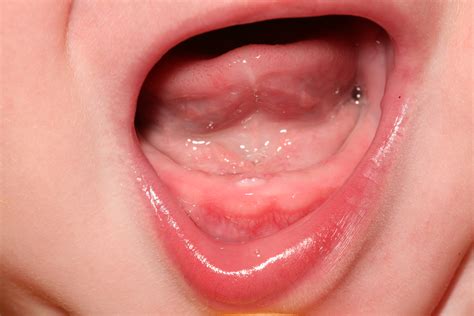
The gums around the emerging tooth may appear swollen, red, or tender. Parents might notice a small, hard bump on the gum where the tooth is about to emerge. Gently pressing on the gums might reveal increased sensitivity or discomfort in the affected area.
3. Chewing or Biting on Objects
To alleviate gum discomfort, babies often resort to chewing on objects such as toys, fingers, or any nearby items they can grasp. This repetitive biting helps soothe the inflamed gums by applying pressure and may offer temporary relief from the teething pain.
4. Irritability or Fussiness
Teething can cause significant discomfort, leading to increased irritability and fussiness in babies. They may cry more frequently, have difficulty being consoled, or exhibit more clingy behavior as they seek comfort and reassurance from their caregivers.
5. Sleep Disturbances
Discomfort from teething can disrupt a baby’s sleep patterns. Parents might notice that their baby has trouble falling asleep, wakes up more frequently during the night, or takes shorter naps during the day. Ensuring a comfortable and soothing sleep environment can help mitigate these disturbances.
6. Changes in Appetite
Teething can affect a baby's feeding habits. The discomfort in the gums can make sucking and swallowing painful, leading to a temporary decrease in appetite. Some babies may refuse to breastfeed or take a bottle as eagerly as usual, while others might have difficulty maintaining their usual feeding schedule.
7. Rubbing Cheeks or Pulling Ears
Babies might reflexively rub their cheeks or pull on their ears as they try to cope with the discomfort caused by teething. These actions are subconscious attempts to soothe the pain and can be accompanied by increased facial expressions of distress.
8. Mild Fever
Some babies may experience a slight increase in body temperature (below 38°C or 100.4°F) during teething. However, if the fever is higher or persists, it is important to consult a healthcare professional, as it may indicate an unrelated illness.
Distinguishing Teething from Other Conditions
Teething vs. Common Illnesses
While teething shares some symptoms with common infant illnesses, such as colds or ear infections, there are distinct differences to help parents discern the cause of their baby's discomfort:
| Symptom | Teething | Common Illnesses |
|---|---|---|
| Fever | Mild increase (below 38°C or 100.4°F) | Often higher and may be accompanied by other symptoms |
| Diarrhea | Not typically caused by teething | Common in various infections |
| Rash | Mild rash around the mouth or chin due to drooling | Can be widespread and associated with viral infections |
| Congestion/Cough | Not a direct symptom | Frequent in colds and respiratory infections |
| Irritability | Yes, due to gum discomfort | Yes, often due to pain or discomfort from illness |
When to Consult a Pediatrician
While teething is a natural process, certain symptoms warrant medical attention to rule out other health issues:
- High Fever: A temperature above 38°C (100.4°F) may indicate an infection rather than teething.
- Persistent Diarrhea: Ongoing digestive issues are not typical of teething.
- Severe Irritability: If a baby is inconsolable despite typical comfort measures, it might signal an underlying condition.
- Refusal to Feed: Significant changes in feeding patterns could indicate more than just teething discomfort.
- Unusual Symptoms: Any other atypical symptoms that do not align with the usual teething signs should be evaluated by a healthcare professional.
Confirming Teething in Your Three-Month-Old
Observing Physical Signs
Gently examining your baby's gums can provide clear indications of teething. Look for the following:
- Swelling and Redness: Inflamed gums are a common sign, accompanied by noticeable swelling where the tooth is about to emerge.
- Visible Tooth Crown: You might see the tooth's white crown poking through the gum's surface.
- Warmth in the Gums: The affected gum area may feel warmer to the touch compared to other parts of the mouth.
Consistency of Symptoms
Teething symptoms are typically consistent and may follow a predictable pattern in relation to tooth eruption. If your baby consistently shows signs of discomfort during the day or experiences worsening symptoms shortly before a tooth's emergence, it is likely related to teething.
Excluding Other Causes
Given that some symptoms overlap with other conditions, it's important to ensure that the signs you observe are indeed due to teething. Monitoring the presence and combination of symptoms can help differentiate teething from other health issues.
Soothing Teething Discomfort
Providing Safe Teething Toys
Offering your baby teething toys can significantly alleviate gum discomfort. Choose toys made from safe, non-toxic materials that are easy to clean. Teething rings that can be chilled in the refrigerator (but not frozen) provide a numbing effect on the gums, offering additional relief.
Using a Cold Washcloth
A clean, damp washcloth that has been chilled can serve as an effective teething aid. Allow your baby to chew on the cold cloth to help soothe and cool their tender gums without the risk of choking.
Gentle Gum Massage
Using a clean finger to gently massage your baby's gums can help relieve pressure and reduce discomfort. The gentle pressure can be soothing and may distract your baby from the pain associated with teething.
Applying Teething Gels or Pain Relief
Over-the-counter teething gels formulated specifically for infants may offer temporary relief from pain and inflammation. However, it's essential to consult your pediatrician before using any medication to ensure it's safe and appropriate for your baby.
Maintaining Hygiene
Excessive drooling can lead to skin irritation around the mouth and chin. Regularly wiping your baby's face with a soft cloth and using bibs can help keep their skin clean and dry. Applying barrier creams or ointments recommended by healthcare professionals can protect against rashes.
Providing Comfort and Soothing Techniques
Extra cuddles, rocking, and other soothing methods can help your baby feel secure and less distressed during teething. Maintaining a calm and comforting environment supports your baby’s emotional well-being as they navigate through teething discomfort.
Ensuring Proper Nutrition
While teething may temporarily reduce your baby's appetite, it's crucial to ensure they continue to receive adequate nutrition. Offering small, frequent feedings and staying responsive to their hunger cues can help maintain their nutritional intake during this period.
Additional Soothing Methods
Other methods can also provide comfort to your teething baby, including:
-
Using a Pacifier: Sucking on a pacifier can offer comfort and reduce the urge to bite on other objects.
-
Offering a Breastfeeding or Bottle Feed: The sucking motion during feeding can soothe gums and provide additional comfort.
-
White Noise or Gentle Music: Background sounds can help distract and calm your baby, aiding in better sleep despite teething discomfort.
Potential Risks and Considerations
Avoiding Over-the-Counter Medications
While some over-the-counter remedies can offer relief, they may carry risks if not used correctly. Always consult your pediatrician before administering any medications to ensure they are safe for your baby and to discuss appropriate dosages and application methods.
Handling Teething Rashes and Skin Irritation
To prevent rashes caused by drooling, keep your baby's skin dry and clean. Using barrier creams or ointments recommended by healthcare professionals can protect the skin from constant moisture and irritation. Changing bibs frequently and allowing the skin to air-dry can also help mitigate rash development.
Monitoring for Complications
Although rare, some babies may experience excessive gum swelling or delayed teething. Regular check-ups with your pediatrician can help monitor your baby's teething progress and address any concerns promptly. If a tooth appears to be stuck or is not erupting as expected, professional evaluation may be necessary.
Teething Timeline and Tooth Eruption Order
Typically, the lower central incisors are the first teeth to emerge, usually appearing around six months of age. In cases of early teething, this timeline might shift slightly, but the order generally remains consistent. Following the lower central incisors, the upper central incisors, lateral incisors, first molars, canines, and second molars emerge in that sequence.
Dietary Adjustments During Teething
For babies who have started on solid foods, offering cold or soft foods can help ease gum discomfort. Foods like chilled purees, yogurt, or soft fruits can be soothing. It's important to avoid hard or sticky foods that can irritate sensitive gums or pose choking hazards.
When Teething Can Affect Other Developmental Areas
In some cases, teething can coincide with other developmental milestones, such as crawling or walking. Babies might show increased irritability or different behaviors as they navigate multiple changes simultaneously. Understanding that these behaviors may stem from both teething and other developmental factors can help parents provide appropriate support.
Long-Term Considerations
Oral Hygiene from the Start
Establishing good oral hygiene practices early on is essential. Once the first tooth emerges, gently brushing it with a soft infant toothbrush and water can set the foundation for healthy dental habits. Avoid using toothpaste until advised by a pediatric dentist.
Monitoring Tooth Development
Regular dental check-ups, starting around the age of one, can help monitor tooth development and address any concerns early. These visits can provide guidance on proper oral care and identify any potential issues that may arise.
Understanding Normal vs. Delayed Teething
While many babies start teething around six months, some may experience delays without any underlying health issues. Discussing concerns with a pediatrician can help determine if a delay is within the normal range or if further evaluation is needed.
Recap and Conclusion
Identifying teething in a three-month-old baby involves observing a combination of physical signs and behavioral changes. Increased drooling, swollen gums, irritability, disrupted sleep, and a tendency to chew on objects are key indicators. While teething can be uncomfortable for both the baby and the parents, understanding the symptoms and implementing effective soothing techniques can help alleviate discomfort. It's crucial to differentiate teething from other illnesses and seek medical advice if your baby exhibits severe or unusual symptoms. By providing appropriate teething aids, maintaining hygiene, and offering comfort, parents can support their baby's well-being during this natural developmental phase.
References
Last updated January 18, 2025