
The Tightening Grip: How Rising Prices Are Reshaping Your Spending Habits
An exploration of inflation's profound and uneven impact on how households consume goods and services.
Highlights: Understanding Inflation's Impact
- Unequal Burden: Inflation disproportionately affects lower-income households, who spend a larger share of their budget on rapidly inflating necessities like food and energy, effectively facing a higher inflation rate.
- Behavioral Shifts: Consumers adapt by cutting discretionary spending, trading down to cheaper alternatives, altering shopping habits, and adjusting savings or investment strategies based on inflation expectations.
- Policy Challenges: Inflation exacerbates economic inequality and poses challenges for policymakers, necessitating targeted interventions to protect vulnerable populations and manage economic stability.
Abstract
Inflation, characterized by a persistent rise in the general price level, significantly reshapes household consumption patterns, with varied effects across different demographic and income groups. This analysis synthesizes recent research and data (up to April 2025) to explore how inflation alters consumer behavior, expenditure allocation, savings, and overall economic well-being. Key findings indicate that inflation imposes a heavier burden on lower-income households due to their higher spending share on essential goods and services experiencing significant price increases. This leads to reductions in discretionary spending, shifts towards necessity goods, and behavioral adaptations like seeking cheaper alternatives or altering saving patterns. Higher-income households, while also affected, often adjust through different mechanisms, including shifts in investment or consumption towards less price-sensitive categories. Inflation expectations play a crucial role, influencing immediate spending decisions, particularly for durable goods, and this effect can be mediated by household financial positions (net worth, debt). Fiscal dimensions, such as the interaction of inflation with the tax system and social safety nets, further complicate the impact, potentially exacerbating inequalities. The analysis underscores the complex, heterogeneous nature of inflation's impact on household consumption and highlights the need for nuanced policy responses.
Introduction: The Pervasive Reach of Inflation
Setting the Stage: Inflation in the Modern Economy
Inflation has re-emerged as a central economic concern in the 2020s, impacting economies globally and touching the lives of nearly every household. Defined as the rate at which the general level of prices for goods and services is rising, and subsequently, purchasing power is falling, inflation compels individuals and families to make difficult choices about their spending and saving. Recent years, particularly following 2021, have witnessed significant inflationary pressures driven by a confluence of factors including supply chain disruptions, geopolitical events, shifts in consumer demand, and fiscal policies. Understanding how these price increases ripple through household budgets and influence consumption patterns is critical for grasping the socio-economic consequences and formulating effective policy responses.

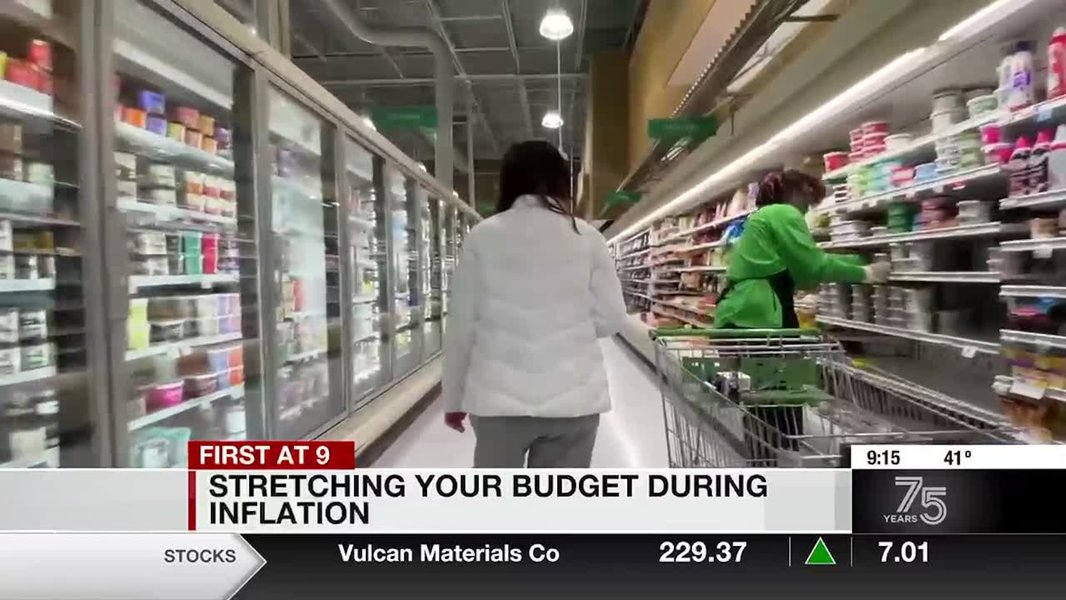
Inflation's impact is often felt most acutely during essential shopping trips.
Why Consumption Patterns Matter
Household consumption is the bedrock of economic activity, representing a major component of Gross Domestic Product (GDP) in most economies. Changes in how households spend their money – what they buy, how much they buy, and where they buy it – have far-reaching implications. Inflation directly erodes the purchasing power of income and savings, forcing adjustments. These adjustments are not uniform; they vary significantly based on income level, wealth, demographics, geographic location, and individual expectations about future price changes. Lower-income households, for instance, typically allocate a larger fraction of their budget to necessities like food, housing, and energy – categories that have often seen steep price hikes. This differential exposure means inflation can exacerbate existing inequalities. This analysis delves into these nuances, synthesizing findings on how inflation reshapes the intricate landscape of household consumption.
Literature Review: Mapping the Effects of Inflation
A substantial body of research explores the multifaceted relationship between inflation and household consumption. The literature highlights several key themes:
The Uneven Burden: Income Disparities
A consistent finding across studies is that inflation does not affect all households equally. Research from institutions like the Congressional Budget Office (CBO), the Federal Reserve Banks (e.g., Minneapolis, Dallas, San Francisco), and academic models (e.g., Penn Wharton Budget Model) demonstrates that lower-income households experience effectively higher inflation rates. This is primarily because their consumption baskets are heavily weighted towards necessities (food, energy, shelter), which often see more volatile and sometimes larger price increases compared to discretionary goods or services favored by higher-income groups. Estimates suggest lower-income groups might face an effective inflation rate several percentage points higher than affluent households, forcing more significant cutbacks or shifts in spending.
Shifting Sands: Changes in Spending and Behavior
Inflation compels households to adapt. Common behavioral shifts observed include:
- Reduced Discretionary Spending: Expenditures on non-essential items like dining out, entertainment, travel, and luxury goods are often the first to be curtailed.
- Trading Down: Consumers switch to cheaper brands, private labels, or discount retailers to save money on essential and non-essential goods.
- Focus on Essentials: The share of household budgets allocated to necessities increases, potentially crowding out other spending or saving.
- Altered Saving and Investment: Households may reduce savings rates to maintain consumption levels or, conversely, increase precautionary savings due to economic uncertainty. Some may engage in speculative purchases (e.g., real estate, commodities) to hedge against anticipated future inflation.
- Increased Debt Reliance: Some households may take on more debt to cover rising costs, particularly for essential goods and services.
Consumer sentiment surveys and retail data often reflect these adjustments, showing increased price sensitivity and changes in shopping frequency or preferred channels.
The Power of Expectations
Household expectations about future inflation significantly influence current spending decisions. Studies, including those utilizing data from the New York Fed's Survey of Consumer Expectations, suggest that when households anticipate higher inflation, they may increase their immediate spending, particularly on durable goods, to purchase items before prices rise further. However, this effect is complex and can be mediated by factors like a household's financial security (net worth, access to credit) and the perceived persistence of the inflation shock. Those with lower net worth might exhibit a stronger propensity to spend in response to rising inflation expectations, possibly reflecting greater concern about future purchasing power erosion.
Fiscal Interactions and Broader Impacts
Inflation interacts with the fiscal system in ways that affect household welfare. For example, inflation can increase effective tax rates on capital income if tax brackets and thresholds are not fully indexed, disproportionately affecting households with significant asset holdings. Similarly, delays in adjusting social security benefits or other transfers for inflation (Cost-of-Living Adjustments, COLAs) can erode the real value of these income streams, particularly impacting retirees and lower-income beneficiaries. Some research frames inflation itself as a form of regressive tax, given its harsher impact on those with lower incomes and fewer assets.
External Factors: The Role of Tariffs
Beyond general macroeconomic drivers, specific policies like trade tariffs can contribute to inflationary pressures. Analyses suggest that tariffs on imported goods can lead to higher retail prices, directly impacting consumer costs and potentially influencing broader inflation expectations among consumers and businesses. While some economists view the inflationary impact of tariffs as potentially temporary, it remains a factor that households and policymakers must consider.
Mindmap: Inflation's Ripple Effects on Household Consumption
This mindmap illustrates the interconnected ways inflation influences household economic behavior, from initial price shocks to behavioral adaptations and policy considerations.
(e.g., Dining, Travel)"] id3a2["Increase Share of Essentials
(Food, Energy, Rent)"] id3a3["Trade Down
(Cheaper Brands, Discounters)"] id3b["Financial Adjustments"] id3b1["Reduced Savings Rate"] id3b2["Increased Borrowing / Debt"] id3b3["Altered Investment Strategies (Hedging)"] id3b4["Search for Higher Wages"] id3c["Influence of Expectations"] id3c1["Pulling Forward Purchases (Durables)"] id3c2["Increased Precautionary Savings (Uncertainty)"] id4["Differential Impacts"] id4a["Income Level"] id4a1["Lower Income: Higher effective inflation, focus on essentials"] id4a2["Higher Income: More spending on services, asset effects"] id4b["Demographics (Age, Geography)"] id4c["Financial Situation (Net Worth, Debt)"] id5["Broader Consequences"] id5a["Increased Inequality"] id5b["Impact on Consumer Sentiment"] id5c["Potential Economic Slowdown"] id6["Policy Considerations"] id6a["Monetary Policy Response (Interest Rates)"] id6b["Fiscal Policy Tools (Targeted Relief, Tax Adjustments)"] id6c["Social Safety Nets (COLA adjustments, Subsidies)"]
Research Gaps and Objectives
While the literature provides significant insights, several areas warrant further investigation:
Identified Gaps
- Longitudinal and Granular Analysis: Many studies are cross-sectional or cover relatively short periods. More research is needed on the long-term effects of sustained inflation and detailed analyses across more specific demographic segments (e.g., renters vs. homeowners, different racial/ethnic groups, life-cycle stages).
- Interaction Effects: The interplay between inflation, inflation expectations, household balance sheets (assets and debts), and policy interventions needs deeper exploration.
- Tariff and Trade Policy Impacts: The long-term, cumulative effects of trade policies like tariffs on household-level inflation and consumption patterns require more study.
- Psychological and Behavioral Nuances: Quantifying the impact of inflation-induced stress, uncertainty, and anxiety on spending decisions beyond general sentiment metrics remains a challenge.
- Policy Effectiveness Evaluation: Rigorous evaluation of the effectiveness and potential unintended consequences of various policy responses (e.g., targeted subsidies vs. broad relief) is crucial.
Research Objectives
Based on the existing literature and identified gaps, key objectives for ongoing and future research in this area include:
- Quantify Heterogeneity: To precisely measure how inflation's impact on consumption varies across detailed income, wealth, demographic, and geographic groups.
- Model Expectation Dynamics: To better understand how inflation expectations are formed, how they interact with household financial conditions, and their precise impact on different types of consumption (e.g., durables vs. non-durables vs. services).
- Analyze Substitution and Adaptation: To study the elasticity of substitution between goods, services, brands, and retailers in response to relative price changes driven by inflation.
- Assess Welfare Impacts: To evaluate the overall consequences of inflation-induced consumption changes for household economic well-being, financial stability, and economic inequality.
- Inform Policy Design: To provide evidence-based recommendations for designing effective and equitable policy interventions to mitigate the adverse effects of inflation, particularly for the most vulnerable households.
Data and Methodology: Measuring the Impact
Research on inflation's impact on household consumption relies on a variety of data sources and analytical techniques:
Primary Data Sources
- Household Expenditure Surveys: Such as the U.S. Consumer Expenditure Survey (CE), provide detailed data on household spending across a wide range of categories, linked to demographic characteristics.
- Inflation Data: Official statistics like the Consumer Price Index (CPI) and Personal Consumption Expenditures (PCE) price index, published by agencies like the Bureau of Labor Statistics (BLS), track price changes for different goods and services. Component-level data allows for analysis of price changes in specific categories (e.g., food, energy).
- Household Surveys: Surveys like the Federal Reserve's Survey of Consumer Finances (SCF) provide data on household income, wealth, assets, and liabilities. Surveys like the New York Fed's Survey of Consumer Expectations (SCE) or the University of Michigan Surveys of Consumers measure inflation expectations and consumer sentiment.
- Retail Scanner Data: Provides high-frequency data on prices and quantities sold for specific products, allowing for analysis of substitution effects and brand switching.
Methodological Approaches
- Descriptive Analysis: Comparing spending patterns, expenditure shares, and inflation experiences across different income quintiles or demographic groups.
- Consumption-Weighted Inflation Rates: Calculating household-specific or group-specific inflation rates by weighting price changes according to the actual consumption baskets of different groups, rather than using a single aggregate index.
- Econometric Modeling: Using regression techniques (e.g., panel data models, difference-in-differences) to estimate the causal effect of inflation or inflation expectations on consumption, controlling for other factors like income, wealth, and macroeconomic conditions.
- Microsimulation Models: Employing models like The Fiscal Analyzer (TFA) to simulate the lifetime impact of inflation on household resources, incorporating interactions with tax and transfer systems.
- Analysis of Price Elasticities: Estimating how sensitive the demand for certain goods or services is to changes in their prices, helping to understand substitution possibilities.
Table: Differential Impact of Inflation by Income Quintile (Illustrative Example)
This table provides an illustrative summary based on findings discussed in various sources (like CBO, Wharton, Dallas Fed), showing how inflation's impact can differ across income groups. Note: Specific figures are representative and can vary based on the time period and methodology used.
| Income Quintile | Approx. Share of Budget on Necessities (Food, Energy, Housing) | Estimated Effective Inflation Rate (vs. Average) | Primary Spending Adjustments | Impact on Savings/Debt |
|---|---|---|---|---|
| Lowest (Bottom 20%) | High (e.g., >60%) | Significantly Higher | Cutbacks on discretionary items, trading down, potential reduction in essential consumption | Reduced savings capacity, potential increase in debt |
| Second | Moderately High (e.g., 45-60%) | Moderately Higher | Reduced discretionary spending, increased price sensitivity | Strained savings, some increase in debt possible |
| Middle | Moderate (e.g., 35-45%) | Close to Average | Shift from some discretionary goods to services or cheaper alternatives | Moderate impact on savings |
| Fourth | Moderately Low (e.g., 25-35%) | Slightly Lower | Some adjustments, potential shift towards services, less impact on essentials | Less impact on savings, potential for asset adjustments |
| Highest (Top 20%) | Low (e.g., <25%) | Significantly Lower | Spending shifts towards services, luxury goods; potential asset hedging | May maintain or increase savings; significant impact via capital income taxation |
Results and Discussion: Unpacking the Findings
The synthesis of available data and research reveals several key results regarding inflation's impact on household consumption:
Quantifying the Disparity
Consistent evidence shows that lower-income households bear a heavier inflation burden. Studies quantifying this effect suggest that the effective inflation rate experienced by the lowest income quintile can be 1-2 percentage points higher (or more in specific periods) than that experienced by the highest quintile. For example, analyses considering the 2021-2023 period often found that lower-income households needed to increase spending by approximately 7% simply to afford the same basket of goods, compared to about 6% for higher-income households, largely due to differences in spending on food, energy, and shelter versus services.
Observable Consumption Shifts
Data confirms significant shifts in spending allocations. Expenditure shares for necessities like food consumed at home and energy typically rise for lower- and middle-income households during inflationary periods, while shares for discretionary categories like apparel, entertainment, and food away from home often decline. There is also clear evidence of "trading down" behavior, with increased sales volumes for private label brands and discount retailers.
The Role of Inflation Expectations in Action
Research demonstrates a tangible link between inflation expectations and spending. Some studies found that a 1 percentage point increase in expected inflation could lead to a noticeable, albeit potentially temporary, increase (e.g., 15-21%) in spending on durable goods, particularly among middle-income households or those less financially constrained. However, as inflation persists or economic uncertainty grows, this effect can diminish or be overshadowed by income constraints and the need to prioritize essentials.
Impact on Financial Well-being and Inequality
Inflation acts as a regressive force, widening economic inequality. By disproportionately eroding the purchasing power of lower-income households and those on fixed incomes, it exacerbates financial strain, reduces the ability to save, and can lead to increased reliance on debt. Conversely, while higher-income households are also affected (especially through the taxation of nominal capital gains), they often have more resources (e.g., assets that might appreciate) to cushion the blow or even hedge against inflation.
Radar Chart: Inflation's Varied Impact on Spending Categories by Income
This radar chart illustrates how the *relative impact* of inflation (on a hypothetical scale where higher numbers mean greater pressure or need for adjustment) might differ across consumption categories for low, middle, and high-income households. It reflects the general findings that essentials pressure lower incomes more, while higher incomes might feel more relative impact from changes in asset values or discretionary service inflation.
Rising prices increase financial pressure and stress for many households.
Video: Inflation's Impact on Low-Income Households
The differential impact of inflation is a critical aspect of its effect on consumption. This video discusses the specific challenges faced by low-income households when prices rise, reinforcing the theme of inequality highlighted in the research. Understanding these specific struggles provides valuable context to the broader economic data.
Policy Implications: Navigating the Economic Currents
The findings on inflation's impact carry significant implications for policymakers aiming to foster economic stability and equity:
- Targeted Support: Given the disproportionate impact on lower-income groups, broad-based relief measures may be less effective or efficient than targeted support. Policies could include enhanced food assistance (like SNAP), energy subsidies (like LIHEAP), rental assistance, or temporary expansions of tax credits aimed at vulnerable households.
- Fiscal Policy Adjustments: Indexing tax brackets, standard deductions, and capital gains thresholds to inflation can prevent "bracket creep" and mitigate the unintended tax increases caused by inflation, particularly on investment income. Ensuring timely and adequate Cost-of-Living Adjustments (COLAs) for Social Security and other government benefits is crucial to protect the purchasing power of beneficiaries.
- Monetary Policy Communication: Clear communication from central banks about their inflation outlook and policy strategy can help manage inflation expectations, potentially dampening volatile swings in consumer behavior driven by uncertainty.
- Supply-Side Measures: While often longer-term, policies aimed at addressing supply chain vulnerabilities or boosting productivity in key sectors (like energy or housing) can help alleviate underlying inflationary pressures.
- Monitoring and Data Collection: Continuous monitoring of how inflation affects different demographic groups using granular data is essential for designing and adjusting policies effectively.
Conclusion (within Research Paper Structure)
In summary, inflation acts as a significant disruptor to household consumption patterns, fundamentally altering how families and individuals allocate their resources. Its effects are far from uniform, disproportionately burdening lower-income households whose budgets are dominated by necessities experiencing rapid price hikes. Households respond through a variety of mechanisms, including shifting spending away from discretionary items, substituting cheaper alternatives, adjusting savings, and reacting to inflation expectations. These behavioral changes, coupled with inflation's interaction with the fiscal system, contribute to widening economic inequality. Effective policy responses must acknowledge this heterogeneity, employing targeted measures to protect vulnerable populations while utilizing broader fiscal and monetary tools to promote overall price stability and manage inflation expectations. Continued research focusing on granular impacts and long-term consequences is vital for navigating the ongoing challenges posed by inflation.
Frequently Asked Questions (FAQ)
How exactly does inflation affect lower-income households more?
Lower-income households spend a significantly larger percentage of their income on essential goods and services like food, housing (rent), and energy compared to higher-income households. When the prices of these necessities rise sharply, as they often do during inflationary periods, it consumes a larger portion of their already limited budget. They have less room to cut back on non-essentials because their spending is already concentrated on basics. This means they experience a higher *effective* inflation rate, as the goods taking up most of their budget are inflating rapidly.
What does "trading down" mean in response to inflation?
"Trading down" refers to consumers shifting their purchases towards lower-priced alternatives when faced with rising prices. This can take several forms: switching from premium or national brands to store brands or private labels, choosing smaller package sizes for the same price (shrinkflation awareness might lead to switching), shopping at discount retailers instead of traditional supermarkets or department stores, or substituting less expensive types of goods (e.g., choosing chicken over beef).
How do inflation expectations influence spending?
If households expect prices to be significantly higher in the future, they might decide to buy certain goods, especially durable goods like cars or appliances, sooner rather than later to "beat" the price increases. This can temporarily boost consumption. Conversely, if high inflation creates significant economic uncertainty, households might increase precautionary savings and cut back on spending, even if they expect prices to rise. The actual response depends on the household's financial situation, confidence in the economy, and the perceived duration of the inflation.
Can inflation ever be good for households?
While high and volatile inflation is generally harmful, moderate and stable inflation can have some benefits in specific situations. For households with significant fixed-rate debt (like mortgages), inflation erodes the real value of that debt over time, making it easier to repay in inflation-adjusted terms, assuming incomes rise somewhat with inflation. Additionally, mild inflation can encourage spending and investment rather than hoarding cash, which can support economic growth. However, these potential benefits are often outweighed by the negative impacts, especially for those on fixed incomes or with few assets.
Recommended Further Exploration
- Explore how inflation's impact varies across different age groups and life stages.
- Investigate the critical relationship between wage growth and inflation in determining household financial health.
- Compare the effectiveness of various policy tools designed to help low-income households cope with inflation.
- Delve into the long-term consequences of significant inflation periods on household savings habits and wealth accumulation.
References
Last updated April 26, 2025