
Influencer Marketing Metrics
Understanding Key Performance Indicators for Successful Campaigns
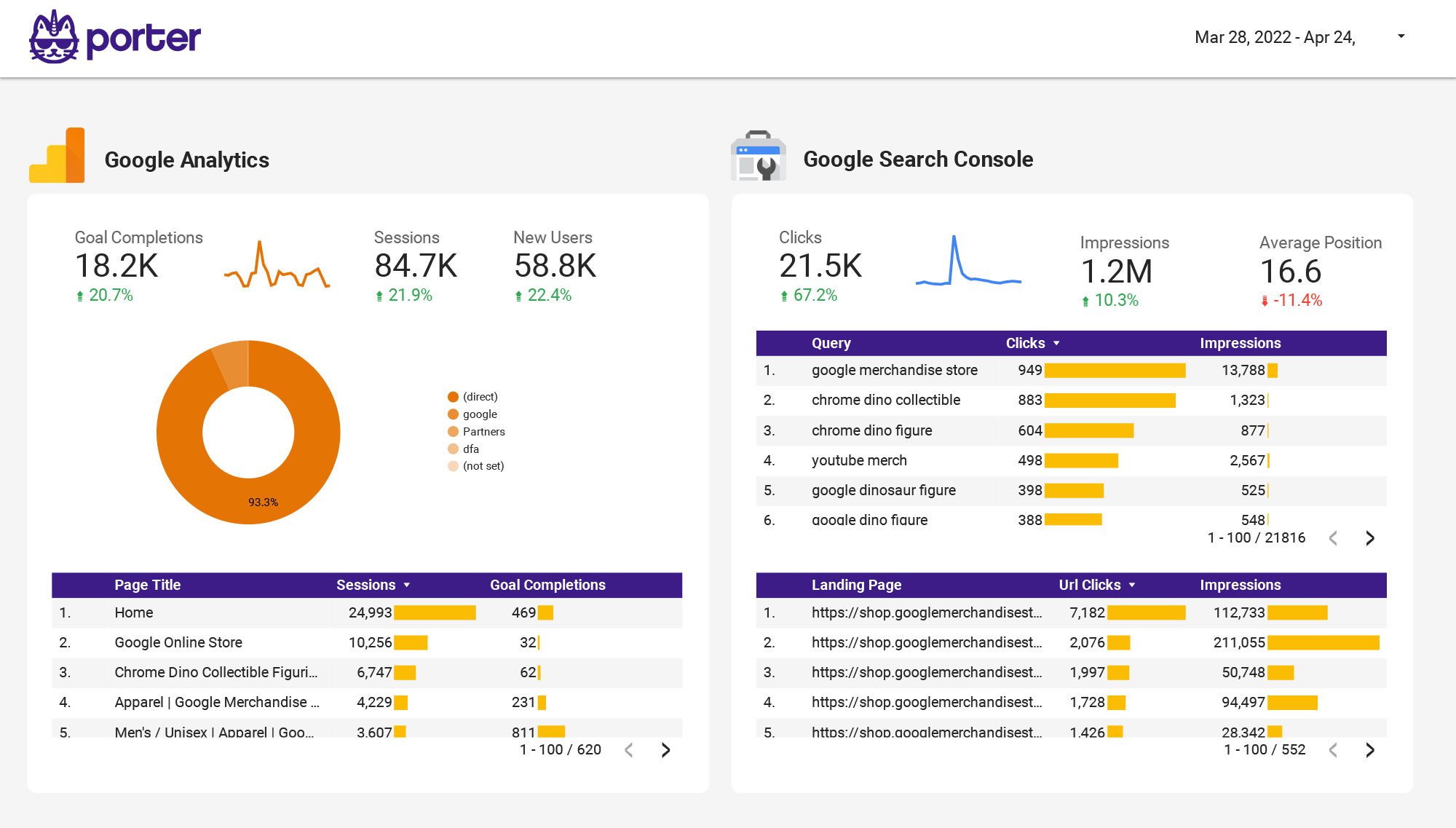
Key Insights
- Engagement and Reach: Measures like engagement rate, reach, and impressions reveal how content resonates with audiences.
- Conversion and Traffic: Track website visits, conversions, and ROI to understand the true impact of influencer-driven efforts.
- Brand Sentiment and Value: Monitor brand mentions, audience growth, and earned media value to gauge overall brand perception and campaign effectiveness.
Overview of Influencer Marketing Metrics
Influencer marketing has transformed the way brands connect with consumers by leveraging trusted voices and authentic content. With an industry forecast to keep expanding, tracking the success of these campaigns is paramount. To fully assess the performance of your influencer collaborations, it is essential to adopt a metrics-driven approach. This involves analyzing a wide range of key performance indicators (KPIs) beyond superficial metrics like follow counts or mere likes. By comprehensively evaluating the campaign impact from engagement through conversion, brands can make informed decisions and allocate resources effectively.
The Importance of a Holistic Metrics Approach
Influencer marketing metrics are not just numbers; they offer insights into how well the campaign communicates with its target audience and meets business goals. Rather than just measuring superficial interactions, brands must look at metrics that indicate meaningful engagement and outcomes. A holistic approach to these metrics involves not only monitoring basic engagement like likes and comments but also detailed assessments of reach, impressions, sentiment analysis, and conversion data. This broader perspective enables brands to evaluate the cost-effectiveness of their influencer marketing strategies more accurately.
Detailed Metrics Breakdown
Each metric plays a crucial role in understanding various aspects of influencer performance. Here’s a breakdown of the key metrics:
- Engagement Rate: This is a primary indicator that measures how actively the audience interacts with the content through likes, comments, shares, and other reactions. The engagement rate is typically calculated by dividing the number of interactions by the total number of followers or impressions and then multiplying by 100.
- Reach and Impressions: Reach quantifies the number of unique individuals who see the content, whereas impressions reflect the total number of times the content is displayed, irrespective of user interaction. These metrics help brands gauge content visibility.
- Website Traffic: By monitoring the traffic directed to your website from influencer posts (often tracked via UTM parameters or tracking links), you can assess how effectively the campaign drives potential customers to your digital properties.
- Conversions: This metric tracks the percentage of users who engage in a desired action, such as signing up for a newsletter, purchasing a product, or filling out a form. Conversion tracking is crucial to determine the true business impact of influencer strategies.
- Brand Mentions and Sentiment Analysis: It is important to track the frequency and context in which your brand is mentioned. This qualitative aspect, combined with sentiment analysis (tracking whether mentions are positive, negative, or neutral), provides insight into public perception and the potential long-term effects on brand reputation.
- Audience Growth: Evaluating the increase in followers or subscribers during the influencer campaign period is an indicator of rising brand awareness and credibility among new audiences.
- Earned Media Value (EMV): This metric estimates the cost savings from organic exposure by comparing the reach and engagement achieved through the influencer with that of equivalent paid advertising. EMV helps in assessing the economic efficiency of influencer collaborations.
- Share of Voice (SOV): SOV measures your brand’s visibility in the marketplace relative to competitors. Monitoring SOV indicates whether your influencer campaigns are capturing a significant part of the conversation within your niche.
- Influencer Score: By assessing an influencer’s overall social performance, including their network strength and audience demographics, brands can determine the best fit for their campaign goals.
- Revenue and Return on Investment (ROI): Direct revenue generation attributed to influencer marketing is the ultimate measure of campaign success. ROI calculations compare the revenue gains against the costs involved, ensuring that the overall strategy is financially viable.
Practical Application of Influencer Marketing Metrics
Deploying a robust measurement strategy involves setting clear objectives and defining relevant KPIs before launching a campaign. Each metric has a specific role that provides insights into different areas of campaign success. For example, if the goal is brand awareness, then prioritizing reach, impressions, and audience growth metrics might be more appropriate. On the other hand, if the focus lies in driving sales or lead generation, conversion metrics and ROI become critical.
Integration of Data-Driven Tools and Techniques
Leveraging advanced analytics tools is essential to capture and process large datasets efficiently. Tools such as Google Analytics, Sprout Social, Brand24, and specialized influencer marketing platforms help streamline the data collection process and provide real-time reporting on campaign performance.
For example, using UTM parameters in your influencer links allows you to track how visitors interact with your website after clicking an influencer’s post. Similarly, social media monitoring tools can help assess brand mentions and sentiment, providing both quantitative and qualitative insights into the influencer campaign’s effect on brand perception.
Utilizing Mathematical Equations in Campaign Analysis
Many of these metrics benefit from a quantitative analysis approach. For instance, the engagement rate can be mathematically expressed as:
\( \textbf{Engagement Rate} = \left(\frac{\text{Total Engagements}}{\text{Follower Count or Impressions}}\right) \times 100 \)
Similarly, the conversion rate is calculated as:
\( \textbf{Conversion Rate} = \left(\frac{\text{Number of Conversions}}{\text{Number of Clicks or Impressions}}\right) \times 100 \)
These formulas highlight the conversion efficiency of your campaigns, allowing for a data-driven decision-making process to improve campaign strategies and optimize marketing budgets.
Metrics Table Overview
Below is a detailed table summarizing the key influencer marketing metrics, their definitions, and their implications for measuring the success of a campaign:
| Metric | Definition | Implication |
|---|---|---|
| Engagement Rate | The ratio of audience interactions (likes, comments, shares) relative to followers or impressions. | Indicates how well the content resonates with the audience. |
| Reach | Number of unique users who viewed the content. | Measures audience exposure and brand visibility. |
| Impressions | Total number of times the content is displayed. | Assesses overall content exposure regardless of unique views. |
| Website Traffic | Number of visitors directed from influencer posts to the website. | Demonstrates the efficiency in driving potential customers to the website. |
| Conversions | Percentage of users taking a desired action (sales, sign-ups). | Measures the direct business impact and marketing effectiveness. |
| Brand Mentions | Counts of how often a brand is referenced across social media. | Helps assess brand awareness and public perception. |
| Audience Growth | Increase in followers or engagement during the campaign period. | Indicates the expansion of your brand's reach and influence. |
| Earned Media Value (EMV) | An estimated monetary value of the organic exposure generated by the influencer efforts. | Allows comparison with paid advertising to gauge campaign efficiency. |
| Share of Voice (SOV) | The representation of your brand's mentions compared to competitors. | Evaluates market presence and competitive positioning. |
| Influencer Score | A composite metric evaluating influencer popularity and audience quality. | Ensures alignment of brand and influencer demographics. |
| ROI | The revenue generated by the campaign relative to its cost. | Measures the financial success and overall viability of the campaign. |
Applying Metrics for Strategic Influencer Campaigns
It is critical for brands to approach influencer marketing with a well-defined strategy that integrates these metrics from the planning phase right through to execution and post-campaign analysis. By establishing clear objectives from the outset—whether it be improving brand visibility, enhancing customer engagement, or driving direct sales—marketers can select the most appropriate KPIs to track. The data gathered through these KPIs then forms the foundation for adjusting campaign tactics and investing in future collaborations that promise the highest return.
For instance, if preliminary campaign data reveals a high engagement rate but relatively lower conversion rates, the strategy might be refined to improve call-to-action clarity or better align influencer content with sales objectives. Conversely, strong performance in website traffic might lead to increasing the budget allocation for influencers who excel in driving consumer visitation.
Leveraging AI and Data Analytics in Influencer Marketing
With the rapid evolution of digital marketing, the application of AI tools and advanced analytics platforms has become indispensable. These technologies not only automate the tracking process but also provide deep insights into consumer behavior and content performance. For example, AI algorithms can process vast amounts of social media data to assess sentiment and predict trends, while analytics platforms compile data from across various channels into cohesive dashboards.
The integration of data-driven strategies ensures that every influencer campaign can be systematically evaluated. This means that even subtle changes in content, influencer style, or target audience segmentation are captured and analyzed, providing brands with an edge in optimizing current and future marketing efforts.
Case Study: Real-World Implementation
Consider a scenario where a beauty brand partners with multiple influencers to promote its new skincare line. The initial campaign goal might be to raise awareness. In this case, metrics like reach, impressions, and brand mentions become primary indicators. As the campaign progresses, the brand might shift focus towards measuring conversions and gaining feedback on consumer sentiment regarding the product. By applying a structured approach that monitors each stage of the campaign, the brand can not only assess immediate impact but also refine its long-term marketing approach.
Throughout the campaign, real-time dashboards display the following measures:
- Daily reach and impressions to monitor how many potential customers are exposed to the content.
- Engagement data that reflects audience reaction, including detailed sentiment analysis to capture positive, neutral, or negative feedback.
- Conversion tracking reports that detail lead generation and sales, allowing the brand to calculate ROI with transparency.
- Comparative data illustrating the influencer score, which helps in evaluating which influencers yield the best synergy with the brand ethos.
Challenges and Future Trends in Influencer Metrics
While the current suite of metrics provides a solid foundation, there are inherent challenges. One major challenge is ensuring data accuracy and consistency across platforms. Variations in how data is reported across different social networks can lead to discrepancies. Moreover, as the influencer marketing landscape evolves, new metrics may emerge to capture dimensions such as long-term brand loyalty or deeper consumer engagement beyond immediate social interactions.
Future trends in influencer marketing metrics might include enhanced AI capabilities that automatically adjust data collection methods based on campaign variations, and more refined segmentation of audience behaviors. Staying ahead with these innovations means remaining agile, continuously updating measurement tools and methods to align with evolving consumer habits.
Summary of Influencer Marketing Metrics Guidance
To effectively measure influencer marketing campaigns, brands should:
- Identify the primary objectives of the campaign and align these with specific KPIs.
- Utilize a blend of quantitative and qualitative metrics to capture both numerical impact and audience sentiment.
- Leverage AI-powered analytics tools to ensure accurate, real-time data assessment.
- Regularly refine strategies based on insights into engagement, reach, traffic, and conversion data.
- Maintain a balanced view that considers both immediate campaign outcomes and long-term brand growth and loyalty.
Practical Resources and Further Reading
For those looking to dive deeper into influencer marketing metrics and their application in digital strategy, numerous practical resources are available. These include industry blogs, analytical tool guides, and in-depth case studies which collectively provide a detailed overview of current trends, challenges, and methodologies in influencer marketing.
Recommended Reading and Tools
- Influencer Analytics Platforms: Tools like Sprout Social, Brand24, Google Analytics, and Influencity offer comprehensive insights into various metrics, ensuring effective campaign monitoring.
- Case Studies and Industry Reports: Explore published case studies and reports available through resources such as SocialChamp and Later to understand how leading brands measure and optimize campaigns.
- Blogs and Thought Leadership: Websites like Influencer Marketing Hub, The Influencer Marketing Factory, and GRIN provide detailed analyses, benchmarks, and strategic guidance.
The advanced use of these metrics and related tools helps brands uncover valuable insights about campaign performance, empowering decision-makers to tweak their strategies and maximize ROI in a dynamic digital landscape.
References
- Brand24 - Influencer Marketing Metrics
- Sprout Social - Influencer Marketing Metrics
- GRIN - Influencer Marketing Measurement
- Influencer Marketing Hub - KPIs and Metrics
- Later - Influencer Marketing KPIs
Recommended Queries for Further Exploration
Last updated March 13, 2025