
The Integral Role of Information Technology in Computer Systems
Exploring the Depth and Scope of IT in Enhancing Computer Functionality
Key Takeaways
- Comprehensive Integration: IT encompasses hardware, software, networking, data management, and cybersecurity, all crucial for computer operations.
- Essential Skills: Proficiency in operating systems, hardware troubleshooting, network maintenance, and cybersecurity is vital for IT professionals managing computer systems.
- Growing Field: The IT sector is expanding rapidly with emerging trends like cloud computing, AI integration, and advanced networking technologies, offering lucrative career opportunities.
Understanding the Scope of Information Technology in Computers
Defining Information Technology in the Context of Computers
Information Technology (IT) is a multifaceted field that plays a pivotal role in the functionality and efficiency of computer systems. IT encompasses a broad range of technologies and practices that manage, process, and secure information. This includes the physical hardware components, the software that drives these systems, the networking technologies that connect them, and the security measures that protect them from threats.
Components of IT in Computer Systems
1. Hardware
Hardware refers to the tangible parts of a computer system. Key components include:
- Central Processing Unit (CPU): The brain of the computer, responsible for executing instructions and processing data.
- Memory (RAM): Temporary storage that allows for fast data access and processing.
- Storage Devices: Permanent storage solutions like hard drives (HDDs) and solid-state drives (SSDs) that hold operating systems, applications, and data.
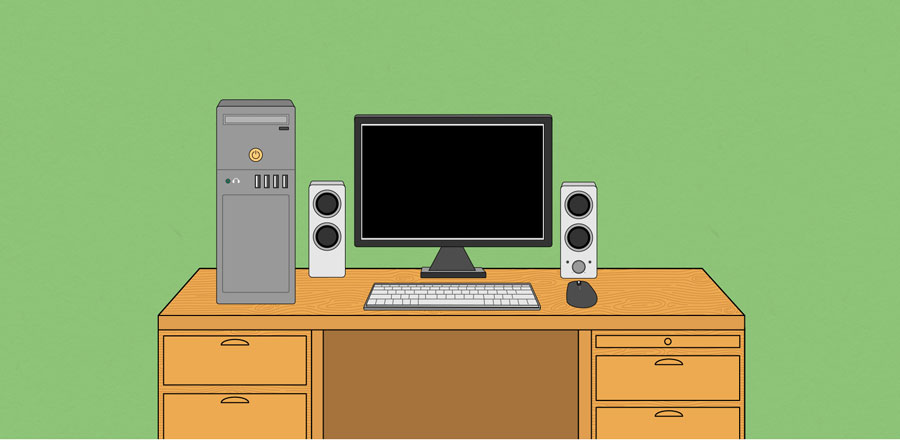
- Peripheral Devices: Input and output devices such as keyboards, mice, printers, and monitors that facilitate user interaction with the computer.
2. Software
Software is the non-tangible component that instructs hardware on how to perform tasks. It can be categorized into:
- System Software: Includes operating systems (e.g., Windows, macOS, Linux) and device drivers that manage hardware resources.
- Application Software: Programs designed for end-users to perform specific tasks, such as word processing, data analysis, and communication tools.
- Utility Software: Tools that help manage, maintain, and control computer resources, including antivirus programs and backup software.
3. Networking
Networking enables computers to communicate and share resources. It involves:
- Local Area Networks (LANs): Connects computers within a limited area, such as an office or home.
- Wide Area Networks (WANs): Connects computers over larger geographic areas, often utilizing the internet.
- Protocols: Standards like TCP/IP that govern data transmission and communication between devices.
- Hardware: Devices such as routers, switches, and servers that facilitate network connectivity.
4. Data Management
Effective data management ensures that information is stored, retrieved, and utilized efficiently. This includes:
- Databases: Structured systems for storing and managing data, enabling quick access and manipulation.
- Data Storage Solutions: Technologies like cloud storage and on-premises servers that hold vast amounts of data.
- Backup and Recovery: Strategies and tools to protect data integrity and ensure availability in case of failures.
5. Cybersecurity
Cybersecurity involves protecting computer systems and data from unauthorized access, threats, and vulnerabilities. Essential aspects include:
- Firewalls: Systems that monitor and control incoming and outgoing network traffic based on predetermined security rules.
- Antivirus Software: Programs designed to detect and eliminate malicious software.
- Encryption: Techniques to secure data by converting it into a code to prevent unauthorized access.
- Risk Assessments: Processes to identify and mitigate potential security threats.
6. System Administration
System administration involves managing and maintaining computer systems to ensure their optimal performance. Key responsibilities include:
- System Configuration: Setting up hardware and software to meet organizational needs.
- Manning Updates and Patches: Regularly updating systems to protect against vulnerabilities and improve functionality.
- Performance Monitoring: Tracking system performance to identify and resolve issues proactively.
7. Technical Support
Technical support provides assistance to users encountering issues with computer systems. This includes:
-
Troubleshooting: Identifying and resolving hardware, software, and network problems.
-
User Assistance: Helping users understand and effectively utilize computer systems and applications.
-
Maintenance: Performing regular maintenance tasks to ensure system reliability and performance.
Essential IT Skills for Computer Management
Core Competencies for IT Professionals
To effectively manage and optimize computer systems, IT professionals must possess a diverse set of skills. These competencies ensure that systems are not only functional but also secure and efficient.
1. Understanding Operating Systems
Proficiency in various operating systems is fundamental. IT professionals should be adept at installing, configuring, and troubleshooting systems like Windows, macOS, and Linux, ensuring they run smoothly and securely.
2. Hardware Troubleshooting
Ability to diagnose and repair hardware issues is critical. This includes replacing faulty components, upgrading systems, and ensuring that hardware configurations meet performance requirements.
3. Network Maintenance
Maintaining robust and secure networks involves configuring routers and switches, managing Wi-Fi networks, and ensuring network stability and security through regular monitoring and updates.
4. Cybersecurity Basics
Keen understanding of cybersecurity principles helps in implementing effective protection measures. IT professionals must stay updated on the latest threats and security protocols to safeguard data and systems.
5. Software Installation and Management
Skill in installing, updating, and managing software applications ensures that systems remain current and functional. This includes understanding software dependencies and compatibility issues.
Emerging Trends in Information Technology for Computers
Innovations Shaping the Future of IT
The IT landscape is continuously evolving, with new technologies transforming how computer systems are managed and utilized. Staying abreast of these trends is essential for IT professionals and organizations alike.
1. Cloud Computing
Cloud computing offers scalable and flexible resources, enabling organizations to store and access data remotely. It reduces the need for extensive on-premises hardware and facilitates easier collaboration and data management.
2. Artificial Intelligence (AI) Integration
AI integration enhances system capabilities through automation, predictive analytics, and improved decision-making processes. It enables more efficient data processing and can anticipate and mitigate potential issues before they arise.
3. Enhanced Cybersecurity Measures
With the increasing sophistication of cyber threats, advanced cybersecurity measures are imperative. This includes machine learning-based threat detection, zero-trust architectures, and comprehensive incident response strategies.
4. Internet of Things (IoT) Connectivity
The proliferation of IoT devices expands the complexity of network management. IT professionals must ensure seamless integration and security of these devices to prevent vulnerabilities and maintain system integrity.
5. Advanced Networking Technologies
Developments in networking technologies, such as 5G and software-defined networking (SDN), offer faster and more reliable connections. These advancements support enhanced communication and data transfer speeds, critical for modern applications.
Career Outlook and Salary Prospects in IT for Computers
Opportunities and Financial Rewards in the IT Sector
The IT field offers robust career prospects and competitive salaries, driven by the increasing reliance on computer systems across all industries. Understanding the financial and professional landscape is crucial for aspiring IT professionals.
| IT Role | Average Annual Salary | Job Growth Outlook |
|---|---|---|
| System Administrator | $72,914 | Growing Much Faster Than Average |
| Network Engineer | $85,000 | Steady Growth Expected |
| Cybersecurity Analyst | $95,000 | High Demand with Rapid Growth |
| Cloud Solutions Architect | $120,000 | Very High Demand and Growth |
| Technical Support Specialist | $50,000 | Consistent Demand |
Salary Insights
IT professionals earn salaries ranging from entry-level positions at approximately $18,500 annually to highly specialized roles that can earn upwards of $136,500 annually. The median salary for computer science professionals is around $111,343, reflecting the high demand and specialized skills required in this field.
Job Outlook
The employment growth for IT and computer science roles is projected to be much faster than the average for all occupations. This growth is driven by the increasing integration of technology in various sectors, the need for enhanced cybersecurity, and the continual evolution of networking and data management technologies.
Educational Pathways and Skill Development
Building a Foundation for a Career in IT
Education and continuous skill development are paramount for success in the IT sector. Various educational paths and training programs equip individuals with the necessary knowledge and competencies to thrive in this dynamic field.
1. Educational Requirements
Most IT and computer science roles require at least a bachelor's degree in a related field. However, some entry-level positions may accept associate degrees or relevant certifications. Advanced roles often demand higher education and specialized training.
2. Relevant Certifications
Certifications such as CompTIA A+, Network+, Security+, Cisco Certified Network Associate (CCNA), and Certified Information Systems Security Professional (CISSP) are highly valued, demonstrating expertise and commitment to the field.
3. Continuous Learning and Development
The rapidly evolving nature of IT necessitates ongoing education and skill enhancement. IT professionals should engage in continuous learning through workshops, online courses, and industry seminars to stay updated with the latest technologies and best practices.
Strategic Importance of IT in Organizational Success
How IT Drives Efficiency and Innovation
Effective IT management is crucial for organizational success, influencing efficiency, innovation, and competitive advantage. Properly leveraging IT resources can lead to significant improvements in productivity and business operations.
1. Enhancing Operational Efficiency
IT systems streamline business processes through automation, reducing manual effort and minimizing errors. This leads to faster task completion and more efficient resource utilization.
2. Enabling Data-Driven Decision Making
Advanced data management systems allow organizations to collect, store, and analyze vast amounts of data. This enables informed decision-making based on accurate and timely information.
3. Fostering Innovation
IT fosters innovation by providing the tools and infrastructure necessary to develop new products and services. Technologies like AI and cloud computing open up new possibilities for business models and solutions.
4. Ensuring Scalability
Robust IT systems support business growth by ensuring that infrastructure can scale to meet increasing demands. This includes expanding storage capacity, enhancing network capabilities, and upgrading software systems.
Challenges and Considerations in IT Management
Navigating the Complexities of Information Technology
Managing IT effectively comes with its set of challenges. IT professionals must navigate these complexities to maintain system reliability and security while meeting the evolving needs of users.
1. Managing Cybersecurity Threats
The increasing sophistication of cyber threats requires continuous vigilance and proactive security measures. IT professionals must stay informed about the latest threats and implement robust security protocols to safeguard systems.
2. Ensuring System Reliability and Uptime
Maintaining high system uptime is critical for business operations. This involves regular maintenance, prompt troubleshooting, and implementing redundancy measures to prevent downtime.
3. Balancing Cost and Performance
IT departments must balance the cost of technology investments with the performance benefits they provide. This requires strategic planning and budget management to ensure efficient use of resources.
4. Adapting to Technological Changes
Keeping up with rapid technological advancements is essential. IT professionals must adapt to new tools, frameworks, and methodologies to remain effective and relevant in their roles.
Conclusion
Information Technology is undeniably integral to the operation and advancement of computer systems. From the foundational hardware and software components to the critical aspects of networking, data management, and cybersecurity, IT ensures that computers function efficiently and securely. The dynamic nature of the IT field, characterized by continuous innovations and emerging trends, offers vast opportunities for professionals to grow and contribute to organizational success. As technology continues to evolve, the demand for skilled IT professionals will only increase, making it a promising and rewarding career path. By mastering essential IT skills and staying abreast of industry developments, individuals can play a pivotal role in shaping the future of computer systems and the broader technological landscape.
References
Last updated February 14, 2025