
Understanding the Running Cost of an Inkjet Digital One-Color Machine with Variable Data
Deep dive into cost factors, efficiency metrics, and practical implementations
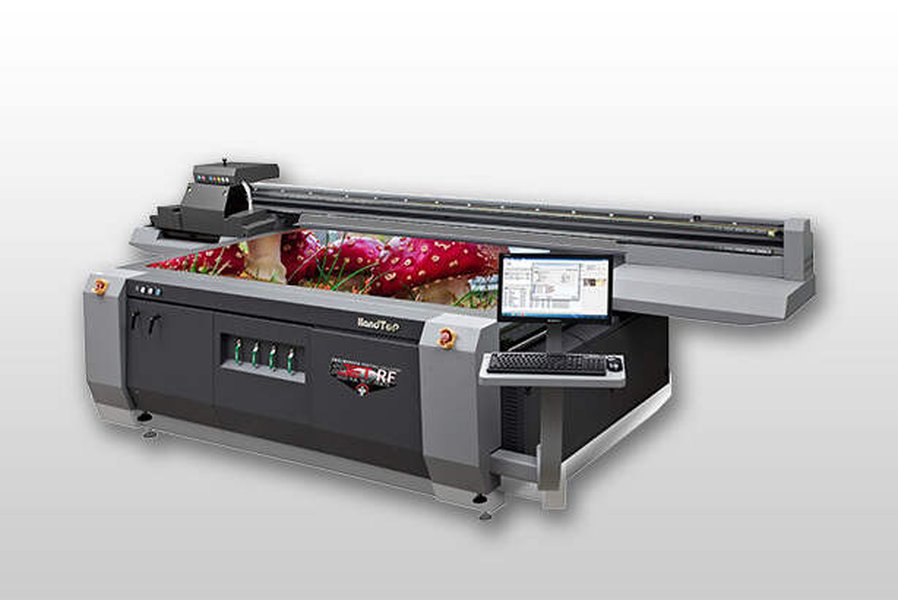
Key Highlights
- Ink and Consumables Efficiency: Ink costs, usage per page, and consumables drive the cost per print.
- Maintenance and Hardware Investment: Print head longevity, repairs, and ancillary equipment (e.g., curing systems) affect long-term running costs.
- Operational and Variable Data Specifics: The unique demands of variable data printing, including data processing and customization, can alter cost structures.
Detailed Analysis of Running Costs
Inkjet digital one-color machines, particularly when configured for variable data printing (VDP), offer dynamic and cost-effective solutions for various printing applications. However, the running cost of these systems is determined by an interplay of multiple factors. In this comprehensive guide, we delve into the various aspects influencing the operating expenses.
Ink Costs and Consumables
One of the most significant contributors to running cost is the price of ink. Unlike laser printing, which relies on toner, inkjet printers use liquid inks, and the cost per liter or cartridge can vary widely. Many modern systems, such as those with integrated ink tank designs (e.g., certain Epson EcoTank models), are engineered to minimize ink wastage.
Factors include:
- Ink Consumption per Page: This is affected by the print coverage density and the type of image or text. VDP jobs might use more ink because of the need for high-quality variability.
- Ink Prices: Cost fluctuations based on quality and brand. High quality UV inks, for instance, might be more expensive than conventional inks.
- Additional Consumables: Items such as cleaning solutions, maintenance kits, and filters add to the cost, though many modern systems strive to minimize these expenses.
Variable Data Printing (VDP) Considerations
Variable Data Printing introduces further complexities into cost calculations. Custom data—and often, multiple versions of the same print job—are hallmarks of VDP. This means that:
- Custom Settings and Optimization: Some machines and software solutions allow you to adjust print settings, thereby optimizing ink usage on a per-job basis.
- Test Runs and Calibration: VDP processes may require multiple test prints to ensure proper data rendering, which could slightly increase the ink consumption.
- Software Integration: Tools like specialized VDP software help in managing variable data files, which can streamline printing but may have an upfront cost or ongoing license fees.
Maintenance, Print Head Durability, and Utility Costs
Maintenance costs can add a considerable burden if the system is not optimized for prolonged, high-volume operations. The lifetime of print heads and their replacement cost is particularly important, as they are a vital component in delivering high-quality prints.
Key elements:
- Print Head Replacement: Modern machines often incorporate advanced printheads (e.g., Kyocera print heads featured in systems like the Mark Andy DPV), making them robust and less frequently needing replacement. However, when they do fail or require servicing, costs may range considerably.
- Routine Maintenance: Regular cleaning cycles and maintenance protocols ensure that the machine operates optimally, reducing downtime and expensive repairs.
- Utility Costs: The mechanism requires a stable supply of electricity and, in some cases, compressed air. Especially in UV inkjet systems needing curing, electricity consumption can contribute to the overall operating expense.
Hardware Investment and Total Cost of Ownership
The initial cost of acquiring an inkjet one-color machine designed for VDP is just the starting point. Buyers must consider the total cost of ownership (TCO) that includes both the initial investment and ongoing operational expenditures.
- Initial Purchase Price: Investments in machines such as the Mark Andy Digital Plus Variable system are lower compared to traditional cartridge-based systems. Some examples indicate savings as high as 90% under specific conditions.
- Software and Upgrades: Many systems rely on specialized software for data handling, layout, and workflow optimization. You may need to account for license fees, updates, and possibly training costs for staff.
- Depreciation and Longevity: Equipment with fewer moving parts or a design focused on ease of maintenance can reduce long-term costs through extended operational lifespan.
Cost Comparison and Efficiency Metrics
Practical cost evaluation often involves calculating the cost per printed page and assessing how operational variables affect this metric. While specific per-page costs can vary, certain benchmarks have been cited. For instance, some models claim a cost per page as low as 2 cents with highly optimized ink usage.
However, when accounting for variable data demands—including test prints and calibration—the effective cost per page might be slightly higher (ranging between 2 to 4 cents or more, depending on print density and overall job complexity).
Sample Calculation Breakdown:
| Parameter | Typical Value | Explanation |
|---|---|---|
| Ink Cost per Liter | $50 | Cost may vary based on ink quality and bulk purchase options. |
| Ink Usage per Page | 0.1 mL | Depends on coverage density and the extent of variable printing. |
| Ink Cost per Page | $0.005 | Calculated from the above data (approximation). |
| Maintenance/Other Consumables | $0.02 - $0.03 | Pro-rated expenses including print head maintenance, cleaning, and energy cost. |
| Total Cost per Page | $0.03 - $0.04 | This range factors in ink, maintenance, and utility costs. |
The example calculation underscores the necessity to include maintenance and other operational expenditures in the overall assessment. In many cases, cost-effective solutions in the market, such as systems from Mark Andy, Arojet, and Epson EcoTank series, reflect these efficiencies through their design and integrated features.
Graphical Overview: Performance and Cost Efficiency
The radar chart below illustrates various performance metrics and cost drivers for inkjet digital systems used in VDP applications. The chart aggregates factors such as ink cost, maintenance factors, print efficiency, reliability, and utility expenses. This visual analysis helps in comparing multiple systems on a common scale.
Mindmap Overview of Key Cost Drivers
The mindmap below outlines the primary factors that contribute to the overall running cost of a one-color inkjet system with variable data. It visually connects the dots between ink costs, maintenance factors, hardware investment, usage patterns, and data printing specifics.
Practical Recommendations and Considerations
When considering an investment in an inkjet digital one-color VDP system, here are some practical tips based on the analysis:
Selection Criteria
- Evaluate Ink Efficiency: Choose a system known for low ink consumption. Look for models with ink tank systems or efficient drop-on-demand (DOD) technology.
- Determine Print Volume Requirements: Assess your monthly print volume to ensure that the printer’s capacity and ink yield align with your needs.
- Consider Variable Data Demands: If your applications involve heavy customization, make sure the system’s data processing and calibration capabilities can minimize wastage.
- Maintenance and Support: Look for systems with automated cleaning routines and robust print head designs to reduce downtimes and maintenance costs.
- Total Cost of Ownership: Factor in the initial investment, ink consumables, maintenance, utilities, software, and potential hardware upgrades.
Implementation Examples
The market provides various benchmark systems which have demonstrated cost-effectiveness:
- Mark Andy Digital Plus Variable (DPV): Known for its low running cost and high efficiency, this system is ideal for small and mid-sized commercial operations.
- Arojet UV Inkjet Systems: Systems like the Arojet X1 offer a balance of quality and cost-saving measures, particularly with specialized UV inks and optimized designs.
- Epson EcoTank Series: Often noted for their low cost per page, these systems are well suited for continuous high-volume production.
FAQs
What is the primary factor affecting the running costs of an inkjet digital one-color machine?
The primary factor is the cost of ink combined with the ink consumption per page. This includes both the price of ink cartridges or bulk ink systems and the amount used in each print, which is further influenced by print density and customization requirements in variable data printing.
How does variable data printing impact overall running costs?
Variable data printing involves the customization of each print job, which may result in increased test prints, calibration runs, and altered ink consumption. This directly impacts the cost per page and may sometimes require additional software and data management support, thereby increasing the overall operational cost compared to standard printing.
What steps can be taken to minimize running costs?
To minimize costs, opt for machines designed with lower ink consumption, utilize systems with automated maintenance, adjust print settings for optimal efficiency, monitor and streamline data processing for variable jobs, and consider the total cost of ownership rather than just the initial price.
How do maintenance and utility costs play into sustainability over time?
Regular maintenance and efficient use of utilities (electricity and compressed air) ensure that devices run reliably, reduce downtime, and extend the lifespan of components like print heads. Over time, this not only supports sustainability but also reduces long-term costs.
References
- Epson Inkjet Success - PrintPlanet
- Arojet UV Inkjet Solutions - Arojet
- Mark Andy DPV Overview - Mark Andy
- All-in-One Printers - PCMag
- Variable Data Printing - Autoprint
Recommended Further Queries
 amazon.com
Last updated March 31, 2025