
Revolutionizing Manufacturing: Unpacking the Innovations in Forming Technologies
Explore how cutting-edge advancements in metal forming are reshaping industries, enhancing precision, and driving sustainability.
Key Highlights in Forming Innovation
- Precision and Automation: The integration of CNC machinery, robotics, and advanced simulation tools has drastically improved the accuracy, repeatability, and efficiency of forming processes, enabling complex geometries and reducing waste.
- Novel Techniques: Emerging methods like electromagnetic forming, laser-assisted metal forming, hydromechanical forming, and incremental sheet forming offer unparalleled control, material versatility, and the ability to work with advanced alloys.
- Sustainability and Efficiency: Modern forming innovations prioritize material optimization, energy reduction, and lean manufacturing principles, leading to high-strength, lightweight components with minimal environmental impact.
The "innovation of forming" refers to the continuous evolution and integration of advanced methods, technologies, and strategic approaches in manufacturing processes, primarily focusing on shaping materials. While the term can encompass various fields, the most profound advancements and discussions in contemporary discourse center on metal forming. This intricate process involves shaping metal workpieces by applying mechanical forces such as compression, tension, and shear, leading to plastic deformation. Over decades, this field has been transformed by breakthroughs in materials science, equipment design, process control, and digital technologies. These innovations are not merely incremental; they represent a fundamental shift towards higher precision, greater efficiency, superior product quality, and enhanced sustainability in industrial production.
Historically, forming techniques have progressed from rudimentary manual methods to highly sophisticated, automated, and technology-driven processes. Today, the driving force behind these innovations is the imperative for creating high-strength components with precise dimensions, minimizing material waste, and achieving scalability in mass production across diverse industries. From the automotive sector striving for lightweight designs to aerospace demanding robust and intricate parts, and electronics requiring micro-precision, the impact of forming innovations is ubiquitous and foundational to modern manufacturing.
The Evolution of Metal Forming Technologies
Metal forming, a cornerstone of manufacturing, has seen remarkable evolution, moving beyond traditional methods to embrace digital integration and novel techniques. The focus is now on combining functional advantages with high-quality outputs, driven by the need for exact dimensions and minimal waste.
Digital Integration and Simulation
A significant leap in forming technology is the widespread integration of advanced digital tools. Computer-Aided Design (CAD) facilitates the initial product and tool design, while Finite Element Analysis (FEA) and other process simulation tools enable manufacturers to accurately predict material behavior under various stresses. This predictive capability minimizes costly trial-and-error cycles during development, allowing for optimized tool design and forming paths. For instance, simulations can precisely model how sheet metal will deform, identify potential stress points, and ensure near-net shape forming, which significantly reduces material waste and speeds up time-to-market. This holistic approach, treating metal forming as an integrated system, has been a core principle since the late 1960s, evolving to coordinate material treatment, tool geometry, and environmental conditions for consistent, high-quality output.
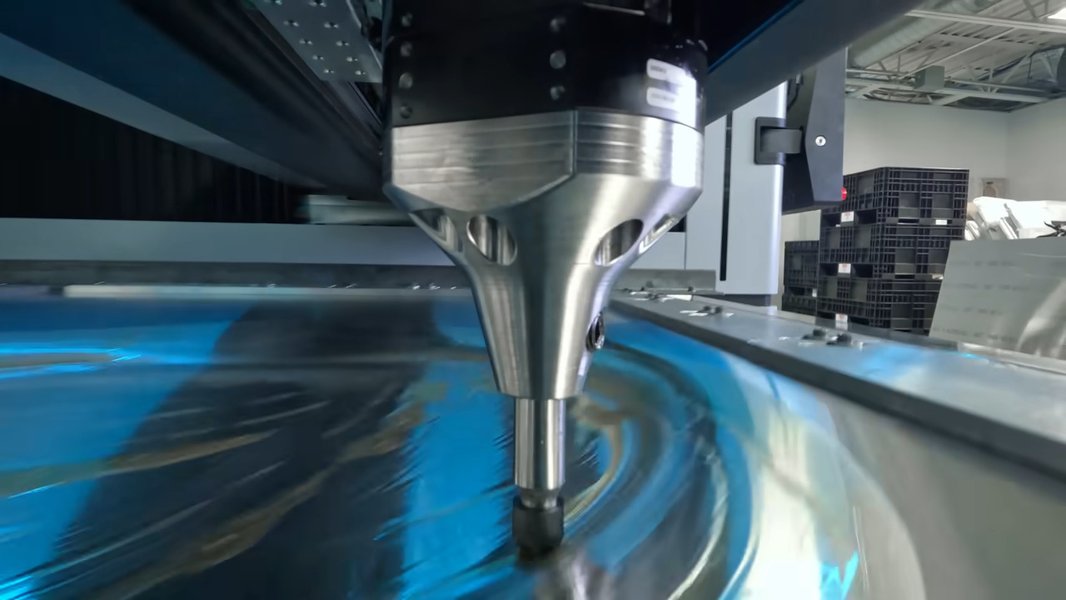
An image illustrating the precision and control achieved through digital sheet metal forming.
Advanced Automation and Robotics
The advent of automation and robotics has revolutionized forming lines, enabling high-volume production with unprecedented repeatability and safety. Robotic systems handle tasks from material loading and manipulation to welding and assembly, significantly boosting productivity and reducing manual labor. Real-time monitoring systems, often augmented with sensors and AI-driven analytics, track critical parameters such as material deformation, tool wear, and temperature. This data-driven approach facilitates immediate process adjustments, predictive maintenance, and overall improved consistency in output. This integration of automation and data intelligence is a key element in modern manufacturing's pursuit of Industry 4.0 principles.
This video provides a glimpse into "ROBOFORMING," showcasing the future of metalworking through advanced robotic forming techniques.
Novel Forming Techniques
Beyond traditional methods, several innovative forming techniques have emerged, pushing the boundaries of what's possible:
- Electromagnetic Forming (EMF) and Magnetic Pulse Forming (MPF): These non-contact methods use electromagnetic forces to shape metal at incredibly high speeds with minimal energy. They are particularly effective for creating complex geometries in materials like sheet metal and tubes, offering high precision and speed.
- Laser-Assisted Metal Forming: This technique combines conventional forming with laser precision to locally heat the metal. This reduces the force required for deformation, extends tool lifespan, and is particularly beneficial for hard-to-form materials such as titanium and high-strength steels, crucial in aerospace and automotive applications.
- Hydromechanical Forming: Utilizing fluid pressure, this technique uniformly shapes metals, leading to enhanced precision, fewer material defects, and the ability to produce highly complex part geometries with reduced material waste.
- Incremental Sheet Metal Forming (ISMF): A flexible process that incrementally deforms metal sheets using a simple tool. This method is ideal for low-volume production or customized parts, as it avoids the need for expensive, dedicated dies. Advancements in ISMF focus on refining forming paths, tool design, and controlling thickness distribution for improved surface quality and formability.
- Press Hardening: An innovative technology specifically designed for forming advanced ultra-high-strength steels into complex shapes. It involves precise cooling control to achieve desired material properties and is highly efficient.
Additive Manufacturing (3D Printing) Integration
While traditionally distinct, additive manufacturing (3D printing) is increasingly integrated with forming methods. This revolutionary approach allows for the creation of intricate metal shapes layer by layer, offering immense flexibility and precision, especially for complex geometries unachievable by traditional methods. This hybrid approach enables rapid prototyping, reduces material waste, and is paving the way for more efficient and customizable manufacturing workflows.
Material Innovations and Sustainability Focus
The development of new lightweight alloys and advanced composites necessitates specialized forming techniques that can maintain strength and formability, often requiring specific heat treatment combinations. Modern forming processes are designed to accommodate these materials, which are vital for applications like automotive and aerospace components, emphasizing sustainability through weight reduction. Furthermore, the focus on precision in forming directly contributes to sustainability by meeting strict tolerances, thereby reducing scrap rates and optimizing energy consumption. Lean manufacturing principles are increasingly applied to streamline workflows and minimize overall waste throughout the production cycle.
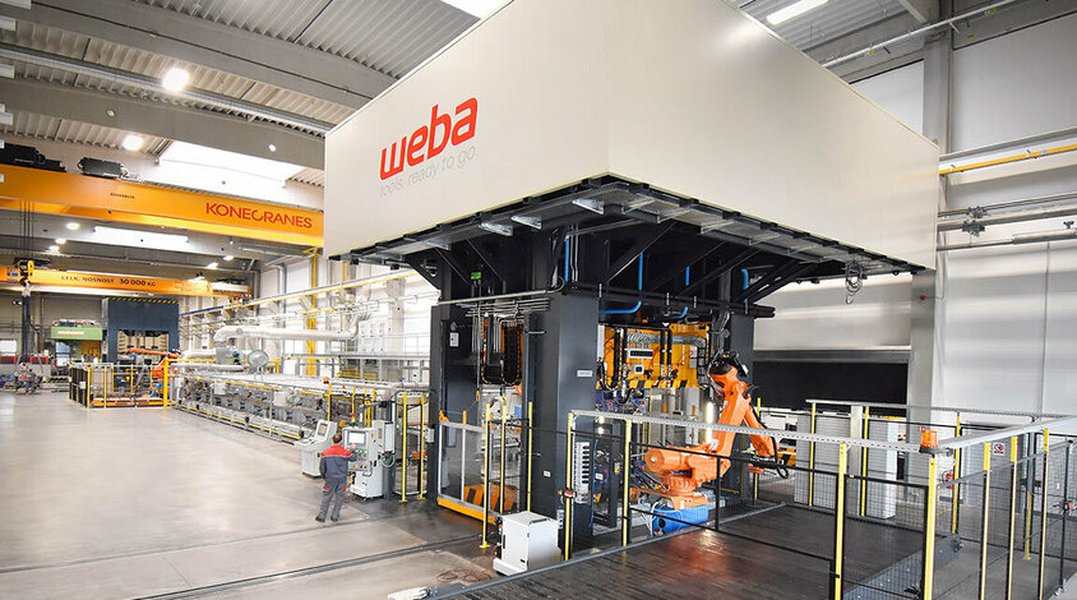
A modern facility showcasing innovative forming technology and tool making for high-volume series production.
Impact Across Industries
Innovations in forming technologies are not confined to the laboratory; they are actively reshaping critical industries by enabling the production of components that are stronger, lighter, and more precisely engineered. This has profound implications for product performance, safety, and efficiency across various sectors.
Automotive Sector
The automotive industry is a primary beneficiary and adopter of advanced metal forming tools. The drive towards lightweight design, essential for enhancing fuel efficiency and supporting the growth of electric vehicles, heavily relies on innovative forming processes for advanced ultra-high-strength steels and aluminum alloys. These advancements facilitate the production of complex structural components for vehicle bodies, chassis, and powertrains, contributing to improved safety and performance. Automated driving technologies and seamless connectivity also depend on precisely formed components for sensors, electronic enclosures, and interior structures.
Aerospace and Electronics
In the aerospace sector, forming innovations enable the manufacture of high-strength, lightweight components for aircraft structures, engine parts, and landing gear, where precision and material integrity are paramount. Similarly, the electronics industry benefits from micro-forming techniques that produce miniature, highly accurate components for devices ranging from smartphones to medical implants.
A Deeper Look at Forming Innovation Metrics
To better understand the multifaceted nature of innovation in forming, we can evaluate several key metrics. This radar chart presents an opinionated analysis, contrasting traditional forming methods with modern, innovative approaches across various performance indicators. Higher values on the chart indicate superior performance.
As the chart illustrates, innovative forming techniques significantly outperform traditional methods across all measured attributes. This includes vastly superior precision, greater versatility in handling diverse materials, enhanced efficiency in terms of time and cost, the ability to create highly complex geometries, improved sustainability outcomes, and advanced automation and control capabilities. This quantitative overview reinforces why the shift towards innovative forming is critical for modern manufacturing.
Understanding Innovation Models in Forming
Innovation in forming aligns with broader definitions of innovation, encompassing product, process, and business model innovations. These types of innovation are often guided by structured frameworks and methodologies to ensure successful development and implementation.
Innovation Types Applied to Forming
- Product Innovation: This involves the development of new types of components or parts that were previously unfeasible, directly enabled by novel forming methods. For example, creating lightweight, highly complex aerospace parts.
- Process Innovation: This refers to the implementation of new or significantly improved production or delivery methods within forming. Examples include advancements in forming speed, optimized tool design, and the integration of digital monitoring systems that enhance efficiency and output quality.
- Business Model Innovation: This involves changing how value is provided to customers and how profit is generated through forming. Adopting hybrid manufacturing models (combining traditional forming with 3D printing) or fostering collaborative ecosystems among manufacturers and technology providers can create competitive advantages.
- Continuous Innovation: This refers to ongoing enhancements to existing methods and techniques, such as iterative improvements in hydromechanical forming or roll forming processes.
Frameworks and Methodologies Driving Forming Innovations
Systematic innovation processes provide a roadmap from idea generation to market launch, ensuring rigorous evaluation and reduced risk. Key elements include:
- Problem-Solving Techniques: Methods like Root Cause Analysis help identify underlying issues in existing forming processes, leading to targeted improvements.
- Ideation Methods: Brainstorming sessions, hackathons, and structured ideation programs foster creativity and generate new concepts for forming technologies.
- Experimentation and Data Analytics: Continuous experimentation with new parameters and the use of data analytics for real-time monitoring and prediction are crucial for refining forming processes.
- Collaboration: Partnerships between research institutions, technology providers, and manufacturers drive the co-creation of new solutions.
The following mindmap visually organizes the key aspects of "Innovation in Forming," highlighting the interconnectedness of technologies, applications, and strategic approaches.
This mindmap provides a structured overview of the key components and relationships within the innovation of forming, emphasizing its technological, industrial, and conceptual dimensions.
Comparative Overview of Forming Processes
To further illustrate the diverse landscape of forming innovations, the table below provides a comparative overview of several prominent metal forming processes, highlighting their unique characteristics and applications.
| Forming Process | Description | Key Advantages | Typical Applications |
|---|---|---|---|
| Rolling | Metal passes through rollers to reduce thickness and achieve uniform cross-section. | High efficiency, good surface finish, consistent dimensions. | Sheets, plates, bars, structural shapes. |
| Forging | Metal is shaped by localized compressive forces using hammers or presses. | High strength and toughness, improved grain structure, reduced defects. | Engine components, gears, hand tools, surgical instruments. |
| Extrusion | Material is pushed through a die to create a specific cross-sectional profile. | Efficient for long lengths, complex cross-sections, good surface finish. | Pipes, rods, structural profiles, automotive parts. |
| Sheet Metal Forming (Bending, Deep Drawing, Stamping) | Plastic deformation of metal sheets into desired shapes using dies or presses. | Versatile for complex 3D shapes, high volume production, various materials. | Automotive body panels, appliance casings, electronic enclosures, cookware. |
| Electromagnetic Forming (EMF) | High-speed shaping using electromagnetic forces; non-contact. | Minimal energy, complex geometries, reduced springback, suitable for difficult materials. | Tube forming, sheet metal bulging, joining, medical devices. |
| Hydromechanical Forming | Uses fluid pressure to uniformly shape metals. | High precision, reduced material defects, enables complex geometries, less material waste. | Automotive components (e.g., chassis parts), aerospace parts. |
| Incremental Sheet Metal Forming (ISMF) | Gradual deformation using a simple tool without dedicated dies. | Cost-effective for low volume, rapid prototyping, highly flexible for complex shapes. | Customized parts, aerospace prototypes, medical implants. |
| Additive Manufacturing (3D Printing) | Layer-by-layer creation of metal parts based on digital models. | Extreme design freedom, complex internal structures, reduced material waste, rapid prototyping. | Prototypes, custom tools, complex aerospace and medical components. |
This table underscores the breadth of innovations within forming, showcasing how different processes are optimized for specific applications and material properties, contributing to the overall advancement of manufacturing.
Frequently Asked Questions (FAQ)
What is "forming" in the context of manufacturing?
Why are innovations in forming important?
What are some examples of cutting-edge forming techniques?
How does digital technology contribute to forming innovation?
How do forming innovations support sustainability?
Conclusion
The innovation of forming represents a dynamic and continuous journey at the intersection of advanced materials science, digital modeling, control systems, and novel manufacturing methods. This evolution is driven by the persistent demand for components that are not only precise and high-performing but also produced efficiently and sustainably. From the integration of AI and robotics to the development of sophisticated non-contact and fluid-based shaping techniques, the future of forming promises even greater capabilities. These advancements are critical enablers for next-generation products in industries ranging from sustainable transportation to advanced electronics, ensuring that manufacturing continues to adapt and thrive in an increasingly complex and resource-conscious world.
Recommended Further Exploration
- How is artificial intelligence revolutionizing the future of metal forming?
- What role does sustainability play in the development of advanced manufacturing processes?
- Explore the synergistic potential of hybrid manufacturing, combining additive and forming technologies.
- What are the current challenges in forming new lightweight alloys and their solutions?