
Unique Farming Idea: Innovations for Sustainable Agriculture
Discover creative approaches to revolutionize farming practices
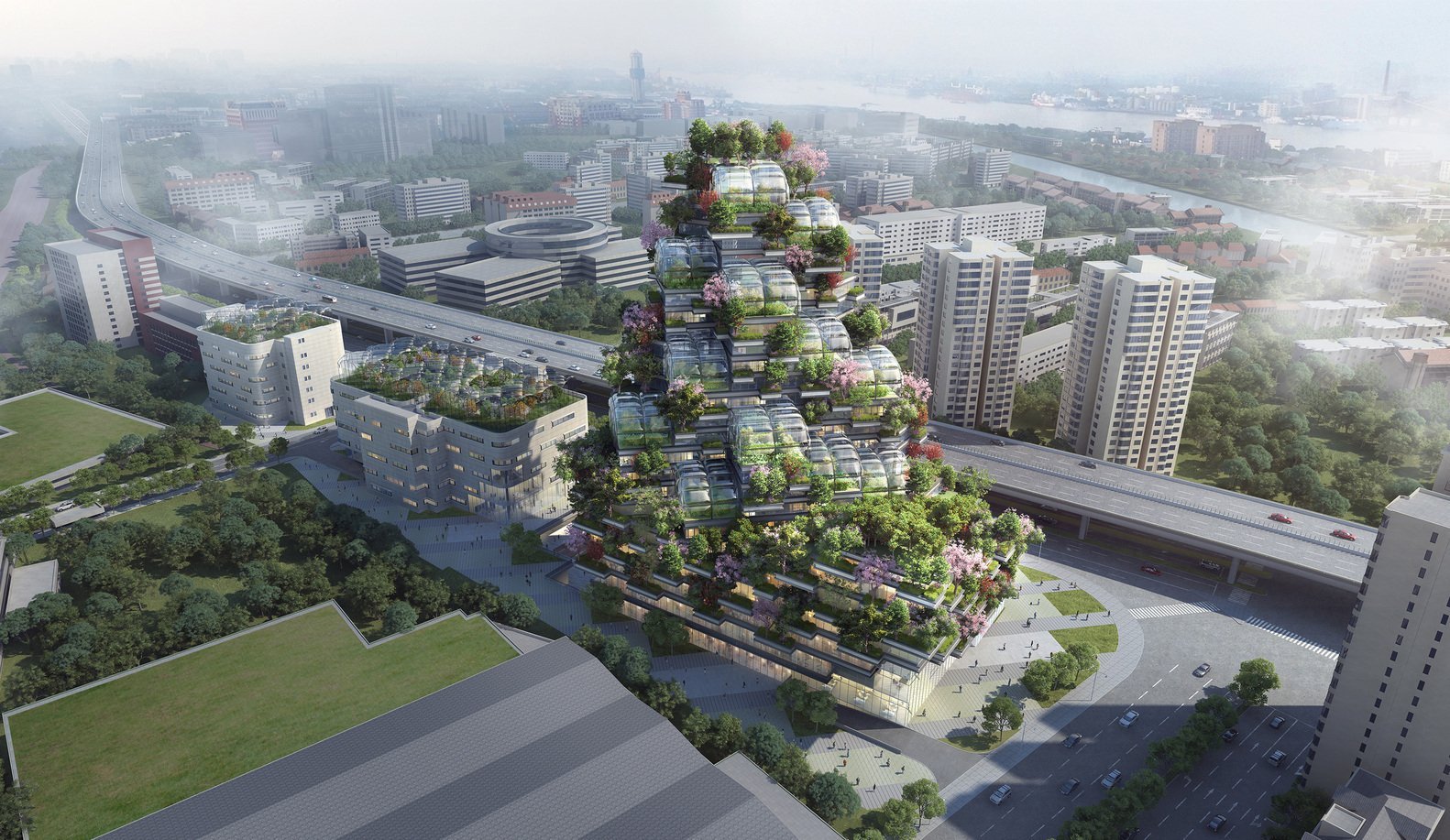
Highlights
- Integration of Technology: Advanced systems like hydroponics, aquaponics, and vertical farming enhance yield and efficiency.
- Sustainability and Eco-Friendliness: Methods including organic farming, permaculture, and forest gardening promote biodiversity.
- Niche Market Opportunities: Specialized approaches such as mushroom farming, microgreens, and adopt-a-tree programs cater to modern consumer demands.
Overview of Innovative Farming Ideas
In today’s rapidly evolving agricultural landscape, traditional farming methods are increasingly being supplemented – and in many cases, replaced – by innovative, technology-driven techniques. A unique idea for farming brings together a blend of technology, sustainability, and market responsiveness to meet the demands of both the environment and modern consumers. In this discussion, we explore several unique and synergistic farming ideas ranging from high-tech vertical farming and hydroponics to more community-focused initiatives like agrotourism and adopt-a-tree programs. This integrated approach not only maximizes land usage and crop yield but also provides an environmentally friendly and economically viable pathway for the future of agriculture.
Technological Innovations in Farming
Vertical Farming
Vertical farming is a transformative method that utilizes vertically stacked layers to grow crops in controlled environments. This innovative approach is particularly suited to urban settings where space is at a premium. By using techniques like hydroponics and aeroponics, vertical farms can produce vegetables, herbs, and fruits year-round. This method is celebrated for its efficient use of water and energy, allowing for a minimal environmental footprint. The controlled environment also reduces the need for pesticides and herbicides, yielding cleaner produce.
Hydroponics and Aquaponics
Hydroponics is a soil-less farming method where plants are grown in a nutrient-rich solution. This technique provides precision in nutrient and water management, leading to faster growth and higher yields. Complementing this, aquaponics combines hydroponics with aquaculture by integrating fish farming into the system. In an aquaponic setup, fish waste naturally fertilizes the plants, while the plants purify the water, creating a balanced and symbiotic ecosystem. These modern farming systems are ideal for environments where traditional agriculture is less viable, thereby reducing waste and promoting a sustainable cycle.
Sustainable and Eco-Friendly Farming Practices
Organic Farming and Permaculture
Organic farming emphasizes the use of natural inputs and the avoidance of synthetic chemicals, catering to the growing demand for chemical-free produce. With consumer awareness on the rise regarding health and environmental sustainability, organic produce can command premium prices. Similarly, permaculture is a design philosophy that emulates natural ecosystems. By integrating diverse plants and beneficial insects and managing natural resources efficiently, permaculture farms create self-sustaining agricultural systems. This approach not only improves soil health but also fosters biodiversity and ecological balance.
Forest Gardening and Agroforestry
Forest gardening, or edible forest systems, is another sustainable practice where farmers create multi-layered planting designs that mimic natural woodland ecosystems. This approach can include fruit trees, shrubs, herbs, and even mushrooms, often requiring lower maintenance once established. Agroforestry, which involves the intentional integration of trees with crops or livestock, offers benefits such as improved soil fertility, reduced erosion, and enhanced habitat for wildlife. Both methods are effective at sequestering carbon and contributing to overall environmental well-being while ensuring diverse production.
Specialized and Niche Farming Concepts
Mushroom and Microgreen Cultivation
Mushroom farming, particularly of gourmet and medicinal varieties, can be highly lucrative given the niche market it serves. Mushrooms like shiitake and oyster varieties can be grown in controlled environments or even repurposed spaces, converting waste products into valuable agricultural produce. On a similar note, microgreens, which are young vegetable greens known for their intense flavors and nutritional value, are quickly gaining popularity among health-conscious consumers and upscale restaurants. The rapid turnover and high yield per square foot make these crops attractive for small-scale operations.
Adopt-a-Tree Programs
The adopt-a-tree program is a creative way to blend farming with community engagement and environmental stewardship. In this concept, customers or local businesses can "adopt" trees planted on the farm. These programs often involve photographic documentation of the tree’s growth, personalized certificates, and regular updates to the adopters. This not only creates an emotional connection with the local community but also serves as an innovative marketing strategy that raises environmental awareness. In addition to carbon sequestration benefits, this approach fosters a lasting relationship between the farm and its patrons.
Agrotourism Initiatives
Agrotourism transforms farms into venues where consumers can experience the agricultural process firsthand. By inviting visitors to tour the farm, engage in harvest activities, or participate in workshops, farmers can generate an additional revenue stream. This model often includes on-site eateries, educational tours, seasonal events, and farm stays. Beyond financial benefits, agrotourism helps reconnect urban populations with the origins of their food, stimulating deeper appreciation for sustainable practices and local agriculture.
Comprehensive Comparison Table
| Farming Concept | Key Features | Sustainability Aspect | Market Niche |
|---|---|---|---|
| Vertical Farming | Stacked layers, controlled environment, high density | Efficient water use, reduced pesticides | Urban agriculture, year-round fresh produce |
| Hydroponics & Aquaponics | Soil-less growth, nutrient solution systems | Lower water usage, reduced waste | Sustainable food production, home and commercial systems |
| Organic Farming & Permaculture | Natural inputs, integrated ecosystem design | Promotes biodiversity, improves soil health | Health-conscious consumers, eco-friendly markets |
| Forest Gardening & Agroforestry | Multi-layered planting, tree-crop integration | Carbon sequestration, soil stabilization | Local markets, specialty and organic produce |
| Mushroom & Microgreen Farming | Short growth cycles, high yield per area | Efficient space conversion, low resource demand | Gourmet, medicinal, and health food sectors |
| Adopt-a-Tree & Agrotourism | Community engagement, diversified revenue | Environmental education and habitat promotion | Family outings, educational tourism, local involvement |
Detailed Discussion of Key Components
Innovative Technology Integration
Optimizing Resource Use
The modern trajectory of farming is sharply aligned with technological innovation. With challenges such as climate change and urban sprawl, farmers are increasingly adopting methods like vertical farming and hydroponics to use both land and water efficiently. These high-tech systems allow for precise control over environmental variables including temperature, light, and humidity, which are critical to plant growth. Moreover, such systems diminish reliance on traditional soil-based agriculture, reducing water consumption and the need for chemical interventions. Farmers who integrate smart sensors, automated climate controls, and LED lighting systems are positioned to gain superior yields with minimal environmental side effects.
Yield Maximization and Economic Viability
One of the primary advantages of technological farming is the ability to achieve continuous, year-round production cycles. Vertical farms, for example, can produce multiple harvests annually, significantly increasing the economic yield per unit area. Similarly, aquaponic systems simultaneously produce fish and vegetables, diversifying income streams and improving overall business resilience. Innovations like these lower production risks and maximize output. Furthermore, integrating technology with precision agriculture reduces the labor intensity and cost overhead involved in traditional farming, ensuring the financial sustainability of such ventures.
Community and Environmental Impact
Engaging Consumers and Local Communities
Beyond technological enhancements, a unique idea for farming must also resonate with societal trends. The adopt-a-tree model exemplifies this by engaging local communities in environmental stewardship. This initiative not only enhances the farm’s public image but also educates participants about the importance of biodiversity and conservation. When communities are involved, they take a vested interest in supporting local agriculture and sustainable practices, thus strengthening the connection between urban consumers and rural producers.
Promoting Ecological Balance
Sustainable farming practices such as organic agriculture and permaculture are inherently designed to maintain and enhance ecological balance. These methods focus on restoring soil health, conserving water, and fostering biodiversity in the process of cultivation. Additionally, forest gardening and agroforestry contribute to carbon sequestration, aiding in the mitigation of climate change. By relying on natural symbiosis—like the relationship between fish and plants in aquaponic systems—these methods exemplify the principles of sustainability and responsibility towards the environment.
Steps to Develop a Unique Farming Venture
Planning and Research
Before launching any innovative farming project, thorough planning and research are critical. Begin by evaluating local market conditions to identify niche opportunities. Research the available technologies and assess their compatibility with your land and resources. For instance, if urban space is limited, vertical farming could be the optimal choice due to its space efficiency. Conversely, for larger rural operations, integrating organic farming practices or agroforestry systems might yield significant benefits. In addition, secure partnerships with local restaurants, cooperatives, and educational institutions to build a network that supports your initiative.
Implementation and Scaling
Once you have a well-researched plan, the next step is to implement your chosen method. Investing in pilot projects, such as small-scale hydroponic systems or experimental vertical gardens, can help test the viability of the technology on your site. Monitor key performance indicators like water use efficiency, crop yield, and energy consumption. This data is essential in refining the process to achieve a balanced and profitable operation. Additionally, diversifying your production – for example, by including both high-value crops and community engagement programs like agrotourism – will spread risks and enhance overall revenue.
Embracing Innovation for Future Growth
The success of unique farming ideas ultimately lies in continuously adapting to new trends and technologies. Investing in research and development is a long-term strategy that will pay dividends as market conditions evolve. New innovations in sensor technology, automated harvesting, and climate control are expected to further propel modern agriculture forward. Staying updated with industry developments and being agile in adapting your models will ensure that your farming venture remains at the forefront of both efficiency and sustainability.
References
- Small Scale Farming Ideas - GroCycle
- Profitable Small Farm Ideas - FarmStandApp
- Agriculture Business Ideas - Times of Agriculture
- Agricultural Business Ideas - Enterprise League
- Profitable Farm Ideas - Fit Small Business
Recommended Exploration
Last updated March 16, 2025