
Innovative Team-Building Exercises
Discover fresh, engaging activities to enhance teamwork and creativity
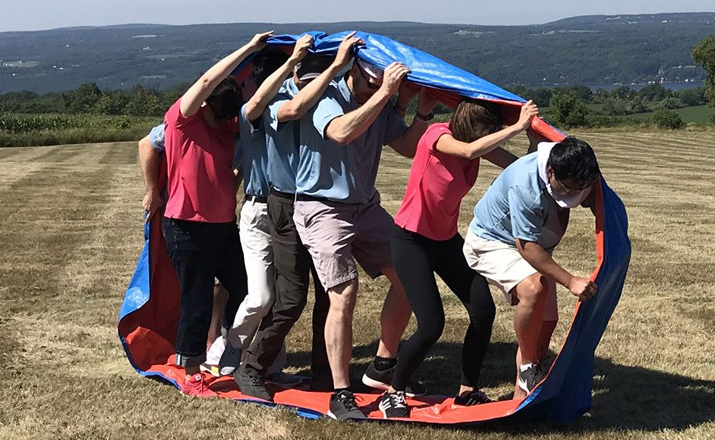
Key Highlights
- Engagement through Diversity: Exercises spanning virtual to physical scenarios foster creativity and inclusiveness.
- Collaboration and Communication: Activities are designed to break down barriers and encourage effective dialogue among team members.
- Tailored Experiences: Many exercises can be adapted to suit your team’s unique culture and objectives.
Introduction
In the modern workplace, innovative team-building exercises are essential for sustaining employee motivation, enhancing collaboration, and creating an engaging environment that continuously fosters professional growth and personal connections. With the advent of new technologies and the evolving nature of workspaces, traditional methods are being supplemented or replaced by more creative and interactive approaches. These activities are not only fun and engaging but also serve as powerful tools to break down communication barriers, build trust, and spark creativity.
This comprehensive guide explores various innovative team-building exercises that blend technology, physical activities, creative workshops, and mindfulness practices to reflect the diverse interests and requirements of teams today. Whether your team is working in-person, remotely, or in a hybrid setting, there is a range of activities available that can be tailored to the specific needs and goals of your organization.
Categories of Innovative Team-Building Exercises
1. Technology-Driven Adventures
Virtual Reality Experiences
Virtual reality (VR) missions bring an immersive dimension to team-building exercises. Teams can embark on quests where they solve puzzles and complete challenges in a virtual world. This approach not only boosts collaboration but also improves problem-solving skills by providing a simulated environment where creativity is required.
Escape Room Challenges
Utilizing either physical escape rooms or virtual simulations, these challenges require teams to work under time pressure to solve clues and unlock the path to exit. The collaborative nature of escape rooms enhances communication and strategic planning. Participants must combine their individual strengths and knowledge to find the solution, making it an excellent exercise for fostering trust and teamwork.
2. Creative and Mindfulness Workshops
Creative Workshops and Culinary Challenges
Creative workshops such as painting sessions, craft-making, or culinary competitions encourage participants to engage in hands-on experiences that break away from everyday work tasks. Culinary team-building activities, for instance, stimulate creativity and require teamwork as members compete or cooperate to create a dish. These environments help in opening up new channels of communication and creative thinking.
Mindfulness and Well-Being Sessions
Integrating mindfulness practices such as guided meditation, yoga sessions, or group relaxation exercises helps reduce workplace stress and fosters a sense of community. Mindfulness-based activities allow team members to center their focus and connect on a more personal level, reinforcing emotional intelligence and empathy among colleagues.
3. Interactive and Fun Challenges
Office Space Olympics
Office Space Olympics involve playful competitions like chair races, desk decorations, and creative contests performed in an office setting. This type of exercise not only injects fun into the workday but also encourages healthy competition where employees can showcase talents that are not typically seen in a traditional work environment.
Icebreakers and Quick Games
Activities such as "Two Truths and a Lie" and the "Yes, AND…" game serve as excellent icebreakers for new teams or during transitional periods. They help team members get to know each other by sharing personal anecdotes in a relaxed and humorous environment. Such activities create instant rapport, break down initial communication barriers, and set positive tones for further collaboration.
Problem Solving and Innovation Challenges
Exercises like the Marshmallow Challenge and rapid-fire brainstorming sessions demand that teams collaborate to build or ideate under constraints. The Marshmallow Challenge, for example, requires teams to design and build the tallest structure possible using limited materials. These tasks focus on enhancing critical thinking, creative problem-solving, and innovative collaboration, making them highly effective for teams that are looking for stimulating, challenge-based tasks.
Detailed Comparison Table of Team-Building Exercises
| Exercise Type | Objective | Format | Notable Example | Setup Requirements |
|---|---|---|---|---|
| Virtual Reality Quest | Boost immersive collaboration and problem solving | Technology-based | VR escape challenges | VR equipment, specialized software |
| Escape Room Challenge | Enhance communication under pressure | In-person or virtual simulation | Themed escape rooms | Props, clues, and space or virtual tools |
| Office Space Olympics | Encourage light-hearted competition | In-person game day | Chair races and desk decoration contests | Office materials, good spirit |
| Mindfulness Sessions | Reduce stress and promote community | Guided practices | Team meditation or yoga | Open space, instructor (optional) |
| Culinary Challenges | Foster creativity and collaboration | Interactive workshops | Cooking competitions | Kitchen facilities or portable cooking stations |
| Icebreakers | Build rapport and break down initial barriers | Short, casual games | Two Truths and a Lie | No special materials needed |
| Creative Problem Solving | Encourage innovation and quick thinking | Timed challenges | Marshmallow Challenge | Simple materials like spaghetti, tape, and marshmallows |
Implementing a Successful Team-Building Program
Assessing Team Needs
The first step in designing an effective team-building program is to assess the specific needs of your group. Ask questions such as: What are the current communication hurdles? Do team members experience significant stress or burnout? Are there conflicts or communication gaps that hinder productivity? Taking the time to understand these dynamics can guide you in selecting the most effective activities.
Customization is Key
Consider tailoring exercises to address particular challenges or goals. For instance, if your team struggles with communication, invest in activities like the "Human Knot" or improvisation games that require active listening and quick feedback. If the team needs a creative boost, workshops centered on art or design can spark innovative thinking.
Balancing Fun with Purpose
Team-building exercises should provide a balanced mix of enjoyment and objective-driven outcomes. While the fun element is essential, it is equally critical that the chosen activities deliver measurable benefits in terms of improving collaboration, trust, and productivity. To ensure that the benefits carry over into the work environment, consider integrating follow-up sessions where lessons learned during team-building can be applied to workplace challenges.
Feedback and Adaptation
After each team-building event, gather feedback from participants. Anonymous surveys can facilitate honest opinions regarding the effectiveness of the activity. Reflect on this feedback to modify and adapt future activities—this iterative approach ensures that team-building remains relevant and continuously beneficial.
Case Studies and Real-World Examples
Tech Industry Teams
Many technology companies have successfully implemented VR-based quests and escape room challenges as part of their regular team-building initiatives. These companies often report increased levels of engagement and enhanced problem-solving skills among their teams, which translate to improved project outcomes and smoother collaboration on innovative projects.
Creative Agencies and Startups
Creative teams and startups particularly benefit from culinary challenges and creative workshops. These groups often operate in highly dynamic environments where fresh ideas are the currency of success. Cooking competitions, for example, encourage spontaneous collaboration and creative ideation, often leading to breakthroughs that can be applied to work projects.
Corporate and Non-profit Organizations
Larger corporate entities and non-profit organizations have increasingly adopted community service projects and mindfulness sessions as part of their team-building programs. Not only do these activities address interpersonal dynamics and stress management, but they also align with corporate social responsibility efforts, thereby enhancing both internal morale and external public image.
Step-by-Step Guide to Organizing Innovative Team-Building Events
1. Pre-Event Preparation
Begin by identifying the specific challenges your team faces. Conduct surveys or focus group meetings to pin down common issues related to communication or stress. Once these are established, create an event blueprint that outlines objectives, participant roles, timelines, and activity requirements.
Defining Objectives
Establish clear, measurable outcomes for the team-building event, such as improved collaboration scores, enhanced creative outputs, or increased participant satisfaction. Having tangible goals will help you evaluate the success of the exercise.
2. Selection of Activities
Choose activities that cater to the needs identified in your pre-event analysis. Whether it is a high-energy competition like Office Space Olympics or a more reflective session such as team meditation, ensure that the selected exercises resonate with your team’s culture and goals.
Considering Logistics
Factor in available resources, including time, space, and budget. For technology-based events, assess the availability of necessary equipment such as VR headsets or simulation software. For outdoor activities, confirm that the venue is accessible and safe for all team members.
3. Execution and Facilitation
On the day of the event, create a structured yet flexible agenda that allows room for both planned activities and spontaneous team interactions. It is often beneficial to include a mix of high-intensity team tasks and periods of relaxation. Designate facilitators to guide sessions, encourage participation, and manage any conflicts that might arise.
Role of Facilitators
Effective facilitators are crucial — they ensure that activities run smoothly while also monitoring team dynamics. A facilitator with a background in group dynamics or coaching can swiftly address any emerging issues and help realign the group’s focus toward the event goals.
4. Post-Event Follow-Up and Evaluation
Once the event concludes, conduct follow-up sessions or distribute feedback forms to assess the impact of the activities. Analyze the data collected to identify strengths and areas for improvement. Use this insight to refine future team-building initiatives, ensuring that every event builds upon the successes of previous ones.
Continuous Improvement
The essence of innovative team-building lies in its ability to evolve. As your team grows and faces new challenges, regularly revisiting and updating your team-building strategies is critical. By fostering an environment of continuous improvement, your team will remain agile, motivated, and ready to tackle any challenge.
Additional Activities for Consideration
Hybrid and Remote Team Scenarios
As remote work becomes increasingly common, innovative team-building exercises are also adapting to suit virtual or hybrid teams. Virtual scavenger hunts, online escape rooms, and digital brainstorming sessions are excellent ways to bridge the gap between remote employees and ensure that they too can experience the benefits of face-to-face-style engagement.
Digital Collaboration Tools
Leverage digital platforms that offer interactive whiteboards, video conferencing, and collaborative document editing. Incorporating these tools can help simulate the dynamics of physical interactions, making remote team-building both effective and engaging.
References
- Team Engagement Activities - Kumospace
- Team-Building Activities for Work - The Muse
- Team Building Exercises - BetterUp
- Team Building Games - Asana
- Team Building - Outback Team Building
Recommended Queries for Further Exploration
Last updated March 18, 2025