
Outline for a Scientific Review on the Importance of Color in Insect Host Plant Location, Orientation, and Fitness
An in-depth framework to explore color perception, host selection, and ecological fitness in insects
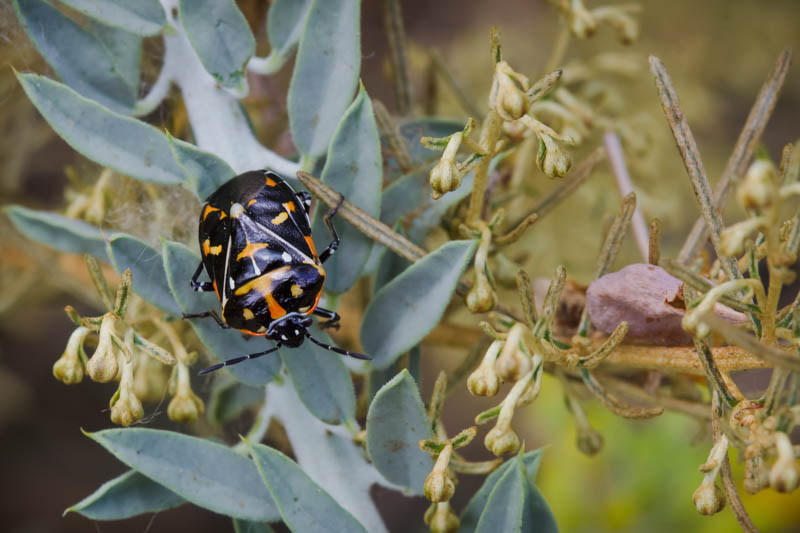
Highlights
- Diverse Mechanisms: Examining the multifaceted physiological and genetic bases of color vision in different insect species.
- Behavioral & Ecological Integration: Unpacking how color cues integrate with sensory inputs to drive host plant location and orientation.
- Fitness & Evolution: Evaluating the influence of color on survival, predator avoidance, reproductive success, and evolutionary adaptations.
I. Introduction
A Comprehensive Background
The review begins with an overview of the ecological and evolutionary relevance of color in insect behavior, emphasizing its role in host plant identification, orientation, and overall fitness. This section sets the stage for a detailed exploration of how varying color cues are utilized by insects to optimize foraging, avoid predators, and select appropriate mates. Given the complexity of insect visual systems and the diversity of host plants, this review aims to synthesize current evidence and highlight emerging research trends in the field.
Objectives and Scope
The primary objective of this review is to provide a structured analysis of the importance of color in insect host plant location and orientation, linking these processes to fitness outcomes such as enhanced survival and reproductive success. By exploring the physiological underpinnings of insect color vision, behavioral responses, and adaptive significance, the review will address key questions that bridge biology, ecology, and evolutionary studies. The scope encompasses comparative studies across insect taxa, experimental research, and theoretical models, with a focus on understanding how color cues shape insect-plant interactions.
II. Color Vision in Insects
A. Physiological Mechanisms
1. Structure and Function of Insect Eyes
Insects possess compound eyes that consist of numerous ommatidia, each equipped with photoreceptor cells sensitive to different wavelengths of light. These eyes are optimized for detecting movement and specific color spectra that are pivotal in the identification of suitable host plants. Detailed anatomical studies reveal variations in the number and type of opsins present, which are vital to the insects' ability to perceive ultraviolet (UV), blue, green, and sometimes red wavelengths.
2. Neural Processing and Spectral Sensitivities
Beyond the outer structure, the neural pathways that process light signals play a crucial role in transforming raw visual data into meaningful color information. The neural architecture differs among insect species, often reflecting adaptations to specific ecological niches. This section elaborates on how different classes of opsins and photopigments are expressed, and how varying spectral sensitivity profiles aid insects in distinguishing between host and non-host plants.
B. Genetic Underpinnings
1. Role of Opsin Genes
Opsin genes encode the proteins responsible for light absorption in photoreceptor cells. Mutations or variations in these genes can significantly alter an insect's color perception, potentially affecting behavior such as host plant selection. Comparative genetic studies highlight how genetic diversity in opsin genes is correlated with the environmental demands and ecological interactions evident in different insect taxa.
2. Evolutionary Adaptations in Color Vision
Evolution has fine-tuned the insect visual system to reflect the complex interplay between environmental conditions and genetic predispositions. This section examines how evolutionary pressures, such as predation and competition, have driven the diversification of color vision. It further discusses how adaptations in color perception can lead to behavioral advantages that contribute to the survival and reproductive success of these insects.
III. Color and Host Plant Location
A. Visual Cues in Host Detection
1. Long-Range vs. Short-Range Cues
Insects utilize color as a long-range visual cue to locate potential host plants amidst complex environments. Research indicates that contrasts between plant colors and background surroundings are critical in enabling insects to differentiate host plants from non-host vegetation. The discussion extends to the role of color saturation and brightness in facilitating these decisions, considering both long-range detection and fine-tuned short-range adjustments.
2. Case Studies and Empirical Evidence
Numerous empirical studies have demonstrated instances where insects exhibit marked preferences for certain color spectra, which align with the coloration of their preferred host plants. Detailed case studies, such as the wavelength tropism in pest species and the adaptive behaviors observed in specialist and generalist feeders, underscore the ecological significance of color-driven host selection.
B. Integration with Other Sensory Modalities
1. Combining Visual and Olfactory Cues
While color is a dominant sensory modality, insects often integrate olfactory signals to reinforce host plant identification. The synergy between visual and chemical cues enhances the accuracy of host detection. Laboratory experiments and field observations converge on the idea that the interplay of these senses optimizes foraging decisions, resulting in higher foraging efficiency and reduced exposure to predators.
2. Behavioral Plasticity and Environmental Variability
Behavioral studies indicate that insects exhibit plasticity in response to variable color cues, especially under changing environmental conditions. This section deals with how insects adapt their host location strategies when faced with altered background colors or light environments, an increasingly relevant topic given global shifts in climate and habitat structure.
IV. Color in Insect Orientation and Navigation
A. Role of Color in Navigational Cues
1. Environmental Navigation
Insects rely on visual landmarks, often derived from color contrasts in the landscape, to navigate towards host plants. This is particularly vital in heterogeneous ecosystems where distinguishing a small host plant from a complex background is a constant challenge. The navigation process is bolstered by cognitive maps and learned environmental associations, making color an indispensable element of spatial orientation.
2. Synergistic Sensory Integration
Navigation is not solely dependent on color; a multi-sensory integration that includes mechanoreception and even geomagnetic cues is often observed. In this component, the review examines how insects prioritize and integrate these different types of information to ensure effective maneuverability and homing abilities. The role of color in signaling landmarks amidst competing stimuli is dissected.
B. Color Use in Nocturnal Insects
1. Adaptations to Low-Light Environments
Although many nocturnal insects have evolved unique mechanisms to cope with low-light conditions, color perception remains a factor even under diminished luminance. Adaptations in photoreceptor sensitivity allow for discerning subtle color differences that may signal the presence of a host plant. Research methodologies that compare diurnal and nocturnal species shed light on the functional significance of color vision across different light regimes.
2. Implications for Host Plant Localization at Night
This section delves into the behavioral strategies employed by nocturnal insects, which often exhibit heightened reliance on alternative color cues. The interplay between residual color perception and the use of complementary senses illustrates how evolutionary pressures have sculpted an efficient navigational system even in adverse lighting conditions.
V. Color, Fitness, and Ecological Implications
A. Direct Impacts on Reproductive Success and Survival
1. Foraging Efficiency
The effectiveness of host plant localization directly influences foraging efficiency, energy acquisition, and ultimately reproductive success. Through accurate color perception, insects minimize the time and energy expended in searching for food, thus redirecting these resources towards growth and reproduction. Enhanced foraging efficiency also mitigates exposure to predators, further contributing to improved survival rates.
2. Thermoregulation and Predator Avoidance
Color also plays a crucial role in thermoregulation. Insects with color morphs adapted to their thermal environment can manage body temperature more effectively, leading to increased fitness. Additionally, coloration can serve as a mechanism for camouflage or warning signals (aposematism), reducing predation risk and enhancing an individual’s chance of survival in a competitive ecosystem.
B. Indirect Fitness Consequences
1. Sexual Selection and Signaling
Beyond survival, color is critical in sexual selection. Vibrant or distinctive color patterns can signal genetic quality and influence mate choice, thereby impacting reproductive success. This section examines various species where sexual dichromatism and color polymorphism are considered important factors in mate selection, with studies demonstrating how visual cues facilitate reproductive isolation and speciation.
2. Environmental Adaptations and Evolutionary Dynamics
The ecological success of many insect species is closely linked to their ability to adapt to changing environmental conditions. Evolutionary studies indicate that shifts in environmental factors such as habitat alteration and climate change are driving alterations in insect coloration. These adaptations, in turn, affect host plant interactions by modulating both the attraction of mates and the effectiveness of camouflage. This dynamic emphasizes the interplay between genetic adaptations and ecological pressures in shaping insect populations.
VI. Methodological Approaches and Future Research Directions
A. Experimental and Observational Techniques
1. Behavioral Assays and Field Studies
Research into insect color vision and behavior relies on rigorous experimental designs, ranging from controlled laboratory assays to extensive field observations. Behavioral experiments that isolate color as a variable are critical in elucidating its direct impact on host plant selection. Additionally, field studies offer ecological validity and contextual insights into how natural environmental factors modify insect behavior.
2. Molecular and Genetic Techniques
Advances in molecular biology have allowed for the exploration of the genetic basis of color perception. Techniques such as gene editing, transcriptomics, and spectral sensitivity assays provide a deeper understanding of how genetic variations in opsin genes and other photoreceptor proteins influence behavioral outcomes. These methodologies are essential in linking genotype to phenotype in the context of color-mediated ecological interactions.
B. Analytical and Computational Modeling
1. Data Integration and Modeling Approaches
The integration of behavioral data, genetic information, and ecological variables through computational modeling has emerged as a powerful tool to predict insect responses to color cues. Models that simulate visual perception pathways and ecological interactions provide insights into complex systems where multiple sensory modalities interact. This methodological direction is poised to refine current theories and offer predictive frameworks for insect behavior under varying environmental conditions.
2. Future Research Directions and Technological Advances
Looking ahead, future research should focus on integrating multi-sensory data, examining the impact of anthropogenic changes on insect color perception, and applying these insights to pest management strategies and conservation biology. Emerging technologies, such as high-resolution imaging and real-time tracking, hold promise for uncovering the nuances of color-based host plant localization. Furthermore, interdisciplinary research approaches that combine physiology, ecology, and computational science are expected to drive significant advances in our understanding of insect color vision and its ecological implications.
VII. Proposed Outline Structure: A Detailed Table
| Section | Key Topics | Description |
|---|---|---|
| I. Introduction | Background, Objectives, Scope | Overview of insect color importance, host plant interactions, and fitness outcomes. |
| II. Color Vision in Insects | Physiology, Genetics, Evolution | Mechanisms of color perception, role of opsins, neural processing, and genetic adaptations. |
| III. Color and Host Plant Location | Visual Cues, Behavioral Studies, Sensory Integration | Use of color in plant detection, case studies on wavelength tropism, synergy with olfactory cues. |
| IV. Color in Insect Orientation | Navigation, Environmental Cues | How insects use color for spatial orientation and navigation; adaptations in nocturnal species. |
| V. Color, Fitness, and Ecological Implications | Foraging Efficiency, Reproductive Success, Thermoregulation | Impact of color on survival strategies, mating, predator avoidance, and ecological adaptability. |
| VI. Methodological Approaches | Experimental, Molecular, Computational Techniques | Study designs, genetic tools, modeling approaches, and future research directions. |
| VII. Conclusion & Future Perspectives | Summary, Emerging Trends | Key findings summarized and recommendations for interdisciplinary research. |
VIII. Conclusion and Final Thoughts
In conclusion, this comprehensive review outlines the critical role that color plays in shaping the ecological interactions between insects and their host plants. Through an exploration of the physiological, behavioral, and genetic mechanisms underpinning insect color vision, it becomes evident that visual cues are essential in guiding host selection and navigation. These color cues not only enhance foraging efficiency and reproductive success but also play a pivotal role in predator avoidance and thermoregulation.
The integration of laboratory experiments with field observations has illuminated how color perception assists insects in adapting to dynamic environmental conditions. As the review has detailed, the synergistic use of color alongside other sensory modalities such as olfaction and mechanoreception confirms that insect behavior is a product of complex, multi-layered processes. Furthermore, the evolutionary perspective shows that natural selection favors color traits that enhance fitness, underscoring the importance of visual cues as adaptive traits in changing climates.
Future research directions aim to deepen our understanding of these mechanisms through advanced molecular techniques and computational modeling. Embracing interdisciplinary approaches will likely lead to innovative pest management strategies and conservation efforts, ensuring that we maintain a balanced ecosystem amidst ongoing environmental changes.
IX. References
-
Opsin mutants alter host plant selection by color vision - ScienceDirect
-
Host Selection Overview - ScienceDirect Topics
- Opsin mutants and host plant color vision - PubMed
-
Insect host plant selection in complex environments - ScienceDirect
-
Evolution of insect body coloration - ScienceDirect
- Impact of climate change on insect colour - 3Bee Blog
-
Climate‐driven colour change in insects - PMC
- Substrate color influence on insect phenotypic plasticity - PubMed
-
Colour in insect thermoregulation - ScienceDirect
- Non-linear selection on color and fitness epistasis - Gompert Lab
- Genotype-phenotype-fitness map for stick insect color - Nature Eco Evo Community
- Metallic colours in insects discussion - Photo Macrography
- Insect development, thermal plasticity and fitness implications - Oxford Academic
X. Recommended Related Queries
Last updated February 20, 2025