
Unlocking the Vault: Why Big Money is Pouring into Bitcoin and What It Means for You
Discover the institutional rush to Bitcoin, its unique position versus altcoins, corporate strategies, and personal investment considerations.
Key Insights
- Institutional Magnet: Institutions are buying Bitcoin heavily, viewing it as "digital gold"—a hedge against inflation and a portfolio diversifier due to its scarcity and low correlation with traditional assets.
- Market Infrastructure Growth: The approval and success of regulated products like spot Bitcoin ETFs have been pivotal, providing institutions with familiar, compliant, and accessible ways to gain exposure without direct custody challenges.
- Strategic Long-Term Holdings: Most companies acquiring Bitcoin treat it as a long-term treasury reserve asset for capital preservation and potential appreciation, rather than for frequent trading or operational payments.
The Institutional Stampede: Why Bitcoin is Gaining Momentum
As of May 2025, a significant trend is unfolding in the financial world: institutional investors, including hedge funds, pension funds, banks, and large corporations, are allocating substantial capital to Bitcoin. This isn't a random occurrence; it's driven by a convergence of factors that position Bitcoin uniquely within the evolving investment landscape.
Bitcoin as Digital Gold: A Hedge in Uncertain Times
Scarcity and Store of Value
One of the primary drivers is Bitcoin's perception as a hedge against inflation and currency devaluation. Unlike fiat currencies, which can be printed indefinitely, Bitcoin has a mathematically enforced hard cap of 21 million coins. This inherent scarcity makes it attractive as a store of value, akin to digital gold, particularly during periods of economic uncertainty and expansionary monetary policy. Institutions see it as a way to protect treasury assets and preserve purchasing power over the long term.
Portfolio Diversification
Bitcoin's price movements have historically shown low correlation with traditional asset classes like stocks (S&P 500, Nasdaq) and bonds. This non-correlation makes it a valuable tool for diversifying investment portfolios. By adding Bitcoin, institutions aim to potentially reduce overall portfolio volatility and enhance risk-adjusted returns, especially in markets where traditional assets move in tandem.
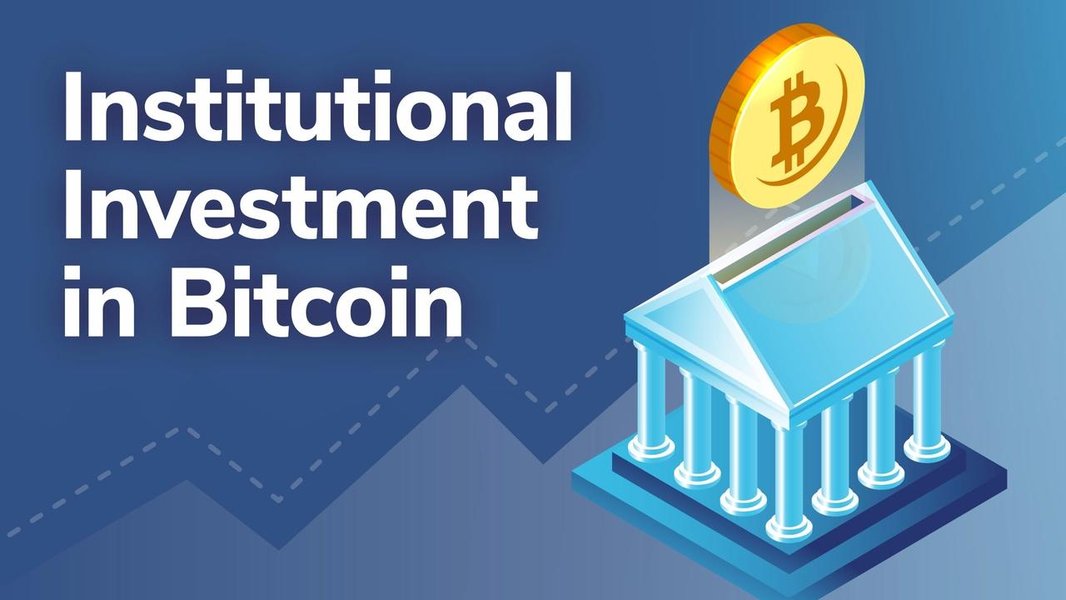
Institutions are increasingly integrating Bitcoin into their investment strategies.
Maturing Market Infrastructure and Regulation
The Rise of Regulated Products
A game-changer for institutional adoption has been the development and approval of regulated financial products. Spot Bitcoin Exchange-Traded Funds (ETFs) in major markets have been particularly transformative. These products allow institutions to gain exposure to Bitcoin through familiar, regulated channels, traded on traditional stock exchanges, thus bypassing the complexities of direct purchase, custody, and security. The success of these ETFs, attracting significant inflows, signals growing comfort and demand from institutional players, including more risk-averse entities.

Bitcoin ETF inflows highlight growing institutional participation.
Improving Regulatory Landscape
While regulatory frameworks for digital assets are still evolving globally, progress is being made. Increased engagement from governments and regulators, including the formation of crypto-focused working groups and clearer guidelines in some jurisdictions, is reducing uncertainty. This gradual regulatory maturation provides institutions with greater confidence regarding compliance and long-term viability, making large-scale investments more palatable.
Bitcoin's Network Effects and Security
Market Leadership and Liquidity
As the first and largest cryptocurrency by market capitalization, Bitcoin benefits from significant network effects, widespread recognition, and the most developed infrastructure. Its market is generally more liquid than those of altcoins, which is crucial for institutions needing to execute large trades without significantly impacting the price.
Proven Security and Decentralization
The Bitcoin network, secured by a vast global network of miners through Proof-of-Work, has operated for over 15 years without being successfully hacked at the protocol level. Its high degree of decentralization makes it resistant to censorship and single points of failure, characteristics highly valued by institutions looking for resilient assets.
Bitcoin vs. Altcoins: Understanding the Institutional Preference
While the cryptocurrency market boasts thousands of altcoins, each often designed with specific functionalities or technological improvements, institutional capital has predominantly flowed into Bitcoin. Why the focus?
Distinct Roles and Use Cases
Bitcoin's primary institutional appeal lies in its established role as a store of value and a potential macro hedge. Its core design prioritizes security, scarcity, and decentralization above all else. While it can function as a medium of exchange, especially for large cross-border settlements, its main institutional narrative centers on being "digital gold."
Altcoins, conversely, often aim to improve upon Bitcoin's perceived limitations (like transaction speed or energy consumption) or introduce entirely new functionalities. Common altcoin use cases include:
- Powering smart contract platforms (like Ethereum)
- Facilitating decentralized finance (DeFi) applications (lending, staking, yield farming)
- Enabling faster or cheaper transactions for specific networks
- Supporting specific industries (e.g., supply chain, gaming, identity)
- Experimenting with different consensus mechanisms or governance models
While some institutions are exploring altcoins and DeFi, particularly for yield generation or exposure to specific tech innovations (with XRP and Solana noted as popular holdings), these are generally seen as higher-risk, more specialized investments compared to Bitcoin's foundational role.
Comparative Institutional Appeal: A Visual Overview
The following chart illustrates a comparative assessment of Bitcoin and an "average" altcoin across factors often considered by institutional investors. Bitcoin generally scores higher on factors related to stability, security, and established market presence, while altcoins might offer higher potential returns alongside higher volatility and less regulatory clarity.
Key Differentiators Summarized
This table provides a concise comparison:
| Feature | Bitcoin (BTC) | Altcoins (General) |
|---|---|---|
| Primary Institutional Narrative | Digital Gold, Store of Value, Inflation Hedge, Portfolio Diversifier | Specific Tech Utility, Smart Contracts, DeFi, Higher Risk/Return Potential |
| Supply Mechanism | Fixed Cap (21 Million), Disinflationary | Varies (Fixed, Inflationary, Deflationary, Algorithmic) |
| Market Cap & Liquidity | Highest, Most Liquid | Generally Lower (Varies Greatly) |
| Regulatory Status | Most Established, Often First to Gain Clarity/Products (e.g., ETFs) | Less Clear, Varies Widely by Jurisdiction and Specific Coin |
| Volatility | High (but often lower than many altcoins) | Generally Higher to Very High |
| Network Security & History | Longest Track Record, Highly Secure (Proof-of-Work) | Varies, Newer Networks, Different Security Models |
| Focus | Security, Stability, Decentralization | Innovation, Scalability, Specific Use Cases |
Corporate Intentions: What Companies Do With Bitcoin Holdings
Companies acquiring Bitcoin typically aren't using it for daily operational payments. Their strategies are generally more long-term and treasury-focused.
Primary Strategies
- Treasury Reserve Asset: The most common strategy is holding Bitcoin on the balance sheet as a primary or supplementary treasury reserve asset. Companies like MicroStrategy have pioneered this, viewing Bitcoin as superior to holding depreciating fiat currency over the long run.
- Long-Term Investment: Firms hold Bitcoin anticipating long-term capital appreciation, treating it like other strategic investments.
- Balance Sheet Diversification: Holding Bitcoin diversifies corporate assets away from traditional financial instruments and fiat currencies, potentially reducing risk.
- Inflation Hedging: Corporations use Bitcoin to protect their capital reserves against the eroding effects of inflation.
Emerging and Secondary Uses
- Collateral for Financing: Some companies may use their Bitcoin holdings as collateral to access loans or other financial products.
- Development of New Financial Products: Institutions are exploring and creating new financial instruments built around Bitcoin, such as multi-jurisdiction custody solutions, tax-efficient trusts, and potentially even Bitcoin bonds.
- Sophisticated Trading Strategies: More advanced players use Bitcoin Exchange-Traded Products (ETPs) for strategies beyond simple holding, like cash-and-carry trades that arbitrage price differences between spot and futures markets.
- Attracting Investors & Signaling Innovation: Holding Bitcoin can enhance a company's image as forward-thinking and attract investors interested in digital asset exposure.
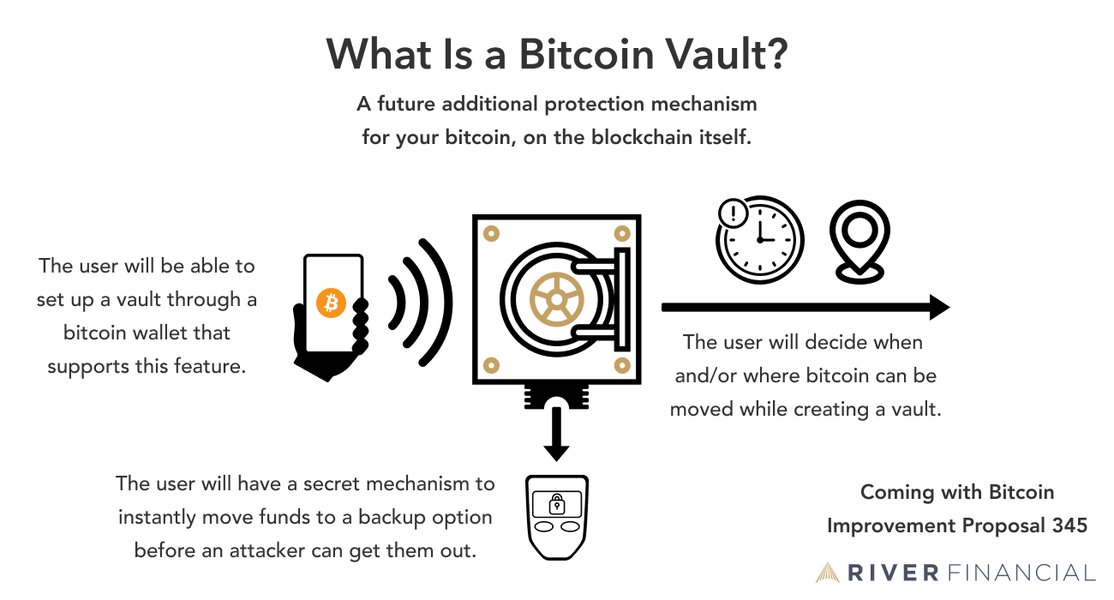
Secure custody is paramount for institutional Bitcoin holdings, often involving specialized vault services.
Mapping Institutional Bitcoin Adoption Drivers
The decision for institutions to adopt Bitcoin is multi-faceted. This mindmap visualizes the key drivers discussed, highlighting the interplay between economic pressures, market developments, and Bitcoin's intrinsic properties.
(Low Correlation)"] id1d["Search for Higher Returns"] id2["Market Maturity & Infrastructure"] id2a["Regulated Products
(Spot ETFs, ETPs)"] id2b["Improved Custody Solutions"] id2c["Increased Liquidity"] id2d["Growing Ecosystem
(Futures, Options)"] id3["Bitcoin's Intrinsic Properties"] id3a["Scarcity (Fixed Supply)"] id3b["Proven Network Security"] id3c["Decentralization"] id3d["Established Network Effect"] id4["Regulatory & Acceptance Trends"] id4a["Gradual Regulatory Clarity"] id4b["Mainstream Acceptance Growing"] id4c["Pioneering Companies
(e.g., MicroStrategy)"] id4d["Increased Media Coverage"]
Understanding the Institutional Perspective on Bitcoin
To gain deeper insights into how institutional investors view and utilize Bitcoin within their portfolios, watch this discussion featuring Matt Hougan, CIO of Bitwise Asset Management, a prominent firm in the crypto investment space. The video explores how Bitcoin fits into broader allocation strategies.
In the video, experts like Matt Hougan often discuss how institutions typically categorize Bitcoin within the 'alternatives' sleeve of their portfolios, alongside assets like private equity, hedge funds, or commodities. This allocation is usually small initially (often 1-5%) but serves specific purposes like enhancing diversification or capturing potential upside from a nascent asset class. The conversation frequently touches upon risk management, the importance of regulated access points like ETFs, and the long-term investment thesis focused on adoption curves and Bitcoin's role as digital gold, rather than short-term speculation.
Should You Consider Buying Bitcoin?
Seeing major institutions invest heavily in Bitcoin naturally raises the question of whether individual investors should follow suit. However, this decision is highly personal and depends entirely on your individual circumstances.
Factors to Weigh Carefully
- Risk Tolerance: Bitcoin is notoriously volatile. Its price can experience significant swings in short periods, much more so than traditional investments like stocks or bonds. You must be comfortable with the possibility of substantial losses.
- Investment Goals & Horizon: Are you investing for long-term growth, short-term gains, or diversification? Bitcoin's suitability varies depending on your objectives. Institutional investors generally adopt a long-term perspective.
- Financial Situation: Only invest money you can afford to lose. Cryptocurrency investments should not compromise your essential financial security or emergency funds.
- Understanding the Asset: Do thorough research. Understand what Bitcoin is, how it works, the technology behind it, the risks involved (market, regulatory, security), and its potential role in a diversified portfolio.
- Diversification Principle: While Bitcoin can be a diversifier, over-allocating to any single asset, especially a volatile one, increases risk. Some experts suggest a small allocation (e.g., up to 5%) within a well-diversified portfolio might be considered, but this is not a universal recommendation.
Institutional Trends vs. Personal Decisions
While institutional adoption lends credibility and potentially contributes to price stability over time, it doesn't guarantee future returns or eliminate risks. Institutions have different resources, risk management capabilities, and regulatory requirements than individual investors. Their actions signal growing acceptance, but shouldn't be the sole basis for your investment decisions.
Disclaimer: This information is for educational purposes only and does not constitute financial advice. Before making any investment decisions, conduct thorough personal research and consider consulting with a qualified financial advisor who understands your specific situation and goals.
Frequently Asked Questions (FAQ)
What exactly is a Bitcoin ETF?
A Bitcoin Exchange-Traded Fund (ETF) is an investment fund traded on traditional stock exchanges that tracks the price of Bitcoin. A spot Bitcoin ETF, specifically, holds actual Bitcoin as its underlying asset. Buying shares of a spot Bitcoin ETF allows investors (including institutions) to gain exposure to Bitcoin's price movements without needing to directly buy, store, or secure the cryptocurrency themselves. This simplifies the investment process and brings it within existing regulatory and brokerage frameworks.
Is Bitcoin safer now that institutions are investing?
Institutional involvement can contribute to market maturity, potentially leading to increased liquidity and potentially reduced volatility over the very long term. The development of regulated products like ETFs also enhances accessibility and operates within established financial oversight. However, Bitcoin remains a inherently volatile asset class subject to significant price swings. Regulatory risks, market sentiment shifts, and macroeconomic factors still heavily influence its price. Institutional adoption adds a layer of legitimacy but does not eliminate the fundamental risks associated with cryptocurrency investments.
Why don't institutions buy more altcoins instead?
Institutions prioritize factors like established track record, market size, liquidity, security, and regulatory clarity. Bitcoin currently leads significantly in these areas compared to most altcoins. While some institutions do invest in altcoins (like Ethereum, Solana, XRP) for exposure to specific technologies (smart contracts, DeFi) or higher potential returns, these are often seen as carrying greater risk due to higher volatility, less regulatory certainty, lower liquidity, and shorter operating histories. For large, conservative allocations focused on store of value or diversification, Bitcoin is generally the preferred entry point and foundational holding.
What are the main risks of investing in Bitcoin?
Key risks include:
- Volatility: Extreme price swings are common.
- Regulatory Risk: Government regulations can change rapidly and impact price and accessibility.
- Market Risk: Sentiment shifts, macroeconomic factors, and competition from other assets can affect price.
- Security Risk: If holding directly, risks include hacking of exchanges or personal wallets, and loss of private keys.
- Complexity: Understanding the technology and market requires significant effort.
Recommended For You
- How do Bitcoin ETFs impact the price of Bitcoin?
- What are the most secure ways to store Bitcoin?
- Compare Bitcoin versus Gold as an investment.
- What percentage of a portfolio should be allocated to cryptocurrencies?
References
Last updated May 5, 2025