
Understanding the Many Faces of Instruments
A comprehensive insight into the diverse meanings and applications
Key Highlights
- Multifaceted Term – The concept of an "instrument" spans from musical devices to precision tools used in science and medicine.
- Context-Dependent Definition – Its meaning shifts dramatically based on the field, whether in music, technology, finance, or legal sectors.
- Organized Classification – Instruments are often grouped into distinct categories, each with specialized functions and design characteristics.
Overview of the Term "Instrument"
The term "instrument" is remarkably versatile, embodying different meanings tailored to its context of use. Whether referring to a tool crafted for musical expression, a precision implement in scientific measurement, a device employed in medical procedures, or even a formal document in legal or financial transactions, its definition relies heavily on application.
Historically, instruments have played pivotal roles in advancing both art and science. For musicians, they have been indispensable in producing the textures and sounds that define musical genres. In fields such as astronomy, medicine, and engineering, instruments are crucial to achieving accurate measurements and executing delicate tasks with precision. Similarly, in the realms of law and finance, instruments serve as formal documents that secure agreements or record transactions.
A Closer Look at the Various Types of Instruments
Musical Instruments
Musical instruments are devices designed to produce musical sounds. They are typically crafted to either resonate naturally or alter sounds electronically. The art of music has been revolutionized by these devices, each category contributing unique sounds and characteristics to an orchestra or band.
Categories of Musical Instruments
To facilitate learning and performance, musical instruments are grouped into several key categories:
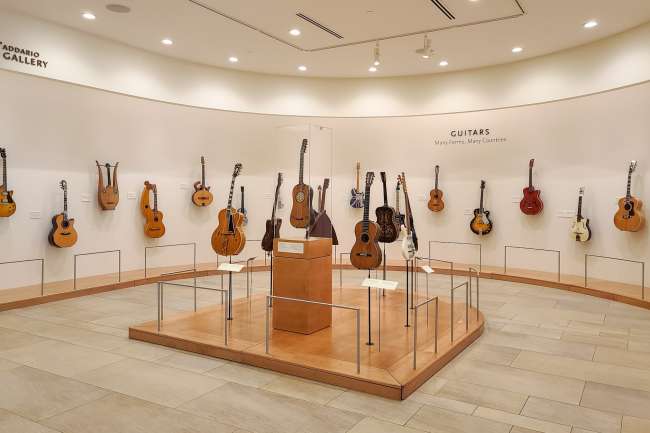
- String Instruments: Devices that produce sound through the vibration of strings. Notable examples include the violin, guitar, cello, and harp. The tension, length, and material of the string can be adjusted to create varying pitches and tones.
- Woodwind Instruments: Typically made from wood or metals, these instruments produce sound through the manipulation of air flow. Examples include flutes, clarinets, oboes, and saxophones. Their design allows for a wide range of dynamic expression.
- Brass Instruments: Known for their bright, powerful sounds, these instruments operate through lip vibration against a mouthpiece and the use of valves or slides. Trumpets, trombones, and tubas are common representatives of this category.
- Percussion Instruments: These instruments generate sound from being struck, shaken, or scraped. Drums, cymbals, and marimbas fall into this category. They play a fundamental role in maintaining rhythm and contributing to the overall texture of a musical piece.
- Keyboard Instruments: Instruments that produce sound by pressing keys, which then strike strings or trigger electronic signals. The piano and electronic keyboards are iconic examples.
- Electronic Instruments: Incorporating modern electronics, these instruments generate or modify sound through digital technology. Synthesizers and electronic drum kits allow for creative sound manipulation beyond traditional acoustic methods.
Scientific and Measurement Instruments
In scientific applications, instruments are essential for measuring, observing, and controlling variables in experiments and engineering projects. These devices are designed to capture data with high precision and reliability, often making the difference between a successful experiment and inconclusive results.
Examples and Applications
Scientific instruments range widely in complexity and function:
- Measuring Devices: Instruments like thermometers, barometers, and calipers measure temperature, atmospheric pressure, or dimensions with exactness. Their readings are integral to both scientific experimentation and everyday uses.
- Recording Instruments: Devices such as data loggers, oscilloscopes, and seismographs capture and record environmental or mechanical phenomena, allowing scientists and engineers to analyze behavior over time.
- Control Instruments: These include devices used to manage and maintain system parameters, such as flight instruments in an aircraft. Their precise monitoring ensures safety and efficiency in critical applications.
The accuracy and reliability of these instruments have evolved alongside advancements in technology. Modern instruments often incorporate digital components, enabling integration with automated systems and real-time data analysis.
Medical Instruments
In the medical field, instruments are designed for diagnostic, therapeutic, and surgical purposes. The evolution of these tools has directly contributed to advances in patient care and the success of complex procedures.
Categories and Roles in Healthcare
Medical instruments range from simple hand-held devices to complex machinery:
- Diagnostic Instruments: Devices such as stethoscopes, otoscopes, and blood pressure monitors are used to assess a patient’s condition by measuring vital functions and detecting abnormalities.
- Surgical Instruments: Tools like scalpels, forceps, and retractors that are specifically designed for surgical procedures. They are engineered with precision to perform delicate operations safely and efficiently.
- Therapeutic Instruments: Instruments used for treatments, such as infusion pumps, defibrillators, and imaging devices like MRI or CT scanners. These tools help in both diagnosing and treating diseases effectively.
The design and production of medical instruments are governed by strict standards and regulations to ensure their safety, precision, and reliability in clinical environments. Their continual refinement supports the ongoing advancement of healthcare.
Financial and Legal Instruments
In finance and law, the term "instrument" takes on a markedly different meaning. Instead of referring to tangible devices, it denotes formal documents that convey rights, obligations, or financial interests.
Types and Functions
Financial and legal instruments serve as essential tools in the administration of economic and contractual relationships:
- Financial Instruments: These include stocks, bonds, derivatives, and similar contracts that represent monetary value and ownership. They form the basis of transactions in global markets, enabling investment, risk management, and capital flow.
- Legal Instruments: Formal written documents, such as contracts, deeds, wills, and settlement agreements. They are legally binding, ensuring the adherence to agreed-upon terms and providing a mechanism for conflict resolution.
The precision of language and formality of structure in these instruments is paramount because they serve as the legal foundation for transactions and property rights. Their enforceability is ensured through rigorous legal standards and regulations.
General Tools and Professional Instruments
Beyond the specialized categories, the term "instrument" can also refer to any tool or implement used for performing a particular function. In various professional fields—ranging from carpentry to fine arts—certain instruments are pivotal in enabling professionals to execute tasks with accuracy and efficiency.
Examples in Various Professions
Consider the following illustrative examples:
- Construction Tools: Hammers, saws, and other implements are indispensable for building structures. These instruments are chosen for their durability and precision in construction tasks.
- Artistic Tools: Brushes, chisels, and sculpting tools are curated for the distinctive needs of artists. Their ergonomics and response characteristics can deeply influence the outcome of creative work.
- Precision Instruments: In engineering and manufacturing, instruments such as micrometers, laser cutters, and coordinate measuring machines (CMMs) ensure that products are fabricated to exact specifications.
In each case, the instrument is designed with the aim of optimizing performance and accuracy. The evolution of these tools over time reflects improvements in both design principles and material science.
Comparative Summary Table
The table below provides a comprehensive overview of the different types of instruments, along with their primary applications and notable examples:
| Category | Description | Examples | Field |
|---|---|---|---|
| Musical Instruments | Devices designed for musical performance, producing sound either acoustically or electronically. | Guitar, Piano, Drum, Violin | Music |
| Scientific Instruments | Tools used to measure, record, and analyze physical parameters with high precision. | Thermometers, Oscilloscopes, Seismographs | Science & Engineering |
| Medical Instruments | Specialized devices used for diagnosis, treatment, and surgery in healthcare. | Scalpels, Stethoscopes, MRI machines | Healthcare |
| Financial/Legal Instruments | Formal documents representing contractual obligations or financial interests. | Contracts, Bonds, Deeds | Law & Finance |
| General Tools | Implements used in everyday professional tasks to enhance precision and efficiency. | Hammers, Brushes, Micrometers | Various |
Historical and Contemporary Perspectives
The evolution of instruments reflects an intertwining of art, science, and human ingenuity. Historically, early civilizations crafted rudimentary instruments from natural materials, which paved the way for the sophisticated devices we use today. Musical instruments, for instance, originated from basic forms like drums and flutes, which evolved into intricately designed string and wind instruments with refined acoustics.
In the sphere of scientific innovation, the advancement of instruments has been paramount. Early measuring devices have given way to digital and automated instruments that provide unprecedented levels of accuracy. Today’s scientific instruments, enhanced by computerized systems, allow for real-time data processing and have become integral to research in fields such as physics, chemistry, and environmental science.
Similarly, in the medical field, the transition from manual to digital and robotic instruments has revolutionized patient care. The precision and reliability of missions like minimally invasive surgeries have been significantly bolstered by these technological advancements, ensuring better outcomes and faster recovery times.
Innovations and Future Directions in Instrument Design
As technology continues to evolve, so too do instruments across all fields. The future promises further integration of digital technology and artificial intelligence, leading to smarter, more adaptable instruments. In music, for example, electronic instruments are increasingly capable of mimicking acoustic properties, offering musicians innovative ways to create and perform.
In scientific and medical fields, the drive toward automation and miniaturization is reshaping instrument design. Portable, high-precision devices are on the rise, expanding the reach of scientific inquiry and healthcare delivery to remote and underserved regions. Innovations in materials science are also paving the way for instruments that are more durable, reliable, and environmentally sustainable.
Challenges and Opportunities
Despite the immense potential, challenges such as ensuring data security, maintaining accuracy under extreme conditions, and adhering to strict regulatory standards persist. However, ongoing research and development continue to address these challenges, setting the stage for instruments that are more efficient and even more integrated into the fabric of our daily lives.
Interdisciplinary Interactions
One of the more fascinating aspects of instruments is their role in bridging disciplines. The advancement of instruments in one field often spurs innovation in another. For instance, technology developed for astronomical telescopes may find applications in medical imaging. Similarly, the design principles behind musical instruments have influenced the ergonomics and aesthetics of everyday tools.
These interdisciplinary interactions not only drive innovation but also facilitate a broader understanding of complex phenomena. By drawing upon principles from various fields—be it acoustics, mechanics, or digital technology—instrument designers can create tools that are both highly specialized and adaptable across different contexts.
References
For readers interested in exploring more about instruments in their various forms, the following references provide detailed information and context:
- Instrument - Wikipedia - Wikipedia
- Instrument Definition - Merriam-Webster - Merriam-Webster
- Instrument - Cambridge Dictionary - Cambridge University Press
-
Instrument - The Free Dictionary - Farlex
- Instrument - Vocabulary.com - Vocabulary.com
Recommended Further Exploration
To delve deeper into the subject of instruments, consider exploring these related queries:
Last updated March 5, 2025