
Insurance and Driveway Repaving Coverage
Understanding When and How Your Policy May Help
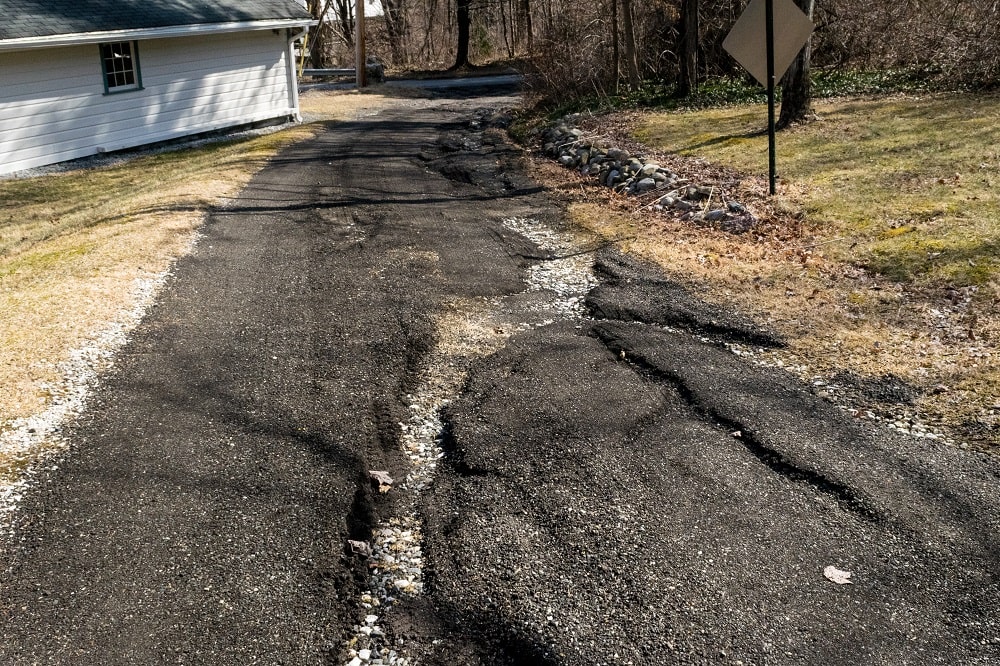
Key Highlights
- Covered Perils: Insurance policies often cover sudden, accidental damage to your driveway resulting from events like falling trees, storms, or fires.
- Policy Limitations: Normal wear and tear, gradual deterioration, or damage from non-covered perils such as floods and earthquakes typically aren’t covered.
- Policy Details Matter: Understanding the distinctions between replacement cost vs. actual cash value and the specific categorization (dwelling or other structures) of driveways is essential.
Overview of Driveway Coverage under Homeowner’s Insurance
Homeowner’s insurance is designed to provide financial relief in the event of unexpected damage to your property. Among other elements, it often extends coverage to exterior structures, such as driveways, which are generally classified either as part of the main dwelling property or as “other structures” on the premises. However, the degree of coverage—and whether it extends to repaving your driveway—hinges largely on the nature of the damage and the specific terms delineated in your policy.
What Is Covered?
Typically, homeowner’s insurance policies cover damage resulting from sudden and accidental events. This encompasses instances where an unexpected peril, such as severe weather or a falling tree, inflicts immediate damage to your driveway. For example, if a tree falls onto your driveway during a storm or a severe hurricane causes a significant crack or structural compromise, you could be eligible for repaving or repair costs under the terms of your policy – subject to the policy’s limits and your deductible.
These events, often termed “covered perils,” include:
- Falling trees or branches, especially during storms
- Damage caused by hurricanes, wind, or hail
- Accidental fire damage affecting the driveway area
Some policies incorporate driveways within broader coverage sections, such as the “dwelling” section or under “other structures.” When a claim is made, your insurance provider will typically assess the extent of the damage and determine whether it results from a sudden, unforeseen event.
What Is Not Covered?
While catastrophic events might prompt coverage, homeowners insurance policies usually exclude damage that emerges gradually or as a result of neglect. This encompasses:
- Normal wear and tear that naturally occurs as your driveway ages
- Deterioration or cracking stemming from soil settling and gradual earth movement
- Damage caused by poor maintenance or the long-term effects of weathering
- Localized issues not tied directly to an external sudden event, such as minor cracking or surface degradation
Additionally, standard policies typically exclude events like floods, earthquakes, or landslides unless you have purchased separate endorsements or additional coverage. Therefore, if your area is prone to these risks, understanding your policy limits and possibly augmenting your coverage is particularly important.
In-Depth Analysis: Policy Considerations and Coverage Nuances
Categorization of Driveways in Insurance Policies
In most homeowner’s insurance policies, the classification of the driveway is not always explicitly detailed as “driveway” alone. Instead, the driveway is typically included under one of two categories:
- Dwelling Coverage: This relates to the main structure of your home and may include attached structures. In certain cases, if the driveway is considered integral to the house, it might fall under this category.
- Other Structures: More commonly, driveways are classified as “other structures.” This can also include detached structures like garages, sheds, or decks. When damage occurs, the insurance payout will be calculated based on the percentage of the total insurance coverage allocated for these structures.
It is essential to scrutinize your insurance policy documentation to determine whether your coverage extends specifically to these “other structures” and to what extent. Knowing this detail can also help you factor in the cost of driveway repaving under the replacement cost calculation when assessing your property’s overall insurance needs.
Replacement Cost vs. Actual Cash Value
The manner in which repairs or replacements are reimbursed under a homeowner’s policy can significantly impact the financial aspect of repaving your driveway. Most policies utilize one of two methods:
- Replacement Cost: This method covers the cost of replacing the damaged property with new materials of similar kind and quality, without factoring in depreciation. If your driveway is damaged under conditions covered by your policy and you have replacement cost coverage, you will likely receive adequate funds to repave with similarly durable materials.
- Actual Cash Value (ACV): In contrast, policies that adhere to the ACV approach will assess the current depreciated value of your driveway. In this scenario, you might find that the payout is less than the total cost of a new repaved driveway, reflecting wear and tear over time.
The determination between these two valuation methods is a critical component of preparing for potential repairs. Homeowners should review their policies to ascertain which approach is employed, as this can affect both the timing and quality of the repairs or replacement.
Policy Endorsements and Additional Coverage Options
Given the inherent limitations in a standard homeowner’s insurance policy, many homeowners elect to enhance their coverage through endorsements or additional policies. Some common endorsements that can impact driveway coverage include:
- Earthquake Insurance: Because most standard policies exclude earthquake damage, adding a separate earthquake policy can provide coverage for driveway damage specifically caused by seismic activity.
- Flood Insurance: Likewise, flood damage to the driveway won’t typically be covered under a homeowner’s policy. Purchasing flood insurance is advisable if your home is in an area prone to such events.
These endorsements are crucial if your region experiences natural disasters or if your property's location is at high risk. Understanding both what is and is not included in your standard policy helps you decide if these additional measures are necessary.
Role of Maintenance and Preventative Measures
It is important to understand that even if your insurance policy potentially covers repaving costs, the insurer expects homeowners to undertake proper maintenance. Regular maintenance can prevent minor issues from evolving into major claims that might not be fully covered. For example, timely cleaning, sealing, and the resolution of small cracks can avert more severe problems that would require extensive repairs.
The careful upkeep of your driveway not only preserves its aesthetic appeal and safety but also supports your insurance claim should a covered event occur. Proper documentation, including photos of your driveway over time and receipts from maintenance services, can be beneficial if there is ever a dispute regarding the cause or extent of the damage.
Real-World Scenarios and Examples
Real-life examples abound illustrating the nuanced nature of driveway coverage. Consider these scenarios:
- Accidental Damage: A homeowner in Florida experienced severe damage to their driveway when a storm caused a large tree to uproot and crash onto the property. In this case, the damage was sudden and accidental, triggering coverage under the policy's “other structures” clause. The insurance company provided a settlement that covered the cost of repaving, minus any applicable deductibles.
- Gradual Deterioration: In another example, a homeowner in a temperate climate noticed progressively worsening cracks in their driveway over many years. Despite occasional snowfall and temperature fluctuations contributing to the deterioration, the damage was considered gradual. Here, the insurance policy deemed the damage as normal wear and tear; as a result, repaving costs were not covered.
- Weaponized Coverage Variations: There can also be instances where damage from a sudden event is coupled with underlying issues. Suppose a falling branch damages a driveway that already shows signs of significant aging. In such a situation, the payout might be reduced if the insurer factors in the depreciated condition of the driveway.
These case studies underscore the critical importance of understanding your policy’s specifics and its treatment of wear and tear. They also highlight the role of prompt and comprehensive communication with your insurer to ensure that the claimed damage falls within the ambit of “covered perils.”
Policy Review and Next Steps
Steps to Ensure Adequate Coverage
Homeowners should take proactive steps to ensure that their insurance coverage meets their needs, particularly regarding elements such as driveway repaving:
- Review Your Policy: Scrutinize your homeowner’s insurance policy for sections on "dwelling" and "other structures." Understand the coverage limits, exclusions, and whether the policy addresses replacement cost versus actual cash value conditions.
- Consult with Your Insurance Agent: Arrange a meeting or call with your insurance provider to discuss any questions about driveway coverage. Ask for clarifications on how gradual deterioration versus sudden damage is treated.
- Document Your Property: Maintain thorough records of maintenance activities and document the condition of your driveway. In case a claim is ever required, photographic evidence and maintenance logs can support your case.
- Consider Additional Coverage: If you live in an area susceptible to natural disasters not covered by your standard policy, explore endorsements like earthquake or flood insurance. In many cases, these endorsements can save you considerable expense in the event of damage.
Comparing Coverage Options: A Comprehensive Table
| Aspect | Covered | Not Covered |
|---|---|---|
| Sudden accidental damage (e.g., falling tree, storm damage) | Yes, under covered perils | N/A |
| Damage due to normal wear and tear | N/A | Typically not covered |
| Replacement cost vs. actual cash value | Replacement cost coverage reimburses full cost without depreciation | Actual cash value results in lower payout, factoring depreciation |
| Maintenance-related issues | N/A | Damage from neglect or poor upkeep is not covered |
| Natural disasters (floods, earthquakes) | May be covered with separate endorsements | Typically excluded in standard policies |
The table above encapsulates key considerations for homeowners when assessing whether their driveway repaving expenses could be covered under their insurance. It becomes clear that while sudden accidents often qualify, gradual or maintenance-related deterioration does not.
Additional Considerations and Expert Guidance
Impact of Local Climate and Usage
Beyond the strict regulatory guidelines of your insurance policy, local factors such as climate and usage conditions play a considerable role in deciding the frequency and mode of driveway maintenance. In areas where extreme weather conditions are a norm, the chance of your driveway suffering sudden damage is higher, thereby making it even more essential to ensure that your insurance policy covers such eventualities. Conversely, in regions with a mild climate, the damage might more likely be due to gradual wear, which affects coverage eligibility.
Similarly, for properties that experience heavy usage, regular wear could accelerate deterioration; however, remember that such wear, unless caused by a specific incident, generally falls outside the remit of insurance claims.
Understanding the Claim Process
If your driveway has suffered sudden, accidental damage and you are considering filing a claim, it is essential to understand the process:
- Immediate Documentation: Photograph and document the damage in detail. This evidence can be crucial during the claim assessment process.
- Contact Your Provider Promptly: Notifying your insurer as soon as possible is important. Adhere to any timelines stated in your policy.
- Professional Assessment: Insurance companies often send claim adjusters to verify the extent of damage. It is advisable to be present during this evaluation and provide all necessary documentation.
- Coverage Determination: Once the claim adjuster has assessed the damage, your provider will confirm whether the incident falls within the protections offered by the policy. You then receive either a full or partial payout based on the replacement cost or actual cash value basis.
Being well-prepared for the claim process helps ensure that you are not caught off guard and maximizes the likelihood of a fair settlement.
Expert Advice for Homeowners
Industry experts consistently recommend that homeowners periodically review their insurance policies and understand the nuances of their coverage. Engage with your insurance representative regularly, especially if you have made significant enhancements or repairs to your property. This understanding can prevent unexpected financial burdens should your driveway or other key structures incur damage.
Additionally, for those who are unclear on certain policy language—even after discussing with your agent—it might be worthwhile to consult with an independent insurance advisor. This extra measure could provide further clarity on whether your required coverage is sufficient or if additional endorsements should be considered.
Policy Recommendations and Practical Guidance
Optimizing Your Homeowner’s Insurance
To optimize your homeowner’s insurance in relation to driveway repaving:
- Conduct Regular Inspections: Schedule annual or bi-yearly inspections of your driveway. Early identification of small cracks or areas requiring maintenance can save you from larger, uninsurable damages in the future.
- Include Complete Replacement Costs: When evaluating the replacement cost of your property, ensure that the driveway—including potential repaving and grading—is accurately assessed. This practice guarantees that you are not underinsured in the event of a claim.
- Ask Detailed Questions: When renewing your policy or purchasing additional endorsements, inquire specifically about scenarios involving driveway damage. Understand the scenarios that would trigger coverage and the limitations therein.
- Maintain Records of Repairs: Keep a thorough record of all maintenance and repair activities. Receipts, maintenance logs, and historical photos can be critical in disputes over depreciated value or claims that contend pre-existing conditions.
Complementary Actions to Consider
Consider performing a risk assessment of your property. Factors such as proximity to trees, local weather conditions, and soil composition can all affect your driveway’s longevity. If you identify potential vulnerabilities, proactive improvements and supplemental insurance coverage can offer long-term peace of mind.
Additional Resources and Deeper Insights
Comparative Overview Table of Key Insurance Aspects
| Criteria | Details |
|---|---|
| Nature of Damage |
|
| Coverage Categories |
|
| Valuation Methods |
|
| Excluded Scenarios |
|
| Recommended Additional Coverages |
|
Final Thoughts
In summary, whether insurance covers driveway repaving centers on the precise circumstances behind the damage and the inherent details of your homeowner’s policy. Accidental, sudden damage like that from a storm or falling tree is typically covered, while progressive wear, neglect, or damage from excluded perils such as floods or earthquakes require additional coverage. The nuances—ranging from the type of coverage defined in your policy (dwelling vs. other structures) to how the payout is determined (replacement cost versus actual cash value)—are crucial in understanding your potential reimbursements.
As a homeowner, taking proactive steps by reviewing your policy, consulting with your insurer, and maintaining thorough records goes a long way in ensuring that in case of an incident, your financial responsibilities are minimized. Staying informed and understanding the specifics of your insurance not only increases confidence but also aids in making well-informed decisions regarding potential policy adjustments or endorsements.
References
- Does Homeowners Insurance Cover Driveway Replacement? - Insurance Curator
- Does Homeowners Insurance Cover Driveway Damage? - Clovered
- Does Home Insurance Cover Driveway Damage? - Progressive
- Does Homeowners Insurance Cover Driveway Damage? - Acceptance Insurance
- Will Home Insurance Help Cover A Cracked Driveway? - Tompkins Insurance
Recommended Additional Queries
Last updated March 15, 2025