
Chapter III: Integrated Enrollment and Entrance Exam Management System
An in-depth methodology for automating exam and enrollment processes
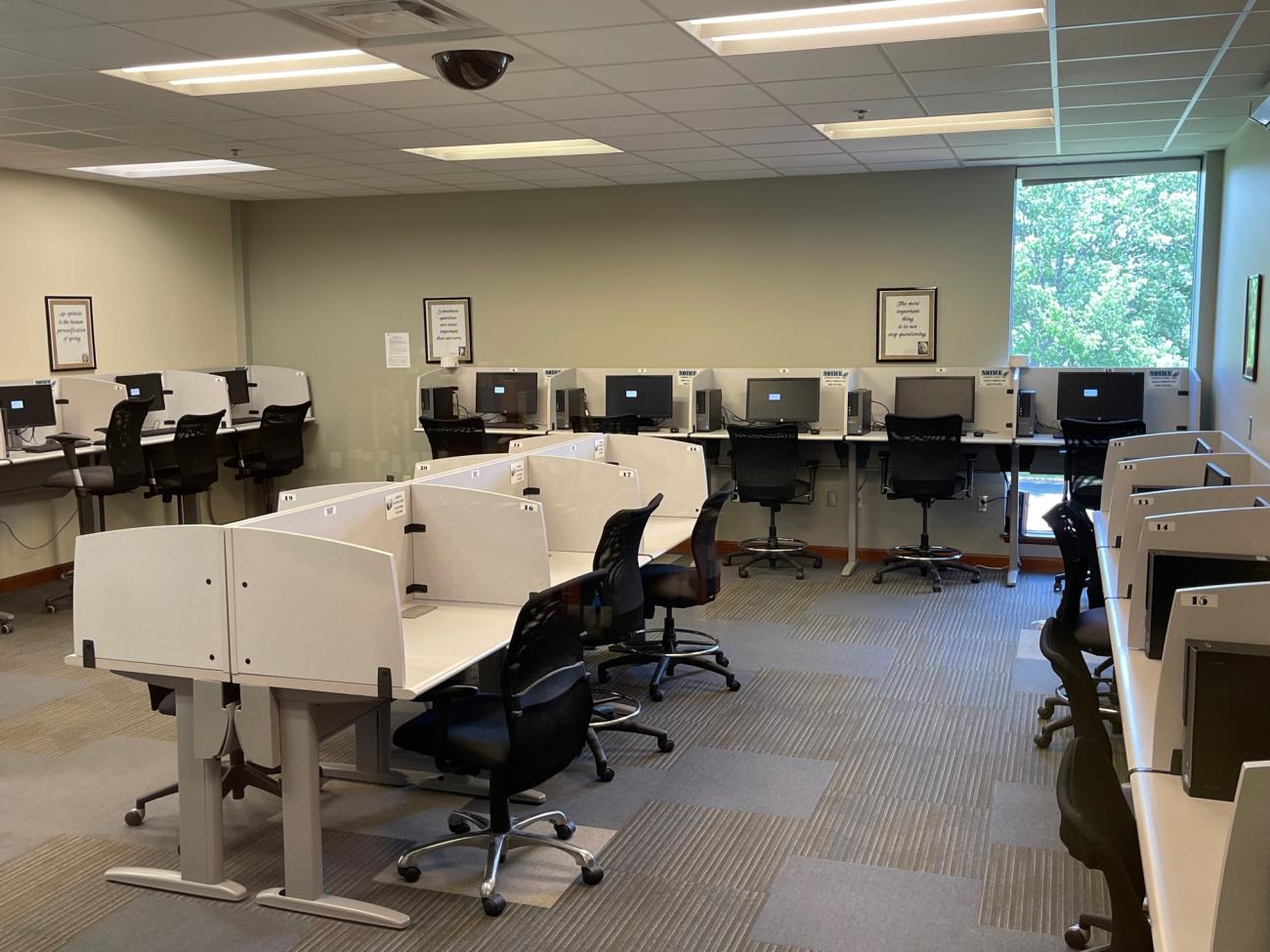
Highlights
- Automated Processes: Seamlessly integrate candidate registration, exam scheduling, test administration, result processing, and enrollment.
- Enhanced Security and Real-Time Access: Implement robust security features to prevent cheating and allow real-time data access for administrators and candidates.
- User Experience and System Efficiency: Deliver a web-based platform that improves user interface for both students and staff while streamlining back-end administrative tasks.
Methods and Research
Planning Phase
In the planning phase, the primary objective is to define the overall scope and identify key stakeholders involved in both the entrance exam and enrollment processes. Stakeholders include candidates, administrative staff, IT personnel, and academic faculty who have a vested interest in ensuring the system meets operational, security, and user experience requirements. In this phase, a detailed requirements analysis is performed to understand the functionalities desired: automating candidate registration, exam scheduling, test administration, and secure result processing alongside the student enrollment process including registration, course selection, and fee payment.
Activities during the planning phase consist of conducting initial feasibility studies, project scheduling, resource allocation, risk assessment, and setting definitive milestones that drive the automated processes forward. The consolidated objectives include reducing manual work, eliminating bottlenecks in processing, and ensuring that future system scalability is addressed.
Analysis Phase
The analysis phase focuses on gathering comprehensive data regarding existing systems and understanding their current limitations. At this stage, a diagnostic assessment of the manual enrollment and entrance exam processes is conducted. Interviews and surveys with administrators, exam coordinators, and candidates reveal key pain points including manual candidate registration steps, inconsistent exam scheduling, and the high administrative workload induced by paper-based processes.
Furthermore, through careful observation of the entire operational workflow, inefficiencies such as delays in test administration and result processing are identified. Documentation of existing procedures highlights the absence of robust security measures, which are critical for maintaining the integrity of exams. Data from direct observation and structured interviews identifies areas requiring automation to streamline candidate verification and reduce potential errors introduced by manual interventions.
Design Phase
The design phase involves translating the requirements and analysis outcomes into a comprehensive system architecture. The system is divided into two main modules: the Entrance Exam Module and the Enrollment Module.
Entrance Exam Module
This module is designed to automate the complete lifecycle of the entrance exam process. It includes:
- Creation of a secure candidate registration portal that authenticates users through a robust login system.
- An intelligent scheduling system that aligns exam dates with candidate availability and manages capacity constraints.
- A test administration component that utilizes secure, proctoring-enabled interfaces to mitigate risks of cheating and unauthorized access.
- Automated result processing which calculates scores and provides real-time notifications both to candidates and to system administrators.
Enrollment Module
The enrollment module is engineered to automate the student registration process. This includes:
- A streamlined online registration form that collects detailed candidate information required for enrollment.
- An interactive course selection interface that allows students to choose from a range of program options according to their prerequisites.
- Integration with secure fee payment systems which provide instantaneous transaction verification and processing.
- Real-time updates and dashboards to help administrators monitor enrollment trends and student profiles efficiently.
Implementation Phase
During the implementation phase, the design specifications are turned into executable code. This phase involves:
- Development using contemporary web technologies and agile methodologies to ensure adaptability and rapid iteration.
- Rigorous testing of the system modules through both simulated scenarios and live pilot testing to verify reliability, security, and performance.
- Deployment strategies that gradually roll out the system to target groups, enabling seamless transition from traditional manual processes to a fully automated platform without discontinuity in service.
- Comprehensive training sessions for administrators and other stakeholders to ensure a smooth adaptation to the new system and to minimize disruptions during the transition period.
Data Gathering Techniques
Several data gathering techniques are employed to ensure that the system is designed effectively. The following methods help in collecting reliable and actionable data:
Documentation Review
Existing records and past enrollment data are scrutinized to understand the deficiencies of the current system. This includes reviewing academic policy documents and archived exam procedures, which provide insight into longstanding operational challenges.
Interviews
Structured interviews are conducted with key stakeholders, such as academic and administrative staff, IT department personnel, and exam coordinators. These interviews yield critical details regarding the inefficiencies of current manual processes and help determine functional prerequisites for the proposed system.
Surveys and Questionnaires
Surveys are distributed among student bodies and staff to gather quantitative and qualitative data. The feedback highlights expectations on system improvements, including the need for real-time exam result processing and a user-friendly interface for enrollment.
Observations
Field observations are conducted in settings where the current systems are utilized. This method is effective in identifying practical, day-to-day inefficiencies and bottlenecks in the manual processes. It provides a realistic perspective of the challenges faced by candidates and administrators during exam administration.
Facts and Details
Analysis of the existing processes has established several critical facts:
- The manual nature of candidate registration results in data entry errors and delays.
- Scheduling exams manually increases both the administrative overhead and the potential for conflicts and overlaps in exam timings.
- Lack of automated security measures makes the system vulnerable to cheating and unauthorized access during exam administration.
- Real-time data unavailability affects the ability of administrators to register immediate changes in exam results and student records.
- Manual processing in student enrollment contributes to inefficiencies regarding course selection and fee payment verification, thereby delaying academic processes.
- A decentralized approach in managing data for exam results and enrollment hampers timely decision-making by relevant stakeholders.
The Existing System
The existing system primarily relies on manual processes and fragmented digital tools. These processes include paper-based candidate registration for entrance exams and separate, non-integrated enrollment procedures. Significant challenges include:
- Manual handling of candidate data leading to frequent entry errors and duplicated records.
- The absence of a centralized database requires re-entry of data in multiple systems, causing inefficiency and higher risk of inconsistencies.
- Manual exam scheduling often results in overlapping exam timings and logistical errors.
- Paper-based test administration and grading delays final result reporting, which affects academic planning.
- The enrollment process involves physical document submissions and manual fee reconciliation, which increases processing times considerably.
- The lack of real-time connectivity between candidates and administrators undermines the ability to promptly address issues as they arise during both exam and enrollment periods.
Operational Flow Chart for the Existing System
The operational flow for the current manual system follows a linear path marked by several inefficiencies. The process can be summarized in the following chart:
| Step No. | Process | Description |
|---|---|---|
| 1 | Inquiry & Registration | Submission of paper-based inquiries followed by manual registration |
| 2 | Data Entry | Manual input of candidate details into spreadsheets or isolated databases |
| 3 | Exam Scheduling | Physical scheduling and allocation of exam slots without automated conflict resolution |
| 4 | Test Administration | Paper-based exams conducted in exam halls with no digital monitoring |
| 5 | Result Processing | Manual grading and delayed result communication |
| 6 | Enrollment | Manual registration for courses with offline fee submissions |
The Proposed System
The proposed Integrated Enrollment and Entrance Exam Management System is designed to overcome the deficiencies of the existing manual process by integrating automation, real-time updates, and enhanced security into one unified platform. The key improvements include:
- Automated Candidate Registration and Scheduling: A web-based portal that automatically registers candidates, verifies information, and assigns exam slots based on algorithmic optimization.
- Secure Exam Administration: Implementation of security protocols such as secure logins, biometric authentication options, and AI-powered proctoring that prevents cheating and unauthorized access during exams.
- Real-Time Data Access and Communication: Both administrators and candidates gain immediate access to exam information and results through real-time dashboards and notifications.
- Streamlined Enrollment Process: A unified system that automates student registration, supports dynamic course selection, and integrates secure fee payment gateways, thus reducing administrative burdens and errors.
- Centralized Data Management: A consolidated database that maintains candidate details, exam scores, course selections, and payment information to drive timely decision-making and trend analysis.
Data Flow Diagram (DFD)
The data flow for the proposed system can be visualized through a straightforward diagram illustrating inputs, processes, and outputs. Here is an overview of the key flows:
- User Input: Candidate details, exam registration data, enrollment application, and fee payment information.
- Processing Modules:
- Registration Module – Validates candidate identity and inputs.
- Exam Administration Module – Allocates schedules, conducts secure tests, and processes results.
- Enrollment Module – Validates course preferences, processes fee payments, and confirms registrations.
- Outputs: Real-time exam results, enrollment statuses, course schedules, and comprehensive reports accessible to administrators.
The dynamic nature of this diagram ensures minimal delays in data handling and rapid dissemination of information throughout the system’s modules.
IPO (Input-Process-Output)
The IPO model explicitly defines the operations performed by each module in the system:
Entrance Exam Module
Input: Candidate registration information, exam scheduling details, test scripts.
Process: Validate candidate credentials, schedule exam sessions, administer secure online tests, and process exam performance using automated grading algorithms.
Output: Exam results, digital transcripts, and real-time performance notifications.
Enrollment Module
Input: Student application data, course selection inputs, financial transaction details.
Process: Validate completeness of application, facilitate course assignment based on prerequisites, process fee payments with secure gateways, and generate enrollment confirmations.
Output: Enrollment confirmations, course schedules, fee receipts, and updated records for academic planning.
Entity Relationship Diagram (ERD)
The ERD is designed to map the relationships among the various entities in the system. Core entities include:
- Candidate/Student: Holds registration information and personal details.
- Exam: Stores exam-related details including schedules, questions, and results.
- Enrollment: Contains student course selections, registration statuses, and fee payment records.
- Administrator: Manages system controls, monitors exam processes, and oversees enrollment operations.
- Course: Represents the academic offerings available for enrollment.
The relationships among these entities are typically as follows:
- A candidate can register for multiple exams.
- The enrollment process links one candidate to multiple courses.
- Administrators have supervisory relationships to both exam and enrollment data for real-time management.
An example of table relationships is provided below:
| Entity | Attributes | Relationships |
|---|---|---|
| Candidate/Student | ID, Name, Email, Registration Date | Registers for Exams, Enrolls in Courses |
| Exam | ExamID, Name, Date, Score Criteria | Linked to Candidates via Exam Records |
| Enrollment | EnrollmentID, CandidateID, CourseID, Fee Status | Links Candidate with a Course |
| Course | CourseID, Title, Description, Credits | Associated with Enrollment |
| Administrator | AdminID, Name, Role, Contact | Manages Exams and Enrollments |
Conclusion
In conclusion, the development of an Integrated Enrollment and Entrance Exam Management System encapsulates a systematic and comprehensive approach that spans planning, analysis, design, and implementation phases. This chapter not only highlights the need for an automated system to address inefficiencies in manual processes but also details methodology enhancements including data gathering techniques like documentation review, interviews, surveys, and observations.
The system is designed to securely and efficiently automate candidate registration, exam scheduling, test administration, result processing, and the student enrollment procedure, thereby transforming current practices into a streamlined, web-based platform. The Introduction of robust security protocols minimizes the risk of cheating while ensuring that candidates and administrators enjoy real-time access to vital data. In addition, the proposed system’s architecture, showcased through detailed diagrams such as the Operational Flow Chart, Data Flow Diagram, IPO Model, and Entity Relationship Diagram, demonstrates a deep integration of various processes that lead to enhanced administrative control and improved user experience.
Overall, the implementation of this system is poised to deliver substantial improvements in efficiency, reliability, and accessibility for educational institutions. It not only mitigates the traditional challenges associated with manual processes but also lays down a scalable framework that adapts to future technological advancements.
References
- Improvement of College Entrance Examination Enrollment System - ResearchGate
- NEUST iOES: A Pandemic-driven Integrated Online Enrolment System - ResearchGate
- Online Integrated Enrollment System - Scribd
- Implementation of an Online Enrolment System for Higher Education Institution - IJRASet
- Enrollment System Documentation - Studocu
Recommended
Last updated February 20, 2025