
Unlocking Deeper Reflection: Advanced Techniques for Intensifying Cornertime
Exploring methods to enhance the impact and challenge of reflective corner periods.
Cornertime, a practice involving a period of isolation in a designated corner, is often utilized in various contexts such as domestic discipline, BDSM dynamics, roleplay, or self-conditioning for reflection and behavioral reinforcement. The goal of making cornertime "more difficult" is typically to deepen its impact, encourage more profound introspection, or increase the perceived consequence of certain actions. This exploration details various strategies, drawn from diverse perspectives, to modify the intensity of this practice. It is essential to approach any such modifications with careful consideration for safety, consent, and the emotional well-being of all involved.
Key Highlights for Modifying Cornertime
- Physical Engagement: Incorporating specific postures or physical requirements can transform cornertime from a passive wait into an active endurance challenge.
- Psychological Amplification: Elements that increase focus, reduce distractions, or introduce aspects of humility can significantly alter the experience.
- Structured Intensification: Systematically adjusting duration, frequency, and integration with other tasks or consequences can create a more demanding regimen.
Methods to Enhance Cornertime Difficulty
Increasing the challenge of cornertime can be approached through several avenues, each targeting different aspects of the experience. These methods often aim to minimize comfort, maximize focus on the purpose of the cornertime, and extend the reflective period's impact.
1. Adjusting Physical Demands
Introducing physical challenges can make cornertime significantly more demanding, requiring focus and endurance. These methods shift the experience from simple standing to a more active form of consequence.

A visual representation of cornertime, often used for reflection.
Challenging Postures
Instead of simply standing, specific postures can be required:
- Arm Positions: Holding hands on the head, behind the back, or extended outwards.
- Balance Requirements: Standing on one foot, on tiptoes, or with feet very close together or crossed.
- Kneeling: Some contexts suggest kneeling, which can become uncomfortable over time.
- Facing Inwards: Consistently facing directly into the corner, sometimes with the nose nearly touching the wall, to minimize external stimuli and emphasize focus.
Restricting Movement
Enforcing stillness is a common way to increase difficulty. This can include prohibitions against fidgeting, shifting weight excessively, or leaning against walls for support.
Uncomfortable Surfaces (with extreme caution)
Some sources mention standing on mildly uncomfortable surfaces (e.g., textured mats). However, any method that risks injury, such as sharp objects, must be strictly avoided. Safety and the avoidance of physical harm are paramount.
2. Modifying Duration and Timing
The length and predictability of cornertime are fundamental levers for adjusting its difficulty.
Extended Duration
Simply increasing the time spent in the corner is a direct way to make it more challenging. Durations can range from minutes to an hour or more, depending on the context and infraction. Timers can be used to enforce this precisely.
Variable or Unpredictable Timing
Not knowing the exact end time can add a psychological challenge. The duration might be determined by the person administering the cornertime, potentially extending it if behavior during the cornertime is not as expected.
Increased Frequency
Utilizing cornertime more often, even for minor infractions, can make it a more constant and impactful presence.
3. Incorporating Sensory and Psychological Elements
Altering sensory input and adding psychological layers can profoundly change the cornertime experience.
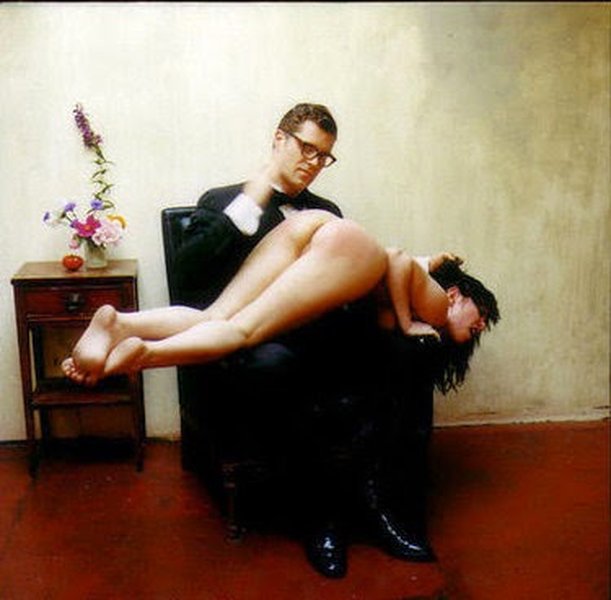
Increased visibility or exposure can be a psychological component in some contexts.
Sensory Deprivation or Alteration
- Visual Restriction: Using a blindfold, a dunce cap, or a simple paper bag (with necessary air holes) over the head can limit vision, increasing feelings of isolation or vulnerability.
- Auditory Control: Earplugs or white noise through headphones can minimize distractions and enhance focus on internal reflection.
- Speech Restriction: Mandating silence, with consequences for speaking or making unnecessary noise.
Elements of Humiliation or Humility
In some adult consensual contexts, elements designed to be humbling or embarrassing are introduced:
- Symbolic Attire/Props: Items like dunce caps or pacifiers may be used, particularly if the behavior leading to cornertime is deemed childish. A message explaining the reason for the punishment might be displayed (e.g., written on a bag).
- Visible Placement: Positioning the individual where they might be (discreetly and appropriately) seen by others within a private setting.
- Exposure of Consequences: In scenarios involving prior physical discipline (like spanking), the individual might be positioned so that the "freshly-spanked bottom is on display," serving as a visible reminder. This is specific to certain domestic discipline or BDSM contexts.
Removing Distractions and Comforts
Ensuring the individual cannot access phones, books, or other forms of entertainment is crucial. Some approaches also restrict comforts like shoes or outerwear to emphasize austerity.
4. Adding Tasks and Responsibilities
Combining cornertime with other duties or reflective tasks can enhance its impact.
Reflective Assignments
- Written Tasks: Requiring the writing of lines, essays about the misbehavior, apologies, or affirmations related to desired behavior.
- Verbal Reflection: Upon completion, the individual may need to articulate what they reflected on and what they learned.
Additional Chores
Assigning extra chores or tasks either before or immediately after cornertime can compound the consequences.
5. Integration with Other Disciplinary Measures
Cornertime is often not a standalone measure but part of a broader disciplinary approach.
Sequential Discipline
Cornertime may follow other forms of discipline, such as a spanking. The subsequent quiet reflection time is intended to allow the shame and regret to "sink in." Conversely, cornertime might precede other measures as a period of contemplation.
Strict Enforcement
The seriousness of cornertime is reinforced by strict enforcement. This includes clearly defined rules, consequences for non-compliance (e.g., restarting the time, additional penalties), and potentially being physically escorted or returned to the corner if attempts are made to leave early or if behavior is disrespectful.
Visualizing Cornertime Intensification Factors
The following chart illustrates hypothetical ratings for various methods of intensifying cornertime, considering factors like physical demand, mental focus required, potential emotional impact, depth of reflection encouraged, and overall perceived severity. These are subjective interpretations for illustrative purposes.
This radar chart helps to visualize how different intensification methods might compare across various dimensions of impact. For example, 'Challenging Postures' scores high on 'Physical Demand', while 'Written Reflection Tasks' score high on 'Mental Focus' and 'Reflective Depth'.
Conceptual Mindmap of Cornertime Intensification
This mindmap provides a hierarchical overview of the strategies discussed for making cornertime more challenging, branching from the core concept into various categories of methods and specific techniques.
(e.g., on tiptoes, arms up)"] id1b["Movement Restriction
(e.g., strict stillness)"] id1c["Kneeling"] id2["Duration & Timing"] id2a["Extended Duration
(e.g., 10+ minutes to an hour)"] id2b["Variable/Unpredictable Timing"] id2c["Increased Frequency"] id3["Sensory & Psychological Elements"] id3a["Sensory Deprivation
(e.g., blindfold, earplugs)"] id3b["Humiliation/Humility
(e.g., dunce cap, public visibility - private setting)"] id3c["Removing Distractions
(e.g., no phone, no books)"] id3d["Exposure of Consequences
(Context-specific, e.g., visible marks from prior discipline)"] id4["Added Tasks & Responsibilities"] id4a["Reflective Assignments
(e.g., writing lines, essays)"] id4b["Additional Chores"] id5["Integration & Enforcement"] id5a["Sequential Discipline
(e.g., post-spanking reflection)"] id5b["Strict Enforcement
(e.g., no leaving early, physical guidance back)"] id6["Important Considerations"] id6a["Consent & Safety First"] id6b["Context Appropriateness
(DD, BDSM, Self-Discipline)"] id6c["Purpose: Reflection & Growth"] id6d["Aftercare (if applicable)"]
The mindmap visually organizes the multifaceted approaches to intensifying cornertime, highlighting the main categories and specific examples within each.
Summary Table of Intensification Techniques
The following table summarizes some common techniques, their descriptions, and their primary intended impact when aiming to make cornertime more difficult.
| Technique Category | Specific Method | Description | Primary Intended Impact |
|---|---|---|---|
| Physical Demands | Hands on Head/Behind Back | Maintaining a specific, often uncomfortable, arm position. | Physical strain, increased difficulty maintaining stillness. |
| Physical Demands | Standing on Tiptoes | Requiring balance on the balls of the feet. | Significant physical discomfort, focus on posture. |
| Duration & Timing | Extended Duration (e.g., >30 mins) | Increasing the overall time spent in the corner. | Endurance challenge, prolonged reflection. |
| Sensory/Psychological | Blindfold or Head Covering | Restricting vision. | Sensory deprivation, increased introspection, potential vulnerability. |
| Sensory/Psychological | Use of Humiliating Props (context-specific) | Requiring the wearing of items like a dunce cap or pacifier. | Emotional impact, humility, discourages repetition of behavior. |
| Added Tasks | Writing Lines/Essay | Requiring written reflection on the misbehavior. | Cognitive engagement, reinforcement of lessons. |
| Enforcement | No Distractions | Ensuring no access to entertainment or external stimuli. | Focus solely on reflection and the consequence. |
| Integration | Post-Spanking Cornertime | Using cornertime immediately after corporal punishment. | Allows shame/regret to process, enhances reflection on the physical consequence. |
Contextual Understanding: Cornertime in Practice
The video below offers a glimpse into one interpretation of "cornertime," specifically within an ASMR (Autonomous Sensory Meridian Response) context focusing on themes of discipline and scolding. While stylized, it demonstrates the concept of being directed to a corner for a period of reflection under strict instruction. This illustrates how the core idea of cornertime can be adapted into various formats and for different purposes, often emphasizing authority and compliance.
This particular video, "ASMR 20 Minute Corner Time Strict Scolding and Discipline," showcases a scenario where cornertime is framed as a direct consequence involving verbal reprimand and enforced stillness. It highlights the elements of duration, specific instructions (hands behind head), and the psychological aspect of being "scolded" while in a vulnerable position. Such portrayals, common in certain online communities, reflect how the fundamental concept of cornertime can be intensified through authoritative direction and focused psychological pressure.
Frequently Asked Questions (FAQ)
What is the primary purpose of making cornertime more difficult?
The primary purpose is generally to enhance its effectiveness as a tool for reflection, self-discipline, or behavior modification. By increasing the challenge, whether physical or psychological, the experience aims to become more memorable and impactful, thereby encouraging deeper introspection about the reasons for the cornertime and promoting a stronger commitment to desired behaviors. It can also serve to emphasize the seriousness of a transgression within certain disciplinary frameworks.
Are there safety considerations when increasing the difficulty?
Absolutely. Safety is paramount. Any method used to increase difficulty must not pose a risk of physical injury or undue emotional distress. This means avoiding extreme physical strains, dangerous objects, or prolonged deprivation that could harm health. Clear communication, consent (especially in adult dynamics), and agreed-upon boundaries are crucial. The goal is constructive challenge, not harm.
How does context (e.g., BDSM, domestic discipline, self-discipline) affect the methods used?
The context heavily influences the methods. In BDSM or consensual domestic discipline, methods might involve more intense psychological elements, role-play aspects, or agreed-upon physical discomforts that are part of the dynamic. For self-discipline, the focus might be more on mental endurance and reflection without external enforcement. Methods appropriate for one context may be entirely inappropriate for another. All applications in relational contexts rely on explicit consent and established rules.
Is 'aftercare' important when implementing more difficult cornertime?
Yes, particularly in BDSM, domestic discipline, or other relational contexts where cornertime is used as a form of discipline or intensive roleplay. Aftercare involves emotional support, reassurance, and reconnection after an intense experience. It helps process emotions, reinforces care within the dynamic, and ensures the well-being of the individual who underwent the cornertime. This step is crucial for maintaining a healthy and respectful dynamic.
Recommended Further Exploration
- What are the psychological principles behind timeout and reflective punishment techniques?
- How to establish effective and consensual disciplinary rules in adult relationships?
- What are the differences between punitive measures and constructive discipline for behavior modification?
- Explore the role of aftercare in BDSM and domestic discipline dynamics.
References
 christiandomesticdisciplinelife.wordpress.com
 listfulofhorrors.wordpress.com
 cornertimeconfidential.wordpress.com
Last updated May 15, 2025