
Interactive Distribution: A Comprehensive Overview
Exploring the Multifaceted Nature of Interactive Distribution Across Various Domains
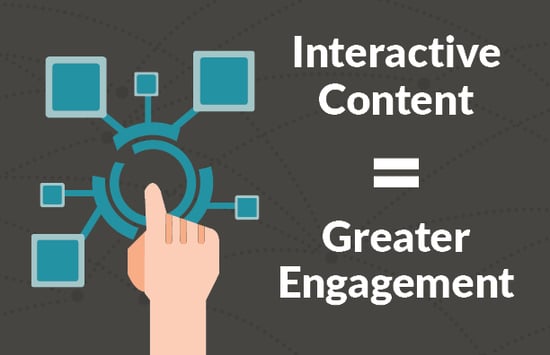
Key Takeaways
- Enhanced User Engagement: Interactive distribution strategies significantly boost user involvement and content retention.
- Diverse Applications: Interactive distribution spans multiple fields, including marketing, data visualization, computer graphics, and technical simulations.
- Improved Distribution Effectiveness: Utilizing interactive elements leads to increased shareability and reach of distributed content.
Definition and Contexts
1. Marketing and Content Distribution
In the realm of marketing, interactive distribution refers to the strategic dissemination of content in a manner that actively engages the audience. Unlike traditional static content, interactive distribution encourages user participation, fostering a more engaging and memorable experience. This approach not only captures attention but also facilitates deeper connections between the content and the audience.
Interactive Infographics
Interactive infographics are dynamic visual representations of information that allow users to interact with the data. By enabling actions such as clicking, hovering, or filtering, these infographics make data exploration intuitive and engaging. For example, an interactive weather infographic might let users select different regions or time periods to view specific data sets, enhancing both usability and understanding.
Interactive Content
Interactive content encompasses a wide range of media that requires active user participation. This includes quizzes that adapt based on user responses, surveys that collect and display results in real-time, polls that gauge audience opinions, and interactive videos that allow users to choose different narrative paths. Such content personalization not only makes the experience more relevant to the user but also increases the likelihood of content sharing across social platforms.
Interactive Games and Adventures
Embedding games or adventure-style content within websites serves as an effective tool for driving engagement. These interactive elements can transform passive viewers into active participants, leading to prolonged interaction times. For instance, a brand might incorporate a small game that educates users about their products while entertaining them, thereby seamlessly blending information dissemination with entertainment.
2. Technical and Digital Distribution
From a technical standpoint, interactive distribution involves systems and platforms designed to facilitate two-way communication between content providers and users. This interactivity allows users to influence how content is received and experienced, leading to a more tailored and dynamic distribution process.
Content Delivery Systems
Modern content delivery networks (CDNs) and platforms enable users to interact with the content delivery process. Features like adjustable playback speeds in streaming services, personalized content recommendations, and interactive user interfaces allow for a more customized experience. These systems utilize user data and preferences to optimize content delivery, ensuring that users receive the most relevant and engaging material.
Interactive Video Distribution Systems
Interactive video distribution systems allow users to engage with video content in meaningful ways. This can include selecting different camera angles, choosing narrative outcomes, or interacting with on-screen elements that provide additional information. Such interactivity transforms passive viewing into an active experience, enhancing both engagement and retention of the video content's message.
3. Statistical and Data Visualization
In the fields of data science and statistics, interactive distribution plays a crucial role in how data is visualized and analyzed. Interactive data visualizations enable users to manipulate data parameters in real-time, facilitating deeper insights and more nuanced understanding.
Dynamic Data Visualization Tools
Tools like Plotly, D3.js, and Tableau allow users to create and interact with complex data visualizations. These platforms support features such as zooming, filtering, and real-time data updates, enabling users to explore data distributions and correlations interactively. For example, a user can adjust the range of data points displayed in a scatter plot to focus on specific trends or anomalies.
Interactive Probability Distributions
Interactive tools for probability distributions allow users to modify statistical parameters such as the mean, median, and standard deviation to observe how these changes impact the distribution's shape and probability outcomes. These tools are invaluable for educational purposes, enabling students and practitioners to visualize and comprehend complex statistical concepts through hands-on manipulation.
4. Computer Graphics and Interactive Ray Tracing
Interactive distribution ray tracing is a technique used in computer graphics to produce highly realistic rendered images by simulating the behavior of light. This technique enhances visual fidelity through effects like soft shadows, glossy reflections, motion blur, and depth-of-field, all while maintaining real-time interactivity.
Interactive Ray Tracing Techniques
To achieve interactive ray tracing, various optimization methods such as interleaved sampling and ray packet tracing are employed. These techniques aim to reduce computational overhead by reusing information across multiple rays and maintaining coherence among ray paths. This ensures that complex lighting effects can be rendered without sacrificing performance, making real-time applications feasible.
Applications in Real-Time Rendering
Interactive ray tracing is pivotal in applications requiring real-time feedback, such as video games, virtual reality (VR), and augmented reality (AR) environments. By providing realistic lighting and shadow effects dynamically, these applications offer immersive experiences to users, enhancing the sense of presence and interactivity within virtual spaces.
5. Specialized Technical Applications
Interactive distribution also finds specialized applications in fields requiring complex, real-time interactions across distributed systems. One notable example is military simulations, where interactive distribution enables synchronized experiences across multiple platforms and locations.
Distributed Interactive Simulation (DIS)
DIS involves networked simulations that allow multiple participants to interact within a shared virtual environment. This is essential for training exercises, tactical planning, and strategic simulations where real-time coordination and interaction are crucial. By distributing the simulation across various systems, DIS ensures that all participants experience consistent and synchronized interactions, facilitating effective collaborative training and decision-making.
Benefits of Interactive Distribution
Interactive distribution offers a multitude of benefits across different sectors, enhancing both user experience and content dissemination effectiveness. The primary advantages include:
Increased Engagement and Retention
Interactive elements inherently encourage active participation, which leads to higher engagement levels compared to passive content consumption. When users interact with content, they are more likely to retain the information presented, as active involvement facilitates better cognitive processing and memory retention.
Enhanced Shareability
Content that allows for user interaction tends to be more shareable on social media and other platforms. Interactive elements such as quizzes and polls often generate discussions and encourage users to share their experiences or results with their networks, thereby organically expanding the content's reach.
Improved User Experience
By offering personalized and interactive experiences, users perceive the content as more relevant and valuable. This enhanced user experience fosters greater satisfaction and loyalty, as users feel more connected and involved with the content they engage with.
Data Collection and Insights
Interactive distribution methods are excellent avenues for collecting valuable user data and insights. Through interactions such as survey responses, click patterns, and engagement metrics, organizations can gather data that informs user preferences, behaviors, and trends, enabling more informed decision-making and strategy optimization.
Flexibility and Adaptability
Interactive distribution strategies are highly adaptable to various platforms and user contexts. Whether deployed on websites, social media, or specialized applications, interactive elements can be tailored to fit different formats and audience needs, ensuring broad applicability and effectiveness.
Challenges and Considerations
While the benefits of interactive distribution are substantial, implementing such strategies comes with its own set of challenges and considerations that must be addressed to ensure success.
Technical Complexity
Creating interactive content often requires advanced technical skills and specialized tools. The development process can be more time-consuming and resource-intensive compared to producing static content. Organizations need to invest in skilled personnel and appropriate technologies to effectively design and deploy interactive distribution strategies.
Accessibility
Ensuring that interactive content is accessible to all users, including those with disabilities, is paramount. This involves adhering to accessibility standards such as the Web Content Accessibility Guidelines (WCAG) to make sure that interactive elements are navigable and usable by individuals using assistive technologies.
Cost Implications
Developing and maintaining interactive distribution systems can be costlier than traditional content distribution methods. The need for specialized tools, software licenses, and ongoing maintenance can strain budgets, especially for smaller organizations or those with limited resources.
User Privacy and Data Security
Interactive distribution often involves the collection of user data, which raises concerns about privacy and data security. Organizations must implement robust security measures to protect user information and comply with data protection regulations such as the General Data Protection Regulation (GDPR) and the California Consumer Privacy Act (CCPA).
Content Overload and User Fatigue
Excessive interactivity or overly complex interactive elements can overwhelm users, leading to content fatigue. It is essential to strike a balance between providing engaging interactions and maintaining a user-friendly experience to prevent users from feeling overwhelmed or frustrated.
Interactive Distribution in Practice
To illustrate how interactive distribution can be effectively implemented across different sectors, consider the following comprehensive table:
| Domain | Interactive Distribution Method | Benefits |
|---|---|---|
| Marketing | Interactive Infographics | Enhances engagement, improves data retention, and increases shareability |
| Data Science | Interactive Data Visualizations | Facilitates deeper data analysis and real-time insights |
| Computer Graphics | Interactive Ray Tracing | Provides realistic rendering in real-time applications |
| Education | Interactive Learning Modules | Promotes active learning and improves knowledge retention |
| Simulation Training | Distributed Interactive Simulation | Enables synchronized, real-time collaborative training exercises |
| Entertainment | Interactive Storytelling | Enhances user immersion and personalization of content |
| Healthcare | Interactive Patient Portals | Improves patient engagement and facilitates real-time health monitoring |
Each of these examples showcases how interactive distribution methods can be tailored to specific domains, addressing unique needs and leveraging the inherent benefits of interactivity to enhance outcomes.
Technologies Enabling Interactive Distribution
The effectiveness of interactive distribution is heavily reliant on the underlying technologies that facilitate content interactivity and distribution. Key technological advancements include:
Web Technologies
Modern web technologies are the backbone of interactive distribution, enabling the creation and deployment of dynamic content across the internet. HTML5, JavaScript, and CSS3 are fundamental technologies that allow developers to build responsive and interactive user interfaces. Additionally, frameworks and libraries such as React, Angular, Vue.js, and D3.js provide robust tools for developing complex interactive features with greater efficiency and scalability.
HTML5
HTML5 introduced new semantic elements and multimedia capabilities, enabling more structured and interactive web content. Features like the
JavaScript Frameworks and Libraries
Frameworks such as React and Angular simplify the development of interactive components by providing reusable elements and efficient state management. Libraries like D3.js empower developers to create complex and customizable data visualizations, enhancing the interactivity and depth of data exploration tools.
Cloud Computing
Cloud computing platforms offer scalable resources necessary for hosting interactive content and managing high volumes of user interactions. Services like Amazon Web Services (AWS), Microsoft Azure, and Google Cloud provide robust infrastructure, including content delivery networks (CDNs), storage solutions, and data processing capabilities, ensuring that interactive distribution systems can handle increased demand and maintain performance.
Scalable Infrastructure
Cloud platforms can dynamically allocate resources based on real-time demand, ensuring that interactive applications remain responsive even during peak usage periods. This scalability is crucial for maintaining a seamless user experience.
Data Processing and Analytics Tools
Cloud-based data processing tools allow for the real-time analysis of user interactions, providing insights that can be used to personalize content and improve distribution strategies. Services like AWS Lambda and Google Cloud Functions enable serverless computing, allowing developers to execute code in response to user actions without managing server infrastructure.
Interactive Design Tools
Design tools specifically geared towards creating interactive content streamline the development process, making it more accessible even to those without extensive coding experience. Platforms like Adobe Animate and H5P offer user-friendly interfaces for crafting engaging interactive elements.
Adobe Animate
Adobe Animate provides a comprehensive suite of tools for creating interactive animations and multimedia content. Its timeline-based interface allows designers to animate elements and incorporate interactivity without delving deep into code, making it suitable for a wide range of projects.
H5P
H5P is an open-source platform that enables the creation of interactive web content such as quizzes, interactive videos, and presentations. Its integration with popular content management systems (CMS) like WordPress and Drupal allows for seamless embedding and management of interactive elements within existing websites.
Future Trends in Interactive Distribution
The landscape of interactive distribution is continuously evolving, driven by technological advancements and shifting user expectations. Emerging trends are shaping the future of how content is distributed and consumed interactively.
Artificial Intelligence and Personalization
Artificial Intelligence (AI) is revolutionizing interactive distribution by enabling highly personalized content experiences. AI algorithms can analyze user behavior and preferences to deliver tailored content that adapts in real-time. This level of personalization not only enhances user satisfaction but also increases the effectiveness of content distribution by aligning with individual user needs.
Adaptive Learning Systems
In educational contexts, AI-driven adaptive learning systems adjust the difficulty and type of content based on the learner's performance and preferences. This ensures that each user receives a customized learning path that maximizes engagement and comprehension.
Content Recommendation Engines
AI-powered recommendation engines analyze user interactions to suggest relevant content, products, or services. This not only enhances user engagement by presenting content that aligns with user interests but also drives higher conversion rates through targeted recommendations.
Virtual and Augmented Reality
Virtual Reality (VR) and Augmented Reality (AR) technologies are opening new frontiers for interactive distribution. These immersive technologies allow users to engage with content in three-dimensional spaces, providing a more engaging and tactile experience.
Immersive Storytelling
VR and AR enable the creation of immersive storytelling experiences where users can explore virtual environments and interact with narrative elements in a more profound way. This level of interactivity enhances engagement and creates memorable experiences that static content cannot match.
Enhanced Training Simulations
In fields like medicine, engineering, and military training, VR and AR offer realistic simulations that allow for hands-on practice in a controlled environment. Interactive distribution through these technologies ensures that training is both effective and engaging, preparing users for real-world scenarios.
Real-Time Data Interactivity
The ability to interact with real-time data is transforming how users engage with information. Live data streams and real-time analytics enable users to make informed decisions quickly and efficiently.
Live Dashboards and Analytics
Interactive dashboards that update in real-time provide users with up-to-the-minute information, allowing for timely decision-making. Features like live filtering, drill-down capabilities, and real-time alerts enhance the utility and responsiveness of data visualization tools.
Interactive Live Streaming
Live streaming platforms are increasingly incorporating interactive features such as live polls, Q&A sessions, and real-time feedback, enabling a more engaging and participatory viewing experience. This interactivity fosters a sense of community and direct engagement between content creators and their audience.
Practical Implementation Strategies
Implementing interactive distribution effectively requires strategic planning and execution. The following strategies can help organizations harness the power of interactivity to maximize their content distribution efforts.
Understanding the Target Audience
Before developing interactive content, it is crucial to understand the target audience's preferences, behaviors, and needs. Conducting thorough audience research helps in designing interactive elements that resonate with users and drive engagement.
Audience Segmentation
Dividing the audience into distinct segments based on demographics, interests, and behaviors allows for more personalized and relevant interactive content. Tailored interactions can address the specific preferences of each segment, enhancing overall effectiveness.
User Journey Mapping
Mapping out the user journey helps identify key touchpoints where interactivity can be introduced to enhance the experience. Understanding how users navigate content informs the placement and design of interactive elements to maximize engagement.
Designing Intuitive User Interfaces
An intuitive user interface (UI) is essential for ensuring that interactive elements are accessible and user-friendly. A well-designed UI minimizes friction and makes it seamless for users to engage with interactive content.
Simplicity and Clarity
Interactive elements should be designed with simplicity and clarity in mind. Avoiding clutter and ensuring that interactive components are easy to understand and use enhances the overall user experience.
Responsive Design
Interactive content should be optimized for various devices and screen sizes. Responsive design ensures that users can engage with interactive elements seamlessly, whether they are on a desktop, tablet, or mobile device.
Leveraging Analytics and Feedback
Utilizing analytics and user feedback is critical for assessing the effectiveness of interactive distribution strategies and making data-driven improvements.
Performance Metrics
Tracking key performance indicators (KPIs) such as user engagement rates, interaction frequencies, and conversion rates provides insights into how well interactive elements are performing and identifies areas for enhancement.
User Feedback
Gathering feedback directly from users through surveys, reviews, and usability testing helps in understanding user experiences and preferences. This feedback can inform iterative design processes to refine and optimize interactive elements.
Case Studies and Examples
Examining real-world examples of interactive distribution provides valuable insights into best practices and successful implementations across various industries.
Case Study 1: Interactive Infographics in Marketing
A leading marketing agency developed an interactive infographic campaign for a major consumer electronics brand. The infographic allowed users to click on different product categories to explore detailed specifications, usage videos, and customer reviews. This level of interactivity not only increased user engagement but also led to a significant rise in product inquiries and sales conversions.
Case Study 2: Interactive Data Visualization in Healthcare
A healthcare organization implemented an interactive data visualization tool to monitor patient health metrics in real-time. Medical professionals could interact with live data streams, adjust parameters, and visualize trends dynamically. This interactive approach enhanced decision-making processes, improved patient outcomes, and streamlined healthcare delivery.
Case Study 3: Interactive Ray Tracing in Gaming
A renowned game development studio integrated interactive ray tracing into their latest video game, providing players with highly realistic lighting and shadow effects. The interactive ray tracing features allowed players to experience dynamic environments with real-time reflections and lighting changes, greatly enhancing the visual fidelity and immersive experience of the game.
Case Study 4: Interactive Simulations in Military Training
A defense agency deployed distributed interactive simulations to train military personnel. The simulations enabled real-time coordination and interaction among multiple units, providing a realistic training environment that improved tactical decision-making and operational readiness.
Interactive Distribution Best Practices
Adhering to best practices ensures that interactive distribution efforts are effective, user-friendly, and aligned with organizational goals. The following guidelines help in optimizing interactive distribution strategies.
Prioritize User-Centric Design
Designing with the user in mind is paramount. Interactive elements should address user needs, preferences, and behaviors, ensuring that interactions are meaningful and add value to the user experience.
Accessibility and Inclusivity
Interactive content should be accessible to all users, including those with disabilities. Implementing features like keyboard navigation, screen reader compatibility, and alternative text for interactive elements ensures inclusivity.
Clear Call-to-Actions (CTAs)
Interactive elements should have clear and concise CTAs guiding users on what actions to take next. This clarity helps in steering user behavior towards desired outcomes, such as completing a survey or sharing content.
Optimize for Performance
Interactive content should be optimized for fast loading times and smooth performance to prevent user frustration and drop-offs.
Efficient Coding Practices
Using efficient coding practices and minimizing the use of heavy scripts can enhance the performance of interactive elements, ensuring quick load times and responsive interactions.
Responsive Design
Interactive elements should function seamlessly across various devices and screen sizes, providing a consistent user experience regardless of the device used.
Continuously Iterate and Improve
Interactive distribution strategies should be treated as evolving initiatives that require ongoing evaluation and refinement based on user feedback and performance data.
A/B Testing
Conducting A/B tests on different interactive elements can help determine which variations perform best, allowing for data-driven decisions to optimize content effectiveness.
Regular Updates and Maintenance
Keeping interactive content up-to-date with the latest technologies and design trends ensures that it remains relevant and engaging for users over time.
Interactive Distribution Metrics and Evaluation
Measuring the success of interactive distribution strategies requires analyzing specific metrics that reflect user engagement, content effectiveness, and overall impact.
Engagement Metrics
Engagement metrics provide insights into how users interact with the content. Key engagement metrics include:
Click-Through Rate (CTR)
CTR measures the percentage of users who click on interactive elements such as buttons, links, or ads. A higher CTR indicates that the interactive elements are compelling and relevant to the audience.
Time Spent on Interactive Elements
This metric tracks the amount of time users spend interacting with specific elements. Longer interaction times suggest that the content is engaging and holds the user’s attention.
Conversion Rates
Conversion rates measure the percentage of users who complete desired actions, such as signing up for a newsletter, making a purchase, or filling out a survey. Interactive elements that effectively guide users towards these actions can significantly improve conversion rates.
User Behavior Metrics
User behavior metrics offer deeper insights into how users navigate and interact with content. These metrics include:
Heatmaps
Heatmaps visualize where users click, hover, and scroll on a page, highlighting which interactive elements attract the most attention. This information helps in optimizing the placement and design of interactive features.
Session Recordings
Session recordings capture real-time user interactions, providing a detailed view of how users engage with interactive content. Analyzing these recordings can uncover usability issues and opportunities for improvement.
Feedback and Satisfaction Metrics
Assessing user satisfaction and feedback is essential for understanding the effectiveness of interactive distribution strategies.
User Surveys and Polls
Direct feedback from users through surveys and polls helps gauge their satisfaction with interactive elements and identify areas for enhancement.
Net Promoter Score (NPS)
NPS measures the likelihood of users recommending the content or platform to others. A high NPS indicates strong user satisfaction and positive perceptions of the interactive distribution strategy.
Tools and Platforms for Interactive Distribution
A variety of tools and platforms are available to facilitate the creation, distribution, and analysis of interactive content. These tools cater to different aspects of interactive distribution, from content creation to performance tracking.
Content Creation Tools
These tools enable the development of interactive elements without requiring extensive programming knowledge.
Adobe Animate
Adobe Animate is a powerful tool for creating interactive animations and multimedia content. It supports a wide range of formats and integrates seamlessly with other Adobe products, making it a favorite among designers and animators.
H5P
H5P allows users to create interactive content such as quizzes, presentations, and interactive videos. Its user-friendly interface and integration with popular CMS platforms like WordPress and Drupal make it accessible for a broad range of users.
Data Visualization Tools
These tools facilitate the creation of interactive data visualizations that allow users to explore and manipulate data dynamically.
Plotly
Plotly is a versatile platform for creating interactive graphs and charts. It supports a wide range of data visualization types and offers robust customization options, making it suitable for both simple and complex data analysis tasks.
D3.js
D3.js is a JavaScript library for producing dynamic, interactive data visualizations in web browsers. It leverages web standards such as SVG, HTML, and CSS to bring data to life with high flexibility and control.
Analytics and Tracking Tools
Analytics tools are essential for measuring the performance of interactive distribution strategies and gaining insights into user behavior.
Google Analytics
Google Analytics provides comprehensive tracking and reporting capabilities, allowing users to monitor key metrics related to interactive content engagement, user behavior, and conversion rates.
Hotjar
Hotjar offers heatmaps, session recordings, and feedback tools that help users understand how visitors interact with their website. These insights are valuable for optimizing the design and functionality of interactive elements.
Content Management Systems (CMS)
CMS platforms support the integration and management of interactive content within websites, providing tools and plugins that simplify the deployment process.
WordPress
WordPress is a widely used CMS that offers a plethora of plugins and themes designed to facilitate interactive content creation, including quizzes, polls, and interactive infographics.
Drupal
Drupal is another robust CMS that supports the creation and management of interactive content through its modular architecture and extensive library of modules tailored for interactivity.
Conclusion
Interactive distribution represents a versatile and powerful approach to content dissemination, leveraging user engagement and participation to enhance the effectiveness and reach of distributed information. Whether utilized in marketing strategies, technical systems, data visualization, computer graphics, or specialized simulations, interactive distribution offers significant benefits in terms of engagement, shareability, and user experience. However, successful implementation requires careful consideration of technical complexity, accessibility, cost, and user privacy. By adhering to best practices and leveraging appropriate technologies, organizations can harness the full potential of interactive distribution to achieve their goals and foster meaningful connections with their audiences. As technology continues to advance, the scope and impact of interactive distribution are set to expand, offering new opportunities for innovation and enhanced user interaction across diverse domains.
References
Last updated February 13, 2025