
Unlock the Gospels Like Never Before: Building an Interactive Harmony with AI
Leverage artificial intelligence to create a dynamic, engaging website or app presenting the four Gospels as one unified narrative.
Highlights: Key Insights
- AI Streamlines Content Integration: Use Natural Language Processing (NLP) and content generation tools to efficiently harmonize Gospel texts, tag themes, generate summaries, and create cross-references.
- AI Enables Deep Interactivity: Incorporate AI chatbots for Q&A, generate dynamic timelines and comparisons, power intelligent search, and create personalized study paths for users.
- AI Enhances Multimedia Engagement: Leverage AI to generate custom illustrations, background music, choir harmonies, and even voice narrations, creating a richer, more immersive user experience.
The Vision: An Interactive Harmonized Gospel Experience
Why Harmonize and Why Use AI?
Combining the four Gospels—Matthew, Mark, Luke, and John—into a single, chronological narrative offers a unique and comprehensive perspective on the life and teachings of Jesus Christ. Many have undertaken this task manually, but creating a truly *interactive* digital experience presents new challenges and opportunities. Artificial intelligence (AI) provides powerful tools to not only streamline the creation process but also to build dynamic features that engage users in unprecedented ways, transforming passive reading into active exploration.
This guide outlines how you can utilize various AI tools to develop a fully interactive website or app dedicated to the harmonized Gospels, drawing upon existing resources and cutting-edge technology.
Step 1: Sourcing and Preparing the Harmonized Text
Finding Your Foundation
Before integrating AI, you need a reliable harmonized Gospel text. Several excellent resources exist that blend the accounts chronologically:
- Published Harmonies: Consider works like "The Chosen Presents: A Blended Harmony of the Gospels" or "The Four in One Gospel of Jesus" which offer structured narratives.
- Detailed Resources: The "Merged Gospels" from The Great Passion Play provides a meticulous word-by-word approach.
- Online Tools: Resources like Blue Letter Bible offer digital harmonies, often with parallel views, which can serve as a data source.
- Public Domain Texts: Older harmonies available on sites like Archive.org can be used freely.
You can choose to license an existing harmony or use AI tools to assist in creating your own unique blend based on these foundational sources.
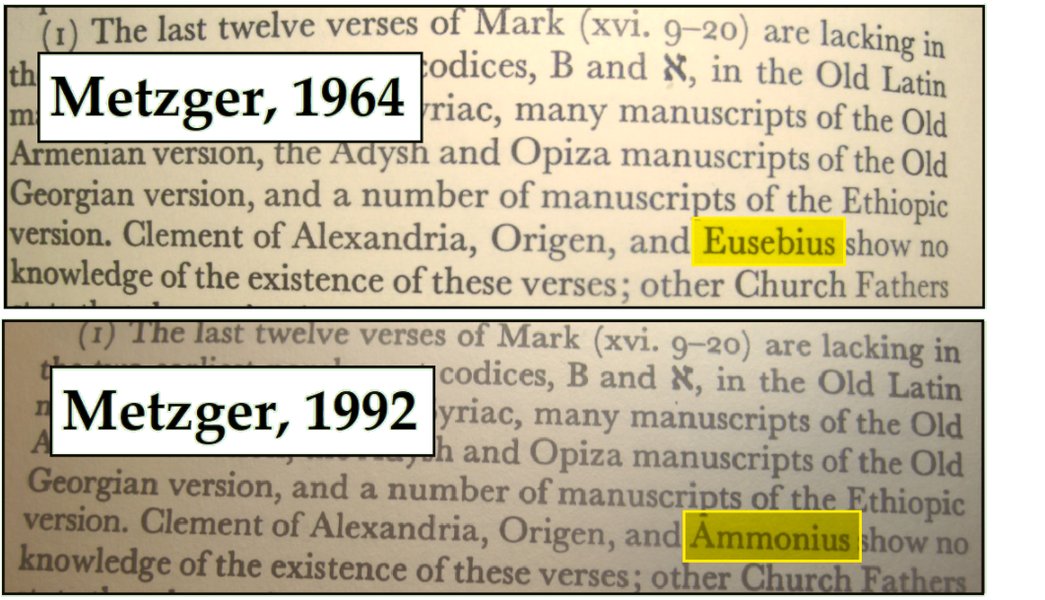
Visual comparison frameworks, like those used in textual criticism, can inspire interactive features showing parallel Gospel passages.
AI-Powered Text Processing
Once you have your source text(s), AI can transform them into a dynamic digital format. Natural Language Processing (NLP) models are key here:
- Parsing & Structuring: AI can automatically break down the harmonized text into logical sections (e.g., by event, theme, or chapter).
- Metadata Tagging: Automatically tag passages with relevant information like original Gospel sources (Matthew, Mark, Luke, John), key figures, locations, theological themes, and keywords. This fuels interactive search and filtering.
- Content Augmentation: AI can generate summaries for sections, provide brief commentaries, explain difficult passages, or create cross-references to other relevant scriptures. Tools like Gospel Truth AI specialize in assisting with biblical research and content generation.
- Translation & Language Analysis: For deeper study, AI tools can offer insights into the original Greek, linking words to lexicons or highlighting nuances (as seen in tools discussed for Bible word studies).
Step 2: Choosing Your Development Platform
AI-Assisted Website and App Builders
Several platforms can help you build the website or app, many incorporating AI to speed up the process:
- AI Website Builders: Platforms like 10Web AI Website Builder allow you to describe your project, and AI generates a functional starting point, often with relevant templates for Christian organizations.
- Ministry-Focused Builders: Services like ShareFaith Websites, FaithConnector, or Tithely offer features tailored to churches and ministries (sermon hosting, event calendars) that can be adapted for your harmonized Gospel project.
- General Purpose Builders: Platforms like Bandzoogle (for artists but adaptable) or Squarespace offer robust design capabilities and can integrate custom code or third-party AI tools.
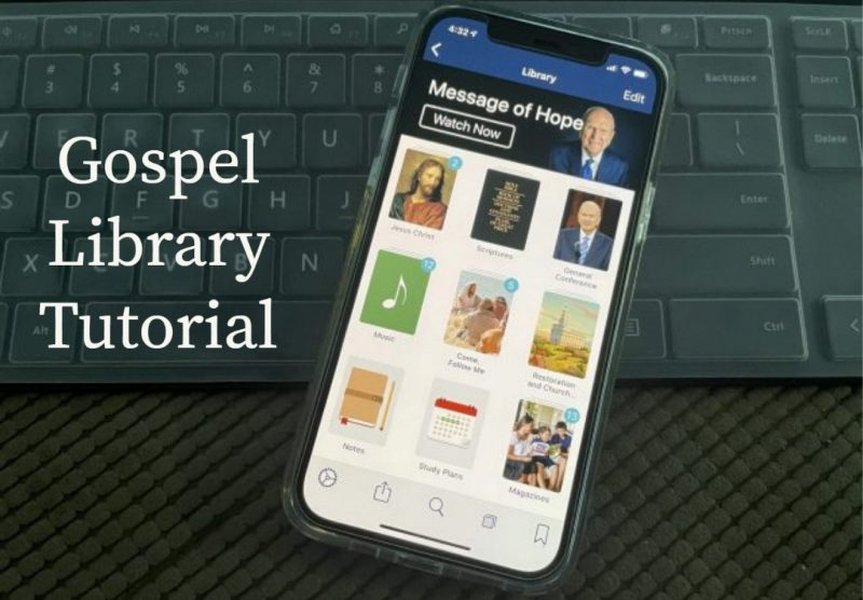
Modern app interfaces provide inspiration for designing an intuitive user experience for exploring the harmonized Gospels.
Custom Development Considerations
For highly unique interactive features or complex AI integrations not supported "out-of-the-box" by builders, custom development using frameworks like React, Vue, or Angular might be necessary. This offers maximum flexibility but requires more technical expertise.
Step 3: Infusing Interactivity with AI
Making the Harmonized Gospels Come Alive
This is where AI truly shines, transforming your site from a static text repository into a dynamic exploration tool.
AI Chatbots for Guidance and Q&A
Integrate an AI chatbot trained on the harmonized text and potentially broader theological knowledge. Users can:
- Ask specific questions about passages ("What does this parable mean?", "Where else is this event mentioned?").
- Request summaries or explanations of complex themes.
- Receive guidance on navigating the harmonized narrative.
- Engage in conversational exploration of the text, potentially lowering barriers for those new to Bible study. Models inspired by biblically-focused AI tools (like the one associated with Wintley Phipps) can ensure theologically sound responses.
Dynamic Content Exploration
- Parallel Views & Comparisons: Allow users to toggle between the harmonized view and the original source Gospels (Matthew, Mark, Luke, John) side-by-side. AI can highlight the specific contributions of each Gospel to the blended narrative, or point out differences and unique details.
- Interactive Timelines & Maps: Use AI to generate visual timelines of Jesus' life and ministry based on the harmonized sequence. Link events on the timeline directly to the relevant text passages. Similarly, create interactive maps showing locations mentioned, connecting places to events.
- AI-Enhanced Search: Implement a powerful search function that goes beyond simple keywords. AI can understand semantic meaning, allowing users to search for concepts, themes ("parables about forgiveness"), people, or places across the entire harmony and receive contextually relevant results.
Multimedia Enrichment
- AI-Generated Visuals: Use AI image generation tools (like those mentioned with Gospel Find or standalone AI art platforms) to create custom illustrations, icons, or background graphics that visually enhance the narrative.
- AI-Powered Audio:
- Narration: Employ AI text-to-speech engines to provide audio readings of the harmonized text, potentially offering different voices or styles.
- Music & Harmony: Integrate AI music generation tools (e.g., Ecrett Music's AI choir generator, Audimee) to create thematic background music or gospel-style vocal harmonies that accompany specific passages or sections, adding emotional depth.
Personalization and Engagement
- User Annotations & Notes: Allow users to highlight passages, write personal notes, and perhaps share insights within a community feature (potentially using AI for moderation or summarization).
- Personalized Study Paths: AI can analyze user interaction (which passages they read, questions they ask) to suggest related readings, themes to explore, or personalized devotionals.
- Interactive Quizzes & Reflections: Create AI-generated quizzes based on sections of the text to reinforce learning, or prompts for personal reflection related to the passages read.
Visualizing Key AI Capabilities
Impact of AI on Project Development and User Experience
The following radar chart provides an opinionated analysis of how different AI applications might contribute to building your interactive harmonized Gospel platform. It considers the potential impact on development speed, the enhancement to user engagement, and the relative technical complexity involved in implementing each feature type. Higher scores indicate greater impact or complexity.
As the chart suggests, AI platform builders significantly speed up initial development. Interactive features like chatbots and personalization offer high user engagement but come with greater technical complexity. Text analysis provides a good balance across all metrics.
Mapping the Project Workflow
A Mindmap Overview
This mindmap visualizes the interconnected stages involved in creating your interactive harmonized Gospel platform using AI tools.
(e.g., The Chosen, Merged Gospels, BLB)"] id1b["AI Text Processing (NLP)
- Parsing & Structuring
- Tagging (Themes, Sources)
- Summaries & Cross-refs"] id1c["Content Generation Assist
(e.g., Gospel Truth AI, ChatGPT)"] id2["2. Platform Development"] id2a["Select Builder/Framework
- AI Builders (10Web)
- Ministry Platforms (ShareFaith)
- Custom Dev (React/Vue)"] id2b["Design & UI/UX
- AI-assisted Templates
- User-friendly Navigation"] id3["3. AI Interactivity Features"] id3a["AI Chatbot
(Q&A, Guidance)"] id3b["Dynamic Content
- Parallel Views
- Timelines/Maps
- AI Search"] id3c["Multimedia
- AI Images
- AI Audio (Narration, Music)"] id3d["Personalization
- User Notes/Annotations
- Study Paths
- Quizzes"] id4["4. Implementation & Refinement"] id4a["Integration & Testing"] id4b["Deployment & Hosting"] id4c["User Analytics & Feedback"] id4d["Ongoing AI Model Updates"] id5["5. Ethical Considerations"] id5a["Theological Accuracy Verification"] id5b["Data Privacy & Security"]
The mindmap shows the flow from establishing the core content using AI processing, selecting a development platform, integrating various AI-driven interactive features, through to testing, deployment, and ongoing refinement, while keeping ethical considerations in mind.
Enhancing the Experience: A Comparative Overview
Interactive Features Powered by AI
The table below summarizes key interactive features you can build using AI, outlining the technology involved and the primary benefit for the user.
| Interactive Feature | AI Technology Involved | User Benefit |
|---|---|---|
| AI Chatbot Assistant | Large Language Models (LLMs), Natural Language Processing (NLP) | Instant answers to questions, guided exploration, theological clarification. |
| Parallel Gospel Viewer | NLP for text alignment and comparison | Deeper understanding of each Gospel's unique contribution and perspective. |
| Interactive Timeline | NLP for event extraction, Data Visualization AI | Clear visualization of the chronological flow of events in Jesus' life. |
| Thematic Search | NLP, Semantic Search Algorithms | Easily find passages related to specific concepts or themes across the harmony. |
| AI-Generated Audio Narration | Text-to-Speech Synthesis (TTS) | Accessibility option, immersive listening experience. |
| AI Choir/Music Integration | AI Music Generation Models | Enhanced atmosphere and emotional connection to the text. |
| Personalized Study Suggestions | Machine Learning (Recommender Systems), NLP | Tailored content recommendations based on user interests and progress. |
| AI-Generated Illustrations | Generative Adversarial Networks (GANs), Diffusion Models | Visual enrichment of the narrative, aiding comprehension and engagement. |
Integrating Multimedia: Bringing the Gospels to Life
Enhancing Engagement with AI-Powered Audio
Multimedia elements significantly boost engagement. AI offers exciting possibilities, particularly in audio. For instance, AI can transform a single voice recording into complex harmonies, potentially creating beautiful gospel choir effects to accompany readings or reflections. This adds an auditory dimension that can make the scripture feel more vibrant and resonant.
The video below demonstrates how AI technology (like ACE Studio mentioned) can be used to create vocal harmonies from a single voice input. Imagine applying similar technology to generate fitting musical or vocal backgrounds for different sections of your harmonized Gospel narrative, enhancing the emotional impact and user immersion.
Demonstration of AI transforming a voice into harmony, relevant for creating audio enhancements.
Ethical Considerations and Best Practices
Navigating AI in a Faith Context
Ensuring Theological Accuracy
While AI can generate content and summaries, it doesn't possess true understanding or theological discernment. It's crucial to have human oversight. Always review and verify any AI-generated interpretations, commentaries, or summaries against established theological understanding and the source texts. The goal is to use AI as a tool to enhance access and exploration, not as an infallible authority.
User Data and Privacy
If your platform includes personalization features or user accounts, be transparent about how user data is collected and used. Implement robust privacy measures and adhere to data protection regulations. Ensure that the use of AI respects user privacy and autonomy.
Frequently Asked Questions (FAQ)
Common Queries About Building with AI
What specific AI tools are best for beginners?
For beginners, AI-powered website builders like 10Web can be very effective as they handle much of the initial setup. For content assistance, tools like ChatGPT or Jasper are user-friendly for generating text drafts or ideas. For specific biblical tasks, exploring tools like Gospel Truth AI, which is designed for sermon/study preparation, might be beneficial. Start with platforms that offer free trials or tiers to experiment.
How much technical skill is actually needed?
The required skill level varies. Using an AI website builder requires minimal technical skill, mainly involving providing prompts and customizing generated content. Integrating more advanced features like custom AI chatbots or complex visualizations might require some coding knowledge (JavaScript, Python) or working with APIs (Application Programming Interfaces). However, many AI features are becoming available as plug-ins or integrations that simplify the process.
Can AI truly understand the nuances of the Gospels?
Currently, AI (specifically LLMs) processes language based on patterns learned from vast amounts of text. It does not "understand" meaning, intent, or theological nuance in the human sense. It can identify patterns, summarize text, answer factual questions based on its training data, and even generate text that sounds theologically coherent. However, it lacks spiritual discernment, personal faith, and cultural context. Therefore, human oversight and interpretation remain essential, especially for sensitive theological material.
How long would a project like this take?
The timeline depends heavily on the complexity of the features, the chosen platform, and your technical expertise. Using an AI website builder for a basic version with imported text and simple interactions could potentially take days or weeks. Developing a highly custom app with sophisticated AI integrations (custom chatbot, advanced personalization, unique visualizations) could take several months or longer, potentially requiring a team.
Recommended Next Steps
Explore Further
- Compare the features of AI website builders specifically designed for religious or non-profit organizations.
- Investigate the process and feasibility of training an AI chatbot specifically on your chosen harmonized Gospel text and related theological materials.
- Explore existing interactive Bible study websites and apps to gather inspiration for features and user interface design.
- Learn more about the ethical considerations and best practices when implementing AI technologies in a faith-based context.
References
Sources and Further Reading

Last updated May 4, 2025