
Intergenerational Learning within Indigenous Knowledge Systems through Bronfenbrenner’s Ecological Framework
Exploring the Multifaceted Dynamics of Cultural Transmission Across Generations
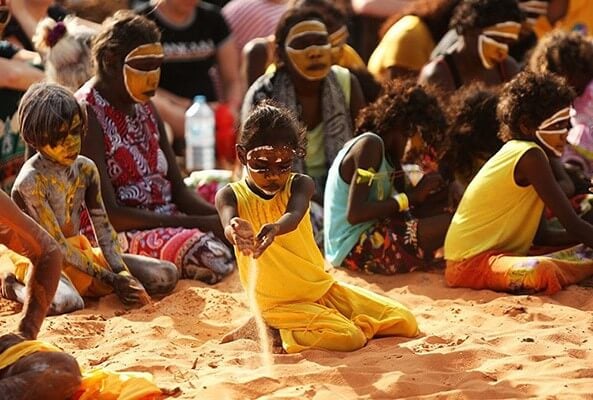
Key Takeaways
- Comprehensive Framework: Bronfenbrenner’s Ecological Systems Theory provides a layered approach to understanding the intricate factors influencing intergenerational learning in indigenous communities.
- Critical Role of Elders: Elders serve as pivotal figures within the microsystem, ensuring the preservation and transmission of cultural, linguistic, and ecological knowledge.
- Systemic Support: Policies and community structures within the exosystem and macrosystem significantly impact the sustainability and effectiveness of intergenerational learning practices.
Introduction to Bronfenbrenner’s Ecological Systems Theory
Urie Bronfenbrenner’s Ecological Systems Theory (EST) offers a comprehensive framework for understanding human development by examining the complex interplay between individuals and their surrounding environments. This theory delineates five interconnected systems: microsystem, mesosystem, exosystem, macrosystem, and chronosystem, each representing different levels of environmental influence. By applying EST to intergenerational learning, particularly within indigenous knowledge systems, we can gain nuanced insights into how cultural transmission occurs and is sustained across generations.
Microsystem: The Immediate Environment of Intergenerational Learning
Direct Interactions and Daily Practices
The microsystem constitutes the immediate environments in which individuals engage directly, such as family, school, and peer groups. In indigenous communities, the microsystem is where intergenerational learning is most pronounced. Elders play a crucial role in this system, acting as custodians of cultural, linguistic, and ecological knowledge. Through storytelling, rituals, and hands-on activities, elders impart wisdom and traditions to the younger generation. This direct transmission ensures that essential aspects of indigenous heritage are preserved and perpetuated.
For instance, in many indigenous cultures, storytelling is not merely a form of entertainment but a vital educational tool. Elders narrate stories that encapsulate moral lessons, historical events, and traditional practices, thereby fostering a deep connection between the youth and their cultural identity. This form of learning is inherently relational, emphasizing respect, reciprocity, and the continuity of cultural values.
Mesosystem: Bridging Multiple Microsystems
Interactions Between Family, Community, and Educational Institutions
The mesosystem encompasses the interconnections between various microsystems, such as the relationship between family and community or between home and school. In the context of indigenous intergenerational learning, the mesosystem facilitates a collaborative environment where different social spheres reinforce each other in fostering cultural transmission.
Community events, cultural camps, and collaborative projects between schools and tribal councils are examples of mesosystem interactions that support intergenerational learning. These interactions create a supportive network where elders, educators, and community members work together to integrate indigenous knowledge into formal education settings. By doing so, they ensure that the younger generation receives a well-rounded education that honors and incorporates their cultural heritage.
Exosystem: Indirect Influences on Learning
Community Resources and Policy Frameworks
The exosystem refers to broader social systems that indirectly influence an individual’s development. This includes community resources, governmental policies, and societal structures that can either support or impede intergenerational learning. In indigenous communities, the presence of cultural centers, language preservation programs, and supportive policies plays a significant role in facilitating the transmission of knowledge.
Government initiatives that recognize and fund indigenous cultural programs provide essential support for communities to organize events, maintain cultural artifacts, and develop educational materials that reflect their traditions. Additionally, policies that promote the inclusion of indigenous languages in school curricula help preserve linguistic heritage, ensuring that younger generations remain fluent in their native tongues.
Macrosystem: Societal and Cultural Contexts
Cultural Values and Societal Attitudes
The macrosystem encompasses the overarching cultural, economic, and political contexts that shape an individual’s environment. In the realm of intergenerational learning within indigenous communities, the macrosystem influences how indigenous knowledge systems are valued and perceived within the broader society. Societal recognition and respect for indigenous cultures are crucial for the sustainability of intergenerational learning practices.
Cultural affirmation at the macrosystem level can manifest through national policies that honor indigenous heritage, the incorporation of indigenous history in national education standards, and media representations that highlight indigenous achievements and traditions. Such societal support not only validates the importance of intergenerational learning but also encourages the younger generation to take pride in their cultural identity.
Chronosystem: Temporal Dynamics of Learning
Historical Events and Generational Transitions
The chronosystem accounts for the dimension of time and the impact of historical events on an individual’s development and cultural practices. For indigenous communities, historical experiences such as colonization, forced assimilation, and cultural suppression have profoundly affected the transmission of knowledge across generations. However, the chronosystem also highlights the resilience and adaptability of these communities in reviving and sustaining their cultural practices.
Efforts to revitalize indigenous languages, the resurgence of traditional ceremonies, and the establishment of intergenerational learning programs are examples of how indigenous communities navigate temporal changes to preserve their heritage. Understanding the chronosystem is essential for recognizing the challenges and triumphs inherent in maintaining intergenerational learning amidst evolving social and historical contexts.
Integration of Indigenous Knowledge Systems
Strategies for Effective Cultural Transmission
Respect for Cultural Diversity
Recognizing and valuing the unique cultural contexts of indigenous communities is fundamental to integrating their knowledge systems into intergenerational learning frameworks. This involves creating inclusive educational environments that respect and incorporate indigenous traditions, languages, and perspectives.
Community Engagement and Participation
Active involvement of community members, particularly elders, in educational and cultural activities ensures that intergenerational learning is authentic and relevant. Community engagement fosters a sense of ownership and responsibility towards preserving cultural heritage.
Proximal Processes and Hands-On Learning
Bronfenbrenner’s concept of proximal processes emphasizes the importance of regular, meaningful interactions between individuals and their environment. In indigenous contexts, this translates to hands-on learning experiences where youth actively participate in cultural practices, thereby internalizing traditional knowledge and values.
Challenges and Opportunities
Addressing Barriers to Effective Intergenerational Learning
Despite the strengths of Bronfenbrenner’s Ecological Systems Theory in explaining intergenerational learning within indigenous communities, several challenges persist. These include the disruption of traditional practices due to modernization, the loss of indigenous languages, and systemic barriers within educational institutions that may not adequately support cultural integration.
Modernization and Cultural Erosion
The influence of globalization and modernization can lead to the erosion of traditional practices and values. Balancing the preservation of indigenous knowledge with the demands of contemporary society is a delicate process that requires thoughtful strategies and adaptive measures.
Language Preservation
Language is a critical component of cultural identity and knowledge systems. Efforts to preserve and revitalize indigenous languages are essential for ensuring the continuity of intergenerational learning. Programs that incorporate indigenous languages into formal education and community activities play a vital role in this endeavor.
Educational System Integration
Integrating indigenous knowledge systems into mainstream educational curricula presents both challenges and opportunities. It requires the collaboration of educators, community leaders, and policymakers to develop culturally responsive teaching methodologies that honor and reflect indigenous perspectives.
Case Studies and Practical Applications
Successful Implementations of Intergenerational Learning Programs
Land-Based Learning Curricula
Incorporating land-based learning into educational programs allows youth to engage directly with their environment, guided by the expertise of elders. This approach not only imparts ecological knowledge but also strengthens the bond between the youth and their cultural heritage.
Cultural Camps and Workshops
Cultural camps and workshops provide immersive experiences where youth can learn traditional crafts, languages, and ceremonies under the mentorship of elders. These settings facilitate deep cultural engagement and foster intergenerational relationships.
Community Education Centers
Community education centers serve as hubs for intergenerational learning by offering classes, resources, and spaces where elders can share their knowledge with the younger generation. These centers also promote community cohesion and cultural resilience.
Impact of Policy and Advocacy
Supporting Indigenous Knowledge Systems Through Legislation
Government policies and advocacy efforts are instrumental in creating a supportive environment for intergenerational learning within indigenous communities. Legislation that recognizes indigenous rights, supports cultural preservation programs, and funds educational initiatives is crucial for the sustainability of these practices.
Advocacy groups play a pivotal role in influencing policy by raising awareness about the importance of indigenous knowledge systems and lobbying for resources and legislative support. Collaborative efforts between indigenous communities and policymakers can lead to the development of frameworks that prioritize cultural preservation and intergenerational learning.
Future Directions and Recommendations
Strategies for Enhancing Intergenerational Learning
Strengthening Community-Educator Partnerships
Building strong partnerships between indigenous communities and educational institutions can enhance the integration of indigenous knowledge into curricula. These collaborations ensure that educational content is culturally relevant and that educators are equipped to facilitate meaningful intergenerational interactions.
Expanding Funding for Cultural Programs
Increased funding for cultural preservation programs enables the development and expansion of intergenerational learning initiatives. Financial support can facilitate the creation of educational materials, the organization of cultural events, and the establishment of community education centers.
Promoting Digital Archiving of Indigenous Knowledge
Leveraging technology to digitally archive indigenous knowledge can ensure its preservation and accessibility for future generations. Digital platforms can host recordings of elders’ stories, traditional songs, and instructional videos, providing a valuable resource for both the community and researchers.
Conclusion
Bronfenbrenner’s Ecological Systems Theory offers a robust framework for understanding the multifaceted dynamics of intergenerational learning within indigenous knowledge systems. By examining the interplay between immediate environments, broader community structures, cultural values, and historical contexts, EST illuminates the complex mechanisms through which cultural transmission is maintained and adapted across generations. The active participation of elders, the support of community resources, and the affirmation of cultural values at the societal level are integral to the sustainability of intergenerational learning practices. Moving forward, fostering strong community-educator partnerships, increasing funding for cultural programs, and embracing technological advancements for knowledge preservation are essential strategies for enhancing the resilience and efficacy of intergenerational learning within indigenous communities.
References
Table: Bronfenbrenner’s Ecological Systems and Their Role in Indigenous Intergenerational Learning
| Ecological System | Description | Role in Intergenerational Learning |
|---|---|---|
| Microsystem | Immediate environments such as family and school. | Direct transmission of cultural, linguistic, and ecological knowledge from elders to youth through daily interactions. |
| Mesosystem | Interconnections between microsystems. | Facilitates collaboration between family, community, and educational institutions to reinforce indigenous knowledge systems. |
| Exosystem | External environments that indirectly affect the individual. | Provides community resources and policies that support cultural preservation and intergenerational learning. |
| Macrosystem | Broad cultural and societal contexts. | Shapes societal attitudes and policies that value and support indigenous knowledge transmission. |
| Chronosystem | Temporal changes and historical events. | Influences the continuity and adaptation of intergenerational learning practices in response to historical and temporal shifts. |
Last updated February 10, 2025