
Comprehensive Single-Day Meal Plan for Intermittent Fasting
Achieve Your Nutritional Goals with Balanced, Easy-to-Prepare Meals
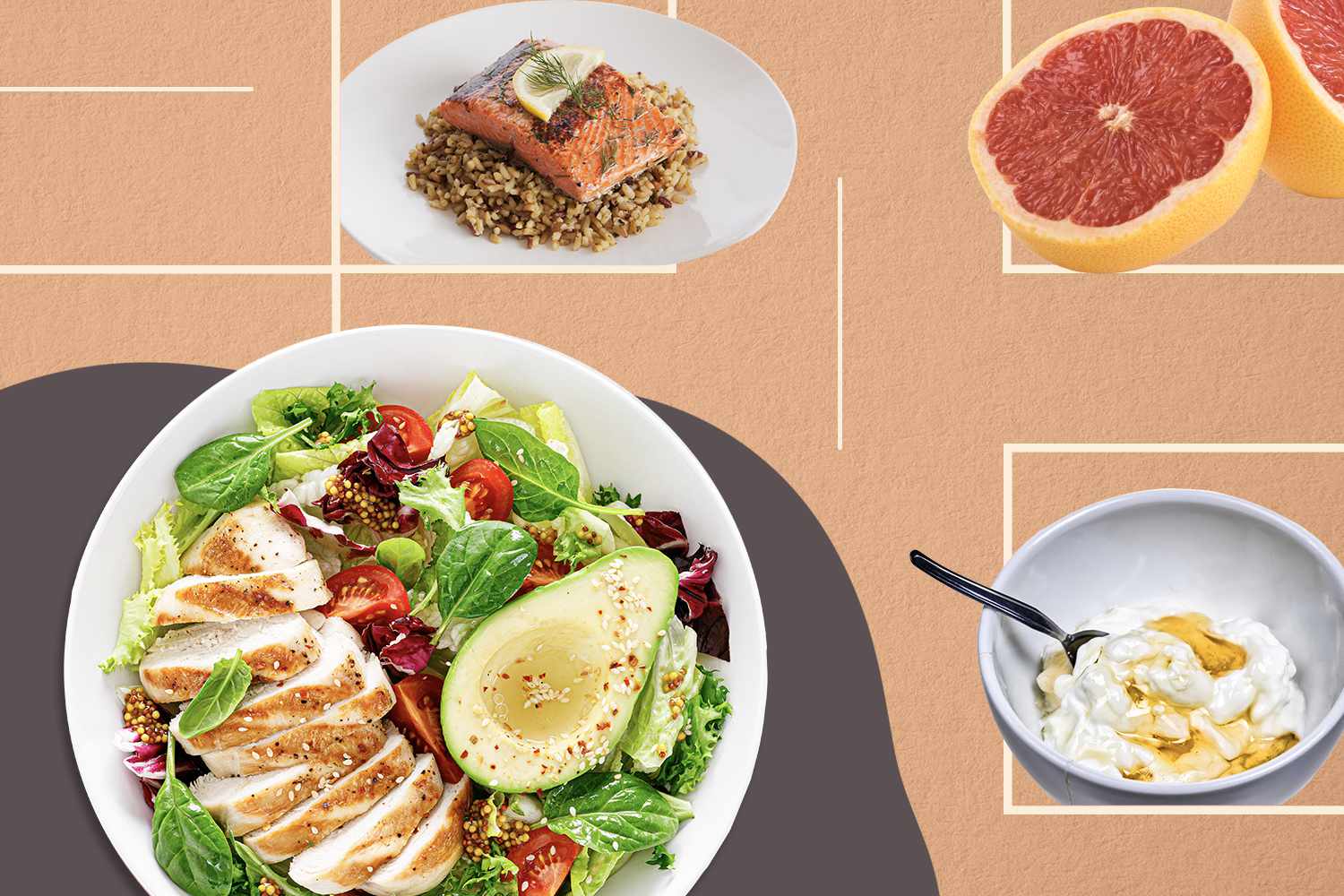
Key Takeaways
- Balanced Nutrition: Each meal is carefully crafted to include lean proteins, healthy fats, and complex carbohydrates to meet your daily macronutrient goals.
- Intermittent Fasting Friendly: The meal plan fits within a 16:8 fasting schedule, ensuring optimal nutrient intake during the eating window.
- Preparation and Variety: Meals are designed for advance preparation and packed with diverse ingredients to maintain variety and prevent meal fatigue.
Daily Nutritional Goals
- Calories: 2,665 kcal
- Protein: 266 g
- Fats: 118 g
- Carbohydrates: 133 g
Meal Schedule
Following a 16:8 intermittent fasting schedule, the eating window is set from 12:00 PM to 8:00 PM.
Meal Breakdown
Meal 1: High-Protein Lunch (12:00 PM)
Nutritional Breakdown:
- Calories: 850 kcal
- Protein: 90 g
- Fats: 35 g
- Carbohydrates: 45 g
Ingredients:
- Grilled chicken breast: 300 g
- Quinoa: 100 g (cooked)
- Steamed broccoli: 150 g
- Olive oil: 1 tbsp
- Lemon juice: 1 tbsp
- Garlic powder, salt, and pepper: To taste
Preparation Instructions:
- Marinate the chicken breast with olive oil, lemon juice, garlic powder, salt, and pepper.
- Grill the chicken until fully cooked (internal temperature of 165°F).
- Cook quinoa according to package instructions.
- Steam broccoli until tender.
- Pack the grilled chicken, quinoa, and broccoli in an airtight meal prep container.
Meal 2: Mid-Afternoon Snack (3:00 PM)
Nutritional Breakdown:
- Calories: 400 kcal
- Protein: 40 g
- Fats: 20 g
- Carbohydrates: 20 g
Ingredients:
- Greek yogurt (plain, non-fat): 200 g
- Almond butter: 1 tbsp
- Chia seeds: 1 tbsp
- Fresh blueberries: 50 g
Preparation Instructions:
- Mix Greek yogurt with almond butter and chia seeds until well combined.
- Top the mixture with fresh blueberries.
- Store in a portable container for easy snacking.
Meal 3: Satisfying Dinner (6:00 PM)
Nutritional Breakdown:
- Calories: 1,000 kcal
- Protein: 100 g
- Fats: 50 g
- Carbohydrates: 50 g
Ingredients:
- Salmon fillet (baked): 200 g
- Sweet potato (roasted): 150 g
- Asparagus (roasted): 100 g
- Avocado (sliced): 50 g
- Olive oil: 1 tbsp
- Paprika, salt, and pepper: To taste
Preparation Instructions:
- Preheat the oven to 400°F (200°C).
- Season the salmon with paprika, salt, and pepper. Bake for 12–15 minutes until fully cooked.
- Toss sweet potato and asparagus with olive oil, salt, and pepper. Roast in the oven for 20–25 minutes.
- Serve the baked salmon with roasted sweet potato, asparagus, and avocado slices.
Meal 4: Post-Dinner Snack (8:00 PM)
Nutritional Breakdown:
- Calories: 415 kcal
- Protein: 36 g
- Fats: 13 g
- Carbohydrates: 18 g
Ingredients:
- Cottage cheese (low-fat): 200 g
- Walnuts (chopped): 20 g
- Cinnamon: 1 tsp
Preparation Instructions:
- Mix cottage cheese with chopped walnuts and cinnamon until well incorporated.
- Enjoy as a final snack before your fasting window begins.
Optional Evening Snack (If Needed)
Nutritional Breakdown:
- Calories: 120 kcal
- Protein: 30 g
- Fats: 1 g
- Carbohydrates: 2 g
Ingredients:
- Whey protein powder: 1 scoop
- Water or unsweetened almond milk: 250 ml
Preparation Instructions:
- Blend whey protein powder with your choice of liquid until smooth.
- Consume immediately for a quick protein boost.
Total Nutritional Breakdown
| Meal | Calories | Protein | Fats | Carbohydrates |
|---|---|---|---|---|
| Meal 1: High-Protein Lunch | 850 kcal | 90 g | 35 g | 45 g |
| Meal 2: Mid-Afternoon Snack | 400 kcal | 40 g | 20 g | 20 g |
| Meal 3: Satisfying Dinner | 1,000 kcal | 100 g | 50 g | 50 g |
| Meal 4: Post-Dinner Snack | 415 kcal | 36 g | 13 g | 18 g |
| Total | 2,665 kcal | 266 g | 118 g | 133 g |
Preparation Tips and Best Practices
Batch Cooking
Preparing meals in bulk can save time and ensure consistency in your nutritional intake.
- Grill or bake all chicken and salmon at once. Store in separate airtight containers.
- Cook large batches of quinoa and sweet potatoes; they can be refrigerated for up to 3 days.
- Wash and chop vegetables in advance to streamline meal assembly during your eating window.
Using a Food Scale
Accurately measuring your ingredients ensures you meet your macronutrient goals.
- Weigh proteins, fats, and carbohydrates to stay consistent with portion sizes.
- Tracking your intake can help in adjusting recipes to better fit your nutritional needs.
Meal Timing and Flexibility
Align your meal times with your natural hunger cues within the eating window.
- Adjust meal times slightly if needed to better suit your daily schedule.
- Listen to your body and incorporate additional snacks if necessary to meet caloric needs.
Storage and Freshness
-
Use airtight containers to keep prepared meals fresh throughout the week.
-
Refrigerate meals immediately after preparation and consume within 3 days for optimal freshness.
-
Separate dressings and toppings until the moment of consumption to prevent sogginess.
Conclusion
This comprehensive meal plan is tailored to meet your specific nutritional requirements while adhering to intermittent fasting principles. By focusing on balanced, nutrient-dense foods and incorporating strategic meal preparation, you can achieve your health and wellness goals efficiently. Adjust portion sizes and meal components as needed to better fit your personal preferences and activity levels.
References
Implement this meal plan to enjoy a balanced and nutritious day that aligns with your intermittent fasting routine. Adjust as necessary to fit your individual needs and preferences.
Last updated January 24, 2025