
Unlocking the Global Dance Floor: Your Blueprint for an All-in-One International Dance Portal
Integrating marketplace, lessons, and community features into a seamless digital experience for dancers worldwide.
The world of dance is vibrant, diverse, and increasingly connected. This proposal outlines the architecture and business strategy for creating a comprehensive international web portal designed to serve the global dance community. Imagine a single platform where dancers can find instructors, book lessons (both online and in-person), purchase apparel and gear, connect with peers, and discover events – regardless of their location or preferred dance style. This document details how to build such a platform, ensuring scalability, usability, and profitability.
Key Highlights
Essential Insights for the International Dance Portal
- Integrated Ecosystem: The core value lies in seamlessly combining a marketplace for dance products, a sophisticated lesson booking system (supporting multiple formats and time zones), and robust community features within one platform.
- Diverse User Roles: The platform must cater to distinct user groups – Dancers/Students, Instructors, Studios, Vendors, and Administrators – each with tailored dashboards, permissions, and features to meet their specific needs.
- Global Reach & Scalability: A microservices architecture, cloud hosting, and built-in internationalization (multi-language, multi-currency) are crucial for supporting a worldwide user base and ensuring the platform can grow effectively.
Proposed Technical Architecture: Building a Resilient Foundation
A Scalable and Feature-Rich Platform Design
To handle the complexity of an international user base and diverse functionalities, a modern, scalable architecture is essential. A microservices approach is recommended, allowing different parts of the portal to be developed, deployed, and scaled independently.
Core Architectural Components
- Frontend: A dynamic and responsive user interface (UI) built with frameworks like React.js or Vue.js. This ensures a smooth experience across desktops, tablets, and mobiles. The design should be intuitive, engaging, and reflect the energy of dance, perhaps drawing inspiration from the fluidity seen in architectural projects designed for dance spaces.
- Backend (Microservices):
- User Management Service: Handles registration, login (including social media options), profile management, role-based access control (RBAC), and security (OAuth, multi-factor authentication).
- Marketplace Service: Manages product listings, vendor profiles, inventory, order processing, secure transactions, shipping integration, and user reviews/ratings.
- Lesson Booking Service: Facilitates scheduling (integrating with calendar services), instructor/studio availability management across time zones, booking processing, payment integration (multi-currency), and automated reminders/notifications. Supports live-streamed, pre-recorded, and in-person lesson formats.
- Content Management Service (CMS): Manages articles, blog posts, video tutorials, event listings, and potentially user-generated content like reviews or forum posts.
- Search & Discovery Service: Implements powerful search functionality allowing users to filter lessons, products, instructors, or content by style, level, location, price, language, etc.
- Payment Gateway Service: Securely integrates with providers like Stripe or PayPal to handle diverse international payments and ensure PCI DSS compliance.
- Notification Service: Sends targeted emails, push notifications, or in-app messages for bookings, orders, new content, messages, etc.
- Analytics Service: Tracks user engagement, sales data, booking trends, and provides reports for administrators, vendors, and instructors.
- Database Strategy: A hybrid approach is likely best. Relational databases (e.g., PostgreSQL) for structured data like user accounts, bookings, and orders. NoSQL databases (e.g., MongoDB) for less structured data like product descriptions or user-generated content. Caching solutions (e.g., Redis) for performance optimization.
- Cloud Infrastructure: Utilizing cloud providers like AWS, Google Cloud, or Azure offers scalability, reliability, global content delivery (CDN), and robust storage solutions (e.g., S3 for media).
- Internationalization (i18n) & Localization (l10n): Core architectural consideration for supporting multiple languages, currencies, date/time formats, and culturally relevant content adaptation.
- Video Streaming Integration: Integration with services like Vimeo, Mux, or custom WebRTC solutions for hosting and delivering high-quality online lessons (live and recorded).
- Security & Compliance: Implementing HTTPS, data encryption (at rest and in transit), regular security audits, and adherence to global privacy regulations (like GDPR).
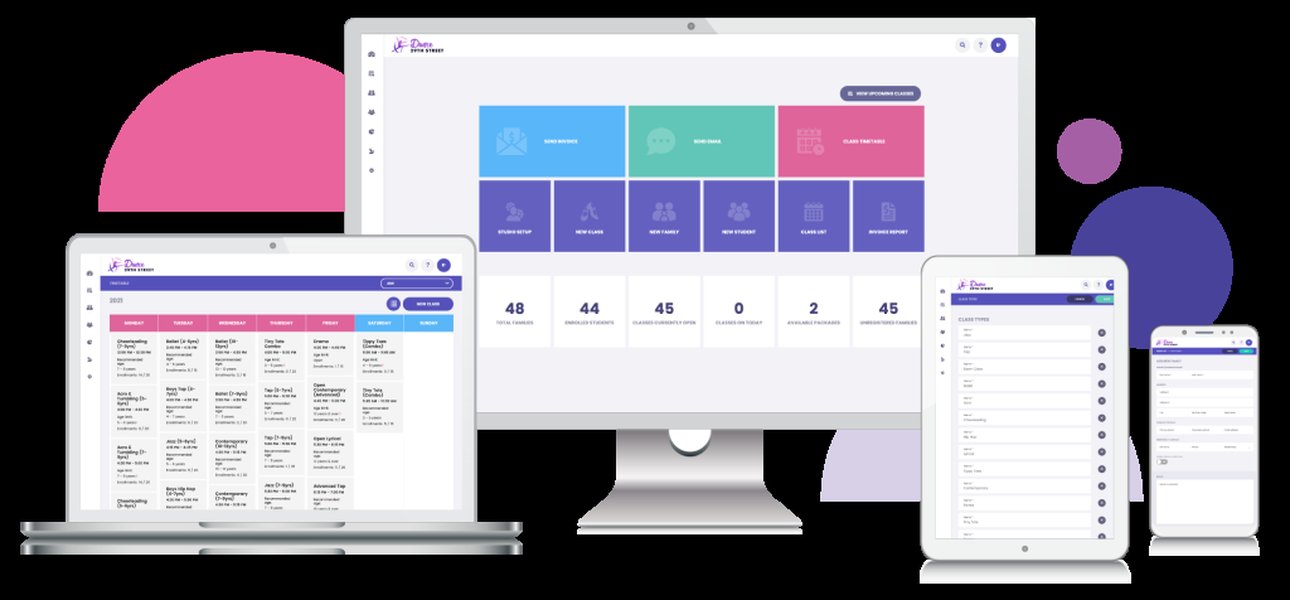
Illustrative example of how a modern dance platform interface might look across various devices.
Business Plan: Charting the Course for Success
Strategy for Market Entry, Growth, and Monetization
1. Executive Summary
This international dance web portal ("DanceConnect Global" - working title) will be the premier online destination for the global dance community. It offers a unique, integrated platform combining a marketplace for dance products, a comprehensive lesson booking system (online/offline), distinct user roles, and engaging community features. Our mission is to empower dancers, instructors, and vendors worldwide by providing accessible, high-quality resources and fostering connections across geographical and stylistic boundaries. We project significant user growth and profitability within 3 years, capitalizing on the expanding online learning and e-commerce trends within the global dance industry.
2. Company Description
- Mission: To connect the global dance world through a unified digital platform offering education, commerce, and community.
- Vision: To be the indispensable online resource for every dancer, instructor, studio, and dance vendor worldwide.
- Values: Accessibility, Community, Quality, Innovation, Global Connection.
- Legal Structure: To be determined (e.g., C-Corp, LLC), likely established in a location conducive to international business.
3. Products and Services
- Lesson Booking System: Search, book, and pay for diverse dance lessons (various styles, levels, live-stream, recorded, in-person) from instructors/studios globally. Features include calendar integration, reviews, and secure payments.
- Marketplace: A curated e-commerce space for vendors to sell dance apparel, shoes, accessories, music, equipment, event tickets, and digital content. Features include secure transactions, order tracking, vendor dashboards, and customer reviews.
- Differentiated User Accounts: Tailored experiences for:
- Dancers/Students: Access lessons, purchase products, build profiles, participate in forums.
- Instructors: List classes, manage schedules, receive bookings/payments, offer exclusive content.
- Studios: Manage multiple instructors, list studio-wide classes/events, brand profile.
- Vendors: Set up storefronts, manage product listings, process orders, view sales analytics.
- Administrators: Oversee platform operations, manage users, moderate content, analyze data.
- Community Features: User profiles, portfolios, forums/discussion boards, event calendars (competitions, workshops), direct messaging, groups based on style or location.
- Content Hub: Articles, interviews, tutorials, dance news, health and wellness tips for dancers.
- Premium Tiers (Potential): Subscription options offering benefits like unlimited access to certain content, booking discounts, advanced profile features, or enhanced analytics for instructors/vendors.
4. Market Analysis
- Market Size & Trends: The global dance industry is significant and growing, fueled by social media visibility, fitness trends, and increased adoption of online learning and e-commerce, particularly post-pandemic. Target audience includes millions of recreational and professional dancers, instructors, studios, and suppliers worldwide.
- Target Audience: Amateur dancers seeking instruction and gear, professional dancers/instructors looking for tools and reach, dance studios needing management solutions, and vendors aiming for a dedicated market.
- Competition: Existing platforms may focus on specific niches (e.g., online classes like STEEZY, studio management software like DanceStudio-Pro, or event media like DanceBUG). Our competitive advantage lies in the *integration* of marketplace, booking, and community features on a global scale.
- Opportunity: A clear gap exists for a comprehensive, international hub that caters to all facets of the dance world in one place.
5. Marketing and Sales Strategy
- Digital Marketing: Search Engine Optimization (SEO) targeting dance-related keywords, social media marketing (Instagram, TikTok, Facebook, YouTube) showcasing user stories and tutorials, content marketing (blog, articles), targeted online advertising.
- Partnerships: Collaborate with dance studios, influential choreographers/dancers, dancewear brands, competitions, and educational institutions worldwide.
- Public Relations & Influencer Marketing: Engage prominent figures in the dance community for endorsements and content creation.
- User Acquisition & Retention: Referral programs, introductory offers, loyalty rewards, community engagement initiatives, personalized content recommendations.
- Multi-language Campaigns: Tailor marketing efforts to specific regions and languages.
6. Management Team
Outline the core team structure, highlighting expertise in technology (web development, architecture), dance (industry knowledge, connections), business management, marketing, and finance. Emphasize relevant experience.
7. Operations Plan
- Development: Agile methodology for initial build (estimated 6-12 months) and ongoing feature development based on user feedback.
- Launch Strategy: Phased rollout, potentially starting with specific regions or features (beta testing).
- Customer Support: Multi-channel support (help desk, email, chat), comprehensive FAQ/knowledge base, multilingual support staff.
- Content Moderation: Policies and team to ensure quality and safety of user-generated content and listings.
- Platform Maintenance: Regular updates, security patches, performance monitoring.
8. Revenue Model
- Commissions: Percentage fee on marketplace sales (e.g., 5-15%).
- Booking Fees: Percentage fee or fixed fee per lesson booking facilitated through the platform (e.g., 10-20%).
- Subscription Fees: Optional premium memberships for enhanced features for any user type.
- Advertising: Featured listings for instructors/vendors, banner ads from relevant businesses.
- Event Promotion Fees: Charges for promoting workshops, competitions, or performances on the platform.
9. Financial Projections
Provide detailed forecasts including:
- Startup Costs: Platform development, initial marketing, legal fees, operational setup (illustrative range: $300k - $1M+ depending on initial scope and team).
- Revenue Projections: Based on user acquisition targets, transaction volumes, and subscription uptake (Aiming for significant growth year-over-year, potentially reaching multi-million dollar annual revenue within 3-5 years).
- Operating Expenses: Hosting, salaries, marketing, customer support, payment processing fees.
- Profitability Analysis: Break-even point estimation (e.g., within 18-36 months).
- Funding Request (if applicable): Detail amount sought and use of funds.
10. Risk Assessment & Mitigation
- Competition: Mitigate by offering a unique integrated value proposition and superior user experience.
- Technical Challenges: Mitigate with robust architecture, experienced development team, and rigorous testing.
- Market Adoption: Mitigate with strong marketing, partnerships, and community building.
- Security/Privacy Breaches: Mitigate with best-practice security measures, compliance adherence, and incident response plan.
- International Operations Complexity: Mitigate with localization strategy, legal counsel for different regions, and flexible payment/currency options.
Visualizing the Platform's Core Strengths
Comparative Feature Analysis
This radar chart offers a conceptual comparison of the proposed "DanceConnect Global" portal against hypothetical benchmarks for existing specialized platforms (e.g., dedicated booking sites, generic marketplaces, online course platforms). It highlights the intended strengths of our integrated approach across key areas crucial for the dance community. The scores are illustrative, representing target performance levels.
Mapping the Portal Ecosystem
Interconnected Components of the Dance Portal
This mind map illustrates the core components of the proposed international dance portal and how they interrelate. It visualizes the central role of the user accounts connecting to the main functional areas like the marketplace, lesson booking, community features, and content resources, all supported by a robust technical foundation and generating revenue through various streams.
(Apparel, Gear, etc.)"] id2_1_2["Vendor Storefronts"] id2_1_3["Secure Transactions"] id2_1_4["Order Management"] id2_1_5["Reviews & Ratings"] id2_2["Lesson Booking"] id2_2_1["Search & Filter
(Style, Level, Location)"] id2_2_2["Instructor Schedules"] id2_2_3["Online & In-Person"] id2_2_4["Payment Integration"] id2_2_5["Calendar Sync"] id2_3["Community Hub"] id2_3_1["User Profiles & Portfolios"] id2_3_2["Forums / Discussions"] id2_3_3["Event Calendar"] id2_3_4["Groups & Messaging"] id2_4["Content Resources"] id2_4_1["Articles & Blogs"] id2_4_2["Video Tutorials"] id2_4_3["Dance News"] id3["Technical Foundation"] id3_1["Microservices Architecture"] id3_2["Cloud Hosting & CDN"] id3_3["Database (SQL/NoSQL)"] id3_4["Internationalization (i18n)"] id3_5["Security & Compliance"] id3_6["API Integrations"] id4["Business Aspects"] id4_1["Revenue Streams"] id4_1_1["Commissions (Marketplace)"] id4_1_2["Booking Fees (Lessons)"] id4_1_3["Subscriptions (Premium)"] id4_1_4["Advertising"] id4_2["Marketing & Sales"] id4_3["Operations & Support"] id4_4["Financials"]
User Account Structure
Tailoring the Experience for Every Role
A key element of the portal's success is providing distinct functionalities and experiences for different user types. The following table outlines the primary roles and their associated permissions and capabilities within the platform.
| User Role | Key Features & Permissions | Primary Goal |
|---|---|---|
| Dancer / Student | Browse/book lessons, purchase products, create profile/portfolio, participate in community forums, review lessons/products. | Learn, connect, acquire dance-related goods. |
| Instructor | List classes (online/in-person), manage schedule/availability, set pricing, receive bookings/payments, communicate with students, manage profile, potentially upload premium content. | Teach, earn income, build reputation. |
| Studio | Manage multiple instructor profiles/schedules, list studio-wide classes/workshops/events, manage studio brand profile, oversee bookings/payments for associated instructors. | Manage operations, promote studio, attract students. |
| Vendor | Create storefront, list products (physical/digital), manage inventory/orders, set pricing/shipping, process payments, view sales analytics, communicate with customers. | Sell products, reach target audience, manage e-commerce business. |
| Administrator | Oversee all platform activity, manage user accounts/roles, moderate content/listings, configure platform settings, access comprehensive analytics, manage support requests, handle disputes. | Ensure smooth operation, maintain platform integrity, drive growth. |
| Guest / Viewer | Browse limited content (e.g., public profiles, articles, basic marketplace view), cannot book or purchase without creating an account. | Explore the platform before committing. |
Inspiration: Dance, Architecture, and Digital Space
Connecting Movement and User Experience
Just as architecture shapes physical spaces for dance, thoughtful digital design shapes the user experience on our platform. We can draw inspiration from how architects like Steven Holl collaborate with dancers to create spaces that respond to movement and interaction. The goal is to build a "virtual dance space" that feels intuitive, dynamic, and supportive, fostering creativity and connection much like a well-designed studio or performance venue. The interplay between structure (our architecture) and movement (user interaction) is key.
Video discussing the collaboration between architect Steven Holl and choreographer Jessica Lang, exploring the relationship between architectural design and dance – a relevant concept for designing an engaging digital dance platform.
Frequently Asked Questions (FAQ)
Addressing Key Considerations
How will the platform handle international payments and currencies?
The architecture will integrate with robust payment gateways (like Stripe or PayPal) that support multi-currency processing. Users will ideally see prices and be able to transact in their local currency, with the platform handling conversions and payouts to instructors/vendors in their preferred currency, potentially subject to standard transaction fees.
What measures will be taken to ensure the quality of instructors and products?
A multi-pronged approach will be used:
- Verification Process: Potential vetting process for instructors and vendors upon registration.
- User Reviews & Ratings: Transparent feedback system for both lessons and marketplace products.
- Content Moderation: Reviewing listings and profiles for compliance with platform standards.
- Reporting System: Allowing users to flag inappropriate content or problematic sellers/instructors.
- Clear Guidelines: Establishing clear terms of service and quality expectations.
How will the platform support different languages and time zones?
Internationalization (i18n) and localization (l10n) will be core components. The platform UI will support multiple languages, selectable by the user. The lesson booking system will be time-zone aware, displaying class times in the user's local time and allowing instructors to set availability based on their own time zone. Content may also be localized or translated where feasible.
What are the primary revenue streams for the portal?
The main revenue streams proposed are:
- Commissions on sales made through the marketplace.
- Fees charged on each successful lesson booking.
- Optional premium subscription tiers offering enhanced features.
- Advertising revenue from relevant dance brands or businesses.
- Fees for promoting specific events or workshops.
Recommended Next Steps & Further Exploration
Deepen Your Understanding
- How do microservices compare to monolithic architectures for building scalable online platforms?
- What are the best practices for implementing multi-language and multi-currency support in a global web application?
- What marketing strategies are most effective for attracting users to a specialized online community like a dance portal?
- Explore various revenue models suitable for online marketplaces and service booking platforms.
References
Sources & Further Reading
Last updated May 5, 2025