
International Policies and Middle East Peace Negotiations
A Deep Dive into Diplomatic, Economic, and Strategic Influences
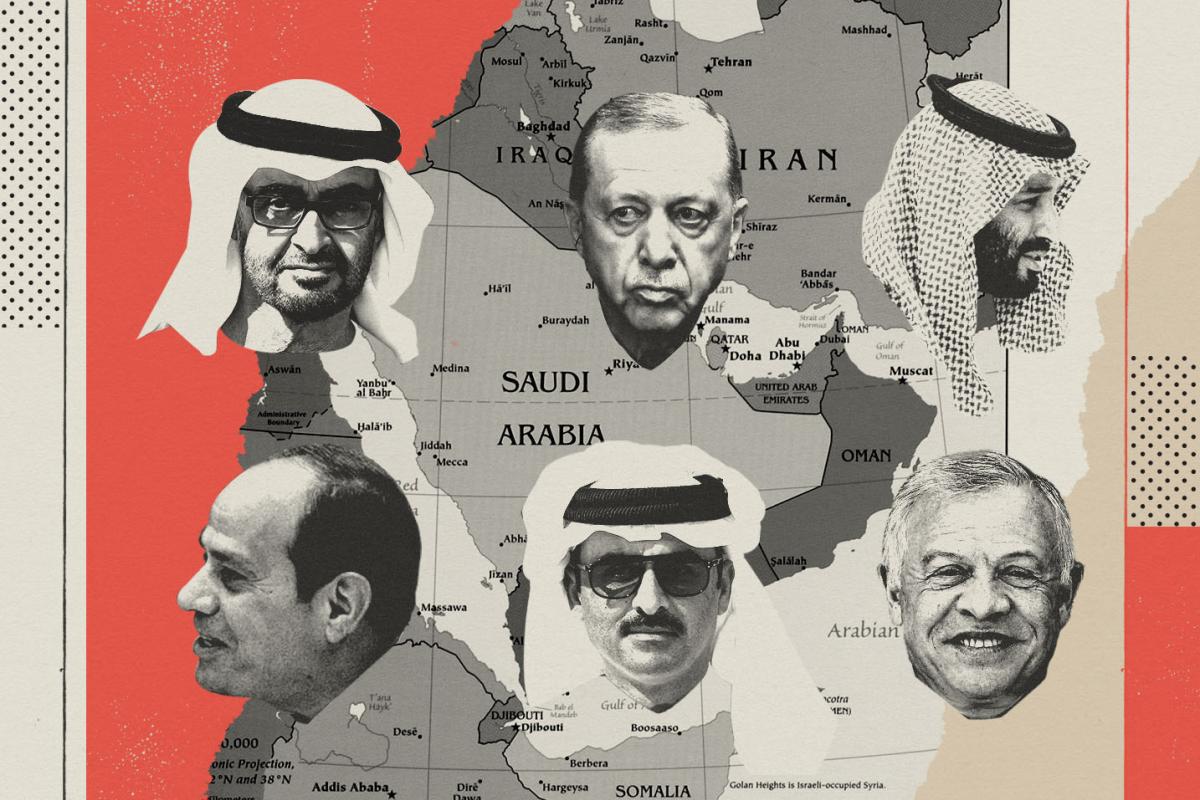
Key Insights
- Diplomatic Platforms: Various international organizations and leading nations facilitate dialogue and create frameworks that support negotiations.
- Economic and Military Leverage: Policies involving sanctions, aid, and military support are used to influence behaviors and conditions on the ground.
- Legal and Normative Frameworks: International law and resolutions underpin the peace process while holding parties accountable to global norms.
Overview of the Role of International Policies
International policies have long been intertwined with the peace negotiations in the Middle East, particularly in efforts to resolve the Israeli-Palestinian conflict. These policies encompass a broad set of actions and frameworks that shape dialogue, history, economic conditions, and security dynamics. They involve major international institutions, regional organizations, and influential state actors whose diplomatic, economic, and military measures create the environment necessary for peace initiatives. Such policies have been designed to facilitate negotiations, enforce agreements, and sometimes impose economic and political costs for actions that could derail the peace process.
Diplomatic Platforms and International Institutions
One of the most critical elements in the influence of international policies on Middle East peace negotiations is the establishment of diplomatic platforms. International organizations like the United Nations (UN) and the European Union (EU) provide neutral venues where conflicting parties can engage in dialogue. The following points detail this aspect:
United Nations' Involvement
The United Nations has long played an essential role by drafting resolutions that set the tone and framework for negotiations. Resolutions based on principles derived from international law have provided a legal and normative foundation for diplomatic engagements. These resolutions, which include language emphasizing a two-state solution, aim to ensure secure and recognized borders along with mutual recognition among parties. The UN’s involvement extends to on-the-ground peacekeeping, humanitarian interventions, and mediation measures coordinated through various UN agencies.
European Union’s Contributions
The European Union has also emerged as a pivotal actor through robust diplomatic and economic engagement. As a key donor for numerous humanitarian projects, the EU uses economic assistance as a lever to encourage compliance with negotiated peace. Additionally, the EU supports initiatives that focus on civil society dialogue, not solely banking on state-level negotiations but ensuring that grassroots movements are also involved in the peace process. These policies set an environment where negotiations are framed within the context of both security and human development.
Bilateral and Multilateral Engagements
Beyond multilateral institutions, powerful states such as the United States have traditionally been at the forefront of facilitating peace. This entails not only setting negotiation tables but also using their economic and military might to moderate the actions of regional actors. The U.S., as part of broader international coordination, helps shape conditions conducive to peace negotiations, including endorsing accords designed to normalize relationships between Israel and several Arab states. These bilateral and multilateral efforts complement each other by using diverse diplomatic channels to keep peace talks on track.
Economic and Military Policies as Tools of Influence
International economic and military policies hold significant sway over the Middle East peace negotiations. Countries and international organizations strategically leverage economic assistance, sanctions, and military support to influence the behavior of parties involved in the conflict. These measures serve both as incentives for cooperation and as deterrents against actions that might destabilize an already tenuous balance.
Economic Instruments in Peace Initiatives
Economic policies used in the Middle Eastern context often include generous aid packages and strict sanctions. The use of economic aid is designed to stabilize fragile economies, especially in conflict zones, while simultaneously encouraging reforms that support peace. Larger international donors, such as the EU, employ this strategy by tying economic recovery and development packages to progress in negotiations and adherence to agreed-upon parameters.
Aid as a Stabilization Mechanism
Economic aid functions as a key stabilization tool by alleviating humanitarian crises that often accompany conflicts. This aid, administered directly or through international agencies, reinforces negotiations by showing goodwill and by creating essential conditions for societal normalization. The infusion of funds helps rebuild infrastructure, promote development, and ultimately create a more conducive environment for sustained peace. Additionally, the conditionality of aid packages often encourages adherence to agreed terms, thereby creating a system of accountability.
Sanctions and Economic Pressure
On the flip side, the imposition of sanctions serves as a punitive measure aimed at compelling political behavior. Economic sanctions can target governments, groups, or even specific sectors that are seen as barriers to peace. These sanctions are often used to signal international disapproval of settlement expansions, other unilateral moves, or actions that escalate tensions. By enhancing diplomatic pressure, sanctions help maintain focus on negotiated solutions and deter actions that could impede peace frameworks.
Military Engagement and Support
Military policies are another cornerstone of international influence in peace negotiations. The provision or withholding of military support is a significant policy tool that can either stabilize a situation or escalate tensions, depending on its application.
Selective Military Support
Certain countries extend military support to strengthen allies and foster defense capabilities. For example, military assistance to state actors can promote security and stability, paving the way for further peace initiatives. However, such actions can also be double-edged. When military support appears one-sided or is perceived as undermining the balance in the region, it risks deepening animosities. Therefore, balancing military aid becomes essential to ensure that it contributes positively to the negotiation process without fueling further conflict.
Arms Sales and Their Diplomatic Implications
Arms sales are a related and often contentious aspect of international military policies. These transfers can alter the power dynamics between conflicting parties, sometimes encouraging aggressive posturing or, alternatively, providing deterrence. In regions like the Middle East, where conflict is perpetually at the crossroads of military might and diplomatic engagement, arms sales must be managed carefully. Alignment of arms sales with broader strategic interests is necessary to ensure that such policies do not inadvertently undermine the trust required for successful negotiations.
Legal and Normative Frameworks: International Laws and Resolutions
Legal frameworks underpin many of the diplomatic, economic, and military strategies employed in international peace negotiations. International laws and resolutions establish the standards and guidelines that shape negotiations and govern the conduct of involved parties.
Legal Instruments and Resolutions
International treaties, conventions, and resolutions form the bedrock of legal frameworks that influence the peace process. These legal instruments provide legitimacy to the negotiations, ensuring accountability and adherence to internationally accepted norms. They often compel parties to refrain from unilateral actions that could escalate tensions, thereby safeguarding the diplomatic process.
United Nations Resolutions
Specific UN resolutions, rooted in principles of international law, have been repeatedly cited as the basis for initiatives focused on the two-state solution. These resolutions serve a dual purpose by setting expectations for both negotiations and actions on the ground. Through the established framework of resolutions and recommendations, parties are motivated to pursue dialogues that emphasize peaceful coexistence and mutual recognition.
International Law: Human Rights and Humanitarian Norms
The broader spectrum of international law, including human rights and humanitarian laws, guides the actions of the parties involved in the conflict. Such legal frameworks not only serve to validate the peace process but also guide subsequent implementation if and when agreements are reached. They ensure that any sustainable resolution must address issues such as equal rights, justice, and adequate humanitarian provisions.
Regional Actors and Their Impact
The Middle East peace negotiations are significantly shaped by the roles and policies of key regional actors. While international policies set the overarching framework, regional dynamics determine the on-ground effectiveness of these initiatives.
Role of Key Regional Players
Regional actors such as the Arab states, including Egypt, Saudi Arabia, and the UAE, contribute vital insights and mediating influences. They often serve as the first line of diplomatic engagement due to their close proximity and vested interests in the outcome of peace negotiations.
Mediation and Conflict Resolution
Countries like Egypt and Saudi Arabia have taken proactive steps towards mediation, using their regional influence to encourage dialogue between conflicting parties. Egypt, for instance, has historically been an effective mediator in these negotiations, helping to bridge the divide between different factions. More recently, initiatives such as the evolving Arab Peace Initiative have emphasized the importance of a collective regional approach to resolving conflicts. By providing a platform for negotiation that is sensitive to local dynamics, regional mediators can offer balanced perspectives which enhance the legitimacy and efficacy of the peace process.
Shifting Alliances and Normalization Efforts
Increasingly, efforts towards normalization of relations, such as agreements between Israel and several Arab nations, have reconfigured regional dynamics. These normalization efforts, supported by international policies, carry significant implications for peace negotiations. They help reshape strategic alliances, reduce regional isolation, and open new channels for dialogue. This balancing act of advancing traditional diplomatic goals while opening up to new regional security mechanisms has redefined the landscape of Middle Eastern diplomacy.
Integration of Diplomatic, Economic, and Legal Strategies
The successful influence of international policies on peace negotiations in the Middle East results from the integration of multiple strategic dimensions. Each component—diplomatic engagements, economic incentives, military support, and legal frameworks—plays a critical role in shaping the overall environment for dialogue and resolution.
Synergy Between Multiple Policy Instruments
The synergy between diplomatic, economic, and legal instruments creates a robust framework that underpins peace negotiations. For instance, diplomatic efforts are enriched when supported by economic aid which stabilizes economies; likewise, the imposition of sanctions reinforces legal and normative commitments, ensuring that even when unilateral actions occur, there is a system of accountability in place. This multi-pronged approach ensures that no single element is isolated but rather reinforces the broader goal of establishing sustainable peace.
Coordination Among Influential International Actors
Effective peace processes rely on the coordination among key international actors. Major powers such as the U.S., key European nations, and emerging influencers like China work collectively with regional stakeholders to build a comprehensive support system for negotiations. This coordination helps manage the complexity of the conflict by ensuring that actions in one domain (for example, economic sanctions) are complemented by diplomatic outreach and, where necessary, military restraint.
Monitoring and Accountability Mechanisms
Accountability measures such as monitoring committees and international observers help enforce agreements and foster trust. These measures ensure that parties adhere to commitments made during negotiations and that deviations are addressed promptly. By linking economic aid and other benefits to verified compliance with agreed terms, international policies create a self-reinforcing system that incentivizes cooperation.
Empirical Analysis Through Data
To further illustrate how international policies influence peace negotiations, the following table summarizes the various dimensions of policy influence, the key players involved, and their roles in shaping dialogue and actions on the ground.
| Policy Dimension | Key Actors | Impact on Negotiations |
|---|---|---|
| Diplomatic Platforms | UN, EU, U.S., Arab States | Establish neutral forums for dialogue and set negotiation frameworks |
| Economic Instruments | EU, U.S., International Donors | Aid packages stabilize regions; sanctions incentivize compliance |
| Military Policies | U.S., Regional Alliances | Selective military support and arms sales balance regional power dynamics |
| Legal Frameworks | UN, International Courts | Resolutions and legal norms provide standards for equitable negotiations |
Current Challenges and Future Prospects
Despite the multifaceted influence of international policies, there remain significant challenges to achieving lasting peace in the Middle East. The complexity of the conflict, marked by shifting alliances, historical grievances, and regional power struggles, means that international policies must continually adapt to the evolving geopolitical landscape.
Ongoing Challenges
Among the main challenges is the fragmentation of leadership among the Palestinian factions, which complicates unified negotiation stances. Additionally, escalations in violence, settlement expansions, and unilateral moves by involved parties often serve as setbacks even when robust international policies are in place. The dynamic regional environment, with emerging powers recalibrating their interests, also poses new challenges to achieving a comprehensive, stable peace.
Future Directions and Innovation
Looking ahead, there appears to be a growing consensus on the need for a more integrated approach—one that not only addresses immediate security concerns but also targets underlying economic and humanitarian issues. Innovations in digital diplomacy, enhanced international monitoring, and renewed commitment from regional powers might contribute to breaking current stalemates. Efforts aimed at engaging wider segments of civil society and local communities are also seen as promising ways to build enduring peace by spreading the benefits of normalization across broader layers of society.
Conclusion
In conclusion, international policies exert a profound and multi-dimensional influence on peace negotiations in the Middle East. They do so by providing robust diplomatic platforms, using economic aid and sanctions to influence behavior, leveraging military support to balance power dynamics, and underpinning all these efforts with a strong legal and normative framework based on international law and UN resolutions. The integration of these elements has ensured that despite ongoing challenges—such as fragmented leadership, regional instability, and episodic escalations—the international community continues to play a pivotal role in maintaining dialogue and pushing for a negotiated and sustainable peace.
These multi-layered policies are essential for creating the conditions within which conflicting parties can find common ground. While obstacles remain formidable, the combined approach of coordinated international and regional efforts suggests that there is a pathway, albeit complex and challenging, towards generating lasting peace in one of the world’s most volatile regions.
References
- General Assembly Document - UN
- EU and Middle East Peace Process - European External Action Service
- US Middle East Policy and the Peace Process - CFR
- UN News - Middle East
Recommended Queries
Last updated February 27, 2025