
The Enduring Power of the International Student Movement
Exploring Global Student Activism and its Impact on Social and Political Change
Key Insights into the International Student Movement
- Historical Roots and Evolution: The international student movement has a long and complex history, dating back to the late 19th century, evolving through various phases including anti-fascist struggles, Cold War dynamics, and contemporary social justice movements.
- Diverse Focus Areas: Student activism globally addresses a wide range of issues, from local campus concerns like tuition fees and university policies to broader political, environmental, economic, and social changes, often playing a critical role in democratization and civil rights.
- Contemporary Challenges and Impact: Recent years have seen a resurgence of student protests on issues like climate change, global conflicts, and commercialization of education, though student activists, particularly international students, face increasing challenges including crackdowns on free speech and potential visa repercussions.
Understanding the Global Landscape of Student Activism
Student activism, also known as campus activism, encompasses the organized efforts by students to drive political, environmental, economic, or social change. Beyond their academic pursuits, student groups have historically been pivotal in advocating for civil rights and promoting democratization in various parts of the world.
The Historical Tapestry of Student Movements
The history of the international student movement is rich and multifaceted. Early attempts to coordinate student efforts on an international scale emerged in the late 19th century, with organizations like the International Federation of Students. The 20th century saw the movement influenced by major global events, including the antifascist struggle leading to the formation of the International Student Alliance, and the ideological divisions of the Cold War, which shaped bodies like the International Union of Students (IUS) and the International Student Conference (ISC).
Student movements have often been at the forefront of significant historical shifts. From their involvement in revolutionary democratic movements in Russia in the late 19th and early 20th centuries to their crucial role in the resistance against fascism during World War II, students have consistently demonstrated a capacity for collective action and a commitment to broader societal goals.
Early International Coordination
The desire for international cooperation among students became evident with the formation of early organizations. These initial structures aimed to connect students across borders, fostering shared ideas and a sense of global student solidarity.
The Influence of Global Conflicts
Major global conflicts, such as World War II and the Cold War, significantly impacted the trajectory of the international student movement. During the war, students actively participated in resistance movements. The Cold War era, however, saw the movement become a "battlefield," with different international student organizations aligning with opposing ideological blocs.
Landmark Student Protests That Shaped the World
Student protests have not merely been confined to campus grounds; they have often ignited broader social and political movements that have had a lasting impact globally. These instances highlight the power of student mobilization in challenging established norms and demanding change.
Significant Moments in Student Activism History
Numerous student-led actions have left an indelible mark on history. These include pivotal events that challenged racial segregation, opposed wars, and pushed for political reforms.
Civil Rights Era Protests in the US
In the United States, student activism was integral to the Civil Rights Movement. The Greensboro sit-ins in 1960, initiated by four Black students, were a turning point, inspiring similar peaceful protests against segregation across the country. The Fisk University protests also demonstrated the power of student and alumni action in demanding change from university leadership.

Anti-war student protests in the United States.
Anti-War Demonstrations
Opposition to the Vietnam War fueled widespread student protests in the 1960s and 1970s. The Kent State University protest, tragically ending in violence, galvanized nationwide student strikes and solidified anti-war sentiment among millions of Americans. Similarly, the German student movement participated in significant demonstrations against the war.
Protests Against Authoritarian Regimes
Students have also played a critical role in challenging authoritarian rule. The White Rose movement in Nazi Germany, founded by medical students, is a poignant example of peaceful resistance against a tyrannical regime. More recently, student-dominated youth movements were central to the "color revolutions" in post-communist societies, such as the Velvet Revolution in Czechoslovakia.
The Tiananmen Square protests in China in 1989, though tragically suppressed, remain a powerful symbol of student-led demands for political reform.
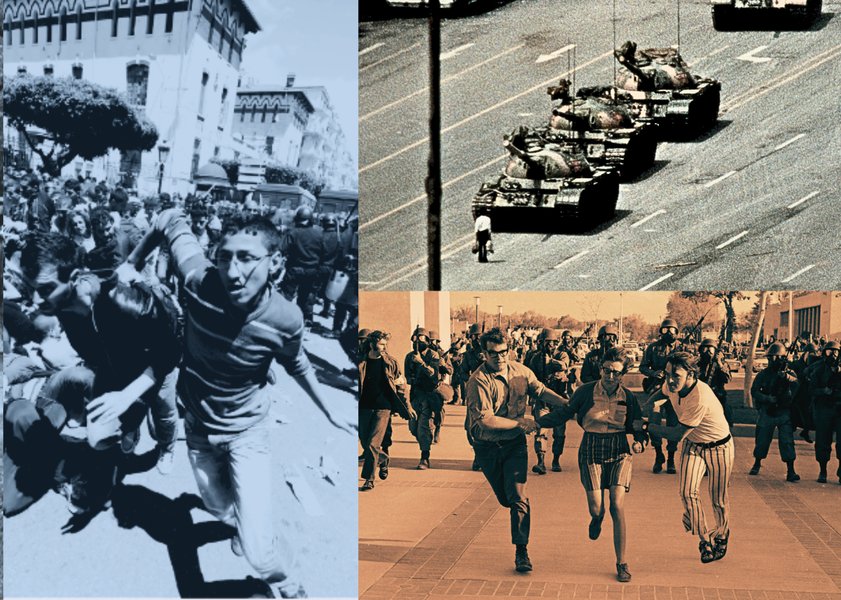
A large-scale student protest.
Contemporary Student Activism: Issues and Challenges
In the 21st century, student activism continues to evolve, addressing a wide array of contemporary issues on both local and global scales. Students are leveraging new tools and strategies to make their voices heard, but they also face significant challenges.
Addressing Global Concerns
Today's student movements are actively engaged with global issues, reflecting an increasing awareness of interconnectedness. Campaigns such as "Save Darfur" and "Kony 2012" demonstrate students' commitment to human rights and international justice. Climate change has also become a major focus, with global climate strikes initiated by student activists like Greta Thunberg mobilizing students from over 130 countries.
Protests for Social Justice and Human Rights
Students remain at the forefront of social justice movements, advocating for marginalized communities and challenging systemic inequalities. The fight for racial justice, for instance, continues to be a significant area of student activism.
Advocacy for Educational Reform
Student movements also frequently address issues within the education system itself, such as tuition fees, access to education, and the commercialization of higher education. The International Student Movement (ISM) serves as an open platform for those struggling against the increasing commercialization of education.
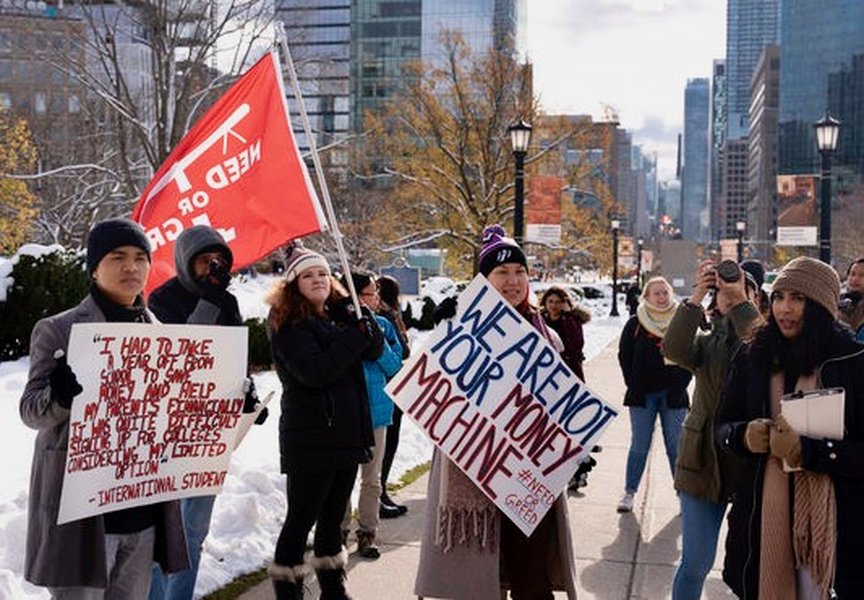
Students demonstrating against rising tuition costs.
Solidarity with Global Conflicts
Recent years have seen widespread student protests in solidarity with Palestinians, particularly in response to the conflict in Gaza. These protests have occurred on campuses across the US and in other countries, calling for universities to divest from companies with ties to Israel and demanding ceasefires. These demonstrations have also sparked debates about free speech on campus and accusations of antisemitism.
This video highlights the global campus activism in support of Palestinian solidarity, illustrating the international dimension of recent student protests.
Challenges Faced by Student Activists
Despite their significant impact, student activists often face considerable challenges. These can include institutional resistance, disciplinary actions, and in some cases, intervention from law enforcement.
University Responses and Disciplinary Actions
Universities have varied responses to student protests, ranging from facilitating dialogue to implementing disciplinary measures. Recent pro-Palestinian protests on US campuses have seen universities taking actions such as suspensions and expulsions. For example, the University of Washington suspended 21 students involved in a protest and occupation of an engineering building.
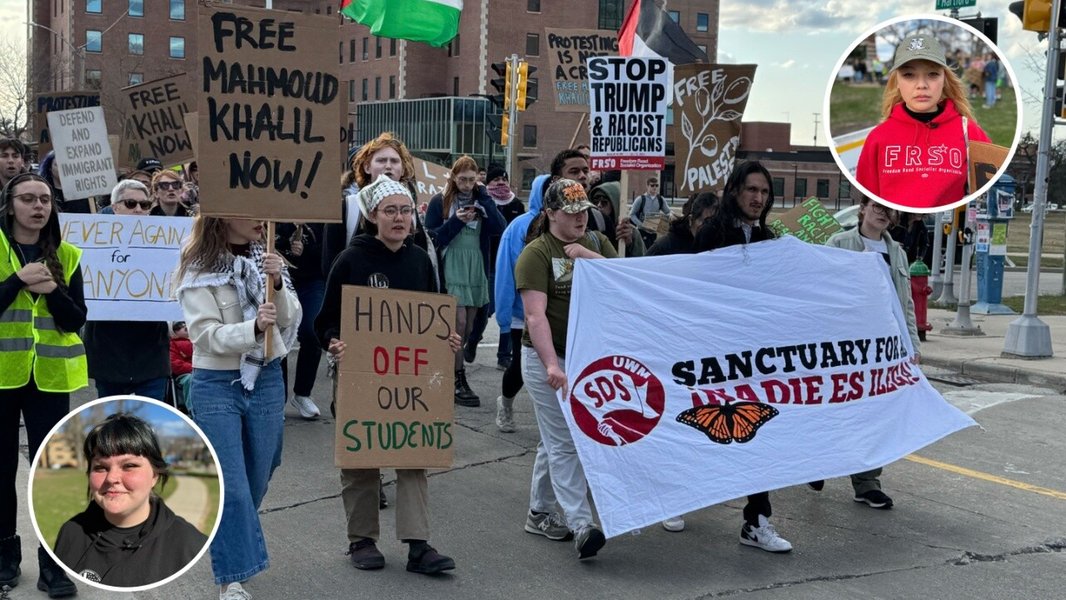
A rally in support of international student rights.
Impact on International Students
International students participating in protests can face unique challenges, including potential visa revocations and deportation, raising concerns about free speech and academic freedom. The Trump administration's stance on campus protests has led to fears among international students regarding their immigration status.
The Structure and Evolution of International Student Organizations
The international student movement has historically relied on various organizations to coordinate efforts, share information, and amplify their collective voice on a global scale. These organizations have adapted and evolved in response to changing political landscapes and student priorities.
Key International Student Bodies
Over the years, several international student organizations have emerged, each with its own focus and influence.
Historical Organizations
As mentioned earlier, early attempts at international student coordination included the International Federation of Students. Post-World War II, the International Union of Students (IUS) and the International Student Conference (ISC) became prominent, often reflecting the geopolitical divisions of the Cold War. These organizations provided platforms for students from different countries to interact and engage with global issues.
Contemporary Networks and Platforms
In the current landscape, the International Student Movement (ISM) functions as an open platform for cooperation among individuals and groups focused on issues like the commercialization of education. The Global Student Forum is another contemporary example, tracing its history back to earlier regional and international student bodies.
These modern networks often leverage digital technologies to connect students across geographical boundaries and facilitate coordinated actions on a global scale.
The Impact and Legacy of Student Activism
Student activism, both historically and in the present day, has undeniably played a crucial role in driving social progress and challenging the status quo. Its legacy is evident in policy changes, shifts in public opinion, and the continued empowerment of young people as agents of change.
Catalysts for Social and Political Change
Student movements have frequently acted as catalysts for significant societal shifts. They have been instrumental in advocating for civil rights, opposing unjust wars, and pushing for democratic reforms. The energy and idealism of students, combined with their willingness to challenge authority, have often made them powerful forces for change.
Shaping Public Discourse and Policy
Through protests, demonstrations, and advocacy, student activists bring important issues to public attention and pressure institutions and governments to enact change. Their actions can influence public opinion and contribute to the development of new policies and legislation.
Empowering Future Generations
Student activism also serves as a crucial training ground for future leaders and activists. The experience gained through organizing and participating in movements equips students with valuable skills and a commitment to social justice that can last throughout their lives.
Future Directions and Enduring Significance
The international student movement remains a dynamic force in the 21st century. As global challenges persist and new issues emerge, students will likely continue to play a vital role in advocating for a more just and equitable world.
Adapting to a Changing World
The methods and focus of student activism will continue to adapt to the evolving global landscape, including technological advancements and shifting political climates. The use of social media and online platforms for organizing and raising awareness is likely to become even more prominent.
The Enduring Relevance of Student Voices
Despite the challenges they face, the voices of students remain essential in shaping the future. Their capacity for critical thinking, their passion for justice, and their willingness to challenge established power structures make them indispensable actors in the pursuit of social and political progress on an international level.
Frequently Asked Questions about the International Student Movement
What is student activism?
Student activism involves students working to bring about political, environmental, economic, or social change. It often takes the form of protests, demonstrations, advocacy, and organizing on and off campus.
When did the international student movement begin?
Attempts at international coordination among students can be traced back to the late 19th century, with the formation of early international student organizations.
What are some famous international student protests?
Notable international student protests include those during the Civil Rights Movement in the US, anti-war protests globally, the White Rose movement against Nazism, the Tiananmen Square protests, and recent global climate strikes and pro-Palestinian demonstrations.
What kinds of issues do international student movements address?
International student movements address a wide range of issues, including human rights, social justice, environmental concerns, political reforms, educational policies, and global conflicts.
Are there risks for international students participating in protests?
Yes, international students can face risks such as disciplinary actions from their universities, and in some countries, potential visa complications, detention, or deportation.
References
 studentsnotcustomers.wordpress.com
Last updated May 12, 2025