
The Ongoing Debate: Internet vs. Books
Exploring the Strengths and Weaknesses of Digital and Print Information Sources
Key Takeaways
- The Internet offers unparalleled accessibility and real-time information.
- Books provide depth, reliability, and a distraction-free reading experience.
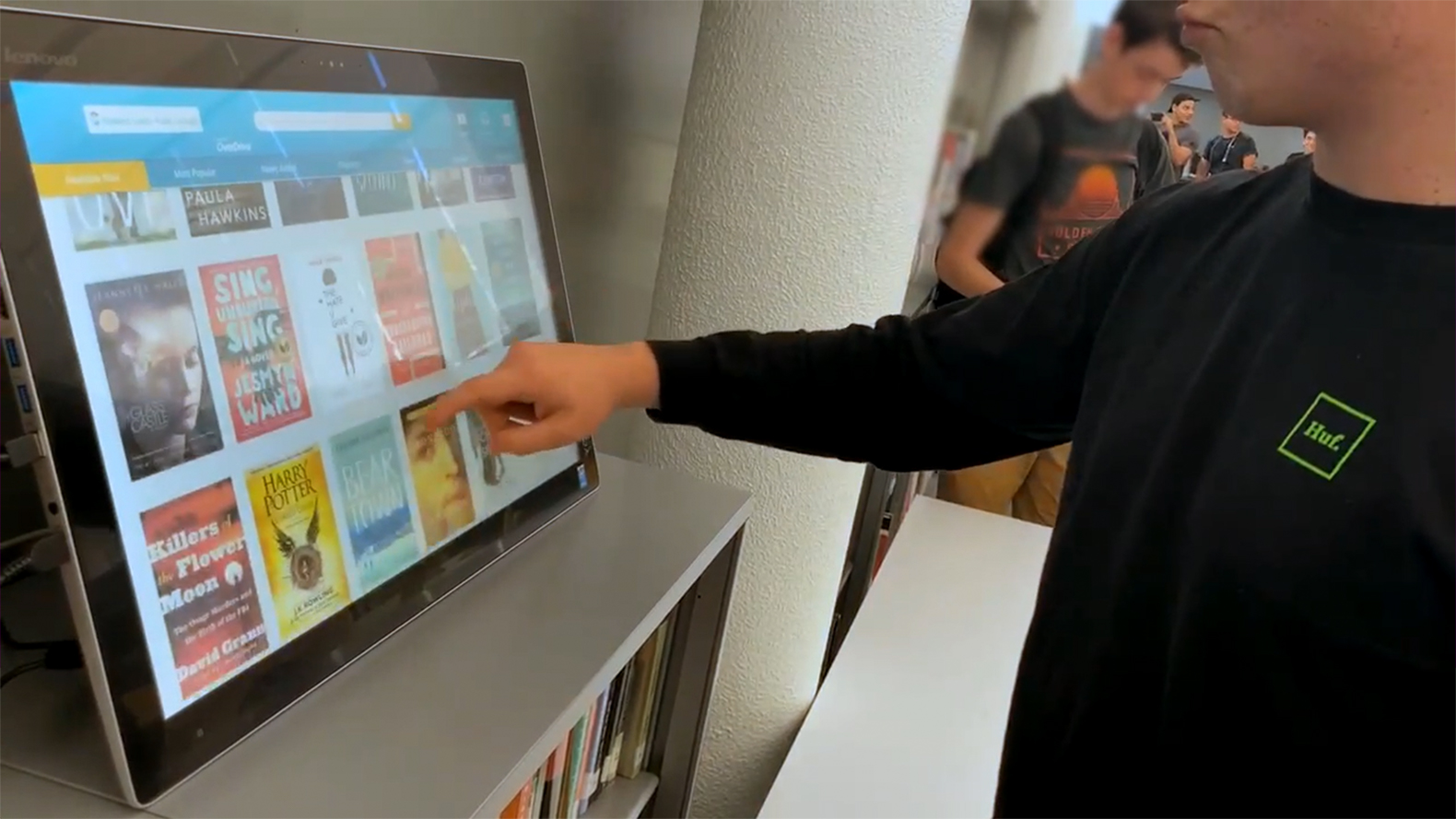
- A balanced approach utilizing both the Internet and books can enhance learning and information retention.
Introduction
In the modern age, the quest for information and knowledge sources has brought the Internet and books into constant comparison. Both mediums serve as pivotal tools for learning, research, and personal development, yet they each harbor distinct advantages and drawbacks. This comprehensive debate delves into the multifaceted aspects of the Internet and books, evaluating their accessibility, cost, reliability, depth of content, user experience, and overall impact on education and information dissemination.
Accessibility and Convenience
Internet: Instant and Ubiquitous Access
The Internet is renowned for its unparalleled accessibility. With a compatible device and a stable internet connection, users can access a vast repository of information from virtually anywhere and at any time. This level of convenience is particularly beneficial for research, allowing individuals to gather data on the go without the physical constraints associated with traditional media.
Books: Tangible but Limited by Physicality
In contrast, books are physical entities that necessitate storage and transportation. While they do not rely on electronic devices or internet connectivity—making them reliable in environments where such technology may be unavailable—they require more effort to carry and manage, especially in large quantities. This physical limitation can hinder spontaneous access to information compared to the instantaneous reach of the Internet.
Cost Implications
Internet: A Spectrum of Expenses
Accessing information via the Internet presents a varied cost landscape. Many resources are freely available, reducing the financial barrier to knowledge. However, premium content, subscription-based services, and paywalls can make certain information costly, potentially limiting access for some users. Despite this variability, the Internet often provides more cost-effective options compared to purchasing physical books.
Books: Investment in Knowledge
Books, particularly new releases and specialized textbooks, can be expensive. Nevertheless, alternative avenues such as public libraries, second-hand bookstores, and digital editions offer more affordable or even free access to a wide range of books. These options democratize access to information, although the initial purchase of physical books remains a consideration for many.
Reliability and Depth of Content
Books: Structured and Vetted Information
Books are often perceived as more reliable sources of information due to the rigorous editorial and peer-review processes they undergo prior to publication. This meticulous vetting ensures that the content is accurate, well-structured, and comprehensive. Consequently, books are invaluable for in-depth analysis, providing detailed coverage of topics that facilitate a thorough understanding.
Internet: Vast but Varied Credibility
The Internet hosts an immense volume of information, but the reliability of this content can vary widely. While reputable sources such as academic journals, official publications, and verified websites offer trustworthy information, the open nature of the Internet also allows for the proliferation of misinformation and unverified data. This necessitates a higher level of discernment and digital literacy from users to evaluate the credibility of the sources they encounter.
Comparative Depth and Analysis
Books generally excel in providing a deeper and more systematic exploration of subjects. They allow authors to develop complex arguments, present nuanced narratives, and offer comprehensive analyses that might not be feasible in the often fragmented and concise formats typical of online content. However, advancements in online platforms are bridging this gap, with long-form articles, e-books, and multimedia content enhancing the depth available through the Internet.
User Experience and Engagement
Books: Immersive and Distraction-Free
Reading books offers an immersive experience that minimizes external distractions, fostering better concentration and comprehension. The tactile experience of turning physical pages, coupled with the linear progression of content, encourages focused and sustained engagement with the material. Studies have suggested that comprehension and retention rates may be higher when reading from printed text compared to digital screens.
Internet: Interactive and Multimedia-Rich
The Internet enhances user engagement through interactive and multimedia elements such as videos, interactive diagrams, quizzes, and forums. These features cater to diverse learning styles and can make the acquisition of information more dynamic and engaging. Additionally, the ability to participate in discussions, access real-time updates, and utilize hyperlinked resources allows users to explore topics more interactively and collaboratively.
Cost-Effectiveness and Economic Considerations
Internet: Diverse Economic Models
The economic landscape of the Internet encompasses both free and paid resources. Open-access information, including free e-books, articles, and educational content, reduces the financial burden on users. However, premium services, subscription models, and paywalled content introduce varying cost structures that can impact accessibility based on individual financial situations.
Books: Traditional Purchase and Accessible Alternatives
While purchasing new books can be costly, alternative options such as library loans, second-hand sales, and digital e-books offer more affordable or free access to a wide array of titles. These alternatives make books accessible to a broader audience, although the initial investment in acquiring physical books remains a consideration for many individuals.
Technological Advancements and Future Prospects
Internet: Driving Educational Innovation
The Internet is at the forefront of educational innovation, enabling the proliferation of Massive Open Online Courses (MOOCs), virtual classrooms, and global collaborative platforms. Emerging technologies such as artificial intelligence and machine learning further enhance personalized learning experiences, adapting to individual user needs and preferences. These advancements position the Internet as a pivotal force in shaping the future of education and knowledge dissemination.
Books: Enduring Relevance and Cultural Preservation
Despite the rapid evolution of digital technologies, books maintain their significance as repositories of enduring knowledge and cultural heritage. They provide a structured and curated collection of ideas that serve as foundational references for future generations. The longevity and timelessness of books ensure that they continue to be relevant and valuable resources, complementing the dynamic and rapidly changing landscape of the Internet.
Comparative Overview
| Aspect | Internet | Books |
|---|---|---|
| Accessibility | Instant access from anywhere with an internet connection. | Requires physical access; portability is limited. |
| Cost | Varied; many free resources but some paywalls and subscriptions. | Can be expensive; libraries and second-hand options available. |
| Reliability | Varies widely; requires critical evaluation of sources. | Generally more reliable due to editorial processes. |
| Depth of Content | Increasingly comprehensive with advancements in digital publishing. | Offers in-depth analysis and structured content. |
| User Experience | Interactive and multimedia-rich; potential for distractions. | Immersive and distraction-free reading experience. |
Balancing Both Worlds
While the Internet and books each possess unique strengths and limitations, the most effective approach to information gathering and learning often involves utilizing both resources in a complementary manner. Combining the immediacy and breadth of the Internet with the depth and reliability of books can lead to a more comprehensive and nuanced understanding of topics. For instance, initial research may be conducted online to gather a wide range of information, followed by in-depth reading of books to explore specific areas more thoroughly.
Conclusion
The debate between the Internet and books as information sources is not a matter of one being superior to the other, but rather an exploration of their distinct roles in our information ecosystem. The Internet excels in providing quick, diverse, and interactive access to information, making it an invaluable tool for modern learning and connectivity. Conversely, books offer a depth of knowledge, reliability, and an immersive reading experience that fosters deep comprehension and critical thinking. Embracing both mediums allows individuals to leverage the strengths of each, leading to a more balanced and effective approach to learning and information consumption.
References
Last updated February 16, 2025