
Unveiling Educational Barriers: How Intersectionality Transforms Differential Approaches to Inclusion
Exploring the powerful synergy between intersectional frameworks and differential education practices to create truly inclusive learning environments
Key Insights on Intersectionality in Educational Inclusion
- Intersectionality reveals how overlapping identities create unique educational barriers that cannot be addressed through single-dimension approaches
- Differential education frameworks become more effective when they acknowledge the complex interplay between gender, ethnicity, socioeconomic status, disability, and other identity markers
- Educational policies and practices informed by intersectional perspectives lead to more equitable outcomes by addressing the specific needs of multiply marginalized students
The landscape of educational inclusion has evolved significantly in recent years, with increasing recognition that true inclusion must account for the complex, overlapping identities that shape students' educational experiences. Intersectionality provides the critical lens through which differential approaches can be most effectively implemented, allowing educators to address the unique barriers faced by students at various intersections of identity.
Understanding Intersectionality in Educational Contexts
Intersectionality, a term coined by legal scholar Kimberlé Crenshaw, refers to the understanding that individuals may experience multiple forms of discrimination or disadvantage simultaneously due to the overlapping of their various social identities. In educational contexts, intersectionality recognizes that students' experiences are shaped not just by single factors like gender, ethnicity, or ability status, but by the unique combinations of these identities.
For example, a female student from an indigenous community may face educational barriers that are distinct from those faced by her male counterparts or by female students from majority cultural backgrounds. This intersection creates a unique experience that cannot be fully understood by examining gender or ethnicity in isolation.
The Evolution from Single-Identity Approaches to Intersectional Understanding
Traditional educational inclusion efforts often focused on single dimensions of identity, creating separate initiatives for gender equality, racial inclusion, or disability accommodation. While these approaches made important contributions, they failed to capture the complex reality of students whose identities span multiple categories of marginalization.
The shift toward intersectional approaches represents a more sophisticated understanding of how educational inequality operates. Rather than treating identities as separate variables, intersectionality acknowledges their interactive nature and the unique experiences that emerge from these interactions.
This mindmap illustrates the complex dimensions of identity that intersect in educational settings. When educators recognize these intersections, they can better understand the unique challenges faced by students who navigate multiple forms of marginalization simultaneously.
The Differential Approach to Educational Inclusion
The differential approach to education recognizes that achieving genuine equality requires acknowledging differences and adapting educational strategies to meet diverse needs. This approach moves beyond the concept of formal equality (treating everyone the same) to embrace substantive equality (ensuring equal outcomes by providing different supports based on need).
Core Principles of Differential Education
Individual Adaptation
Differential education adapts teaching methods, curriculum content, and assessment approaches to account for students' unique characteristics, abilities, and learning rhythms. This personalization allows each student to overcome obstacles and develop their full potential.
Equity Focus
Rather than assuming that equal treatment leads to equal outcomes, differential approaches deliberately implement equity measures that compensate for historical and structural disadvantages faced by marginalized groups.
Rights-Based Framework
Differential approaches are grounded in a rights-based understanding of education, which recognizes that all students have the fundamental right to quality education regardless of their background or identity characteristics.
Cultural Responsiveness
Effective differential education acknowledges and values the diverse sociocultural contexts from which students come, incorporating these perspectives into teaching practices and curriculum design.
| Traditional Education Approach | Differential Approach | Intersectional Differential Approach |
|---|---|---|
| Same curriculum and teaching methods for all students | Adapted curriculum based on identified needs (e.g., disability, language) | Holistic adaptations that consider multiple, overlapping identity factors |
| Focus on formal equality (same treatment) | Focus on equity (different supports to achieve equal outcomes) | Recognition of how multiple inequalities interact to create unique barriers |
| Standardized assessment methods | Varied assessment approaches based on student needs | Assessment strategies that account for intersecting challenges |
| Homogeneous grouping | Flexible grouping based on learning needs | Community-building approaches that value complex identities |
| Student must adapt to the school environment | School environment adapts to student needs | Transformation of educational structures to eliminate intersecting forms of oppression |
How Intersectionality Enhances Differential Approaches
When intersectionality is integrated into differential education, the result is a more nuanced and effective approach to inclusion. Here's how this integration transforms educational practice:
More Accurate Identification of Barriers
Intersectionality allows educators to identify educational barriers that might otherwise be invisible. For example, a traditional differential approach might recognize the challenges faced by female students or by students with disabilities, but might miss the unique challenges faced by female students with disabilities, who may experience both sexism and ableism simultaneously.
Case Example: Language Minority Students with Learning Differences
Students who are both language learners and have learning differences face compounded challenges that require specialized support strategies. An intersectional differential approach would recognize these overlapping needs and provide integrated rather than fragmented interventions.
More Effective Policy Design
Educational policies informed by intersectionality can better address the complex reality of student experiences. Rather than creating separate policies for different aspects of identity, an intersectional approach encourages holistic policy design that considers how different forms of discrimination and disadvantage interact.
Beyond Single-Issue Solutions
Traditional approaches often create separate initiatives for gender equality, disability inclusion, or cultural diversity. An intersectional approach recognizes that these issues are interconnected and develops comprehensive solutions that address multiple dimensions simultaneously.
This radar chart illustrates how intersectional differential approaches consistently outperform both traditional educational approaches and single-identity differential approaches across multiple dimensions of educational practice. By considering the complex interactions between different aspects of student identity, intersectional approaches achieve greater relevance, engagement, and effectiveness.
Practical Applications in Educational Settings
Teacher Training and Development
Effective implementation of intersectional differential approaches requires teachers to develop critical awareness of their own biases and privileges. Professional development should help educators understand how different forms of oppression operate and intersect, and provide strategies for creating inclusive classroom environments.
Reflective Practice
Teachers should engage in ongoing reflection on how their own identities and experiences shape their teaching practices, and how they might inadvertently reinforce systemic inequalities. This reflexivity is essential for implementing truly inclusive approaches.
Curriculum Design
Intersectional approaches to curriculum design ensure that learning materials reflect the diversity of student experiences and provide windows into the lives of people with different intersecting identities. This includes representation of diverse protagonists in literature, examination of historical events from multiple perspectives, and inclusion of cultural knowledge from various communities.
Beyond Tokenism
Rather than superficial inclusion of "diverse" characters or cultural elements, truly intersectional curriculum design deeply engages with different worldviews and knowledge systems, presenting them as equally valid ways of understanding the world.
Assessment Practices
Traditional assessment methods often privilege certain ways of demonstrating knowledge that may disadvantage students with intersecting marginalized identities. Intersectional differential approaches implement varied assessment strategies that allow students to demonstrate their learning in ways that align with their strengths and cultural backgrounds.
Culturally Responsive Assessment
Assessment approaches that take into account cultural differences in communication styles, learning preferences, and ways of demonstrating knowledge can provide more accurate pictures of student learning and reduce assessment bias.
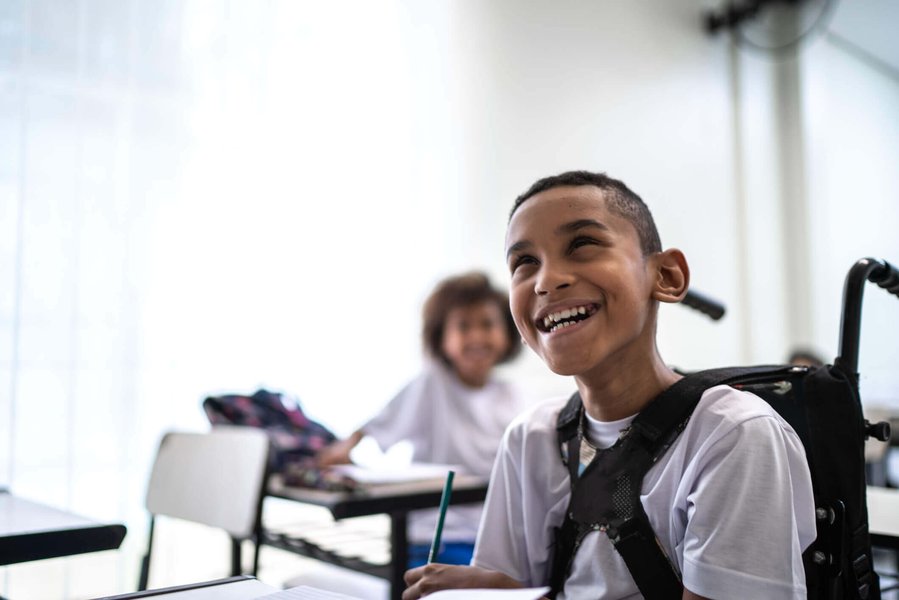
Creating Physically and Emotionally Safe Learning Environments
Schools must ensure that all spaces are accessible to students with disabilities while also being culturally welcoming and emotionally safe for students from diverse backgrounds. This includes attention to physical infrastructure, visual representations in school spaces, and policies that protect students from discrimination and harassment.
Challenges and Considerations
Avoiding Oversimplification
While intersectionality provides a powerful framework for understanding student experiences, it's important to avoid reducing individuals to their identity categories. Each student is unique, and their experiences cannot be fully predicted based on their membership in particular groups. Effective differential approaches maintain this balance between recognizing patterns of inequality and treating each student as an individual.
Resource Constraints
Implementing truly intersectional differential approaches requires significant resources, including teacher training, curriculum development, and support services. In contexts with limited resources, schools may need to prioritize certain aspects of implementation while working toward more comprehensive approaches over time.
Institutional Resistance
Educational institutions may resist approaches that challenge traditional power structures or require significant changes to established practices. Advocates for intersectional approaches should be prepared to make compelling cases for change, build coalitions of support, and implement incremental reforms that demonstrate the benefits of more inclusive approaches.
Balancing Universal and Targeted Approaches
While intersectionality highlights the importance of targeted interventions for students with specific needs, effective educational systems also require strong universal approaches that benefit all students. Finding the right balance between universalism and targeted supports is an ongoing challenge for educational policy and practice.
Expanding Impact through Visual Media
Visual resources can significantly enhance understanding of intersectionality and differential approaches in education. The following video provides valuable insights into the practical application of these concepts:
This video explores how intersectionality can drive educational inclusion by examining the multiple dimensions of identity that affect students' educational experiences. It offers practical strategies for implementing intersectional approaches in diverse educational settings.
Frequently Asked Questions
References
- Pedagogía Diferencial o Educación Inclusiva - INESEM
-
Política Pública Enfoque Diferencial - Integración Social
- Interseccionalidad e inclusión en la educación superior - Redalyc
- Género, interseccionalidad e Inclusión educativa - ResearchGate
- Inclusión y Equidad - UNESCO SITEAL
- Diversidad en el aula: Interseccionalidad para educadores - RECLA
- Igualdad y equidad en la educación - Educo
Recommended Explorations
Last updated April 8, 2025