
The Impact of Intimacy on the Personal Growth of Students
Explore the transformative power of deep connections and authentic relationships in student development
Key Highlights
- Emotional and Psychological Growth: Intimacy provides critical emotional support that enhances self-awareness and resilience.
- Social Skills and Identity Formation: Deep connections foster empathy, improve communication, and help in forming a well-defined identity.
- Academic and Personal Engagement: Positive intimate relationships create a safe environment that encourages risk-taking and academic engagement.
Understanding Intimacy in the Educational Context
Intimacy, though often associated exclusively with romantic or deeply personal relationships, is a multifaceted concept that plays an integral role in the personal development of students. In the educational context, intimacy encompasses meaningful connections between students, peers, teachers, and family members. These bonds are characterized by vulnerability, trust, shared values, and understanding, paving the way for enhanced emotional intelligence, identity exploration, and social skills. As students navigate the complexities of adolescence and young adulthood, these connections are pivotal not only in nurturing their psychological well-being but also in providing a substantial foundation for future relationships.
Research indicates that when students are embedded in supportive and intimate relationships, they become more resilient in the face of academic challenges. These relationships serve as a buffer against feelings of isolation and stress, and help foster a sense of belonging and self-worth. They are critical in encouraging students to open up, share their experiences, and develop the interpersonal skills necessary for life both inside and outside the classroom.
Emotional and Psychological Aspects of Intimacy
Emotional Vulnerability and Self-Discovery
Emotional vulnerability is at the heart of intimate relationships. When students allow themselves to be vulnerable, they engage in a process of self-discovery and emotional growth. By sharing personal experiences and feelings, they build a richer understanding of who they are. This level of introspection is crucial in developing emotional intelligence, as it enables students to manage their emotions effectively and empathize with others.
The process of self-discovery through intimacy leads students to understand their intrinsic values, which in turn helps them prioritize authentic experiences over superficial achievements. This alignment with their core values fosters a confident sense of self and paves the way for future personal and academic success.
Trust Building and Resilience
Trust is a foundational element in any intimate relationship. It not only evolves over time but also contributes significantly to a student’s ability to cope with life's challenges. As trust solidifies between peers, teachers, or family members, it creates an environment where students feel safe to take risks and embrace new challenges, whether academic or social.
This trust acts as a catalyst for resilience. Encountering and overcoming obstacles within the framework of supportive relationships helps students develop sturdier mental frameworks. Research shows that such resilience is linked to reduced anxiety levels, increased self-confidence, and a higher likelihood of academic success.
Social Skill Development and Identity Formation
Development of Social Skills
Intimacy facilitates the development of vital social skills that are essential for building and maintaining relationships throughout life. In environments where students experience close, supportive connections, they learn how to navigate social dynamics effectively. This includes skills like active listening, conflict resolution, and empathetic communication. Such interactions allow students to become well-rounded individuals who are temperamentally equipped to handle complex interpersonal situations.
Furthermore, positive intimate experiences in educational settings often involve balanced self-disclosure, where students learn to express their feelings openly while respecting the emotional boundaries of their peers. This mutual understanding cultivates an atmosphere where interpersonal connections can evolve into robust support systems.
Identity Formation and Personal Growth
The journey of forming personal identity is significantly influenced by intimate relationships. Students who engage in deep, meaningful interactions often experience a clearer understanding of their beliefs, aspirations, and personal values. These experiences are crucial during adolescence, a period marked by the quest for self-definition. When students see themselves reflected in the eyes of others, it triggers an internal dialogue that leads to greater self-awareness and fosters personal empowerment.
The interplay of emotional support and shared experiences helps students to build a resilient identity, one that is capable of adapting and thriving amidst the numerous challenges they face during their academic journey. This emergent identity not only impacts their personal growth but also shapes their socio-emotional competences, equipping them with the necessary tools to forge lasting relationships.
The Role of Educational Environments
Teachers and Peer Relationships
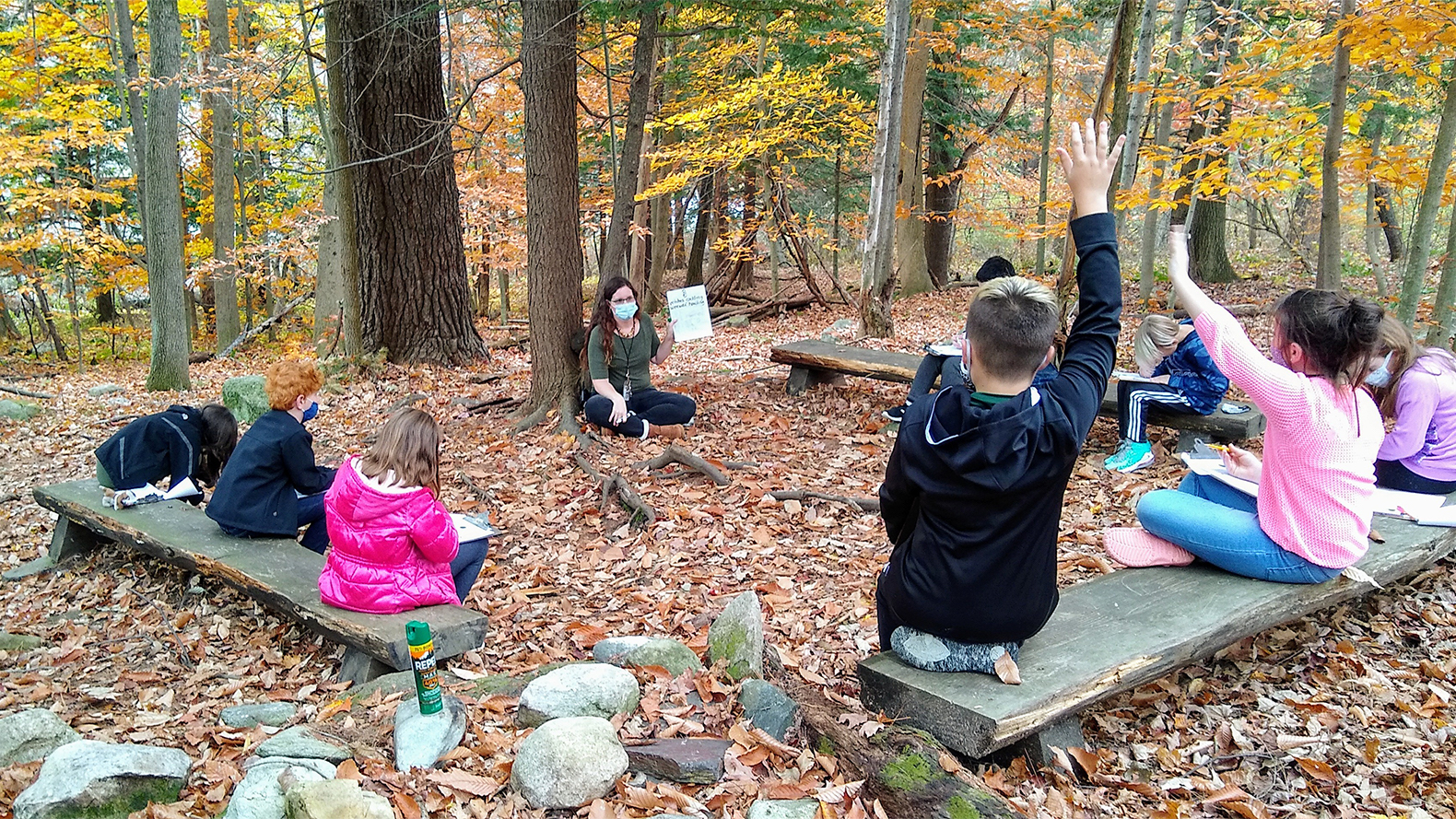
The educational environment plays a central role in fostering intimacy among students. Teachers who foster a supportive and open atmosphere encourage students to share their thoughts, feelings, and experiences. This type of nurturing environment empowers students not only to excel academically but also to develop the courage necessary for personal exploration and emotional growth. When students see their teachers as mentors and confidants, it reinforces a healthy model of interpersonal relationships.
Additionally, peer relationships constitute a significant portion of the intimacy experienced by students. The collaborative dynamics within classroom settings foster genuine friendships built on mutual respect and shared academic pursuits. These interactions provide continuous opportunities for students to practice conflict resolution, empathy, and support, solidifying the social skills integral to their personal development.
Family Contributions
While educational institutions bridge the gap between academic instruction and personal life, family intimacy remains the bedrock of emotional support for many students. Families often provide the earliest and most profound examples of intimate connections, shaping the initial frameworks of trust, vulnerability, and empathy. This foundational emotional intelligence cultivated at home significantly influences how students form and maintain relationships later in life—both in social settings and within the educational realm.
This combination of familial warmth and educational support creates a comprehensive nurturing environment that promotes holistic development. The synergy between a student’s support network at home and school ensures that they have multiple avenues for growth and self-improvement.
Risks and Challenges in Intimate Relationships
Balancing Vulnerability and Risk
While intimacy offers numerous benefits for personal growth, it is essential to recognize that it also comes with inherent risks. Vulnerability, by its very nature, can expose individuals to potential emotional pain and setbacks. Students who experience intimacy may sometimes face challenges such as miscommunication, breaches of trust, or even emotional dependency. These challenges, however, serve as learning opportunities that can further fortify their resilience.
Understanding the balance between openness and self-protection is crucial. Educators and counselors often emphasize the importance of setting healthy boundaries within relationships. By doing so, students learn that while intimacy is beneficial, it should not come at the expense of their emotional well-being. This balanced approach helps them navigate complex social situations and build relationships that are both supportive and sustainable.
Managing Negative Outcomes
Not every intimate relationship will result in positive outcomes. When poorly managed, such relationships may lead to feelings of rejection, anxiety, or even depression. For instance, unresolved conflicts or recurring negative interactions can undermine a student's self-esteem and impede personal growth. Recognizing these potential pitfalls is critical in creating strategies to manage and mitigate negative outcomes.
Educational programs that include social-emotional learning components directly address these challenges. Such initiatives are designed to equip students with the skills needed to identify unhealthy relationship patterns and proactively seek support when necessary. Consequently, even in adverse situations, students can learn from their experiences and develop more robust coping mechanisms.
Integrating Intimacy into Educational Practices
Curriculum and Program Development
Recognizing the profound impact of intimacy on personal growth, many educators are integrating relationship-building strategies into their curricula. Programs that focus on social-emotional learning, group activities, and collaborative projects intentionally create environments where intimacy is nurtured. These programs encourage students to engage in reflective practices, share personal experiences, and develop a supportive peer network.
By incorporating these elements into daily educational activities, institutions can effectively promote a culture of empathy, mutual respect, and self-expression. Such curricula are often complemented by practical workshops and counseling sessions that focus on developing interpersonal skills. The overall objective is to bridge academic learning with life-long emotional and social development.
Role of Counseling and Peer Support
Educational institutions also increasingly rely on counseling services and peer support groups as critical components for fostering intimacy and personal growth. Counselors provide students with strategies to navigate the complex terrain of social interactions, offering guidance on how to handle emotional challenges and build stronger connections.
Peer support programs serve as another resource, enabling students to learn from one another through shared experiences. These initiatives not only promote an inclusive atmosphere but also encourage students to develop problem-solving skills, thereby reinforcing the importance of community in personal growth.
A Comparative Overview of Intimacy’s Impact
Comparative Table of Intimacy Effects
The following table provides an overview of the multifaceted effects of intimacy on various aspects of personal growth among students:
| Aspect | Benefits | Challenges |
|---|---|---|
| Emotional Support |
|
|
| Social Skills |
|
|
| Identity Formation |
|
|
| Academic Engagement |
|
|
Final Thoughts on Intimacy and Student Growth
Intimacy is a vital yet often overlooked aspect of the personal growth that students experience. Whether through emotional vulnerability, trust-building, or the development of social skills, the intimate connections formed during school years contribute enormously to a student's psychological, academic, and social advancement. Educational institutions, families, and communities all have a role in nurturing these connections. By embracing intimacy in all its forms, students are equipped with the resilience, empathy, and self-awareness needed to navigate both academic challenges and the broader social world.
Institutions that prioritize holistic development by integrating relationship-building in curricular and extracurricular activities see tangible benefits. The nurturing of intimate ties fosters an atmosphere where risks are embraced as learning opportunities, and failures are reframed as stepping stones to personal empowerment. Thus, intimacy not only supports personal growth but also reinforces the very foundation of a dynamic and engaging educational experience.
References
- The Impact of Healthy Relationships on Personal Growth - Vivien Roggero
- Relationships in Education - APA
- Brain Science on Relationships - Understood
- Importance of Relationships in Schools - Schoolinks
- Exploring Intimacy and Psychological Growth - Sagepub
Recommended Further Reading
 craftofteachingreligion.wordpress.com
Last updated March 9, 2025