
The Role of Intimacy in Students' Personal Growth
Exploring How Emotional and Social Connections Enhance Student Development
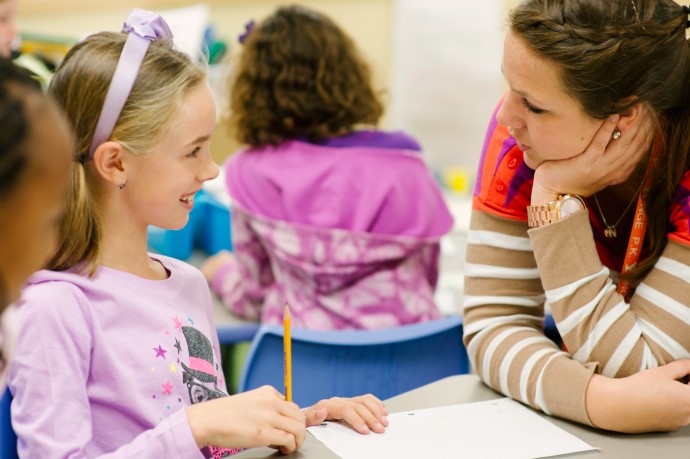
Key Insights
- Emotional and Psychological Growth: Intimate relationships encourage vulnerability and self-discovery, fostering emotional intelligence and psychological resilience.
- Social Competence and Identity Formation: Close interpersonal bonds aid in developing communication skills, social empathy, and a solid self-concept among students.
- Academic and Developmental Support: Positive interactions with peers, teachers, and family create a supportive environment that contributes to both academic achievement and personal well-being.
Understanding Intimacy in the Context of Student Life
Intimacy in the life of a student extends far beyond the realm of traditional romantic relationships. It encompasses a broad spectrum of relationships, including close friendships, supportive teacher-student interactions, and nurturing family bonds. These intimate relationships collectively contribute to a student’s overall growth and development. By cultivating environments of trust and mutual respect, students are better able to explore their identities, express their emotions, and engage in academic pursuits with heightened motivation.
Dimensions of Intimacy
Intimacy is multi-dimensional and touches upon several aspects of a student's life. The key dimensions include:
Emotional Vulnerability
One of the core aspects of intimacy is the ability to be emotionally vulnerable. By sharing personal experiences, fears, joys, and insecurities, students can gain a deeper understanding of themselves and others. This vulnerability is an important catalyst for emotional growth as it opens the door for improved emotional regulation, self-compassion, and increased empathy towards peers. When a student riskily reveals their true self, they also pave the way for building healthier, more meaningful relationships.
Self-Discovery and Identity Formation
Intimate connections prompt self-reflection and help students discover their individual values and beliefs. Through close interactions, they explore their passions, recognize personal strengths, and confront their weaknesses. The process of self-discovery is intertwined with the development of a stable identity. As students navigate through life's challenges, intimacy provides a feedback mechanism that helps reinforce and clarify their sense of self.
Social and Communication Skills
Engaging in intimate relationships allows students to hone their interpersonal skills. Effective communication, active listening, and empathetic responses are critical skills that are often refined within the safety of personal relationships. Whether discussing academic topics, personal challenges, or future aspirations, these interactions are vital for fostering social competence. Students learn to negotiate conflicts, appreciate diverse perspectives, and collaborate, thereby preparing them for both academic and professional environments.
Impact on Academic Performance
Academic institutions are not isolated from the personal lives of their students. The effects of intimacy and close relationships extend into the classroom, where they play a significant role in influencing academic performance and engagement.
Supportive Teacher-Student Dynamics
When teachers cultivate an environment of trust and understanding, it can have profound effects on student outcomes. Positive teacher-student interactions enhance motivation, help clarify learning objectives, and decrease the fear of failure. Furthermore, students who feel emotionally connected to their educators are more willing to ask questions, participate in discussions, and take academic risks, which leads to an enriched learning experience.
Collaborative Peer Relationships
Intimacy among peers similarly contributes to a productive learning environment. Close-knit groups and friendships serve as a support system, enabling students to work through academic challenges together. This peer support is not only emotionally satisfying but also stimulates an environment where constructive feedback and collaborative learning thrive. Peer relationships also inspire healthy competition and drive that, when channeled appropriately, can lead to enhanced academic performance.
Table: Interrelationship Between Intimacy and Academic Success
| Aspect of Intimacy | Academic Impact |
|---|---|
| Emotional Support | Boosts motivation, reduces anxiety, and fosters stress management. |
| Teacher-Student Bond | Increases classroom participation, nurtures curiosity, and enhances overall engagement. |
| Peer Relationships | Encourages collaborative learning, improves problem-solving skills, and promotes academic perseverance. |
| Family Intimacy | Provides a secure base, reinforces self-esteem, and supports a balanced academic life. |
Psychological and Social Benefits
Intimacy not only holds academic significance but also contributes substantially to the mental and emotional well-being of students. The experience of building intimate relationships comes with many benefits that are critical during the formative years of adolescence and early adulthood.
Enhanced Emotional Intelligence
Students who engage in deep, honest, and supportive relationships learn to navigate the complexities of their emotional landscapes. This learning process is central to developing emotional intelligence—a vital skill that involves recognizing, understanding, and managing emotions effectively. By engaging with others intimately, students become more aware of their emotional responses, learn to control impulses, and work towards constructive emotional expressions. This enhanced emotional intelligence enables students to cope better with stress, form healthier relationships, and maintain overall psychological stability.
Resilience and Coping Mechanisms
The challenges of academic life, combined with the rapid changes of adolescent development, can often be a source of stress and anxiety. Intimate relationships offer a safety net that helps students manage these difficulties. Emotional bonds provide access to advice, understanding, and sometimes just the necessary space for a student to ventilate their concerns. Over time, this consistent support contributes to resilience—an indispensable quality that allows students to overcome setbacks, adapt to change, and continue growing despite adversity.
Interpersonal Skills and Conflict Resolution
Building and maintaining intimacy when faced with conflicting interests or misunderstandings directly enhances interpersonal skills. Students learn to negotiate, compromise, and empathize with others through these interactions. The process of resolving conflicts peacefully, while preserving the integrity of the relationship, provides lifelong skills that are applicable in both personal and professional domains. Additionally, these skills foster a greater sense of social responsibility and community engagement, preparing students for active citizenship in a global society.
Intimacy Beyond Romance: Family and Peer Dynamics
Although much focus is placed on romantic relationships, an equally important realm of intimacy exists within family and peer dynamics. These relationships are foundational in shaping a student's personal growth and self-esteem.
Family Bonds
Family, as the primary social unit, plays a significant role in providing emotional security and modeling behaviors in relationships. A nurturing family environment instills a sense of safety which encourages students to venture into other relationship domains with confidence. Supportive family relationships serve as a source of validation and encouragement, which is crucial during moments of doubt or transition, such as moving from high school to college.
Peer Intimacy
Close friendships in a peer setting also act as a critical pillar in student development. These relationships help students navigate the increasingly complex social landscape as they progress through various academic phases. Peer groups offer immediate feedback, help in resolving conflicts, and serve as effective platforms for practicing the skills they learn within other contexts. Whether through collaborative projects or social activities, the intimacy shared among peers enriches the learning environment and lays the groundwork for lifelong relationships.
Characteristics of Healthy Peer and Family Relationships
| Characteristic | Benefit |
|---|---|
| Trust and Communication | Facilitates conflict resolution and emotional support. |
| Mutual Respect | Enhances self-esteem and encourages independence. |
| Emotional Safety | Builds resilience and promotes psychological well-being. |
| Support and Encouragement | Nurtures a growth mindset and facilitates risk-taking in learning. |
Exploring the Role of Romantic Intimacy in Adolescent Development
It is important to note that romantic intimacy, particularly during adolescence, offers unique opportunities for personal growth. As young individuals begin to navigate emotional connections beyond familial and platonic relationships, they are introduced to a new set of experiences that can both challenge and refine their worldview.
Romantic Experiences and Self-Esteem
When adolescents experience healthy romantic intimacy, it often boosts self-esteem. These relationships offer a mirror through which students can learn about their worth and capacity for love. Engaging in respectful and supportive romantic interactions can encourage a positive self-image and provide the tools needed for balanced personal relationships. Moreover, the challenges inherent in romantic engagements, such as managing differences or overcoming breakups, provide tremendous learning experiences and opportunities for emotional maturation.
Learning Boundaries and Responsibility
Romantic relationships require a fine balance between closeness and individuality. It is within these dynamics that students learn to set boundaries, negotiate needs, and respect their partner’s individuality. This process is not only important for the health of the romantic relationship but also for overall personal growth. Strong boundaries instill self-respect and encourage personal accountability, allowing students to carry these life skills into future personal and professional endeavors.
Integrating Intimacy Into Broader Educational Practices
Given the far-reaching impact of intimacy on student development, educational institutions and policymakers are increasingly aware of its importance. Schools can play a pivotal role in facilitating intimacy-based learning and support systems.
Social Emotional Learning (SEL)
Integrating Social Emotional Learning (SEL) into the academic curriculum creates a framework where emotional intelligence and interpersonal skills are prioritized. SEL programs focus on nurturing self-awareness, empathy, and responsible decision-making. By fostering an environment that values authentic communication and emotional vulnerability, schools create safe spaces for student expression, further promoting personal growth and academic success.
Mentorship and Counseling Programs
Mentorship programs involving teachers, counselors, and even peer mentors can assist students in managing the challenges associated with intimacy. These programs provide guidance on maintaining healthy relationships and dealing with conflicts. Counseling services offer an outlet for students who face emotional distress, ensuring that they receive professional support in navigating their personal challenges.
Table: Strategies for Integrating Intimacy into Educational Settings
| Strategy | Implementation | Expected Outcome |
|---|---|---|
| Social Emotional Learning | Incorporate SEL curricula and workshops. | Enhanced emotional intelligence and interpersonal communication. |
| Mentorship Programs | Establish teacher and peer mentorship networks. | Improved support systems and academic resilience. |
| Counseling Services | Provide accessible mental health resources and counseling. | Better management of stress and emotional challenges. |
| Family Engagement | Foster family-school communication and parent involvement. | Stronger foundational support and improved student well-being. |
Broader Societal and Lifelong Implications
While the immediate benefits of intimacy are evident in academic and psychological domains, the impact of these personal connections extends into broader societal interactions. The interpersonal skills and emotional maturity developed during student years serve as a cornerstone for future professional relationships and community engagement. Students who master the balancing act of being close to others while preserving their personal space are better equipped to handle the complexities of the modern workplace and societal dynamics.
Long-Term Benefits
The lessons learned through intimate relationships not only prepare students for immediate academic challenges but also have longer-term benefits. Such benefits include increased self-confidence, the ability to form balanced partnerships, and a resilient mindset towards life’s challenges. As these students mature, they carry forward the communication and negotiation skills acquired through intimate interactions, making them valuable contributors to society and effective leaders in their future professional careers.
Ultimately, intimacy in various forms—whether emotional vulnerability with peers, supportive interactions with teachers, or nurturing family bonds—creates a layered and holistic growth process that drives personal development. This development is critical not only for academic success but also for forging well-rounded, emotionally intelligent individuals who contribute positively to society.
References
- The Importance of Relationships and How Social Emotional Learning Supports Them - Schoolinks
- The Influence of Adolescents' Romantic Relationships on Individual Development - Sage Journals
-
Children's Peer Relationships, Well-Being, and Academic Achievement - PubMed Central
- Unlocking the Power of Intimacy: The Key to Authentic Connections and Personal Growth - Medium
- The Importance of Strong Relationships - EdTrust
Recommended Related Queries
 craftofteachingreligion.wordpress.com
Last updated March 9, 2025