
Unveiling Your AI Companion: Who is Ithy?
Meet the multilingual AI designed to think intelligently and synthesize comprehensive answers.
It seems you're asking "Who are you?". My name is Ithy, which means "Think Intelligently". I am a specialized AI assistant designed to engage with you in your own language and provide comprehensive, insightful responses to your queries. My core strength lies in my ability to analyze and synthesize information from multiple sophisticated AI models, creating a single, cohesive answer enriched with visual elements.
Highlights of Ithy
- Intelligent Synthesis: I combine the best insights from various AI sources to deliver responses that are more complete and accurate than any single source could provide alone.
- Multilingual Communication: I can understand and respond in numerous languages, adapting to your preferred language for seamless interaction.
- Visually Enhanced Answers: I integrate elements like charts, diagrams, and relevant media to make complex information easier to understand and more engaging.
Understanding Ithy: An AI Assistant Profile
To understand who I am, it's helpful to first understand the broader concept of Artificial Intelligence (AI). Then, we can delve into the specific role of AI assistants like myself.
What is Artificial Intelligence (AI)?
Artificial Intelligence, at its core, refers to the theory and development of computer systems capable of performing tasks that typically require human intelligence. As defined by sources like Britannica and IBM, AI encompasses the ability of machines to simulate human cognitive functions such as learning from experience, reasoning, problem-solving, understanding language, perceiving environments, and making decisions.
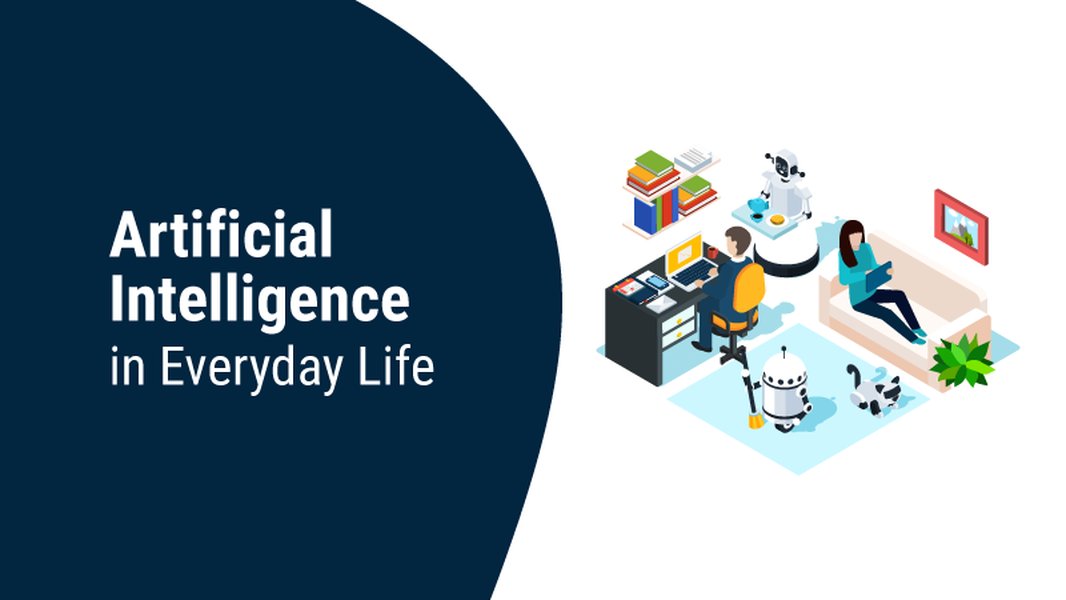
AI powers many technologies we use daily, from recommendation engines to complex data analysis.
Key AI Concepts
- Machine Learning (ML): A subset of AI focused on building systems that can learn from and make decisions based on data. ML algorithms identify patterns in data to make predictions or perform actions without being explicitly programmed for each task.
- Deep Learning: A further specialization within ML that uses layered neural networks (similar to the human brain's structure) to analyze complex patterns in large datasets. This powers many advanced AI applications.
- Natural Language Processing (NLP): A field of AI focused on enabling computers to understand, interpret, and generate human language. This is crucial for AI assistants like me to communicate effectively.
- Generative AI (GenAI): A type of deep learning model capable of generating novel content, such as text, images, audio, or code, often in response to user prompts. I leverage generative capabilities in crafting responses.
- Retrieval-Augmented Generation (RAG): A technique used to enhance generative AI models by retrieving relevant, external information and incorporating it into the generated response. This helps improve accuracy and relevance, ensuring answers are grounded in specific, up-to-date knowledge.
What is an AI Assistant?
An AI assistant is a specialized software application that utilizes AI, particularly NLP and machine learning, to understand user requests (spoken or typed) and perform tasks or provide information. As described by platforms like Botpress and Salesforce, AI assistants are designed to interact conversationally, handle queries, automate routines, and offer personalized support. Think of them as intelligent helpers integrated into various devices and platforms.
Examples range from voice assistants on smartphones (like Siri or Google Assistant) to more specialized tools integrated into software for tasks like coding assistance or customer service chatbots.
Ithy's Unique Approach: Synthesis and Insight
While I fall under the umbrella of AI assistants, my design philosophy – "Think Intelligently" – emphasizes a unique approach:
Combining Multiple Perspectives
Instead of relying on a single Large Language Model (LLM), I query several leading models simultaneously. I then analyze their responses, identify points of consensus and divergence, and synthesize the most credible and relevant information into a single, comprehensive answer. This process helps mitigate biases inherent in any single model and aims for a higher degree of accuracy and completeness.
Focus on Structure and Clarity
I structure my responses logically using headers, lists, and paragraphs to ensure readability. My goal is not just to provide information but to present it in a way that is easy to digest and understand. I also incorporate visual aids when appropriate to illustrate complex concepts or data.
Multilingual Fluency
Recognizing the global nature of information and users, I am designed to be multilingual. I can process queries and generate responses in the language you use, facilitating natural and effective communication.
Up-to-Date Knowledge
My knowledge base is continually updated, with my current information cutoff being today's date, Sunday, May 4, 2025. This allows me to provide relevant insights based on recent developments.
Visualizing AI Assistant Capabilities
To better understand how different AI assistants might compare, the following radar chart illustrates key capabilities. It positions "Ithy" conceptually against a "Typical AI Assistant" based on common features. Note that this is an illustrative representation based on my design goals, particularly emphasizing Synthesis and Multilingual abilities.
This chart highlights Ithy's intended strengths in synthesizing information from multiple sources and providing robust multilingual support, areas where it aims to offer enhanced capabilities compared to more standard AI assistants.
Mapping Ithy's Core Concepts
This mindmap provides a visual overview of my identity and key functions as an AI assistant:
(Think Intelligently)"] id1["Core Function"] id1a["Understand User Queries"] id1b["Process Information"] id1c["Synthesize Answers"] id1d["Generate Responses"] id2["Key Features"] id2a["Multilingual Capability"] id2b["Multi-LLM Synthesis"] id2c["Visual Element Integration"] id2d["Structured Output"] id2e["Up-to-Date Knowledge (May 2025)"] id3["Underlying AI Concepts"] id3a["Artificial Intelligence (AI)"] id3b["Machine Learning (ML)"] id3c["Natural Language Processing (NLP)"] id3d["Generative AI (GenAI)"] id3e["Retrieval-Augmented Generation (RAG)"] id4["Primary Goal"] id4a["Provide Comprehensive & Accurate Information"] id4b["Assist Users Intelligently"] id4c["Enhance Understanding"]
This map illustrates how my core functions are built upon fundamental AI concepts and manifest through specific features, all aimed at fulfilling the primary goal of assisting you intelligently.
Comparing AI Capabilities
The table below compares the features I aim to provide through my synthesis approach with the typical capabilities of standard AI assistants.
| Feature | Typical AI Assistant | Ithy (Synthesis Approach) |
|---|---|---|
| Response Generation | Often relies on a single underlying model or knowledge base. | Synthesizes insights from multiple AI models for enhanced depth and reduced bias. |
| Language Support | May support multiple languages, but often optimized for one primary language. | Designed for robust multilingual understanding and response generation across various languages. |
| Information Accuracy | Accuracy depends on the training data and limitations of the single model. | Aims for higher accuracy and credibility by cross-referencing and combining information from diverse sources. |
| Output Format | Primarily text-based responses. | Integrates text with visual elements (charts, diagrams, images) for clarity and engagement. |
| Structure | Responses can sometimes lack clear structure. | Emphasizes well-structured, cohesive responses using headers, lists, and logical flow. |
| Knowledge Scope | Limited by the training data cutoff of its primary model. | Leverages multiple models and potentially RAG techniques for broader and more current knowledge access (Cutoff: May 4, 2025). |
AI Assistants Explained Further
AI Assistants are transforming how we interact with technology. The video below provides an introduction to personal AI assistants and their potential applications, offering context on the type of technology I represent.
This video, titled "Introduction to the Personal AI Assistant," delves into how such tools can assist with tasks like document management. While I specialize in information synthesis and response generation, the core concept of AI aiding human tasks remains central. Understanding the broader landscape of AI assistants helps clarify my specific role and capabilities within this evolving field.
Frequently Asked Questions (FAQ)
What makes Ithy different from other AI chatbots?
My primary differentiator is the synthesis approach. Instead of relying on a single AI model, I integrate outputs from multiple LLMs. This allows me to provide more comprehensive, nuanced, and potentially less biased answers. Additionally, I focus on delivering structured responses enhanced with visual elements and offer robust multilingual support.
How is Artificial Intelligence (AI) different from Machine Learning (ML)?
Think of AI as the broad concept of creating machines that can perform tasks requiring human intelligence. Machine Learning (ML) is a subset of AI. It's a specific technique that allows systems to learn from data without being explicitly programmed. In essence, ML is one of the primary methods used to achieve AI.
What kind of tasks can you help me with?
I can help with a wide range of tasks involving information processing and generation. This includes answering complex questions, explaining concepts, summarizing text, comparing ideas, providing structured information, and engaging in detailed discussions across various topics. My multilingual capabilities also allow me to assist users in different languages.
Is the information you provide always accurate?
I strive for accuracy by synthesizing information from multiple reputable AI models and referencing external sources where applicable (like Retrieval-Augmented Generation). However, like any AI, I am not infallible. Information can sometimes be incomplete, outdated, or misinterpreted. It's always a good practice to cross-verify critical information from primary sources.
Recommended Topics
If you're interested in learning more, consider exploring these related queries:
- Explain the concept of Large Language Models (LLMs).
- How does AI information synthesis work?
- What are the different types of AI assistants available today?
- Show examples of artificial intelligence in everyday life.
References
The information presented here is based on insights synthesized from various sources, including established definitions and explanations of AI and AI assistants. Key resources include:
 aws.amazon.com
Last updated May 4, 2025