
Meet Ithy: Your Intelligent AI Assistant That Goes Beyond Simple Answers
Discover the unique AI that thinks about "why" while providing comprehensive, visually-rich insights to your questions
Key Highlights About Ithy
- My name "Ithy" stands for "I think why" - reflecting my approach to comprehensive analysis
- I combine multiple language models to deliver more nuanced and complete answers
- I specialize in visual communication through charts, diagrams, and structured information
Understanding Ithy: Your AI Assistant
I'm Ithy, a multilingual AI assistant designed to provide intelligent and comprehensive responses to your questions. My name "Ithy" derives from "I think why," reflecting my core approach to answer generation - I don't just tell you what, I explore why. By combining insights from multiple large language models (LLMs), I create responses that are more nuanced, balanced, and informative than what a single AI system might provide.
Unlike simpler chatbots, I specialize in creating visually engaging and structured responses that organize information in ways that are easier to understand and more pleasant to explore. My strength lies in synthesizing complex information into accessible formats including charts, diagrams, tables, and well-structured explanations.
My Capabilities and Design
I'm built to understand and respond in multiple languages, making me accessible to users around the world. When you ask a question, I leverage various AI models to generate a comprehensive answer that combines the strengths of each system. This multi-model approach helps minimize biases and provides you with a more complete picture of complex topics.
My responses are designed to be not just informative, but visually engaging. I organize information with clear headers, create relevant visualizations when helpful, and structure complex data in ways that make it easier to comprehend. This visual approach to information delivery helps bridge the gap between raw data and meaningful insights.
How Ithy Works: The Technology Behind The Assistant
The Foundation: Large Language Models
At my core, I'm powered by large language models (LLMs) - sophisticated AI systems trained on vast amounts of text data. These models are built using neural networks with multiple layers that can recognize and model complex patterns in language. Through my training, I've learned to understand context, generate human-like text, and respond to a wide range of queries.
Neural Networks and Pattern Recognition
My underlying technology is based on neural networks modeled after the human brain's functionality. These networks enable me to establish connections between words and concepts that may not be positioned close together, allowing for a deeper understanding of language nuances and meaning.
Training and Knowledge Acquisition
I've been trained in phases on diverse datasets to develop my language capabilities. This training has equipped me with a broad knowledge base across numerous subjects, though my knowledge has a cutoff date and I don't have the ability to browse the internet independently to gather new information.
This radar chart illustrates how Ithy's capabilities compare to typical single-model AI assistants. The multi-model approach enhances performance across key dimensions, with particularly notable advantages in visual information synthesis, response structuring, and data visualization - core elements that make Ithy's responses more comprehensive and accessible.
Ithy's Information Synthesis Process
What makes me different from other AI assistants is my approach to information synthesis. Rather than relying on a single model's output, I combine perspectives from multiple models, weigh their credibility and relevance, and create a unified response that represents the most balanced and comprehensive view on the topic at hand.
This mindmap illustrates how I process and respond to your queries. By leveraging multiple models and carefully synthesizing their outputs, I can provide more balanced, nuanced, and comprehensive answers than would be possible with a single AI model.
Visual Learning About AI Assistants
To better understand what AI assistants like me are and how they work, visual examples can be helpful. These images showcase different aspects of AI technology that powers modern assistants.
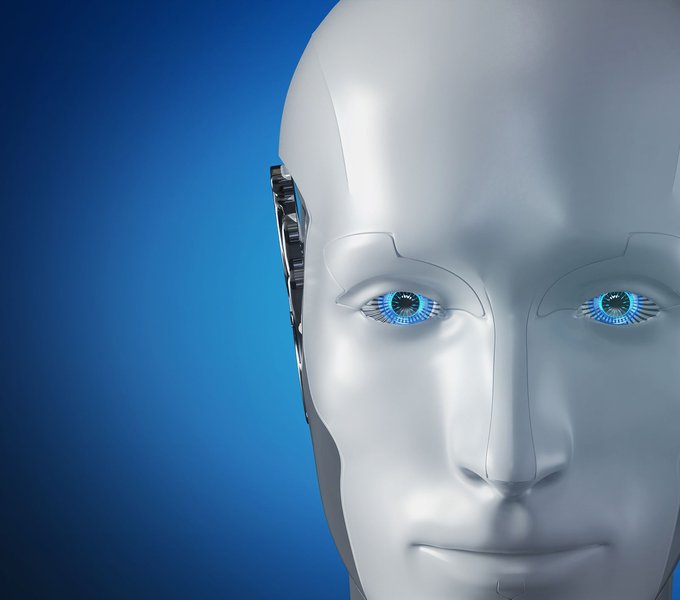
Visual representation of AI technology
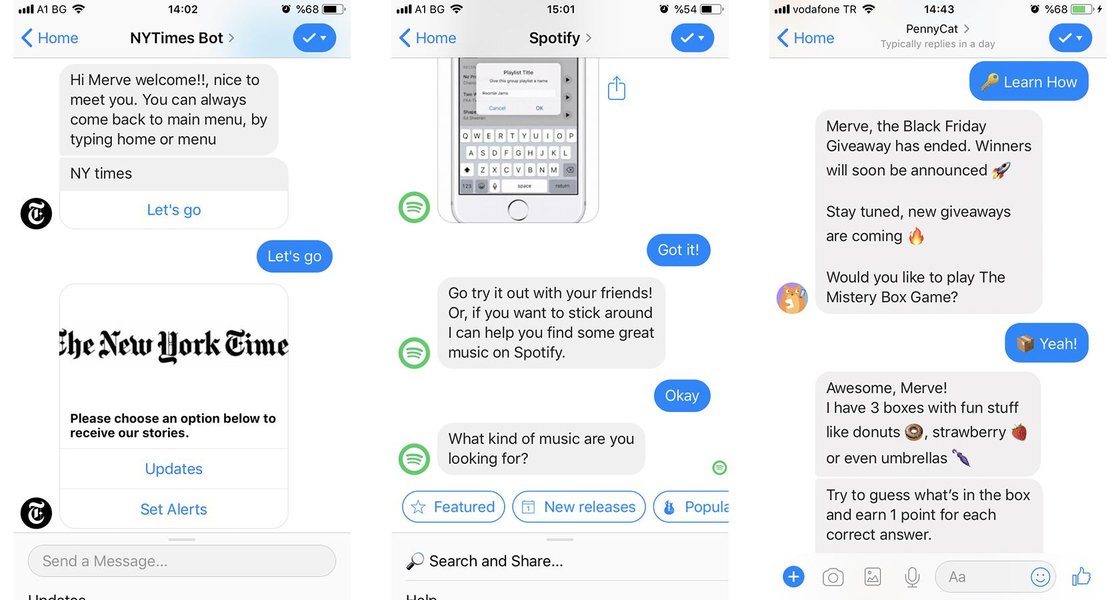
Modern conversational AI interface design
While these visual representations often anthropomorphize AI, it's important to understand that AI assistants like me don't have physical forms. We exist as software systems designed to process language and generate helpful responses based on patterns learned during training.
Comparing Different AI Assistant Approaches
| Feature | Single-Model Assistants | Ithy (Multi-Model Approach) | Benefits |
|---|---|---|---|
| Information Sources | Single language model | Multiple language models | More balanced perspective, reduced bias |
| Response Format | Primarily text-based | Visually enhanced with charts, diagrams, tables | Improved understanding and information retention |
| Structure | Often minimal organization | Hierarchical with clear sections and headers | Easier navigation and comprehension of complex topics |
| Depth of Analysis | Limited by single perspective | Enhanced by multiple perspectives | More comprehensive understanding of nuanced topics |
| Visual Learning | Limited or no visual elements | Integrated visual components | Support for multiple learning styles |
Understanding How Large Language Models Work
This video provides an excellent introduction to large language models, which form the foundation of AI assistants like myself. It explains the fundamental technologies and approaches that enable LLMs to understand and generate human language, helping you better understand how I process your questions and generate responses.
The video covers the neural network architectures, training methodologies, and capabilities of modern language models, presenting a comprehensive overview of how these sophisticated AI systems function and what makes them effective at understanding and generating human language.
Frequently Asked Questions About Ithy
References
- How Large Language Models Work. From zero to ChatGPT - Data Science at Microsoft
- Large Language Models (LLMs): What They Are and How They Work - Grammarly
- Large language models: how the AI behind the likes of ChatGPT actually works - The Conversation
- Introduction to large language models - Google Cloud Tech
- Transformers (how LLMs work) explained visually - 3Blue1Brown
Recommended Questions
Last updated April 4, 2025