
Inventory Management Practices on Selected Street Fruit Vendors in Carbon Public Market, Cebu City
Exploring the challenges and opportunities in managing fresh produce inventory on a bustling market stage
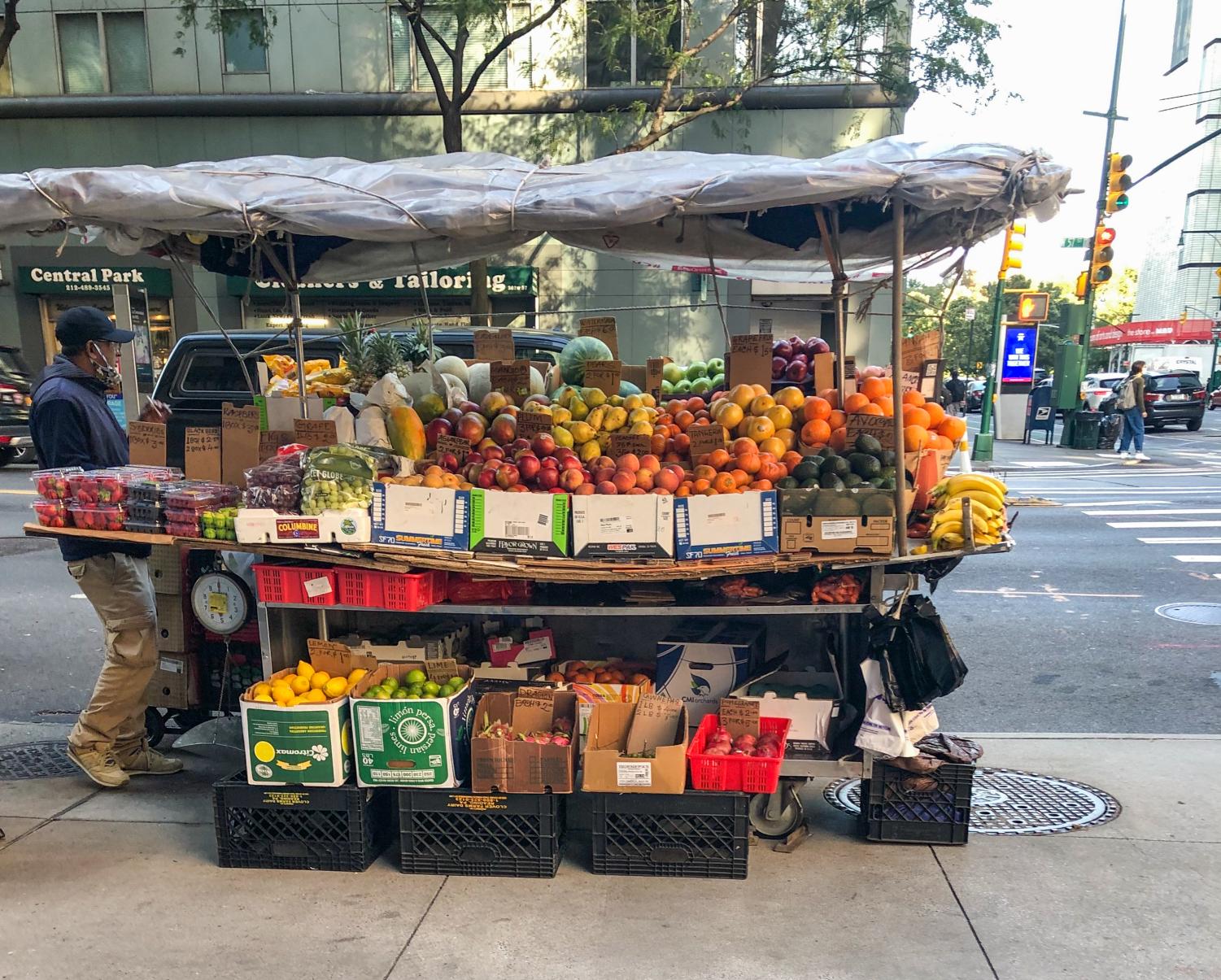
Highlights
- Key Challenges: Perishability, seasonal fluctuations, and limited storage.
- Opportunities for Modernization: Technology adoption, community collaboration, and training programs.
- Effective Practices: Daily procurement, visual checks, and implementation of FIFO methods.
Introduction
The Carbon Public Market in Cebu City is renowned for its vibrant trading environment and is home to a number of street fruit vendors who play an integral role in supplying fresh produce to the community. Managing a diverse and perishable inventory in this bustling setting comes with a unique set of challenges and opportunities. This article examines the inventory management practices among selected street fruit vendors at the market, exploring both the obstacles they face and the potential opportunities to enhance their operations.
Current Inventory Management Practices
Daily Procurement and Visual Inventory Control
Street fruit vendors predominantly rely on daily procurement strategies. By purchasing fruits fresh from local farmers and wholesalers each day, vendors ensure that their stock remains as fresh as possible, minimizing waiting times that might lead to spoilage. Due to the dynamic nature of the market, vendors typically use visual inspections as a primary method to gauge inventory levels. This practice leans on extensive personal experience and gut-feeling rather than formalized systems.
First-In-First-Out (FIFO) Method
A widely adopted practice among these vendors is the First-In-First-Out (FIFO) method. This approach ensures that the oldest produce is sold first to avoid deterioration. However, even with this practice, the rapid perishability associated with fruits requires constant vigilance and timely restocking.
Challenges in Inventory Management
Environmental and Seasonal Variations
One of the most significant challenges is the impact of environmental factors. For example, extreme weather conditions, such as those brought by El Niño, can intensify heat, making it difficult to store unsold fruits properly. The high temperatures accelerate the spoilage process, resulting in increased financial losses as vendors are forced to sell their produce at lower prices or dispose of damaged products.
Seasonal Supply and Demand Fluctuations
Seasonal variability plays a critical role in the availability of specific fruits. During certain times of the year, some fruits may become scarce, while in other periods, there may be an oversupply, disrupting market equilibrium. These variations require vendors to constantly adjust their inventory and pricing strategies. For instance, during local events like Holy Week, fluctuations in consumer demand are notable, prompting vendors to speed up their stock rotation.
Limited Storage Capacity and Logistical Constraints
Unlike modern supermarkets or high-end retail chains, street fruit vendors often have minimal storage facilities. Most rely on improvised storage methods using foam, ice, and other rudimentary techniques which only offer brief respite against spoilage. The lack of adequate refrigeration or controlled storage environments means that even with best practices like FIFO, maintaining the quality of fruits over several hours can be challenging.
Logistical Challenges
Logistical issues further compound inventory management problems. Transportation delays, irregular supplies, and price fluctuations due to market or weather changes have a significant impact. Vendors often deal with supply chain volatility where last-minute changes force them to adapt quickly, making it essential to have effective contingency plans and strong relationships with local suppliers.
Competition and Market Pressures
The competitive nature of Carbon Public Market means that vendors are not only competing on price; they are also vying for customer loyalty and satisfaction. With many vendors offering similar products, effective inventory management becomes a tactical advantage. However, limited resources and a general lack of formal training in advanced inventory techniques can leave many vendors at a disadvantage.
Opportunities for Enhancing Inventory Management
Community Support and Collaborative Purchasing
One promising opportunity lies in building community support networks. By forming associations or cooperatives, vendors can share market insights, pool resources, and negotiate better prices from suppliers. Collaborative purchasing, where vendors buy in bulk collectively, can significantly reduce per-unit costs and enhance their bargaining power.
Market Information Sharing
Regular exchange of market trends, price updates, and seasonal forecasts among vendors can lead to more informed inventory decisions. When vendors are aware of fluctuations long in advance, they are better positioned to adjust their stock levels, manage pricing, and reduce losses from unsold produce.
Technology Integration and Digital Solutions
While many vendors currently rely on traditional practices, the introduction of digital tools presents a significant opportunity for improvement. Simple mobile applications and inventory management software can provide real-time insights into stock levels, alert vendors about low inventory, and help forecast demand based on historical data. Such tools can streamline their operations and enable better decision-making.
Embracing Basic Digital Tracking Systems
Even minimal digital intervention, such as using mobile spreadsheets or dedicated apps tailored for small businesses, can introduce a level of precision that is otherwise missing in conventional practices. Careful data logging can help vendors identify patterns and optimize their procurement processes.
Training and Education
Investing in training programs specifically designed for small-scale vendors can empower them to adopt modern inventory techniques. Workshops conducted by local government bodies, non-governmental organizations, or chambers of commerce can address topics such as bookkeeping, basic accounting, and inventory management best practices. With enhanced knowledge, vendors can better respond to market dynamics and reduce losses attributable to spoilage.
Structured Training Initiatives
Structured training that covers both theoretical concepts and practical applications, including hands-on training with digital tools, has a high potential to improve operational efficiency. Such programs not only illustrate effective management techniques but also foster a sense of community among vendors, opening the door for collaborative strategies.
Comparative Analysis of Practices and Strategies
To better understand the state of inventory management among street fruit vendors in Carbon Public Market, the following table provides a comparative analysis of key practices, challenges, and viable opportunities:
| Aspect | Description | Challenges | Opportunities |
|---|---|---|---|
| Procurement | Daily stock purchase from local farmers/wholesalers | Risk of overstocking and seasonal scarcity | Adopting collaborative procurement strategies |
| Inventory Control | Visual monitoring and FIFO method | Limited formal tracking leads to errors | Implementing digital inventory tracking systems |
| Storage | Improvised storage using foam, ice, and basic materials | Insufficient infrastructure causing rapid spoilage | Investment in improved refrigeration and storage facilities |
| Market Dynamics | Operating in a highly competitive and volatile market | Price fluctuations and supply chain instability | Utilizing market data and information sharing for better decision-making |
| Training | Often reliant on experience with minimal formal training | Lack of updated inventory management education | Participation in regular training programs and workshops |
This comparative overview underscores the need for modernized practices while highlighting the scope for improvement through technology, education, and community-led initiatives.
Detailed Strategies for Improvement
Implementing Digital Inventory Tools
With the advent of readily available digital tools, street fruit vendors have the opportunity to transition from traditional visual tracking to more systematic inventory management techniques. By integrating mobile applications that offer real-time data logging, vendors can eliminate many of the inefficiencies associated with manual counts. Digital tools can simplify the procurement and restocking process, signaling when conditions such as low stocks or impending spoilage require prompt action.
Benefits of Digital Integration
Embracing even basic inventory management software provides several benefits:
- Enhanced accuracy in stock count, reducing instances of overstocking or shortages.
- Ability to forecast seasonal demand changes with historical data analysis.
- Real-time alerts, which can improve the decision-making process regarding restocking and pricing adjustments.
- Simplification of bookkeeping and reconciliation processes for better financial tracking.
Strengthening Vendor Associations and Community Networks
Another pivotal strategy is cultivating stronger vendor networks to foster collaboration. As vendors face similar challenges, being part of an organized group can offer mutual benefits:
Collaborative Purchasing
By pooling resources and negotiating in bulk, vendors not only secure better pricing but also alleviate supply chain inconsistencies. Regular meetings, either in-person or online, can facilitate the exchange of market insights and provide support during times of peak demand or unforeseen shortages.
Market Data and Economic Forecasts
Sharing economic forecasts and localized market data among vendors can improve inventory planning. When vendors can anticipate seasonal demand spikes or drop-offs, it enables them to calibrate their purchasing decisions accordingly, reducing wasted produce due to spoilage.
Advocacy for Better Infrastructure and Training Programs
Effective inventory management practices are not solely the responsibility of individual vendors; they also depend on the broader market ecosystem. Local governments and market management organizations play a crucial role by encouraging initiatives aimed at modernizing infrastructure. The ongoing redevelopment efforts at Carbon Public Market, led by entities such as Megawide Construction Corporation, present a window of opportunity to integrate improved storage facilities. Upgraded storage infrastructure, including temperature-controlled units, could greatly diminish produce losses.
Training Programs and Workshops
Conducting training sessions geared towards modern inventory management techniques is essential. These programs can cover topics such as:
- Basics of inventory tracking and advanced bookkeeping.
- Effective use of digital tools and mobile applications to manage stock.
- Strategies for mitigating the impact of seasonal fluctuations and market variability.
- Risk management practices, including contingency planning during environmental disruptions.
Such training initiatives, organized by local chambers of commerce and government agencies, will empower vendors to transition from traditional methods to more efficient, data-driven practices. Through enhanced knowledge, vendors can optimize their inventory management practices, reduce waste, and achieve improved profitability.
Additional Considerations and Future Prospects
Adapting to Changing Consumer Trends
Today’s consumers are more discerning about the quality and freshness of their produce. With the rise in interest for locally sourced and organic fruits, vendors have an ideal scenario to adjust their inventory practices in alignment with consumer expectations. By paying close attention to shift in preferences and adapting inventory levels based on informed market data, vendors can better meet consumer demand and boost customer satisfaction.
Diversification of Product Offering
Diversifying the range of fruits and related products can create niche market segments that mitigate the risks associated with reliance on a few high-demand items. This strategy not only attracts a broader clientele but also creates cross-selling opportunities which help balance the inventory and reduce the perishable wastage attributable to singular product lines.
Role of Government and Private Sector Collaboration
Government policies that support small-scale vendors by providing infrastructural investments, tax incentives, and training opportunities can bolster effective inventory management. Collaboration between public entities and private sector technology providers could foster initiatives tailored specifically to the needs of local market vendors. This partnership can further enable the creation and deployment of user-friendly technological solutions that cater to the unique context of market operations.
As the market environment continues to evolve, the collaboration between stakeholders will remain a critical element in ensuring a sustainable operating environment for all vendors involved. With the appropriate support and tools in place, the street fruit vendors of Carbon Public Market can not only overcome current challenges but also position themselves to take advantage of emerging trends and opportunities in the broader retail landscape.
References
- Carbon Market - Wikipedia
- Ordinance to regulate Cebu City's street vendors pushed - Inquirer
-
Small Business Entrepreneur: The Fresh-cut fruit is a Rising Star - Cebu Chamber
- Fruits, Veggie Vendors Suffer Financial Losses - Sunstar Cebu
- Cebu’s Carbon Market Transformation - Finex
Recommended Queries
 cebusociologist.wordpress.com
Last updated March 5, 2025