
Comprehensive Classification and Characteristics
Explore detailed classification up to the class level with examples and economic insights
Highlights
- Protozoa are diverse unicellular eukaryotes with locomotory adaptations and significant medical importance.
- Porifera (sponges) feature simple multicellularity with distinct classes and substantial economic roles in biomedicine and environmental filtration.
- Cnidaria, Platyhelminthes, and Nematoda showcase structural and functional diversity, with unique characteristics and examples illustrating their ecological and medical significance.
1. Protozoa Classification
The group known as Protozoa consists of unicellular eukaryotes traditionally grouped within the kingdom Protista. Despite advances in molecular phylogenetics leading to shifting taxonomic interpretations, protozoa remain an important assemblage in biological studies due to the diversity of their morphological and locomotory adaptations. Their classification up to the class level is largely based on their method of movement, feeding strategies, and cellular organization.
1.1. Classes of Protozoa
1.1.1. Class Mastigophora (Flagellates)
This class is characterized by the use of one or more flagella to facilitate movement through the cellular environment. The flagella provide a whip-like motion, essential not only for locomotion but also for the capture of food particles. Notable genera under this class include:
- Euglena: Often studied for its photosynthetic capabilities, similar to plants, while retaining features of protists.
- Trypanosoma: Although often pathogenic, this genus includes species significant in causing diseases like sleeping sickness.
1.1.2. Class Sarcodina (Ameboids)
Members of this class primarily utilize pseudopodia—temporary extensions of the cell—to move and engulf food. Their flexible cell membrane and cytoplasmic streaming are adaptations that facilitate phagocytosis, a key mode of nutrition. Major examples include:
- Amoeba: A common representative known for its shifting, fluid morphology.
- Entamoeba: Includes parasitic species responsible for amoebiasis.
1.1.3. Class Sporozoa (Apicomplexa)
This class consists of organisms that typically have a parasitic lifestyle with complex life cycles involving multiple hosts. Mature stages in many of these parasites are often non-motile, and they reproduce by forming spores. They are characterized by specialized organelles used to invade host cells. Prominent examples include:
- Plasmodium: The causative agent of malaria.
- Toxoplasma gondii: Known for its ability to infect a wide range of warm-blooded animals including humans.
1.1.4. Class Ciliophora (Ciliates)
Protozoa within this class utilize hair-like structures known as cilia for both locomotion and food intake. They possess a distinctive dual nuclear apparatus with a macronucleus governing everyday cell functions and a micronucleus involved in reproduction. Classic representatives include:
- Paramecium: Widely studied as a model organism in cellular biology and genetics.
- Vorticella: Recognized for its contractile stalk used to anchor onto substrates.
2. Porifera: Classification, Characteristics, and Economic Importance
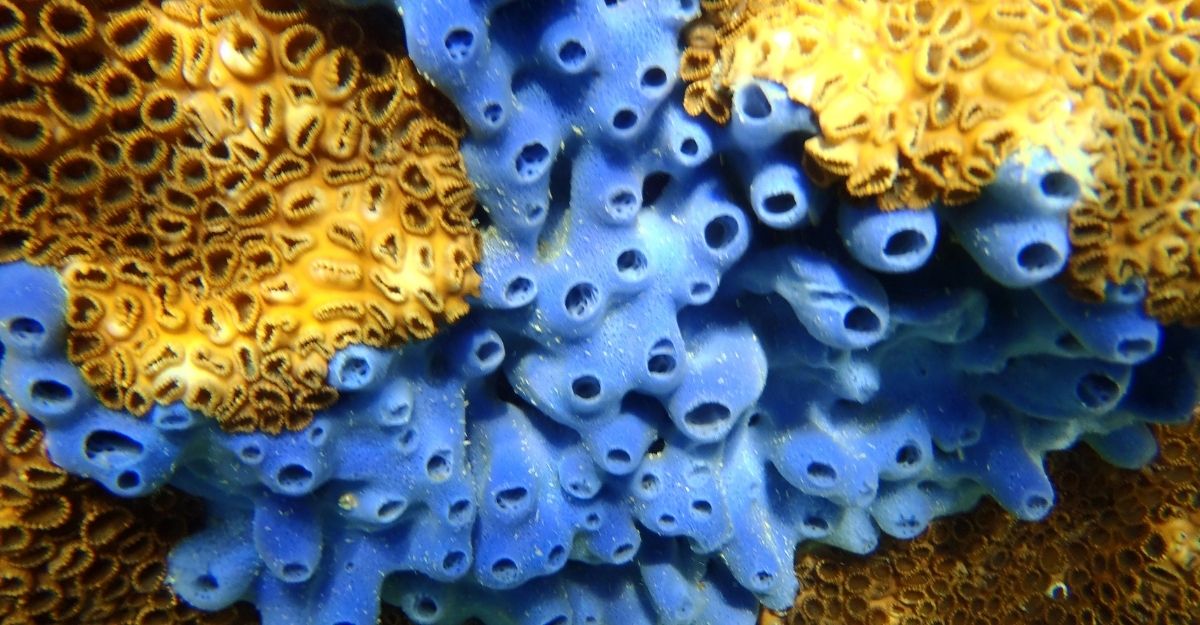
Porifera, commonly known as sponges, are among the most primitive multicellular organisms within the Kingdom Animalia. Their structural simplicity is contrasted by a significant contribution to aquatic ecosystems and human economies. Sponges display a cellular level of organization, lacking true tissues and organs, yet fulfilling vital roles in marine and freshwater ecosystems.
2.1. Classes of Porifera
2.1.1. Class Calcarea
Calcarea comprises sponges with a skeleton composed of calcium carbonate spicules. These sponges tend to exhibit a simpler organization and are primarily marine dwellers. Notable examples include:
- Sycon: A representative calcareous sponge exhibiting a tubular structure.
- Leucosolenia: Often found in shallow marine environments and recognized in basic marine biology studies.
2.1.2. Class Hexactinellida
This group, known as glass sponges, is characterized by the presence of siliceous spicules that typically exhibit six rays. Glass sponges are mostly found in deep-sea settings and are known for producing intricate skeletal lattices. An iconic example is:
- Euplectella: Often referred to as the “Venus’s flower basket,” highlighting its delicate yet robust structure.
2.1.3. Class Demospongiae
Demospongiae represents the largest and most diverse class of sponges. Their skeletons may be composed of siliceous spicules, spongin fibers, or both, adapting them to a wide range of habitats, including freshwater and marine ecosystems. Classic examples include:
- Bath sponges: Harvested commercially due to their absorbent bodies used in bathing and cleaning.
- Spongilla: A freshwater sponge that illustrates the adaptability and diversity of the class.
2.2. Economic Importance of Porifera
Beyond their biological role as filter feeders and environmental indicators, sponges contribute to human economies in several ways. The following points summarize their economic importance:
- Biomedical Research: Sponges are a rich source of bioactive compounds. Research on their secondary metabolites has led to the discovery of molecules with anticancer, antimicrobial, and anti-inflammatory properties, fueling pharmaceutical developments.
- Bathing and Cleaning Sponges: Many sponge species produce soft, absorbent bodies ideal for commercial bathing sponges and cleaning materials. Their natural properties enable them to absorb water and other substances, making them a sustainable alternative in various industries.
- Environmental Filtration: As efficient filter feeders, sponges play a crucial role in maintaining aquatic ecosystems by processing vast amounts of water. This natural filtration helps improve water quality, benefiting both aquatic life and human activities such as aquaculture.
- Biomaterials and Aquaculture: The unique skeletal structures and chemical compounds found in sponges have applications in biomaterials research, tissue engineering, and even insulation. Additionally, by enhancing water quality, they support aquaculture practices.
2.3. Porifera Classification Summary Table
| Class | Key Characteristics | Examples |
|---|---|---|
| Calcarea | Calcium carbonate spicules; simple tubular organization | Sycon, Leucosolenia |
| Hexactinellida | Siliceous six-rayed spicules; often deep-sea dwelling with intricate skeletons | Euplectella |
| Demospongiae | Siliceous spicules/spongin fibers; most diverse, found in various aquatic habitats | Bath sponges, Spongilla |
3. Coelenterata (Cnidaria) Classification
Often referred to using the older term Coelenterata, the phylum Cnidaria encompasses a wide range of aquatic animals known for their distinctive stinging cells, or cnidocytes. These animals exhibit a tissue level of organization and feature either a polyp or medusa body form. Their classification up to the class level is essential for understanding their complex life cycles and ecological roles.
3.1. Classes within Cnidaria
3.1.1. Class Hydrozoa
Hydrozoans generally exhibit both polyp and medusa stages in their life cycles. They often form colonies and in some cases have specialized zooids for different functions. Key examples include:
- Hydra: A freshwater organism used extensively in regeneration studies.
- Physalia (Portuguese man-of-war): Known for its painful sting and colonial organization.
3.1.2. Class Scyphozoa (True Jellyfish)
This class includes jellyfish that primarily manifest as medusas with conspicuous rhythmic pulsations. They display a dominant medusa stage and have a reduced or absent polyp phase. Notable representatives include:
- Aurelia: Commonly known as the moon jellyfish, recognized worldwide.
- Cyanea: Known as the lion's mane jellyfish, notable for its considerable size.
3.1.3. Class Anthozoa
In stark contrast to the other classes, Anthozoa members exist solely as polyps, eliminating any medusa form. This class comprises organisms such as corals and sea anemones, which are critical in forming reef ecosystems and provide habitat to diverse marine life. Examples include:
- Sea Anemones: Known for their vibrant colors and symbiotic relationships with clownfish.
- Corals: Fundamental architects of coral reef systems, supporting extensive biodiversity.
4. Platyhelminthes Classification
Platyhelminthes, commonly known as flatworms, are characterized by their flattened, bilateral body plan. This phylum exhibits organ-level organization despite its overall simplicity, lacking a true coelom. Their ecology spans free-living and parasitic lifestyles, with structural adaptations that support diverse modes of life.
4.1. Classes within Platyhelminthes
4.1.1. Class Turbellaria
Turbellarians include free-living flatworms predominantly found in aquatic environments. They possess ciliated epidermis that facilitates locomotion and predation on small organisms. A classic example includes:
- Planaria: Often used in regeneration research due to their remarkable ability to rebuild lost body parts.
4.1.2. Class Trematoda (Flukes)
This class consists of parasitic flatworms that often have complex life cycles involving multiple hosts. Structurally, trematodes are leaf-shaped with specialized suckers that enable them to attach to host tissues. Notable examples are:
- Fasciola hepatica: Known as the liver fluke, which causes fascioliasis in several mammals.
- Schistosoma: Blood flukes responsible for schistosomiasis in humans.
4.1.3. Class Cestoda (Tapeworms)
Cestodes are endoparasitic flatworms whose bodies consist of a series of segments, known as proglottids. They lack a digestive system, instead absorbing nutrients across their tegument. These adaptations make them efficient parasites. Representative examples include:
- Taenia solium: The pork tapeworm, which poses significant health risks when ingested by humans.
- Echinococcus: Tapeworms which can lead to serious health conditions such as hydatid disease.
5. Nematehelminthes (Nematoda) Classification
Nematoda, commonly known as roundworms, are characterized by their elongated, cylindrical bodies and pseudocoelomate structure. They possess a complete digestive system and exhibit bilateral symmetry. Although the term “Nematehelminthes” is occasionally used, the correct and widely accepted phylum name is Nematoda. Their classification up to the class level is based on morphological and molecular features.
5.1. Classes within Nematoda
5.1.1. Class Adenophorea
This group generally lacks specialized sensory structures called phasmids. Members are mostly free-living and inhabit a diverse array of ecosystems including marine and soil environments. An example includes:
- Trichinella: Although parasitic in some forms, it illustrates the diversity of body plans within nematodes.
5.1.2. Class Secernentea
Roundworms within this class are characterized by the presence of phasmids, which act as sensory organs. Secernentea includes many species of medical and veterinary importance due to their parasitic lifestyles. Key examples are:
- Ascaris lumbricoides: The human roundworm, known for causing ascaridiasis.
- Ancylostoma: Commonly referred to as hookworms, which are significant parasites in both humans and animals.
Conclusion and Final Thoughts
The classification of major invertebrate groups such as Protozoa, Porifera, Cnidaria (formerly known as Coelenterata), Platyhelminthes, and Nematoda reveals a fascinating diversity in the organization and function of these organisms. Each group is differentiated by unique characteristics that aid in their identification and ecological functioning. Protozoa are identified by their motility apparatus—be it flagella, pseudopodia, or cilia—and include both free-living and parasitic forms. The simple organization of Porifera belies their ecological importance and economic potential, particularly in the biomedical and industrial sectors.
Cnidarians exhibit a range of life cycle strategies, from the colonial existence of hydrozoans to the free-swimming medusae of scyphozoans and the exclusively polypoid nature of anthozoans, which together support vibrant marine ecosystems such as coral reefs. Flatworms within the Platyhelminthes are exemplary for their regenerative capabilities and complex parasitic strategies, while Nematodes, with their robust tubular structure and complete digestive systems, underscore the diversity of parasitic and free-living lifestyles in terrestrial and aquatic environments.
These classifications not only enhance our understanding of biodiversity but also open avenues for research in medicine, ecology, and biotechnology. Whether elucidating the pathogenesis of parasitic diseases or exploiting bioactive substances from sponges, the study of these organisms continues to offer significant insights into both evolutionary biology and practical applications.
References
- Classification of Protozoa - CliffsNotes Biology
- Protozoa General Characteristics and Classification - Online Biology Notes
- Economic Importance of Porifera - CK-12
- Marine Invertebrates - Sponge Information - MarineBio
- Porifera: Definition, Characteristics, and Classification - Biology Notes Online
Recommended Queries
Last updated February 25, 2025