
Cybersecurity in the Age of IoT
Protecting a Connected World: Navigating IoT Security Challenges
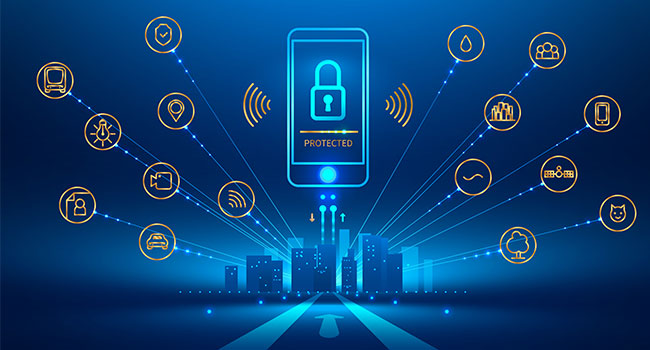
Key Takeaways
- Diverse Attack Surface: The proliferation of IoT devices exponentially increases the potential entry points for cyber threats.
- Essential Security Practices: Implementing robust authentication, regular updates, and encryption are critical in safeguarding IoT ecosystems.
- Future Trends: AI-driven security measures and standardized protocols are shaping the future of IoT cybersecurity.
Introduction
The Internet of Things (IoT) has revolutionized the way we interact with technology, integrating intelligence into everyday objects and systems. From smart homes and wearable devices to industrial control systems and connected vehicles, the interconnectedness fostered by IoT offers immense benefits in terms of efficiency, convenience, and innovation. However, this pervasive connectivity also introduces significant cybersecurity challenges that must be addressed to ensure the safety, privacy, and reliability of these networks.
Understanding the IoT Cybersecurity Landscape
The Expanding IoT Ecosystem
As of 2025, the number of IoT devices globally has surged to an estimated 25 billion, encompassing a wide array of applications across residential, commercial, industrial, and healthcare sectors. This explosive growth highlights the transformative potential of IoT but also underscores the amplified cybersecurity risks inherent in managing such a vast and diverse network of connected devices.
Unique Security Challenges in IoT
1. Diverse Device Vulnerabilities
IoT devices vary significantly in their hardware and software configurations, many of which lack robust built-in security features. This diversity complicates the implementation of standardized security measures. Common vulnerabilities include weak or default passwords, insufficient encryption, and limited computational resources, which hinder the deployment of comprehensive security protocols.
2. Inadequate Update Mechanisms
Regular software updates and patches are crucial for addressing security flaws and mitigating emerging threats. However, many IoT devices lack the capability for seamless over-the-air (OTA) updates, leaving them susceptible to prolonged periods of vulnerability. The absence of a systematic update process can lead to persistent security gaps that are exploited by cyber actors.
3. Expanded Attack Surface
Each additional IoT device increases the overall attack surface of a network, providing more opportunities for potential breaches. The vast number of devices, each with unique security postures, creates a complex environment where managing and securing every node becomes a formidable task.
4. Data Privacy and Integrity
IoT devices are prolific data generators, collecting and transmitting vast amounts of sensitive information. Ensuring the privacy and integrity of this data is paramount, as breaches can lead to unauthorized access, data theft, and misuse of personal or corporate information. Inadequate encryption and secure data storage practices exacerbate these risks.
5. Physical Security Risks
Some IoT devices, particularly those integrated into critical infrastructure or used in physical settings (e.g., healthcare devices or industrial sensors), present unique physical security challenges. An attacker with physical access to these devices can manipulate or disable them, leading to potential operational disruptions or safety hazards.
Common Cybersecurity Threats to IoT
1. Botnets and Distributed Denial of Service (DDoS) Attacks
Botnets comprised of compromised IoT devices pose a significant threat, as evidenced by incidents like the Mirai botnet attack. These networks of hijacked devices can launch massive DDoS attacks, overwhelming target systems with traffic and causing widespread service outages. The use of IoT devices in such attacks underscores the importance of securing each node to prevent their exploitation.
2. Data Breaches and Unauthorized Access
Exploited vulnerabilities in IoT devices can lead to unauthorized access to sensitive data. Attackers can intercept data transmissions, access corporate networks, or manipulate the data collected by IoT devices, resulting in data breaches that compromise both individual privacy and organizational security.
3. Ransomware and Malware Deployment
Malware and ransomware targeting IoT devices can disrupt operations, especially in industrial and healthcare settings. Compromised devices can serve as entry points for deploying malicious software that affects entire networks, leading to operational paralysis and financial losses.
Best Practices for Securing IoT
1. Implementing Secure Design Principles
Security should be integrated into the IoT device lifecycle from the outset. This includes incorporating features such as secure boot processes, hardware-based security modules, and rigorous encryption standards. Adopting secure design principles ensures that devices are resilient against common attack vectors.
2. Robust Authentication and Authorization
Strong authentication mechanisms, including multi-factor authentication and unique, complex passwords, are essential to prevent unauthorized access. Implementing proper authorization protocols ensures that only legitimate users and systems can interact with IoT devices, thereby enhancing overall security.
3. Regular Software Updates and Patch Management
Establishing a systematic approach to software updates and patch management is critical for addressing security vulnerabilities. Over-the-air (OTA) update capabilities allow for timely deployment of patches, ensuring that devices remain protected against known threats.
4. Data Encryption and Secure Communication
Encrypting data both in transit and at rest is vital for protecting sensitive information collected and transmitted by IoT devices. Implementing end-to-end encryption protocols safeguards data from interception and tampering, thereby maintaining its confidentiality and integrity.
5. Network Segmentation and Access Control
Dividing network infrastructure into segmented zones can limit the lateral movement of attackers within a network. Implementing strict access control measures ensures that compromised devices cannot be used to infiltrate other parts of the network, thereby containing potential breaches.
6. Continuous Monitoring and Incident Response
Real-time monitoring and logging enable the timely detection of anomalous activities and potential security breaches. Developing comprehensive incident response plans allows organizations to quickly address and mitigate the impact of security incidents when they occur.
7. Adherence to Security Standards and Frameworks
Following established cybersecurity standards, such as ISO 27001 and the NIST Cybersecurity Framework, provides a structured approach to managing IoT security risks. These standards offer best practices and guidelines that help organizations systematically address the unique challenges posed by IoT environments.
Strategies and Technologies Enhancing IoT Cybersecurity
1. Artificial Intelligence and Machine Learning
AI and machine learning technologies are increasingly being leveraged to enhance IoT security. These technologies can analyze vast amounts of data to identify patterns, predict potential threats, and automate the detection and response to security incidents. By continuously learning from new data, AI systems can adapt to evolving threats, making them valuable tools in the defense against cyber attacks.
2. Edge Computing Security
As processing power moves closer to IoT devices through edge computing, new security measures are necessary to protect decentralized systems. Edge security involves safeguarding data and computations at the edge of the network, reducing reliance on centralized systems and minimizing latency in threat detection and response.
3. Zero Trust Architecture
Zero trust models emphasize continuous verification of all users and devices, regardless of their location within the network. By adopting a zero trust approach, organizations can ensure that every access request is authenticated and authorized, thereby reducing the risk of unauthorized access and lateral movement within the network.
4. Public Key Infrastructure (PKI)
Implementing PKI strategies ensures secure data exchange through encryption, authentication, and digital signatures. PKI provides the foundation for establishing trust in IoT environments, enabling secure communication and data integrity across diverse devices and platforms.
Industry and Regulatory Responses
1. Development of International Standards
International standards, such as those developed by ISO and NIST, play a critical role in defining best practices for IoT security. These standards provide comprehensive guidelines for risk management, security controls, and compliance requirements, facilitating a unified approach to IoT cybersecurity across different industries and regions.
2. Government Legislation and Regulations
Governments worldwide are enacting legislation to enforce security standards in IoT device manufacturing and deployment. These regulations mandate compliance with specific security protocols, ensuring that manufacturers integrate essential security features and practices into their products. Such legislative measures help establish a baseline level of security across the IoT ecosystem.
3. Collaborative Efforts
Effective IoT cybersecurity requires collaboration between manufacturers, cybersecurity experts, regulatory bodies, and other stakeholders. By sharing information, best practices, and threat intelligence, these collaborative efforts enhance the collective ability to address and mitigate emerging security threats.
Critical Sectors Affected by IoT Cybersecurity
1. Smart Homes
Smart home devices, including thermostats, security cameras, and smart appliances, offer convenience but also introduce vulnerabilities that can be exploited to invade privacy or disrupt daily life. Ensuring robust security measures in these devices is essential to protect homeowners from cyber threats.
2. Industrial Control Systems (ICS)
IoT-enabled industrial systems enhance operational efficiency but are prime targets for cyber attacks that can cause significant disruptions, financial losses, and safety hazards. Securing ICS requires comprehensive strategies that address both IT and operational technology (OT) domains.
3. Healthcare Devices
Connected medical devices, such as insulin pumps and remote monitoring systems, collect and transmit sensitive health data. Ensuring the security of these devices is paramount to protect patient privacy and prevent malicious manipulation that could jeopardize patient safety.
4. Automotive Systems
IoT integration in automotive systems, including connected cars and smart traffic management, enhances functionality but also presents risks related to vehicle safety and data privacy. Securing automotive IoT devices is critical to prevent unauthorized access and ensure the safe operation of vehicles.
Future Outlook and Emerging Trends
1. Enhanced AI-Driven Security Solutions
The future of IoT cybersecurity will likely see increased integration of AI and machine learning to provide more sophisticated threat detection and response capabilities. These technologies can offer real-time analysis of security data, enabling proactive identification and mitigation of potential threats before they materialize.
2. Standardization of Security Protocols
The push towards more standardized security protocols will facilitate the implementation of consistent security measures across different IoT devices and platforms. Standardization efforts aim to simplify the adoption of best practices, reduce interoperability issues, and enhance overall security posture within the IoT ecosystem.
3. Increased Focus on Privacy Protection
As data privacy concerns grow, future IoT security strategies will place a stronger emphasis on protecting personal and sensitive information. This includes the implementation of encryption, data anonymization, and compliance with privacy regulations to ensure that user data is handled securely and ethically.
4. Adoption of Zero Trust and Micro-Segmentation
Zero trust architectures and micro-segmentation techniques will become more prevalent, promoting a security model where trust is never assumed and each component of the network is individually secured. This approach minimizes the risk of widespread breaches by containing potential threats within isolated segments.
Conclusion
In the age of the Internet of Things, cybersecurity is more crucial than ever. The rapid proliferation of connected devices has ushered in unprecedented levels of convenience and efficiency, yet it has also expanded the potential landscape for cyber threats. Addressing the inherent security challenges of IoT requires a multifaceted approach that incorporates secure design principles, robust authentication mechanisms, regular updates, encryption, and continuous monitoring. Additionally, leveraging emerging technologies such as artificial intelligence and machine learning, alongside adopting standardized security protocols and zero trust architectures, will be key in fortifying IoT ecosystems against evolving threats. Collaborative efforts among manufacturers, cybersecurity experts, and regulatory bodies are essential in establishing a resilient and secure IoT environment that can sustain the benefits of connectivity while mitigating its risks. As IoT continues to integrate into every facet of our lives, prioritizing cybersecurity will be fundamental in maintaining trust, safeguarding data, and ensuring the safe and reliable operation of connected devices.
References
 docs.aws.amazon.com
Cybersecurity Best Practices for IoT
| Best Practice | Description |
|---|---|
| Secure Design | Integrate security features from the development stage, including encryption and secure boot. |
| Strong Authentication | Use multi-factor authentication and unique, complex passwords to prevent unauthorized access. |
| Regular Updates | Implement over-the-air updates to promptly patch vulnerabilities. |
| Network Segmentation | Divide networks into segments to limit the spread of potential breaches. |
| Continuous Monitoring | Monitor network activities in real-time to detect and respond to threats swiftly. |
Last updated February 12, 2025