
PhD Research on Boosting IoT Security with AI and Decentralized Networks
Discover how AI and blockchain innovations are reshaping IoT vulnerability management
Key Insights
- AI-Powered Security: Leveraging machine learning for anomaly detection, predictive analytics, and automated threat response in IoT systems.
- Decentralized Networks: Employing blockchain and peer-to-peer architectures to eliminate single points of failure and ensure data integrity.
- Research & Integration: Advancing PhD research to integrate AI with blockchain, enhancing scalable, privacy-respecting security frameworks.
Overview of IoT Security Challenges
The expansion of the Internet of Things (IoT) has enabled billions of devices to interconnect, bringing transformative benefits but also introducing significant security concerns. With diverse devices operating on limited resources, heterogeneous protocols, and a constant influx of data, traditional centralized security models have fallen short. The vulnerabilities range from device heterogeneity and scalability issues to insufficient processing capabilities for robust encryption and anomaly detection.
Challenges Faced by IoT Systems
Device Heterogeneity
IoT devices vary in operating systems, communication protocols, and resource constraints. This diversity makes it difficult to deploy uniform security measures, leading to potential gaps in protection.
Scalability and Resource Constraints
As IoT networks grow, centralized security systems can struggle to keep up. Limited computing power and memory in devices restrict the deployment of effective, sophisticated security algorithms.
Data Privacy and Interoperability
The massive streams of data produced by IoT devices often contain sensitive information. Without standard protocols, ensuring privacy and preventing unauthorized data access becomes a persistent challenge.
Integrating AI in IoT Security and Vulnerability Management
Artificial Intelligence (AI) introduces significant advancements in the realm of IoT security. By harnessing machine learning (ML) and deep learning (DL) techniques, AI systems can dynamically analyze network behaviors, detect anomalies, and respond to emerging threats in real time.
Advanced AI Techniques for Security
Anomaly Detection and Intrusion Systems
Machine learning algorithms can examine vast quantities of network data to identify aberrations from normal operations. Supervised learning models classify behaviors by recognizing typical patterns, while unsupervised models detect abnormal patterns—even those never encountered before—making it possible to trigger alerts and remedial actions immediately.
Predictive Analytics
Through the analysis of historical and real-time data, AI-driven predictive models are capable of forecasting potential vulnerabilities. This proactive approach allows for timely mitigation measures before threats escalate into critical incidents.
Automated Response Mechanisms
AI systems can be configured to execute automated responses in the event of detected security breaches. This capacity for immediate intervention minimizes human response time, which is crucial in high-stakes security breaches, especially in environments with abundant IoT devices.
Decentralized Network Technologies: Transforming IoT Security
Alongside AI, decentralization through blockchain technology has emerged as a robust solution to enhance IoT security. By moving away from centralized architectures, decentralized networks significantly reduce the risk of single points of failure. In this approach, every node in the network contributes to data processing and storage, ensuring the system's resilience and transparent integrity.
Core Attributes of Decentralized IoT Networks
Blockchain Integration
Blockchain technology offers secure, immutable data records through distributed ledgers. This characteristic is critical for managing identities, device authentication, and ensuring reliable data exchange among IoT devices.
Peer-to-Peer Architectures
Moving from centralized servers to peer-to-peer models reduces significant maintenance costs while enhancing resilience. Each IoT device or “fog node” processes and stores data locally, diminishing the risk associated with centralized data center failures.
Smart Contracts for Automated Security
Smart contracts on blockchain platforms facilitate automated execution of security protocols and device management without human intervention. This not only simplifies the enforcement of security policies but also contributes to a transparent, audit-friendly framework.
Hybrid Solutions: The Synergistic Benefits of AI and Decentralization
The convergence of AI and decentralized network technologies presents an exciting avenue for research, particularly at the PhD level. By integrating AI’s data analysis and threat prediction capabilities with the distributed, secure nature of blockchain, cutting-edge hybrid systems can be developed to address complex security requirements.
Research Areas and Innovative Frameworks
Federated Learning
Federated learning allows AI models to be trained across multiple decentralized devices without sharing sensitive data. This method is especially relevant in IoT environments where privacy and data confidentiality are paramount.
Decentralized Identity Management
Universities and research institutions are exploring methods for distributed identity verification. Trustworthy decentralized identities improve not only security but also operational efficiency across IoT networks, particularly in applications involving smart cities and healthcare.
Hybrid AI-Blockchain Frameworks
By applying blockchain’s irreversible and transparent data registers with AI's monitoring capabilities, hybrid frameworks offer real-time threat detection, automated incident response, and enhanced forensic capabilities. Such systems have the potential to revolutionize how vulnerabilities are managed across IoT networks.
Technical Comparison: IoT Challenges and Solutions Table
The table below summarizes the major IoT security challenges and the corresponding AI and decentralized solutions that help mitigate these issues.
| IoT Security Challenge | AI-Powered Solution | Decentralized Approach |
|---|---|---|
| Device Heterogeneity | Anomaly detection via machine learning models to adjust to diverse behaviors | Blockchain-based identity management ensuring uniform device authentication |
| Scalability and Resource Constraints | Predictive analytics and automated threat response reducing manual intervention | Peer-to-peer architecture reducing centralized overload and increasing resilience |
| Data Privacy Concerns | Federated learning for privacy-preserving distributed data analytics | Decentralized data storage using blockchain to secure sensitive information |
| Single Point of Failure | Continuous monitoring and quick AI-triggered responses to isolate breaches | Multiple nodes in decentralized networks providing system redundancy and fault tolerance |
| Interoperability Issues | Adaptive algorithms that learn and adjust across varying operational contexts | Universal, decentralized protocols ensuring uniform communication standards |
Visual Analytics: Radar Chart of Key Security Factors
The radar chart below represents a subjective analysis of different security factors based on AI and decentralized networks integration in IoT environments. Each dataset reflects the perceived strength of the system in various dimensions such as anomaly detection, scalability, data integrity, privacy enhancement, and automated response.
Multimedia for Enhanced Understanding
To further illustrate the integration of AI and decentralized networks in IoT security, please view the following media resources:
Informative YouTube Video
The video below offers insights into how AI is revolutionizing IoT security by enabling rapid threat detection and establishing resilient security protocols. It is a valuable resource for researchers and practitioners alike.
Relevant Images
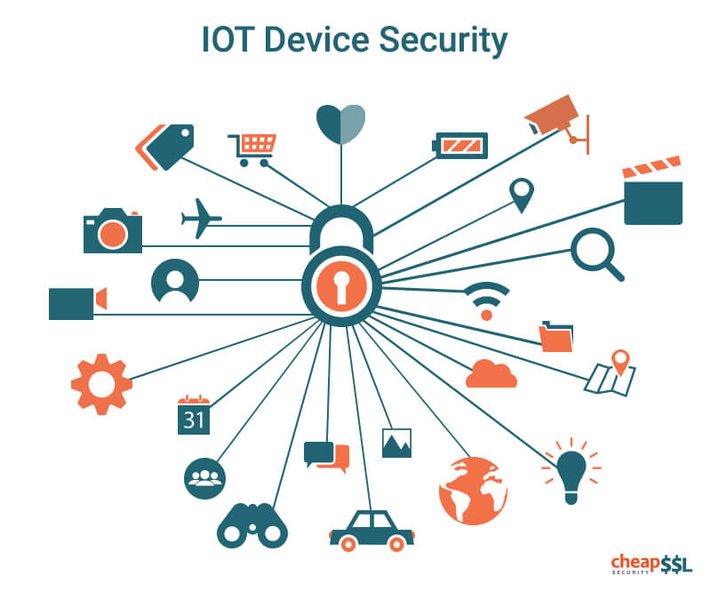
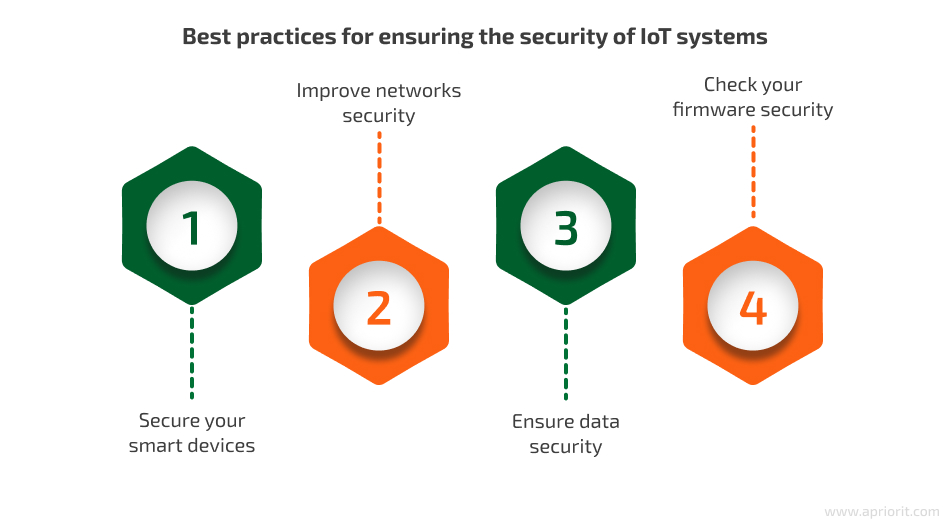
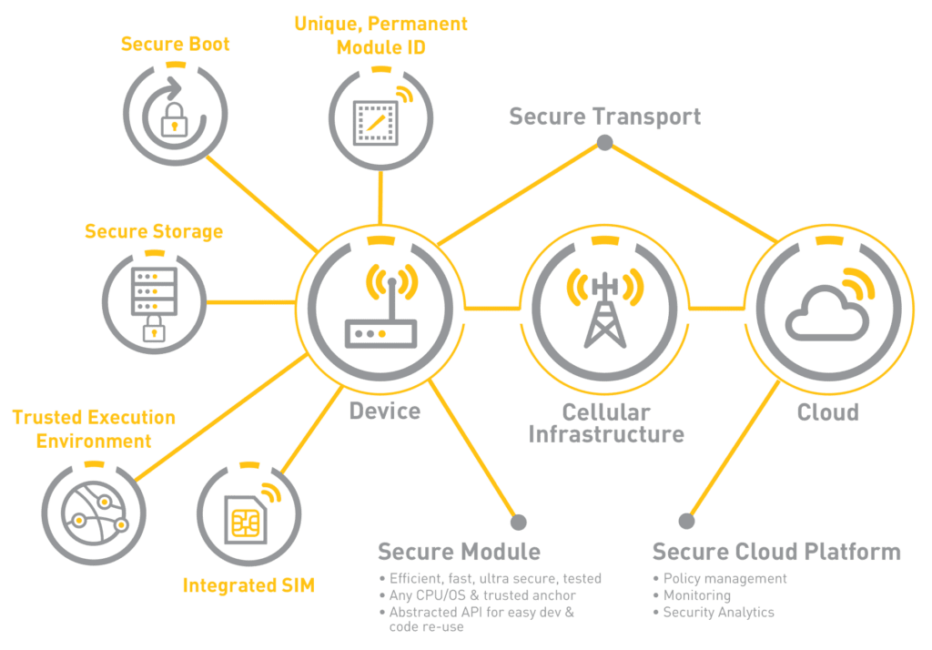
The images below provide visual context to the topic, showcasing the concepts of IoT device security and the practical implementations of decentralized security protocols.
Frequently Asked Questions (FAQ)
What makes AI effective in enhancing IoT security?
AI is effective in enhancing IoT security because it can process massive amounts of data from a variety of sources, detect anomalies in real time, and execute automated threat responses. Machine learning and deep learning algorithms adapt to new threats over time, ensuring the security protocols remain robust even as attack methods evolve.
How does decentralization improve IoT network resilience?
Decentralization improves network resilience by eliminating a single point of failure. With a distributed ledger approach such as blockchain, every node participates in data verification and storage. This redundancy ensures that even if one node is compromised or fails, the overall system remains secure and operational.
What are the key research directions in integrating AI and blockchain for IoT security?
Current research focuses on hybrid models, including federated learning for privacy-preserving AI, decentralized identity management systems, and smart contract-based automation in security protocols. These research avenues aim to create integrated frameworks that combine AI’s predictive power with blockchain’s secure, transparent data management.
References
- TechCrunch - Decentralizing IoT Networks Through Blockchain
- Blockchain Council - Why is Decentralization Critical to IoT?
-
ScienceDirect - Decentralized Security in IoT
- Built In - Blockchain and IoT Examples
-
ScienceDirect - ML Techniques for IoT Security
Recommended Related Queries
Last updated April 3, 2025