
IoT-Enabled Smart Farming: Harnessing LoRa Technology for Sustainable Agriculture
Revolutionizing Farming with Advanced IoT and LoRa Solutions
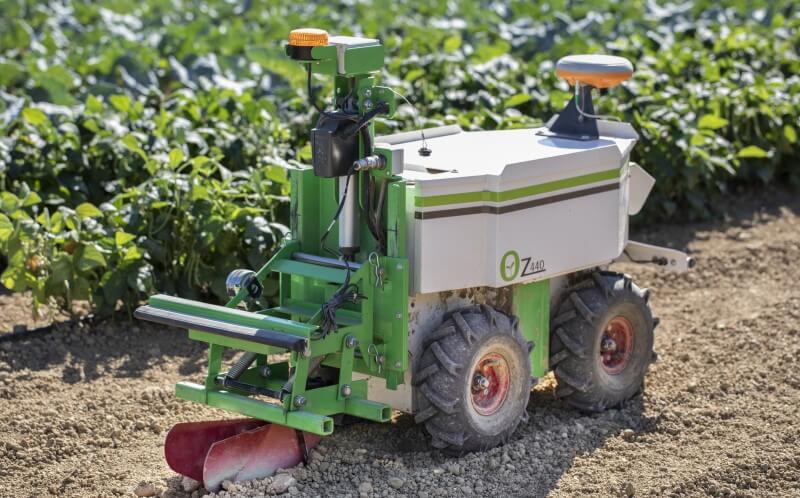
Key Highlights
- Precision & Efficiency: Real-time data collection and analysis optimize resource management, enhance crop yields, and reduce waste.
- Cost-Effective & Sustainable: Low power, long-range LoRa sensors minimize infrastructure costs and environmental impact.
- Comprehensive Monitoring: From soil moisture to livestock tracking, IoT-enabled LoRa systems provide extensive, remote monitoring capabilities.
Overview of IoT-Enabled Smart Farming
In the contemporary agricultural landscape, technological revolutions are transforming traditional farming practices. IoT-enabled smart farming driven by LoRa (Long Range) technology is at the forefront of this revolution. This innovative approach integrates low-power wireless communication networks with advanced sensor technologies to enable continuous, real-time monitoring and management across vast farmlands. The primary aim is to optimize resource utilization, enhance crop yields, promote sustainability, and reduce operational costs.
Smart farming uses a network of IoT sensors strategically placed throughout the agricultural field. These devices measure various environmental parameters including soil moisture, temperature, humidity, and levels of nutrients. The data gathered is transmitted via LoRaWAN—a network protocol that stands out due to its extended range, low energy consumption, and cost-effectiveness—making it ideal for rural and remote farming settings.
Core Components of LoRa-Based Smart Farming
LoRa Technology
LoRa technology enables long-range communications at significantly lower power draws than traditional wireless networks. Its use in agriculture offers distinct advantages:
Long Range and Low Power Consumption
LoRa devices can transmit data over several kilometers, making them perfect for large-scale farms where traditional networks may fail to reach. These sensors run on battery power for extended periods, drastically reducing the need for maintenance.
Robust and Scalable Networks
With support for LoRaWAN, the technology accommodates thousands of devices with ease, ensuring that farmers have a comprehensive view of their operations regardless of the farm's size. This scalability is crucial for modernizing farming practices across diverse geographical terrains.
IoT Integration in Agriculture
The integration of IoT in agriculture goes beyond simple data collection. It is an intelligent system that allows devices to monitor and control various elements in real-time. From irrigation control to livestock tracking, IoT devices ensure optimum use of resources.
Environmental Monitoring
Sensors distributed across farm fields continuously measure environmental factors such as rain, temperature, and wind. This data is invaluable for farmers making decisions about when to plant, irrigate, or harvest. The reliable collection of such data leads to improved crop management and the timely adjustment of cultivation strategies.
Real-Time Data Transmission
The real-time transmission of data to cloud platforms ensures that farmers can receive immediate feedback, empowering them to take prompt actions. This proactive approach minimizes risks associated with weather fluctuations and pests, ensuring better overall crop health and yield.
Practical Applications of LoRa in Smart Agriculture
Precision Irrigation and Water Management
One of the most prominent applications of LoRa technology in smart farming is in the domain of irrigation and water management. LoRa sensors measure soil moisture levels with high precision, allowing irrigation systems to deliver water only when necessary. This not only conserves water resources but also ensures that crops receive optimal amounts of hydration.
Many agricultural enterprises have reported water usage reductions of up to 50% after implementing smart irrigation systems powered by LoRa technology. This reduction is achieved by aligning water distribution with actual crop needs, thereby minimizing wastage.
Soil and Crop Health Monitoring
The condition of soil is a critical determinant of crop productivity. LoRa-enabled sensors measure key variables such as pH levels, moisture, and nutrient content. This information allows farmers to tailor their fertilization and crop management practices to the precise needs of their fields. The use of real-time data leads to more informed decisions that improve crop health and yield.
Livestock Tracking and Management
Beyond crop management, LoRa technology plays an essential role in monitoring livestock. Animal welfare is of utmost importance, and with LoRa-based tracking systems, farmers are able to monitor the movements and health of their animals seamlessly. This technology assists in quickly identifying any abnormalities or health issues, preventing the spread of diseases and ensuring the overall wellbeing of the livestock.
Weather and Air Quality Monitoring
In addition to on-field parameters, many smart farming systems integrated with LoRa also include sensors for weather and air quality monitoring. This enables farmers to prepare for adverse conditions by adjusting their farming practices and implementing timely measures to protect crops from unexpected events.
Implementation and Data-Driven Decision Making
Real-Time Monitoring and Analytics
The success of IoT-enabled smart farming depends largely on the ability to collect and analyze data in real-time. Once the sensor data is transmitted to cloud-based platforms, sophisticated analytics come into play. These analytics tools process the data and generate actionable insights, enabling farmers to make operations more efficient.
By utilizing historical data alongside real-time updates, farmers can predict trends, forecast weather events, and optimize crop cycles. Such predictive analytics is invaluable for scheduling irrigation, adjusting fertilizer applications, and planning harvest times.
Automation and Remote Control
Through the integration of IoT and LoRa technologies, agricultural systems are increasingly becoming automated. Automated irrigation systems adjust water flow without human intervention based on sensor readings. Similarly, automated alert systems notify farmers of potential issues like pest infestations or irregular soil conditions.
This level of automation reduces labor costs, minimizes manual errors, and ensures that the farming process is continuously optimized for best performance.
Economic and Environmental Benefits
Cost Efficiency and Scalability
The deployment of LoRa sensors is highly cost-effective. Their long battery life and reduced need for infrastructure make them accessible even for large agricultural areas in rural regions. Low-cost sensor networks enable small to medium farms to adopt smart farming practices without a significant initial investment. Moreover, the scalability of LoRaWAN ensures that additional sensors can be deployed as farming operations expand.
Sustainability and Environmental Impact
Sustainable agriculture is becoming a global imperative, and IoT-enabled smart farming is a key contributor to this effort. With precise control over water use, fertilizer application, and pesticide usage, farms can minimize the environmental footprint of their operations. Reduced resource wastage contributes directly to a lower carbon footprint, and by optimizing inputs, farmers can mitigate adverse environmental effects.
Enhanced Productivity and Profitability
With real-time and accurate data at their disposal, farmers are empowered to make better decisions, resulting in improved crop quality and increased yields. The resulting boost in productivity directly correlates with higher profitability. Furthermore, by reducing waste and optimizing resource use, smart farming provides an economically sustainable model that supports long-term growth.
Integration Platforms and IoT Ecosystems
Modular and Open Platforms
One of the significant advantages of LoRa-enabled smart farming is the development of modular, open platforms that integrate various communication technologies. These platforms often support additional protocols like Bluetooth Low Energy (BLE) and IEEE 802.11 to complement LoRaWAN, creating a diverse and robust IoT ecosystem within the agricultural sector.
These platforms are designed to be highly customizable, allowing farmers to tailor sensor networks to their specific needs. The modular design means that new types of sensors and devices can be integrated into the existing network with minimal disruption, ensuring that investments in technology remain future-proof.
Case Studies of Successful Implementation
Numerous farms and agricultural enterprises worldwide have adopted LoRa-based IoT solutions with remarkable success. In many instances, these implementations have led to a reduction of up to 50% in water consumption, improved monitoring of soil conditions, and better management of livestock. These case studies serve as proof of concept that integrating IoT and LoRa technology is not only viable but also crucial for sustainable advancements in agriculture.
Data and Application Matrix
The following table presents a matrix summarizing the various applications of IoT and LoRa technologies in smart farming:
| Application Area | Key Sensors/Devices | Benefits | Typical Data Metrics |
|---|---|---|---|
| Soil & Crop Health Monitoring | Soil moisture sensors, pH sensors, temperature sensors | Optimized irrigation, enhanced crop yields | Moisture level, pH value, nutrient levels |
| Irrigation & Water Management | Irrigation controllers, moisture sensors | Water conservation, precise watering schedules | Soil moisture trends, water usage statistics |
| Livestock Tracking | GPS trackers, health monitoring sensors | Improved animal welfare, disease prevention | Movement patterns, body temperature, activity levels |
| Weather & Environmental Monitoring | Weather stations, air quality sensors | Preparedness for adverse events, climate adaptation | Temperature, humidity, rainfall, wind speed |
Future Trends and Challenges
Emerging Trends
Looking ahead, IoT-enabled smart farming and LoRa technology are likely to witness several new trends. Integration with machine learning and big data analytics is set to further enhance decision-making by enabling more precise predictions of weather patterns and crop performance. Additionally, increased interoperability between different sensor platforms will ensure more cohesive and comprehensive agricultural networks.
Future systems may also incorporate blockchain technology to ensure data integrity and traceability. This is particularly relevant for agricultural supply chains, where verifying the provenance and quality of produce is becoming increasingly important.
Addressing Challenges
Despite the many advantages, several challenges remain in the widespread adoption of IoT and LoRa technologies in agriculture. Data security is a primary concern as increased connectivity raises the potential for cyber threats. Additionally, network reliability in remote areas can pose challenges, although the low-energy aspect of LoRa is gradually mitigating these issues.
Another challenge is ensuring the durability and longevity of sensors in harsh farming environments. Continuous research and development are required to enhance the robustness of these devices, ensuring that they can withstand environmental extremes while maintaining accurate performance.
References
- Smart Agriculture | Semtech LoRa Technology - Semtech
- Basics of LoRa Technology for Crop and Livestock Management - NDSU Agriculture
- IoT LoRa Based Smart Agriculture & Remote Monitoring System - How2Electronics
- LoRaWAN Technology in Smart Agriculture - LoRa Alliance
- Revolutionizing Agriculture with LoRa IoT Technology - LinkedIn
Recommended Queries
Last updated March 10, 2025