
The Dark Side of IP Cameras: Hacking, Privacy Invasion, and Pornography
Exploring the vulnerabilities and risks associated with IP camera hacking, focusing on the exploitation of private footage for pornographic content.
Key Highlights
- Widespread Vulnerabilities: Many IP cameras have security flaws like default passwords and unpatched firmware, making them easy targets for hackers.
- Privacy Violation: Hackers exploit these vulnerabilities to access private video feeds, stealing personal moments and potentially using them for blackmail or voyeurism.
- Pornographic Exploitation: Stolen footage is often shared on porn sites, causing significant emotional distress and privacy breaches for victims.
The Reality of Hacked IP Cameras
The proliferation of Internet Protocol (IP) cameras has brought convenience and security to homes and businesses, allowing remote monitoring of environments. However, this increased connectivity has also created significant security vulnerabilities. IP cameras, intended to provide safety, are often easily hacked, leading to severe privacy breaches. Cybercriminals exploit these vulnerabilities to access live feeds and recorded footage, sometimes sharing this content on pornographic websites.
 A conceptual image of a hacked webcam, illustrating the potential for privacy invasion.
Understanding the Scope of the Problem
The issue of hacked IP cameras is widespread, affecting numerous devices across the globe. A glaring example occurred when a hacking group stole over 3TB of private video footage, primarily from Singapore, and shared it on pornographic sites. This breach included footage from over 50,000 private IP-based cameras, revealing the shocking scale of such invasions. These cameras, often installed to monitor children, the elderly, or pets, became instruments of privacy violation. The breaches expose intimate moments without consent, turning homes into stages for unsolicited content.
Common Vulnerabilities in IP Cameras
Several factors contribute to the vulnerability of IP cameras. One of the primary issues is the use of default passwords, which are easy for hackers to guess. Many users fail to change these default settings, leaving their devices exposed. Additionally, outdated firmware can contain unpatched security flaws, creating open doors for malicious actors. Security cameras using peer-to-peer (P2P) features are particularly at risk, as hackers can exploit flaws in these connections to gain control over devices. This ease of access makes hacking IP cameras a disturbingly simple task, often requiring minimal technical expertise.
Methods and Motivations of IP Camera Hackers
Hackers employ various techniques to compromise IP cameras, ranging from simple methods like using default credentials to more sophisticated attacks exploiting software vulnerabilities. Once inside, their motivations vary. Some hackers seek to prove their skills, while others aim to cause chaos or invade privacy for personal gratification. A more sinister motive involves financial gain through extortion or the sale of stolen footage.
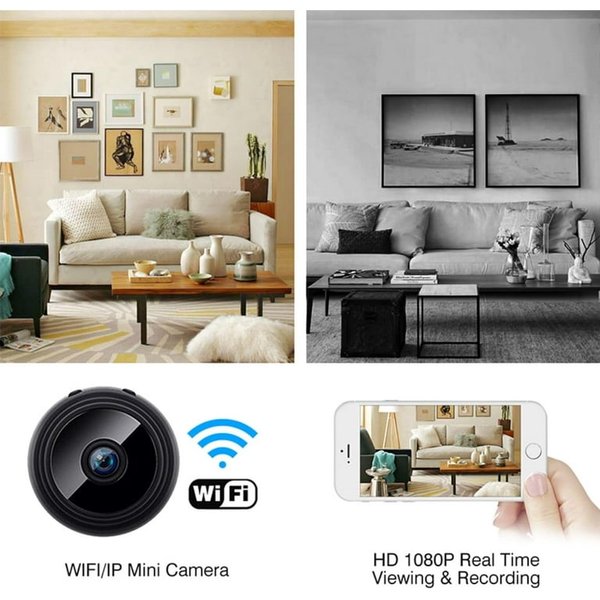 An example of a hidden camera, often marketed as a security device but also vulnerable to hacking.
Technical Exploits
Hackers often use tools like Shodan to identify vulnerable IP cameras. Shodan is a search engine that indexes internet-connected devices, allowing hackers to quickly find cameras with weak security settings. Once a vulnerable camera is identified, hackers can use tools like Cameradar to attempt to access the camera using default or weak passwords. More advanced techniques include ARP poisoning and DNS spoofing, which allow hackers to intercept network communications and steal login credentials. Cross-Site Request Forgery (CSRF) attacks can also be used to send unintended requests to the camera's application on behalf of the user.
The Dark Side of Voyeurism and Financial Exploitation
The footage obtained from hacked IP cameras often ends up on pornographic websites. Hackers may upload the videos themselves or sell access to the stolen content. This leads to severe privacy breaches for the victims, who may find their most intimate moments exposed to the public. Some hacker groups specialize in breaching security cameras and offer access to live feeds and recordings for a fee. This commercialization of private moments turns personal tragedies into a source of profit for cybercriminals.
Real-World Examples and Case Studies
Numerous real-world cases highlight the devastating consequences of IP camera hacking. One notable incident involved the hack of video security company Verkada, which exposed footage from over 150,000 internet-connected security cameras. This breach affected various locations, including Tesla and Nissan facilities, demonstrating the broad impact of such security failures. In another case, a hacker accessed a Ring camera in an 8-year-old girl's bedroom, taunting her and causing significant distress. These examples underscore the urgent need for better security measures to protect IP cameras from unauthorized access.
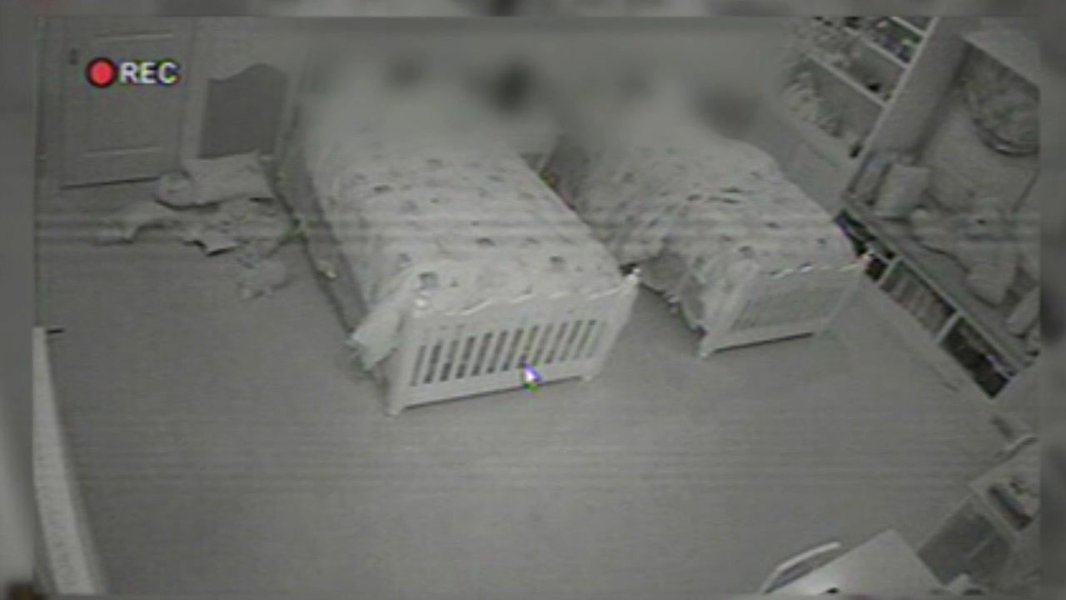 A news report about a family whose daughters' bedroom webcam was hacked, illustrating the emotional impact of such violations.
The Singapore Incident
A particularly egregious incident involved a hacking group that stole over 3 TB of private video from IP cameras in Singapore. The group then shared this footage on porn sites. The content included private moments from homes, revealing the insides of bedrooms, living rooms, and other private spaces. This breach not only violated the privacy of thousands of individuals but also demonstrated the potential for such attacks to be scaled and commercialized.
Hikvision Camera Vulnerabilities
IPVM reported vulnerabilities in Hikvision IP cameras, with thousands of cameras across the USA and Europe being hacked. An interactive map showed vulnerable and already hacked Hikvision IP cameras, highlighting the widespread nature of the problem. The average firmware on these cameras was over two years old, indicating a lack of regular updates by users. This lack of maintenance made these devices easy targets for hackers.
Protecting Your IP Cameras: Best Practices and Security Measures
To mitigate the risks associated with IP camera hacking, it is essential to implement robust security measures. These measures include changing default passwords, keeping firmware updated, using strong encryption, and isolating camera networks. Additionally, users should regularly monitor their cameras for signs of unauthorized access.
Essential Security Measures
Here's a breakdown of steps you can take to protect your IP cameras:
-
Change Default Passwords: Always change the default password to a strong, unique password.
-
Update Firmware: Regularly update the camera's firmware to patch security vulnerabilities.
-
Enable Encryption: Use WPA3 encryption for your Wi-Fi network to protect against unauthorized access.
-
Isolate Camera Network: Create a separate network for your IP cameras to prevent hackers from accessing your main network.
-
Use a VPN: Use a Virtual Private Network (VPN) to encrypt your internet connection and protect your data from being intercepted by hackers.
-
Monitor Camera Activity: Regularly check your camera's logs for any suspicious activity.
-
Disable UPnP: Universal Plug and Play (UPnP) can create security vulnerabilities. Disable it on your router and cameras.
-
Physical Security: Ensure your cameras are physically secure and not easily accessible to potential intruders.
-
Two-Factor Authentication: If available, enable two-factor authentication for your camera accounts.
-
Privacy Settings: Review and adjust the privacy settings on your cameras to limit the amount of data being shared.
The Importance of Regular Maintenance
Regular maintenance is crucial for maintaining the security of IP cameras. This includes not only updating firmware but also regularly reviewing camera settings and logs. By staying vigilant and proactive, users can significantly reduce the risk of their cameras being hacked.
The Legal and Ethical Dimensions
The hacking of IP cameras raises significant legal and ethical concerns. Unauthorized access to private video feeds is a clear violation of privacy laws. Additionally, the distribution of stolen footage on pornographic websites can lead to legal consequences for both the hackers and the website operators. Ethically, such actions are reprehensible, causing immense emotional distress and violating the trust placed in security devices.
Legal Ramifications
Depending on the jurisdiction, hacking IP cameras can result in criminal charges, including unauthorized access to computer systems, wiretapping, and violation of privacy laws. Civil lawsuits may also be filed by victims seeking compensation for emotional distress and privacy breaches. The legal consequences can be severe, including hefty fines and imprisonment.
Ethical Considerations
Beyond the legal aspects, the ethical implications of hacking IP cameras are profound. These actions violate the fundamental right to privacy and can cause significant harm to victims. The voyeuristic nature of such breaches is particularly disturbing, as it turns private moments into public spectacles without consent.
Summary of Risks and Mitigations
The hacking of IP cameras presents serious risks, including privacy breaches, financial exploitation, and emotional distress. However, by implementing robust security measures and staying vigilant, users can mitigate these risks and protect their privacy.
| Risk | Mitigation |
|---|---|
| Unauthorized Access | Change default passwords, enable encryption, use strong passwords. |
| Data Interception | Use a VPN, secure Wi-Fi network, isolate camera network. |
| Firmware Vulnerabilities | Regularly update firmware, monitor security alerts. |
| Physical Tampering | Secure camera placement, monitor physical access. |
| Privacy Violation | Review privacy settings, monitor camera activity, disable unused features. |
FAQ
What are the main reasons IP cameras get hacked?
IP cameras are often hacked due to weak default passwords, outdated firmware, and vulnerabilities in their software. Many users do not change the default settings, making it easy for hackers to gain unauthorized access.
How can I tell if my IP camera has been hacked?
Signs of a hacked IP camera include unusual noises, changes in camera settings, unexpected camera movements, and unauthorized access to the camera feed. Regularly check your camera's logs for suspicious activity.
What should I do if I suspect my IP camera has been hacked?
If you suspect your IP camera has been hacked, immediately change the password, update the firmware, and review the camera's settings. You may also want to contact a cybersecurity professional for assistance.
Are certain brands of IP cameras more vulnerable than others?
Some brands have been found to have more vulnerabilities than others. Research the security reputation of different brands before purchasing an IP camera. Always ensure the camera receives regular security updates.
What legal recourse do I have if my IP camera is hacked and footage is leaked?
If your IP camera is hacked and footage is leaked, you may have legal recourse, including filing a civil lawsuit for privacy violations. Contact an attorney to explore your legal options.
References
Last updated April 13, 2025