
Narrative Analysis of Intellectual Property Types and Creative Innovation
Understanding the Essence and Diversity of Property Rights and Innovation
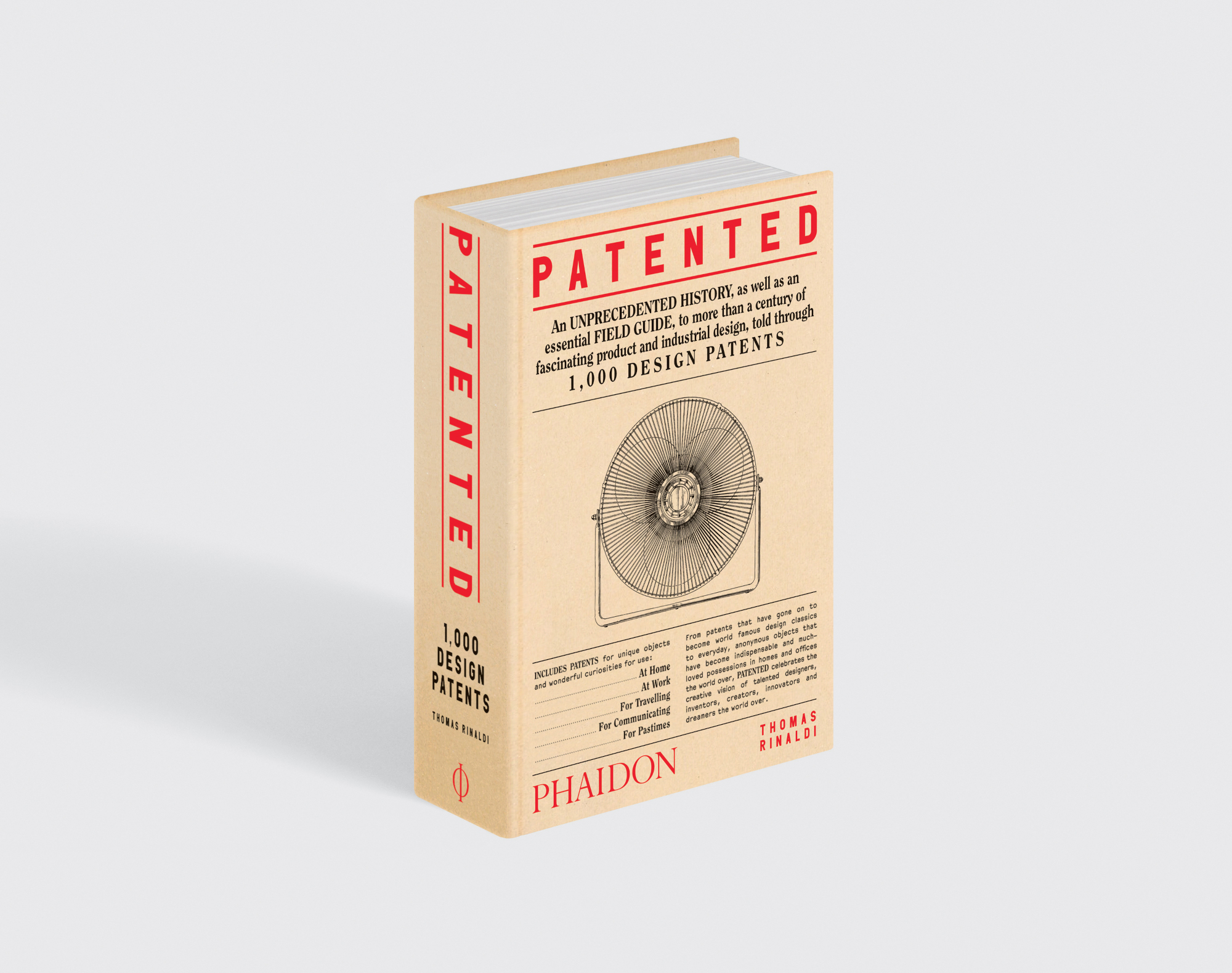
Key Insights
- Patent: Grants inventors exclusive rights, lasting 20 years before entering the public domain.
- Copyright and Utility Model: Protects original works and innovations with varying durations.
- Trademark, Industrial Design, and Trade Secrets: Focus on branding, aesthetics, and confidential business information.
Introduction to Intellectual Property
Intellectual Property (IP) is a crucial asset for creators, inventors, and businesses, serving as a legally defined framework to protect innovations, original works, and branding elements. In this narrative, we explore various types of property rights—including patents, copyrights, utility models, trademarks, industrial designs, geographical indications, and trade secrets—each serving a specific function in safeguarding creative and innovative endeavors. Understanding the nuances of these protections not only guides legal compliance but also inspires creative expression, entrepreneurial ventures, and collaborative innovation.
Detailed Narrative on Different Types of Intellectual Property
Patents
Foundation and Duration
A patent is granted to inventors to protect new inventions or creative processes that can be industrially applied. The patent system rewards original thinking by providing inventors with the exclusive right to use and commercialize their discoveries. Issued by governmental bodies such as the Intellectual Property Office (IPOPHIL) or similar entities (like the IPMO), patents typically have a validity of 20 years from the date of filing. During this period, the inventor can control the application, manufacture, and distribution of the invention. After these 20 years, the invention falls into the public domain, meaning anyone can use the technology without infringement concerns.
Ensuring that an invention is truly novel is critical before applying for a patent. This process involves searching for “prior art,” a term referring to any evidence that an invention or similar concept already exists before the filing date of the patent application. Thorough prior art research is essential not only to verify novelty but also to avoid legal pitfalls and to identify ways to refine and enhance the invention.
Copyright
Protection of Original Works
Copyright protection is designed for creative works and original intellectual outputs, such as literature, music, art, and other forms of authorship. In contrast to patents, which are concerned with industrial applications, copyrights provide a legal shield for creative expressions. The protection lasts for the lifetime of the creator plus an additional 50 years after their death, allowing enough time to reward the labor of creativity while eventually enriching the public domain.
Copyright empowers authors by giving them the right to control the reproduction, distribution, and public performance of their works. As technology evolves, and with the rise of digital media, the realm of copyright has expanded to adapt to new forms of expression and distribution, ensuring that even digitalized content is protected from unauthorized use.
Utility Models
Innovative Yet Temporarily Protected Solutions
Utility models focus on innovations that are deemed less groundbreaking than those qualified for patents, but nevertheless contribute to technological advancements. These models are often seen in contexts where incremental improvements or new applications are important. Holding a validity of 7 years, a utility model provides innovators a shorter period of exclusive exploitation compared to patents. Despite the shorter duration, it is an important tool for small and medium-sized enterprises (SMEs) which benefit from quicker validation processes.
The application process for utility models can be less stringent and costly, promoting a faster route to market for innovative solutions. This flexibility encourages a culture of continuous improvement and minor innovations that maintain a competitive market edge.
Trademarks
Brand Identity and Recognition
Trademarks are distinctive indicators—such as signs, phrases, or symbols—that represent the identity of a brand in the marketplace. They are vital for businesses as they distinguish products or services from competitors and help in building significant brand loyalty over time. While there isn’t a fixed validity duration mentioned in this context, trademarks, when properly maintained and renewed, can potentially offer protection indefinitely.
By protecting trademarks, companies secure their brand image, avoid confusion among consumers, and build a reputation for quality and reliability. The process of trademark registration requires demonstrating that the mark is unique and not easily confused with existing marks. This process is a cornerstone for successful branding strategies and forms a critical part of intellectual property law.
Industrial Designs
Aesthetic and Ornamental Protection
Industrial designs pertain to the ornamental or aesthetic aspects of a product rather than its utilitarian functions. This type of protection covers the external appearance and visual attractiveness of items, which can be a decisive factor in consumer purchasing decisions. In many jurisdictions, such designs are protected for 5 years from the filing date of the application, thereby encouraging designers to innovate and take risks with their creative visions.
Protecting industrial designs not only boosts the competitive positioning of a product but also ensures that the visual identity remains unique in the market. Consumers often associate distinctive designs with quality and creativity, thus enhancing a company's brand value.
Geographical Indications
Region-Specific Recognition
Geographical indications (GI) designate products that have a specific geographical origin and possess qualities or a reputation linked to that area. These indications serve as a mark of authenticity and distinction that can add value to products by highlighting their unique characteristics related to a particular region. While the validity period is generally tied to continued use and recognition in the market, a GI remains valid as long as its association with quality is maintained.
The protection granted by geographical indications is crucial for rural economies and traditional industries, allowing them to preserve cultural heritage and promote local products. By registering a GI, producers can prevent misuse or misrepresentation of product origins, thereby maintaining the integrity and reputation of the region’s output.
Trade Secrets
Confidentiality without Formal Procedures
Trade secrets include any practice, design, formula, process, or collection of information that gives a business a competitive edge and is kept confidential. Unlike patents or copyrights, trade secrets require no procedural formalities for their protection as long as the information remains secret. The primary challenge lies in safeguarding these secrets from unauthorized disclosure. Companies adopt various measures, such as confidentiality agreements and carefully controlled access, to maintain the confidentiality of such critical information.
The freedom from registration protocols allows businesses to rapidly exploit trade secrets without the delays and costs associated with formal IP protection. However, the lack of formal protection also means that once the secret is leaked, the holder loses exclusive rights, making robust internal security measures essential.
We Ignite: The Spirit of Creative Expression and Innovation
Four Pillars of Innovation
Creative Expression
Creative expression is the lifeblood of innovation. At its core, it encourages individuals to think outside the box, infuse artistic flair into their work, and push the boundaries of what is considered possible. This freedom to express ideas is nurtured by legal frameworks that protect the creator’s rights, ensuring that their original ideas are recognized and valued.
Innovation and New Inventions
Innovation is not limited to breakthrough technologies alone; it encompasses incremental changes and adaptive improvements that gradually transform industries. Protecting new inventions through patents or utility models not only fosters technological advancement but also propels economic growth and industry competitiveness. Continuous innovation is the cornerstone of progress in both high-tech industries and traditional manufacturing sectors.
Entrepreneurship
Entrepreneurship transforms creative ideas into viable commercial products and services. Through protections like trademarks and industrial designs, entrepreneurs can safeguard their brand identities and product aesthetics. This, in turn, builds confidence among consumers and investors alike, providing the necessary impetus for commercial expansion and market development.
Collaboration and Partnerships
In today’s interconnected world, collaboration is a driving force behind innovation. Shared ideas and strategic partnerships lead to shared successes, and intellectual property rights can help define the structure of these collaborations. By clearly outlining ownership and usage rights, IP laws encourage transparent collaborations, enabling various stakeholders to contribute their expertise while safeguarding their own innovations.
A Comprehensive Table of Intellectual Property Types
| Type | Description | Validity/Duration | Key Features |
|---|---|---|---|
| Patent | Exclusive rights to inventors for new inventions | 20 years (then public domain) | Requires prior art search, legal novelty |
| Copyright | Protects original works and authorship | Lifetime of the owner + 50 years | Covers literature, art, music, and digital content |
| Utility Model | Protection for incremental innovations | 7 years | Simpler and quicker than patents |
| Trademark | Sign, phrase, or symbol for brand identification | Indefinite (renewable) | Enhances brand identity and consumer trust |
| Industrial Design | Ornamental or aesthetic aspects of a product | 5 years from application filing | Focuses on visual appeal and uniqueness |
| Geographical Indications | Products linked to a specific location with unique quality | Valid as long as the quality is maintained | Promotes regional heritage and authenticity |
| Trade Secrets | Confidential business information | Indefinite (if kept secret) | No formal registration required |
Practical Implications and Legal Considerations
Ensuring Novelty and Avoiding Legal Disputes
Prior art plays an instrumental role in both the patent application process and the refinement of innovations. By researching existing technologies and ideas, inventors can safeguard against infringement, strengthen their claims to originality, and improve their inventions based on lessons from earlier works. Without this diligent approach, there is a risk of overlapping with already existing ideas, which can lead to costly legal disputes.
The comprehensive protection afforded by intellectual property rights encourages open innovation while ensuring that the rights of innovators remain respected. Legal frameworks provide mechanisms for dispute resolution, support clearer boundaries between protected and unprotected elements of innovations, and foster a transparent environment for new entrants into various markets.
Impact on Market Competitiveness and Economic Growth
The varied types of intellectual property protection create a balanced ecosystem that promotes fair competition. For instance, patents and utility models grant temporary monopolies to inventors, thus incentivizing research and development. Meanwhile, copyrights ensure that creative individuals receive due recognition and compensation for their works. Trademarks and industrial designs help businesses to establish and maintain a unique brand image, which is critical in competitive markets.
Geographical indications support local economies by highlighting indigenous qualities and fostering sustainable practices. Trade secrets, on the other hand, provide an immediate safeguard for business strategies and internal processes that are key competitive factors. Together, these protections work synergistically to drive innovation, create jobs, and boost economic growth at both national and international levels.
Inspirational Outlook: Igniting Innovation
We Ignite – A Framework of Empowerment
The “We Ignite” concept is not confined to legal terminology alone; it embodies an inspiring vision for the future of creative and innovative endeavors. By embracing creative expression, new inventions, entrepreneurial ventures, and collaborative partnerships, “We Ignite” serves as a rallying cry for continued innovation and growth.
This framework encourages stakeholders to push beyond the ordinary, explore unconventional ideas, and merge multiple disciplines to solve complex problems. By protecting intellectual property efficiently and fairly, society provides the necessary impetus for innovators to unhitch new technologies and cutting-edge creative works from the realm of the mundane.
When innovators across various fields—ranging from technology and art to commerce and industrial design—enjoy robust protections for their creations, the ripple effect can be transformative. It fosters a communal environment where collaboration and knowledge-sharing are not just encouraged but celebrated, making the realm of intellectual property a cornerstone of future progress.
References
- World Intellectual Property Organization - WIPO
- United States Patent and Trademark Office - USPTO
- European Patent Office - EPO
-
Intellectual Property Office of the Philippines - IPOPHIL
- Intellectual Property Office UK - GOV.UK
Recommended Related Queries
Last updated March 19, 2025