
Report on Enclosure IP68
A Comprehensive Analysis of IP68 Enclosures for Extreme Environments
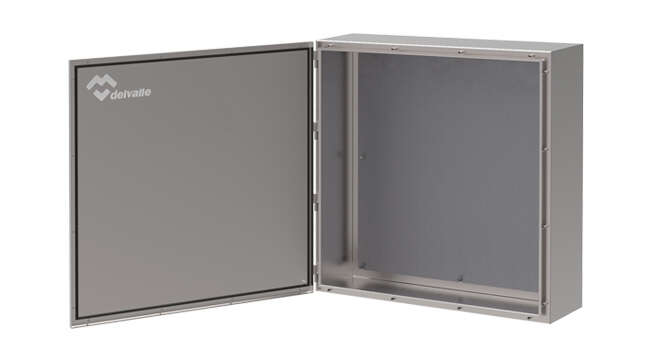
Key Takeaways
- Superior Protection: IP68 enclosures provide complete dust-tight sealing and robust water resistance with continuous submersion capabilities.
- Versatile Applications: Widely used in industrial automation, outdoor electronics, marine environments, and many other demanding fields.
- Critical Design Features: Construction materials, precise sealing techniques, and rigorous testing ensure longevity and reliability.
Introduction
Enclosures rated IP68 offer the highest level of protection against ingress, making them essential in harsh and demanding environments. The International Protection (IP) rating standard, defined by IEC 60529, evaluates the ability of enclosures to resist the harmful effects of both dust and water. The two digits in the IP rating refer to:
- The first digit (6) which indicates complete dust-tight protection — no ingress of dust.
- The second digit (8) which signifies robust water resistance, specifically the capability for continuous immersion under conditions specified by the manufacturer.
Purpose of IP68 Enclosures
The primary purpose of IP68 enclosures is to safeguard sensitive equipment, components, and electronic devices from environmental hazards such as dust, water, and other potential contaminants. In industries where reliability and longevity are paramount—such as outdoor installations, marine applications, industrial automation, and transportation—IP68-rated enclosures are the standard choice.
Technical Characteristics
Understanding the IP68 Rating
The IP68 rating consists of two primary components. The "6" denotes absolute protection against dust ingress. This means that the enclosure is completely sealed, prohibiting any dust penetration that could potentially impair electronic function or cause mechanical abrasion.
The "8" in the rating refers to the enclosure’s capability for water protection, specifically meaning that it is designed to withstand continuous submersion under conditions defined by the manufacturer. For instance, many IP68 enclosures are tested for immersion in water up to five meters deep for durations that can range between 30 minutes and several hours, depending on the design and intended application.
Key Technical Features
- Sealed Construction: High-integrity seals, gaskets, and precision-engineered joints ensure that no dust or water enters the enclosure.
- Durable Materials: Typical materials include corrosion-resistant plastics, stainless steel, aluminum alloys, and polycarbonates that enhance durability in harsh conditions.
- Rigorous Testing: IP68 enclosures undergo extensive testing and certification processes, ensuring compliance with IEC standards and verifying operational reliability under extreme conditions.
- Customization Opportunities: Many manufacturers offer a variety of sizes and custom configurations to meet specific environmental or operational requirements.
Materials and Construction
Effective protection in an IP68 enclosure is largely a factor of the materials used and the care in its construction. Common construction materials include:
- Plastics: High-grade polycarbonate or other robust polymers are often used to create lightweight yet durable enclosures.
- Metals: Aluminum alloys—often with corrosion-resistant coatings—as well as stainless steel, provide structural strength and are suitable for rugged outdoor or industrial applications.
- Composite Materials: Some enclosures incorporate advanced composite materials for specialized applications where extreme durability is required.
The design typically features sealed covers with silicone or other high-performance gaskets, captive screws, and specialized mounting systems that preserve the integrity of the seal even after installation.
Applications of IP68 Enclosures
Industrial and Commercial Use Cases
IP68 enclosures are utilized in a wide range of industries where harsh environmental conditions prevail and equipment reliability is non-negotiable. Some notable applications include:
- Industrial Automation: Machines and sensors housed within IP68 enclosures can operate reliably in areas with high levels of dust, chemical spills, and moisture, reducing downtime and maintenance needs.
- Outdoor Electronics: Devices such as digital signage, surveillance cameras, and communication equipment benefit from the advanced ingress protection, ensuring continuous operation despite exposure to rain, floods, and surrounding debris.
- Marine and Underwater Applications: In sectors like marine biology, offshore installations, and underwater robotics, IP68 enclosures protect sensitive electronic components during prolonged submersion.
- Transportation: From onboard vehicle electronics to rail systems, IP68-rated enclosures ensure that critical components remain operational in the face of weather variability and dust accumulation.
- Medical Devices: Certain healthcare equipment that requires frequent cleaning or is used in environments with high humidity or water exposure relies on these enclosures to maintain both hygiene and functionality.
Customization and Adaptability
The diversity in design and functionality of IP68 enclosures makes them highly adaptable across applications. Manufacturers often tailor these enclosures to meet specific operational requirements:
- Customized shapes and sizes to fit non-standard equipment layouts.
- Adapted sealing methods for integration with additional electrical connectors or cable glands without compromising the IP68 rating.
- Enhancements like UV protection, temperature resistance, or chemical resistance may be incorporated based on the expected environmental stressors.
Comparative Analysis and Considerations
IP68 versus Other IP Ratings
While the IP68 rating represents the pinnacle in terms of protection against both dust and water, it is essential to consider the operational context when deciding on the appropriate IP level. For instance, a slightly lower IP rating (such as IP67) might suffice in environments where water exposure is minimal and only accidental immersion is expected.
In comparison:
| Characteristic | IP67 | IP68 |
|---|---|---|
| Dust Protection | Completely dust-tight | Completely dust-tight |
| Water Protection | Temporary submersion up to 1 meter for 30 minutes | Continuous submersion beyond 1 meter; duration specified by manufacturer |
| Typical Applications | Consumer electronics, outdoor signage | Industrial automation, marine applications, critical outdoor equipment |
| Cost Considerations | Generally lower cost | Higher cost due to enhanced sealing and testing |
Operational and Environmental Considerations
When selecting an IP68 enclosure, it is paramount to verify that its specified capabilities align with the environmental challenges it may encounter:
- Installation Integrity: Even the best-designed enclosure can fail if not installed correctly. All access points such as cable entry points, connectors, and covers must be properly sealed.
- Manufacturer Specifications: It is important to consult the detailed specifications provided by manufacturers. The rated depth and duration of submersion, as well as any additional features such as temperature or chemical resistance, should match the operational environment.
- Regular Maintenance: To ensure ongoing performance, periodic inspections and maintenance of seals and gaskets are recommended. Any modifications or repairs should be conducted with care to avoid compromising the enclosure’s integrity.
- Certification and Testing: Accredited test certificates and third-party verifications are essential indicators of an enclosure’s quality and compliance with IP68 standards.
Advantages and Long-Term Benefits
The use of IP68 enclosures provides several long-term benefits, including increased device longevity, reduced maintenance costs, and enhanced overall reliability. By preventing ingress of dust and water, these enclosures protect electronic components from corrosion, malfunction, and premature failure. This resilience is especially valuable in scenarios where equipment is permanently installed in places that are difficult to access for maintenance or repair.
Detailed Technical Considerations and Best Practices
Seal Integrity and Testing Standards
IP68 enclosures are meticulously constructed to achieve a balance between robust sealing and usability. The reliability of the sealing mechanism — often utilizing advanced gasket compounds, precision-machined parts, and specially designed fastening systems — plays a critical role in ensuring that no dust or water penetrates the chassis.
Comprehensive testing, often simulating real-life conditions, forms part of the certification process of these enclosures. Manufacturers typically expose these units to conditions such as prolonged immersion, high-pressure water jets, and particle-laden environments to verify performance. Such tests underscore the importance of adhering to the installation guidelines and environmental expectations laid out in the device’s technical documentation.
Design Innovations and Future Directions
The evolution of IP68 enclosures is driven by ongoing advancements in materials science and engineering design. Modern IP68 enclosures now integrate:
- Enhanced Sealing Technologies: Innovations such as multi-layer gasket systems and magnetic closures are being explored to further improve the integrity of the seal under dynamic conditions.
- Smart Monitoring: Some advanced enclosures incorporate sensors to monitor seal integrity and alert users to potential breaches, which is particularly useful in high-stakes industrial applications.
- Eco-friendly Materials: With a greater emphasis on sustainability, research is focused on developing high-performance, eco-friendly materials that meet both environmental regulations and operational standards.
These improvements not only bolster the performance of IP68 enclosures but also broaden their applicability across new sectors, such as renewable energy installations and smart city infrastructures.
Installation Best Practices
To maximize the benefits of an IP68 enclosure, adhere to these best practices:
- Ensure all cable glands and connectors are installed according to the manufacturer’s guidelines and regularly inspected for wear or damage.
- Utilize specialized tools designed to prevent damage to the enclosure’s seal during installation or disassembly.
- Keep detailed records of the enclosure’s specification and maintenance schedules to promptly address any deterioration in performance.
Conclusion
In conclusion, IP68 enclosures represent a pinnacle of modern engineering designed to shield sensitive electronics from dust and water ingress in extremely challenging environments. Their complete dust-tight construction and robust water resistance make them indispensable in many sectors, from industrial automation and outdoor electronics to marine applications and transportation systems. With a focus on durable materials, precise engineering, and rigorous testing, these enclosures ensure safe, reliable operation even under continuous immersion conditions. Looking ahead, ongoing innovations in sealing technologies, materials, and smart monitoring will further enhance the performance and versatility of IP68 enclosures, cementing their role as a critical component in safeguarding advanced electronic systems.
References
- IP68 NEMA 6P Box - Bud Industries
- IP68 Enclosures Range - Alpha3 Manufacturing
- Compact Submersible Enclosure - SLAYSON
- Custom Enclosures - SLAYSON
- IP68 Enclosures - Polycase
- IP68 Waterproof Rating - Polycase
- Total Protection with IP68 Enclosures - Mencom
- NEMA IP68 Boxes - Bud Industries
- Comprehensive Guide to IP68 Enclosures - Bahar Enclosure
- IP68 Test Certificate - TAKACHI
More
Last updated February 18, 2025