
Understanding LD50 Values for Isopropyl Alcohol (IPA)
Explore the Toxicity and Safety Measures Associated with IPA Exposure
Highlights
- Routes of Exposure: The toxicity is measured differently for oral, dermal, and inhalation exposures.
- Species Variability: LD50 values vary across different animal models, providing insight into acute toxicity.
- Human Toxicity: Lethal doses in humans are estimated by extrapolation, making careful handling paramount.
Introduction to Isopropyl Alcohol Toxicity
Isopropyl alcohol (IPA), widely used as a disinfectant and solvent, has well-documented acute toxicity, which is typically quantitated by the LD50 value. LD50 stands for "Lethal Dose 50%" – the dose required to kill half of the test subjects in a controlled laboratory experiment. These studies are conducted across various species and by different routes of administration (oral, dermal, and inhalation), which helps in understanding the risks associated with exposure to IPA.
This discussion integrates research and data regarding the toxicity of IPA, outlines LD50 values for different species, and draws parallels with human exposure estimates. Due to the variations in metabolic rates and physiology among species, the values obtained in animal studies must be interpreted with caution when extrapolating to human exposure risks.
Toxicological Parameters and Measurement
Understanding LD50 and LC50
The term LD50 is used to indicate the dose of a substance that is estimated to cause death in 50% of a test animal population within a defined period. Conversely, for inhalational exposures, the parameter LC50 (Lethal Concentration 50%) is used, describing the concentration of a substance in air that, when inhaled over a set time period (e.g., 4 or 8 hours), is lethal to 50% of the animals.
For isopropyl alcohol, LD50 values are primarily determined via oral and dermal routes, while LC50 data is generated for inhalational exposures. Such assessments are critical for establishing safety guidelines, manufacturing protocols, usage practices, and emergency response procedures for accidental exposures.
Experimental Considerations
The reported LD50 values for IPA vary due to differences in experimental conditions, such as the concentration of IPA used, the duration of exposure, and the specific animal species involved. Researchers administer the substance under controlled conditions and observe the effects over time, ensuring that parameters like weight, age, and inherent biological variability are as consistent as possible.
Although these values are derived from laboratory settings, they provide a benchmark for assessing the acute toxicity of substances. It is important to note that while animal data is instrumental in evaluating toxicological risk, individual responses in humans may differ due to factors including metabolism, overall health, and potential interaction with other chemicals or medications.
LD50 Values for Isopropyl Alcohol in Animal Models
Summary of Experimental Data
The following table summarizes the LD50 values for isopropyl alcohol as determined by experimental studies in different animal species and across various routes of administration:
| Species | Route of Exposure | LD50 Value | Units |
|---|---|---|---|
| Rat | Oral | 5,045 - 5,840 | mg/kg |
| Mouse | Oral | 3,600 | mg/kg |
| Rabbit | Oral | 5,000 - 6,410 | mg/kg |
| Rabbit | Dermal | 12,800 - 18,286 | mg/kg |
| Rat | Inhalation (8 hrs) | >20 (LC50 in mg/L) or 16,000 ppm (variation) | mg/L or ppm |
Interpreting the Table Data
The data above shows that among the three species tested, mice appear to be the most sensitive to oral exposure with an LD50 around 3,600 mg/kg. Rabbits, when exposed dermally, require a significantly higher dose for lethality, illustrating the relative differences in absorption and toxicity based on exposure routes. Inhalational exposure data is presented in terms of concentration rather than body weight, reinforcing the complexity of comparing different exposure modes.
Extrapolation to Human Risk Assessment
Estimation of Lethal Dose in Humans
Although direct human studies are ethically unfeasible, researchers extrapolate human toxicity based on animal data and case studies. Estimates suggest that around 200-250 mL of isopropyl alcohol (typically in its 90-100% pure form) could be potentially lethal if ingested by an adult. For formulations like 70% rubbing alcohol, the expected lethal dose is higher, around 350 mL, due to the dilution factor.
Additional estimates consider that a fatal dose may be as low as 2-4 mL per kg of body weight, highlighting the potential danger of ingesting even a small volume. It is essential to understand that individual variability, including factors like weight, age, metabolism, and overall health, plays a significant role in determining the actual toxic dose for humans.
Health Implications of IPA Exposure
Exposure to isopropyl alcohol can lead to several adverse health effects. Ingestion typically results in symptoms of central nervous system depression, which includes dizziness, inebriation, vomiting, and in severe cases, respiratory arrest. Besides ingestion, inhalational exposure to IPA vapors can irritate the respiratory system, and skin contact might result in significant irritation or systemic absorption, especially in vulnerable populations.
Given these risks, safety guidelines emphasize the use of personal protective equipment (PPE) and adherence to proper storage and handling procedures. In circumstances of accidental exposure, rapid medical intervention is crucial.
Safety, Handling, and Regulatory Practices
Industrial and Laboratory Safety Measures
In both industrial and research settings, isopropyl alcohol is commonly handled under strict safety protocols to minimize exposure risks. These measures include:
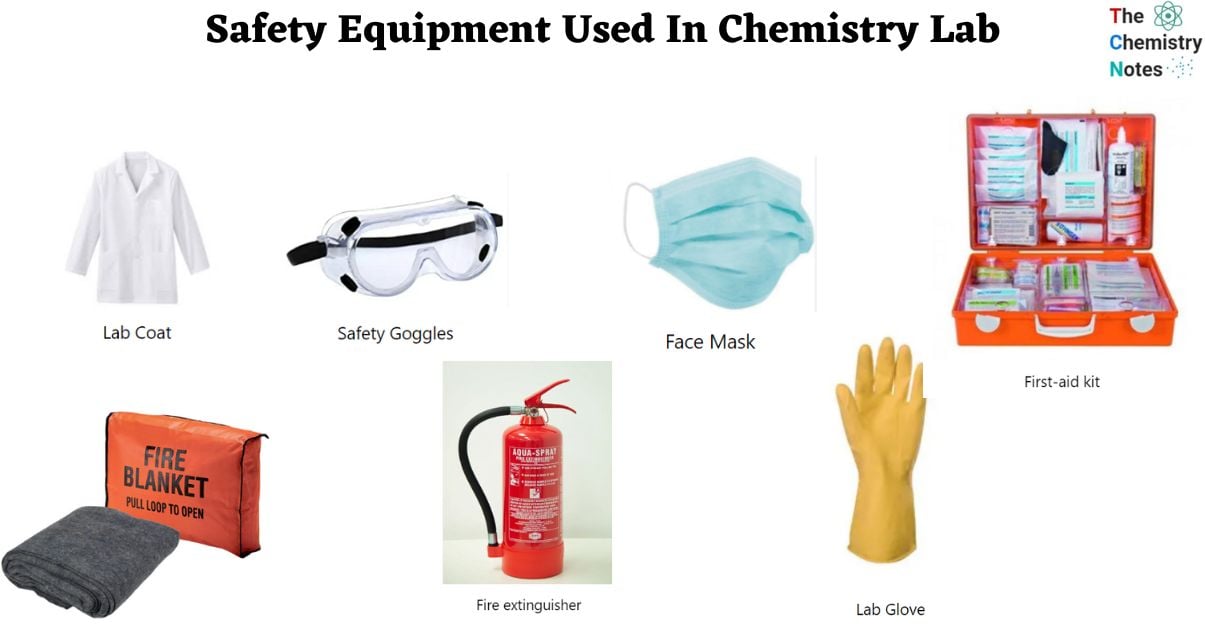
- Utilizing proper PPE, such as gloves, goggles, and protective clothing.
- Ensuring adequate ventilation in areas where IPA is used or stored.
- Implementing spill management procedures to safely handle accidental releases.
- Training personnel in the correct use of IPA and emergency response actions.
Regulatory agencies set exposure limits based on the toxicological profile of IPA. Employers and laboratory managers are required to maintain Material Safety Data Sheets (MSDS) and ensure that safety protocols are in place to protect workers from both acute and chronic exposure.
Emergency Treatment and First-Aid Measures
In the event of accidental exposure or ingestion of isopropyl alcohol, immediate medical attention is critical. First-aid measures include:
- For ingestion, do not induce vomiting unless directed by a medical professional. Seek immediate medical care.
- For skin exposure, thoroughly rinse the affected area with running water for at least 15 minutes.
- In cases of inhalation, move the affected person to an area with fresh air.
- Monitor for symptoms of central nervous system depression or respiratory distress, and be prepared to administer supportive care.
Hospitals may provide treatments such as supportive respiratory care, fluid resuscitation, and monitoring of vital signs to manage any complications related to IPA intoxication.
Comparative Analysis and Insights
Comparison with Other Alcohols
Isopropyl alcohol's toxic profile is often compared to that of ethanol (the alcohol found in beverages) and methanol. While ethanol is generally less toxic in moderate amounts, isopropyl alcohol poses a greater risk even at lower concentrations due to its metabolism and resulting by-products. Methanol, on the other hand, is highly toxic, and its metabolic products can cause severe ocular damage and central nervous system effects.
The comparison underscores that while the toxic actions of various alcohols share similarities—such as central nervous system depression—the magnitude of toxicity and the clinical outcomes differ significantly. These comparisons help inform safe usage practices across different applications.
Dose-Response Relationship and Implications
The dose-response relationship is a cornerstone in toxicology, as it directly relates the amount of an agent to the observed effect. For isopropyl alcohol, the LD50 values demonstrate that with increasing dose, the probability of severe toxic effects and mortality increases measurably. This relationship not only defines safe exposure levels but also guides emergency response protocols in cases of accidental ingestion or exposure.
Using mathematical models, toxicologists can estimate the risk associated with certain doses. For instance, if a rat has an LD50 of approximately \(5,000 \, \text{mg/kg}\), this parameter is adjusted on a per kilogram basis to provide a risk profile that, while not directly translatable to humans, offers a perspective on relative toxicity levels. Such extrapolations help in regulatory settings and in designing safer usage guidelines.
Practical Guidelines for Handling IPA
Storage and Labeling Requirements
To mitigate risks associated with isopropyl alcohol storage, materials should be kept in clearly marked containers in well-ventilated, cool areas away from sources of ignition. Proper labeling with hazard information and emergency instructions forms a critical part of safety compliance.
Industries and laboratories must follow local and international regulations regarding chemical storage. These guidelines ensure that in the event of accidental exposure, both workers and emergency services can quickly identify the substance and its relevant hazards.
Training and Risk Communication
The effective use of isopropyl alcohol hinges on comprehensive risk communication and employee training. Workers must be educated about the properties, potential hazards, and first-aid measures associated with IPA exposure. Such training ensures that in case of an accident, the proper steps are taken promptly.
Additionally, visual aids such as safety posters and detailed MSDS documentation posted near storage and usage points enhance safety culture. Continuous training and periodic drills help remind staff of proper procedures and emergency actions.
Summative Observations
Key Takeaways on IPA Toxicity
The toxicological profile of isopropyl alcohol, as derived from animal studies, underlines that:
- Isopropyl alcohol has moderate acute toxicity with LD50 values varying significantly based on the route of exposure.
- Oral ingestion is particularly hazardous, with values indicating that small volumes can be dangerous, especially when scaled to human body weight.
- Effective safety protocols, including proper storage, use of PPE, and emergency response training, are essential to minimize risks associated with IPA exposure.
These points collectively demonstrate the importance of handling isopropyl alcohol with the respect due to any hazardous chemical. The insights gained from animal models allow researchers and regulatory bodies to develop comprehensive risk assessments and safety guidelines necessary for both industrial and healthcare applications.
References
- Isopropyl Alcohol - IDLH | NIOSH - CDC
- Isopropyl Alcohol Toxicity | NCBI
- Isopropyl Alcohol - Wikipedia
- IPA MSDS - Fisher Scientific
- Isopropyl Alcohol, 70% MSDS - DEOHS
- Isopropyl Alcohol Toxicity - WikEM
- Material Safety Data Sheet - Isopropyl Alcohol
- NIOSH Safety Guidelines
- National Center for Biotechnology Information
- Environmental Protection Agency – Chemical Safety
Recommended Searches
 assets.pim.ecolab.com
assets.pim.ecolab.com
assets.pim.ecolab.com
Last updated March 3, 2025