Key Insights into Retirement Rollovers
- The "One-Rollover-Per-Year" Rule DOES NOT Apply: The IRS's restrictive one-rollover-per-12-month rule is specifically for indirect IRA-to-IRA transfers, not for rollovers from IRAs to employer-sponsored retirement plans like 401(k)s or 403(b)s.
- Multiple IRA-to-Workplace Plan Rollovers are Permissible: You can transfer funds from multiple traditional IRAs, even from different financial institutions, to the same eligible workplace retirement plan within the same calendar year.
- Prioritize Direct Rollovers: Opt for direct (trustee-to-trustee) rollovers to avoid the 60-day rule, potential tax withholding, and penalties, ensuring a smoother, more secure transfer process.
Navigating the intricacies of retirement account rollovers can seem daunting, but understanding the specific regulations can empower you to make informed decisions about your financial future. Your question centers on whether you can perform a second rollover from a different traditional IRA to your workplace retirement plan within the same year, after having already completed one such rollover. The definitive answer, according to current IRS guidelines, is generally yes.
The confusion often stems from a common misunderstanding of the "one-rollover-per-year" rule. It is critical to differentiate between various types of retirement fund transfers, as the rules apply selectively.
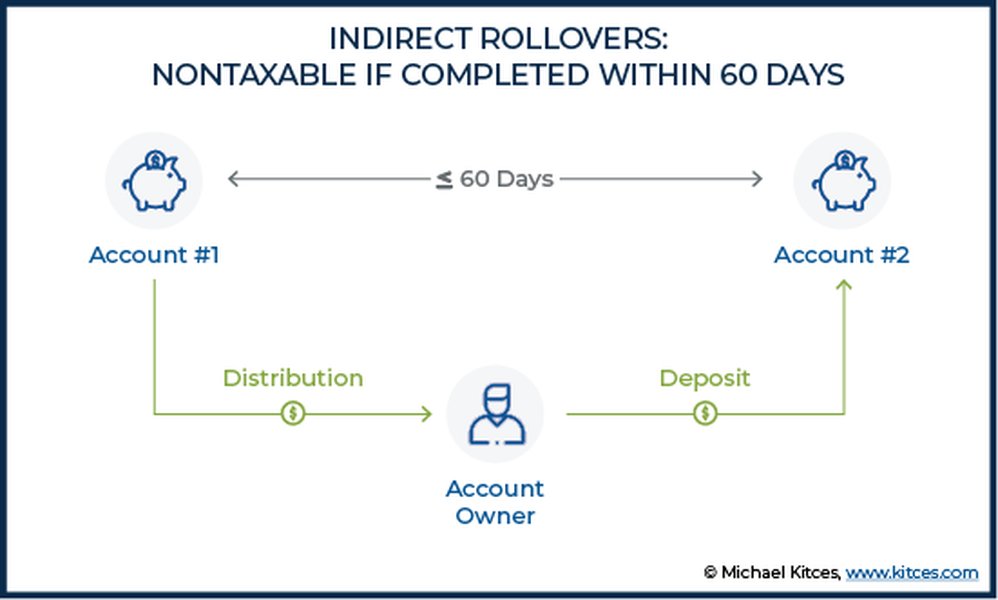
Understanding the distinctions between direct and indirect rollovers and transfers is crucial for compliance.
Demystifying the "One-Rollover-Per-Year" Rule
The "one-rollover-per-year" rule, effective since January 1, 2015, specifically applies to indirect IRA-to-IRA rollovers. This means if you take a distribution from an IRA yourself (an indirect rollover) and then deposit it into another IRA within 60 days, you can only do this once within a 12-month period across all your IRAs. This rule is designed to prevent individuals from using their IRAs as short-term checking accounts.
When the Rule Applies (and When It Doesn't)
It's crucial to understand the nuances of this rule:
- IRA-to-IRA Indirect Rollovers: Subject to the one-per-year limit. If you receive the funds from your IRA directly, you have 60 days to deposit them into another (or the same) IRA. You can only do this once every 12 months. Failure to meet the 60-day deadline can result in the distribution being fully taxable and potentially subject to a 10% early distribution penalty if you are under 59½, along with a 6% excise tax on any ineligible amounts.
- Trustee-to-Trustee Transfers (IRA-to-IRA Direct Transfers): These are direct movements of funds between financial institutions, where the money never passes through your hands. Because the funds are never distributed to you, these are considered direct transfers, not rollovers, by the IRS. Therefore, they are **not** subject to the one-per-year limit, and you can perform an unlimited number of such transfers.
- IRA-to-Employer Plan Rollovers (Your Scenario): This is the key distinction for your query. Rollovers from an IRA to an eligible employer-sponsored retirement plan (like a 401(k), 403(b), or 457(b) plan) are **not** subject to the one-per-year rule that applies to IRA-to-IRA rollovers. This means you can generally roll over multiple distributions from different IRAs to a qualified employer plan within a single year.
- Employer Plan-to-IRA Rollovers: There are no limits on how many times or how much money you can roll over from an employer plan (e.g., a 401(k)) to an IRA.
- Roth Conversions: Converting a traditional IRA to a Roth IRA (a "Roth conversion") is also not subject to the one-per-year rollover restriction.
Given that your initial rollover was from a traditional IRA to a workplace retirement plan, and your proposed second action is to roll over a *different* traditional IRA from a *different* bank to the *same* work retirement plan within the same year, you are permitted to proceed with the second rollover. The one-per-year rule specifically targets indirect IRA-to-IRA rollovers and does not apply to rollovers from an IRA to an employer-sponsored retirement plan.
The radar chart above illustrates the comparative "Regulatory Restriction Level" and "Operational Ease" across various types of retirement fund movements. It highlights how indirect IRA-to-IRA rollovers carry the highest restriction, while direct transfers and IRA-to-employer plan rollovers offer significantly more flexibility and ease of execution. This visual breakdown helps clarify why multiple rollovers from an IRA to a workplace plan are permissible, unlike the single-per-year limitation on indirect IRA-to-IRA transfers.
Key Considerations for a Smooth Rollover Process
While multiple IRA-to-workplace plan rollovers are generally allowed, several factors need careful attention to ensure a tax-efficient and compliant transfer:
Direct vs. Indirect Rollovers: Choosing the Best Method
Whenever possible, opt for a direct rollover (trustee-to-trustee transfer). In a direct rollover, your current IRA custodian sends the funds directly to your work retirement plan's custodian. This method bypasses the 60-day rule and avoids potential tax withholding, simplifying the process and minimizing risks. If you choose an indirect rollover (where you receive the funds yourself), you must deposit them into your work plan within 60 days to avoid the distribution being taxed as ordinary income and potentially incurring a 10% early withdrawal penalty if you're under 59½. Furthermore, direct rollovers are not counted towards the once-per-year IRA-to-IRA limit.
Workplace Plan Acceptance and Eligibility
It is crucial to confirm that your workplace retirement plan (e.g., your 401(k)) is eligible and accepts incoming rollovers from IRAs. Not all plans allow this, and some may have specific requirements or restrictions on the type of IRA or the amount being rolled over. Contact your plan administrator to verify their policy and understand any necessary documentation or procedures.
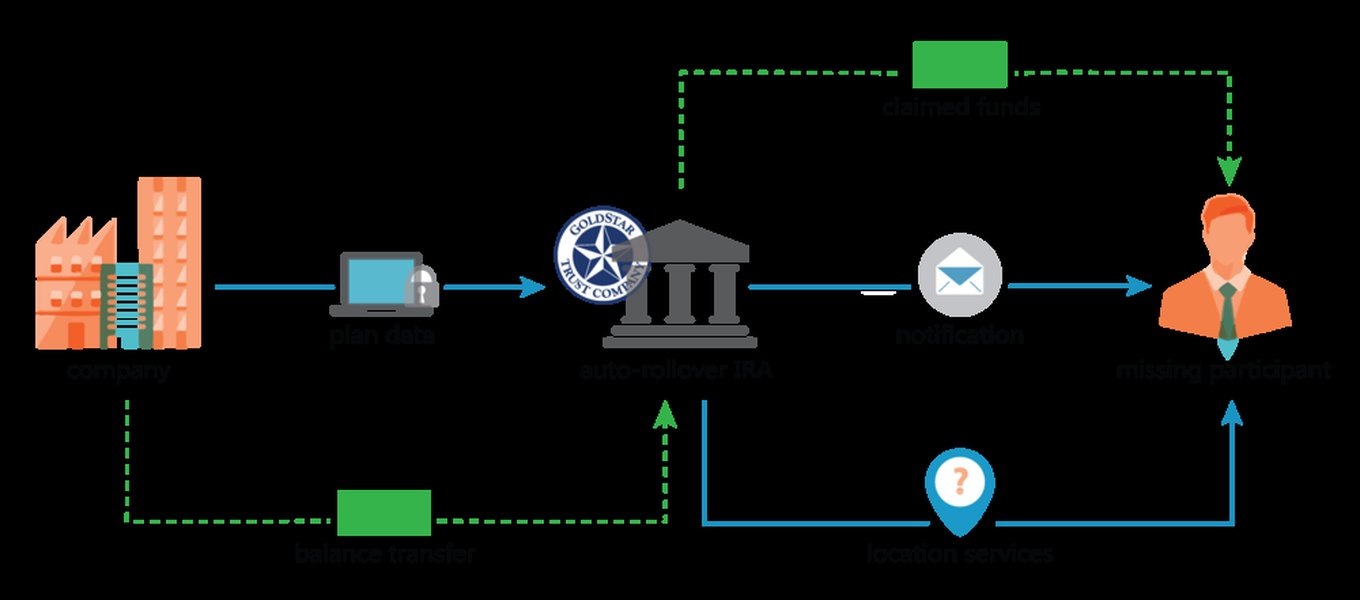
The diagram illustrates a common flow for automatic rollovers, emphasizing direct movement between custodians to ensure compliance and efficiency.
Tax Implications and Withholding
Properly executed rollovers from a traditional IRA to a traditional 401(k) (or similar pre-tax workplace plan) are generally tax-free. However, if you perform an indirect rollover and fail to redeposit the funds within the 60-day window, the entire distribution can become taxable income, and penalties may apply. Also, if you receive a check in an indirect rollover, federal income tax withholding of 20% may apply. You would still be responsible for rolling over the full amount, including the withheld portion, from other funds to avoid taxes and penalties. Be mindful that rolling pre-tax IRA funds into a Roth 401(k) or Roth IRA would constitute a Roth conversion, making the pre-tax amounts taxable in the year of conversion.
Rollovers vs. Contributions: A Clear Distinction
It's important to remember that rollovers are distinct from annual contributions. The money you roll over from an IRA to a work retirement plan does not count towards your annual contribution limits for that work plan or any IRA. This allows you to consolidate old retirement accounts without impacting your ability to make new contributions for the current tax year.
Understanding Rollover Types and Rules
The table below summarizes the key aspects of different rollover types and their associated limits, providing clarity on when specific rules apply:
| Rollover Type |
"One-Per-Year" Rule Applies? |
60-Day Rule Applicable? |
Tax Implications if Done Correctly |
Key Considerations |
| IRA-to-IRA (Indirect) |
Yes (across all IRAs) |
Yes |
Tax-free (if 60-day rule met) |
Limited to one per 12-month period; strict deadline. |
| IRA-to-IRA (Direct/Trustee-to-Trustee) |
No |
No |
Tax-free |
Unlimited number of transfers; safest method. |
| IRA-to-Employer Plan (Your Scenario) |
No |
Yes (if indirect) |
Tax-free (if completed properly) |
Multiple rollovers allowed; confirm plan acceptance. |
| Employer Plan-to-IRA |
No |
Yes (if indirect) |
Tax-free (if completed properly) |
No limit on frequency or amount. |
| Traditional IRA to Roth IRA (Conversion) |
No |
N/A (taxable event) |
Taxable (pre-tax amount) |
Converts pre-tax to after-tax; not a rollover in the traditional sense for this rule. |
Watch this video for a deeper dive into direct vs. indirect rollovers:
This video provides a valuable explanation of the three types of retirement account movements: direct rollovers, indirect rollovers, and transfers. Understanding these distinctions is fundamental to ensuring your rollover is compliant and avoids unintended tax consequences, especially when considering multiple transactions within a year.
Strategic Benefits of Consolidating Retirement Accounts
Consolidating multiple IRAs into a single workplace retirement plan can offer several strategic advantages:
- Account Simplification: Managing fewer accounts can streamline your financial planning and make it easier to track your overall retirement savings.
- Lower Investment Fees: Employer plans often have access to institutional-class investment options with lower expense ratios than individual IRAs, potentially saving you money over time.
- Creditor Protection: Funds in employer-sponsored plans typically receive stronger creditor protection under ERISA (Employee Retirement Income Security Act) than IRA funds.
- Backdoor Roth IRA Strategy: For high-income earners who exceed Roth IRA contribution limits, having no pre-tax IRA balances simplifies the "backdoor Roth IRA" strategy by avoiding the pro-rata rule.
- Access to Unique Investment Options: Your workplace plan may offer exclusive investment opportunities or collective trusts not available in individual IRAs.
mindmap
root["Retirement Rollover Rules & Strategy"]
id1["Understanding the 'One-Rollover-Per-Year' Rule"]
id2["Applies to IRA-to-IRA Indirect Rollovers"]
id3["Limited to one per 12-month period"]
id4["Aggregated across all IRAs"]
id5["60-Day Deadline is crucial"]
id6["DOES NOT Apply to:"]
id7["IRA-to-Employer Plan Rollovers"]
id8["Multiple rollovers allowed in same year"]
id9["From different IRAs to same work plan"]
id10["Trustee-to-Trustee Transfers (Direct)"]
id11["Unlimited, not considered 'rollovers'"]
id12["Employer Plan-to-IRA Rollovers"]
id13["Roth Conversions"]
id14["Key Considerations for Your Rollover"]
id15["Direct vs. Indirect Rollovers"]
id16["Direct: Recommended, avoids 60-day rule, no withholding"]
id17["Indirect: Requires 60-day re-deposit, potential 20% withholding"]
id18["Workplace Plan Acceptance"]
id19["Verify with Plan Administrator"]
id20["Confirm eligibility for incoming rollovers"]
id21["Tax Implications"]
id22["Tax-free if properly executed"]
id23["Penalties for missed deadlines (e.g., 60 days)"]
id24["Contribution Limits are Separate"]
id25["Rollovers do NOT count as contributions"]
id26["Benefits of Consolidation"]
id27["Account Simplification"]
id28["Lower Fees (potentially)"]
id29["Enhanced Creditor Protection (ERISA)"]
id30["Simplifies Backdoor Roth Strategy"]
This mindmap visually outlines the critical aspects of retirement rollover rules, with a particular focus on the applicability of the "one-rollover-per-year" rule. It clearly distinguishes between various rollover types and highlights the specific considerations for each, including the key takeaway that multiple IRA-to-employer plan rollovers are permissible. The diagram also touches upon the strategic advantages of consolidating retirement accounts.
Frequently Asked Questions
Can I roll over a Roth IRA to a traditional 401(k)?
No, you generally cannot roll over Roth IRA funds into a traditional, pre-tax 401(k). Roth IRA funds are after-tax, while traditional 401(k) funds are pre-tax. You can, however, roll over a Roth IRA into a Roth 401(k) if your employer plan offers one, or into another Roth IRA.
What happens if I miss the 60-day deadline for an indirect rollover?
If you miss the 60-day deadline for an indirect rollover, the distribution will typically be treated as a taxable withdrawal. This means the entire amount will be included in your gross income for the year, and if you are under age 59½, it may also be subject to a 10% early withdrawal penalty. In some very limited circumstances, the IRS may waive the 60-day rule, but this is rare and requires specific eligibility criteria.
Do rollovers count towards my annual IRA contribution limits?
No, rollovers do not count towards your annual IRA contribution limits. The money you transfer during a rollover is already considered retirement savings, not new contributions. Contribution limits apply to new funds you contribute to your IRA or employer plan each year.
Is it better to do a direct rollover or an indirect rollover?
It is almost always better to choose a direct rollover (trustee-to-trustee transfer). This method ensures the funds move directly between financial institutions without passing through your hands, avoiding the 60-day rule, potential tax withholding, and the risk of penalties. Indirect rollovers carry higher risks due to strict deadlines and potential tax implications if mishandled.
Conclusion
In summary, the IRS's "one-rollover-per-year" rule is narrowly defined and applies exclusively to indirect IRA-to-IRA rollovers. It does not restrict your ability to transfer funds from multiple traditional IRAs to an eligible employer-sponsored retirement plan within the same year. This flexibility allows you to consolidate your retirement savings from various banks into a single workplace account, potentially simplifying management, reducing fees, and enhancing creditor protection. Always prioritize direct rollovers and confirm your employer plan's acceptance policies to ensure a seamless and tax-compliant transfer process.
Recommended Reading and Related Queries
Referenced Search Results
 taxaudit.com
The One IRA Rollover Per Year Rule: What You Need to ...
</a>
</div>
<div class="search-result" style="margin-bottom: 20px; font-family: Arial, sans-serif;">
<div style="display: flex; align-items: center; margin-bottom: 3px;">
<img src="https://t3.gstatic.com/faviconV2?client=SOCIAL&type=FAVICON&fallback_opts=TYPE,SIZE,URL&url=https://theentrustgroup.com" alt="" style="width: 16px; height: 16px; margin: auto 10px;" />
<span class="search-result-title" style="font-size: 14px;">theentrustgroup.com</span>
</div>
<a class="search-result-description" href="https://www.theentrustgroup.com/blog/difference-transfers-from-rollovers" target="_blank" rel="noreferrer noopener nofollow" style="font-size: 18px; text-decoration: none; display: block; margin: 0 0 3px 36px; font-weight: 400; line-height: 1.3;">
IRA Transfer vs. Rollover: What's the Difference? - The Entrust Group
</a>
</div>
<div class="search-result" style="margin-bottom: 20px; font-family: Arial, sans-serif;">
<div style="display: flex; align-items: center; margin-bottom: 3px;">
<img src="https://t3.gstatic.com/faviconV2?client=SOCIAL&type=FAVICON&fallback_opts=TYPE,SIZE,URL&url=https://irs.gov" alt="" style="width: 16px; height: 16px; margin: auto 10px;" />
<span class="search-result-title" style="font-size: 14px;">irs.gov</span>
</div>
<a class="search-result-description" href="https://www.irs.gov/pub/irs-tege/rollover_chart.pdf" target="_blank" rel="noreferrer noopener nofollow" style="font-size: 18px; text-decoration: none; display: block; margin: 0 0 3px 36px; font-weight: 400; line-height: 1.3;">
Rollover Chart
</a>
</div>
<div class="search-result" style="margin-bottom: 20px; font-family: Arial, sans-serif;">
<div style="display: flex; align-items: center; margin-bottom: 3px;">
<img src="https://t3.gstatic.com/faviconV2?client=SOCIAL&type=FAVICON&fallback_opts=TYPE,SIZE,URL&url=https://empower.com" alt="" style="width: 16px; height: 16px; margin: auto 10px;" />
<span class="search-result-title" style="font-size: 14px;">empower.com</span>
</div>
<a class="search-result-description" href="https://www.empower.com/the-currency/work/rollover-ira-vs-traditional-ira" target="_blank" rel="noreferrer noopener nofollow" style="font-size: 18px; text-decoration: none; display: block; margin: 0 0 3px 36px; font-weight: 400; line-height: 1.3;">
Rollover IRA vs. traditional IRA: How do they differ? - Empower
</a>
</div>
<div class="search-result" style="margin-bottom: 20px; font-family: Arial, sans-serif;">
<div style="display: flex; align-items: center; margin-bottom: 3px;">
<img src="https://t3.gstatic.com/faviconV2?client=SOCIAL&type=FAVICON&fallback_opts=TYPE,SIZE,URL&url=https://schwab.com" alt="" style="width: 16px; height: 16px; margin: auto 10px;" />
<span class="search-result-title" style="font-size: 14px;">schwab.com</span>
</div>
<a class="search-result-description" href="https://www.schwab.com/ira/rollover-ira" target="_blank" rel="noreferrer noopener nofollow" style="font-size: 18px; text-decoration: none; display: block; margin: 0 0 3px 36px; font-weight: 400; line-height: 1.3;">
Rollover old 401(k)s into IRAs with Schwab
</a>
</div>
<div class="search-result" style="margin-bottom: 20px; font-family: Arial, sans-serif;">
<div style="display: flex; align-items: center; margin-bottom: 3px;">
<img src="https://t3.gstatic.com/faviconV2?client=SOCIAL&type=FAVICON&fallback_opts=TYPE,SIZE,URL&url=https://thinkadvisor.com" alt="" style="width: 16px; height: 16px; margin: auto 10px;" />
<span class="search-result-title" style="font-size: 14px;">thinkadvisor.com</span>
</div>
<a class="search-result-description" href="https://www.thinkadvisor.com/2021/06/22/avoiding-the-once-per-year-ira-rollover-trap/" target="_blank" rel="noreferrer noopener nofollow" style="font-size: 18px; text-decoration: none; display: block; margin: 0 0 3px 36px; font-weight: 400; line-height: 1.3;">
Avoiding the Once-Per-Year IRA Rollover Trap
</a>
</div>
<div class="search-result" style="margin-bottom: 20px; font-family: Arial, sans-serif;">
<div style="display: flex; align-items: center; margin-bottom: 3px;">
<img src="https://t3.gstatic.com/faviconV2?client=SOCIAL&type=FAVICON&fallback_opts=TYPE,SIZE,URL&url=https://tiaa.org" alt="" style="width: 16px; height: 16px; margin: auto 10px;" />
<span class="search-result-title" style="font-size: 14px;">tiaa.org</span>
</div>
<a class="search-result-description" href="https://www.tiaa.org/public/retire/financial-products/iras/rollovers" target="_blank" rel="noreferrer noopener nofollow" style="font-size: 18px; text-decoration: none; display: block; margin: 0 0 3px 36px; font-weight: 400; line-height: 1.3;">
What is an IRA Rollover Types, Rules, and Benefits - TIAA
</a>
</div>
<div class="search-result" style="margin-bottom: 20px; font-family: Arial, sans-serif;">
<div style="display: flex; align-items: center; margin-bottom: 3px;">
<img src="https://t3.gstatic.com/faviconV2?client=SOCIAL&type=FAVICON&fallback_opts=TYPE,SIZE,URL&url=https://fidelity.com" alt="" style="width: 16px; height: 16px; margin: auto 10px;" />
<span class="search-result-title" style="font-size: 14px;">fidelity.com</span>
</div>
<a class="search-result-description" href="https://www.fidelity.com/retirement-ira/401k-rollover-ira" target="_blank" rel="noreferrer noopener nofollow" style="font-size: 18px; text-decoration: none; display: block; margin: 0 0 3px 36px; font-weight: 400; line-height: 1.3;">
Rollover IRA | Simplify Your Retirement Savings | Fidelity Investments
</a>
</div>
<div class="search-result" style="margin-bottom: 20px; font-family: Arial, sans-serif;">
<div style="display: flex; align-items: center; margin-bottom: 3px;">
<img src="https://t3.gstatic.com/faviconV2?client=SOCIAL&type=FAVICON&fallback_opts=TYPE,SIZE,URL&url=https://kiplinger.com" alt="" style="width: 16px; height: 16px; margin: auto 10px;" />
<span class="search-result-title" style="font-size: 14px;">kiplinger.com</span>
</div>
<a class="search-result-description" href="https://www.kiplinger.com/retirement/iras/ira-rollover-rules-tax-letter" target="_blank" rel="noreferrer noopener nofollow" style="font-size: 18px; text-decoration: none; display: block; margin: 0 0 3px 36px; font-weight: 400; line-height: 1.3;">
IRA Rollover Rules: What You Need to Know | Kiplinger
</a>
</div>
<div class="search-result" style="margin-bottom: 20px; font-family: Arial, sans-serif;">
<div style="display: flex; align-items: center; margin-bottom: 3px;">
<img src="https://t3.gstatic.com/faviconV2?client=SOCIAL&type=FAVICON&fallback_opts=TYPE,SIZE,URL&url=https://nerdwallet.com" alt="" style="width: 16px; height: 16px; margin: auto 10px;" />
<span class="search-result-title" style="font-size: 14px;">nerdwallet.com</span>
</div>
<a class="search-result-description" href="https://www.nerdwallet.com/article/investing/401k-rollover-ira-guide" target="_blank" rel="noreferrer noopener nofollow" style="font-size: 18px; text-decoration: none; display: block; margin: 0 0 3px 36px; font-weight: 400; line-height: 1.3;">
401(k) Rollovers: A Quick-Start Guide - NerdWallet
</a>
</div>
<div class="search-result" style="margin-bottom: 20px; font-family: Arial, sans-serif;">
<div style="display: flex; align-items: center; margin-bottom: 3px;">
<img src="https://t3.gstatic.com/faviconV2?client=SOCIAL&type=FAVICON&fallback_opts=TYPE,SIZE,URL&url=https://schwab.com" alt="" style="width: 16px; height: 16px; margin: auto 10px;" />
<span class="search-result-title" style="font-size: 14px;">schwab.com</span>
</div>
<a class="search-result-description" href="https://www.schwab.com/ira/rollover-ira/rollover-options" target="_blank" rel="noreferrer noopener nofollow" style="font-size: 18px; text-decoration: none; display: block; margin: 0 0 3px 36px; font-weight: 400; line-height: 1.3;">
Rollover IRAs: A way to combine old 401(k)s and other retirement ...
</a>
</div>
<div class="search-result" style="margin-bottom: 20px; font-family: Arial, sans-serif;">
<div style="display: flex; align-items: center; margin-bottom: 3px;">
<img src="https://t3.gstatic.com/faviconV2?client=SOCIAL&type=FAVICON&fallback_opts=TYPE,SIZE,URL&url=https://reddit.com" alt="" style="width: 16px; height: 16px; margin: auto 10px;" />
<span class="search-result-title" style="font-size: 14px;">reddit.com</span>
</div>
<a class="search-result-description" href="https://www.reddit.com/r/fidelityinvestments/comments/1e0bhk4/multiple_rollover_rule_single_year/" target="_blank" rel="noreferrer noopener nofollow" style="font-size: 18px; text-decoration: none; display: block; margin: 0 0 3px 36px; font-weight: 400; line-height: 1.3;">
Multiple Rollover Rule - single year : r/fidelityinvestments - Reddit
</a>
</div>
<div class="search-result" style="margin-bottom: 20px; font-family: Arial, sans-serif;">
<div style="display: flex; align-items: center; margin-bottom: 3px;">
<img src="https://t3.gstatic.com/faviconV2?client=SOCIAL&type=FAVICON&fallback_opts=TYPE,SIZE,URL&url=https://irahelp.com" alt="" style="width: 16px; height: 16px; margin: auto 10px;" />
<span class="search-result-title" style="font-size: 14px;">irahelp.com</span>
</div>
<a class="search-result-description" href="https://irahelp.com/slottreport/how-once-year-rollover-rule-misunderstood/" target="_blank" rel="noreferrer noopener nofollow" style="font-size: 18px; text-decoration: none; display: block; margin: 0 0 3px 36px; font-weight: 400; line-height: 1.3;">
How the Once-Per-Year Rollover Rule is Misunderstood - Ed Slott ...
</a>
</div>
<div class="search-result" style="margin-bottom: 20px; font-family: Arial, sans-serif;">
<div style="display: flex; align-items: center; margin-bottom: 3px;">
<img src="https://t3.gstatic.com/faviconV2?client=SOCIAL&type=FAVICON&fallback_opts=TYPE,SIZE,URL&url=https://reddit.com" alt="" style="width: 16px; height: 16px; margin: auto 10px;" />
<span class="search-result-title" style="font-size: 14px;">reddit.com</span>
</div>
<a class="search-result-description" href="https://www.reddit.com/r/personalfinance/comments/p37u3c/401k_roll_over_question_iras_have_a_6000_limit/" target="_blank" rel="noreferrer noopener nofollow" style="font-size: 18px; text-decoration: none; display: block; margin: 0 0 3px 36px; font-weight: 400; line-height: 1.3;">
r/personalfinance on Reddit: 401K roll over question: IRAs have ...
</a>
</div>
<div class="search-result" style="margin-bottom: 20px; font-family: Arial, sans-serif;">
<div style="display: flex; align-items: center; margin-bottom: 3px;">
<img src="https://t3.gstatic.com/faviconV2?client=SOCIAL&type=FAVICON&fallback_opts=TYPE,SIZE,URL&url=https://thelink.ascensus.com" alt="" style="width: 16px; height: 16px; margin: auto 10px;" />
<span class="search-result-title" style="font-size: 14px;">thelink.ascensus.com</span>
</div>
<a class="search-result-description" href="https://thelink.ascensus.com/articles/2021/12/15/violating-the-one-per-12-month-rollover-rule-a-case-study" target="_blank" rel="noreferrer noopener nofollow" style="font-size: 18px; text-decoration: none; display: block; margin: 0 0 3px 36px; font-weight: 400; line-height: 1.3;">
Violating the One-Per-12-Month Rollover Rule: A Case Study — ...
</a>
</div>
<div class="search-result" style="margin-bottom: 20px; font-family: Arial, sans-serif;">
<div style="display: flex; align-items: center; margin-bottom: 3px;">
<img src="https://t3.gstatic.com/faviconV2?client=SOCIAL&type=FAVICON&fallback_opts=TYPE,SIZE,URL&url=https://investor.vanguard.com" alt="" style="width: 16px; height: 16px; margin: auto 10px;" />
<span class="search-result-title" style="font-size: 14px;">investor.vanguard.com</span>
</div>
<a class="search-result-description" href="https://investor.vanguard.com/investor-resources-education/education/401k-to-ira-rollover-rules" target="_blank" rel="noreferrer noopener nofollow" style="font-size: 18px; text-decoration: none; display: block; margin: 0 0 3px 36px; font-weight: 400; line-height: 1.3;">
Understanding 401(k) to IRA Rollover Rules | Vanguard
</a>
</div>
<div class="search-result" style="margin-bottom: 20px; font-family: Arial, sans-serif;">
<div style="display: flex; align-items: center; margin-bottom: 3px;">
<img src="https://t3.gstatic.com/faviconV2?client=SOCIAL&type=FAVICON&fallback_opts=TYPE,SIZE,URL&url=https://ally.com" alt="" style="width: 16px; height: 16px; margin: auto 10px;" />
<span class="search-result-title" style="font-size: 14px;">ally.com</span>
</div>
<a class="search-result-description" href="https://www.ally.com/stories/retirement/ira-rollover-rules-everything-to-know/" target="_blank" rel="noreferrer noopener nofollow" style="font-size: 18px; text-decoration: none; display: block; margin: 0 0 3px 36px; font-weight: 400; line-height: 1.3;">
IRA Rollover Rules: Everything to Know | Ally
</a>
</div>
<div class="search-result" style="margin-bottom: 20px; font-family: Arial, sans-serif;">
<div style="display: flex; align-items: center; margin-bottom: 3px;">
<img src="https://t3.gstatic.com/faviconV2?client=SOCIAL&type=FAVICON&fallback_opts=TYPE,SIZE,URL&url=https://investopedia.com" alt="" style="width: 16px; height: 16px; margin: auto 10px;" />
<span class="search-result-title" style="font-size: 14px;">investopedia.com</span>
</div>
<a class="search-result-description" href="https://www.investopedia.com/ask/answers/08/distribution-traditional-ira.asp" target="_blank" rel="noreferrer noopener nofollow" style="font-size: 18px; text-decoration: none; display: block; margin: 0 0 3px 36px; font-weight: 400; line-height: 1.3;">
The 60-Day Rollover Rule for Retirement Plans
</a>
</div>
<div class="search-result" style="margin-bottom: 20px; font-family: Arial, sans-serif;">
<div style="display: flex; align-items: center; margin-bottom: 3px;">
<img src="https://t3.gstatic.com/faviconV2?client=SOCIAL&type=FAVICON&fallback_opts=TYPE,SIZE,URL&url=https://nerdwallet.com" alt="" style="width: 16px; height: 16px; margin: auto 10px;" />
<span class="search-result-title" style="font-size: 14px;">nerdwallet.com</span>
</div>
<a class="search-result-description" href="https://www.nerdwallet.com/article/investing/how-to-rollover-401k-roth-traditional-ira" target="_blank" rel="noreferrer noopener nofollow" style="font-size: 18px; text-decoration: none; display: block; margin: 0 0 3px 36px; font-weight: 400; line-height: 1.3;">
Rollover IRA: What It Is and How It Works - NerdWallet
</a>
</div>
<div class="search-result" style="margin-bottom: 20px; font-family: Arial, sans-serif;">
<div style="display: flex; align-items: center; margin-bottom: 3px;">
<img src="https://t3.gstatic.com/faviconV2?client=SOCIAL&type=FAVICON&fallback_opts=TYPE,SIZE,URL&url=https://irs.gov" alt="" style="width: 16px; height: 16px; margin: auto 10px;" />
<span class="search-result-title" style="font-size: 14px;">irs.gov</span>
</div>
<a class="search-result-description" href="https://www.irs.gov/taxtopics/tc413" target="_blank" rel="noreferrer noopener nofollow" style="font-size: 18px; text-decoration: none; display: block; margin: 0 0 3px 36px; font-weight: 400; line-height: 1.3;">
Topic no. 413, Rollovers from retirement plans | Internal Revenue ...
</a>
</div>
<div class="search-result" style="margin-bottom: 20px; font-family: Arial, sans-serif;">
<div style="display: flex; align-items: center; margin-bottom: 3px;">
<img src="https://t3.gstatic.com/faviconV2?client=SOCIAL&type=FAVICON&fallback_opts=TYPE,SIZE,URL&url=https://kiplinger.com" alt="" style="width: 16px; height: 16px; margin: auto 10px;" />
<span class="search-result-title" style="font-size: 14px;">kiplinger.com</span>
</div>
<a class="search-result-description" href="https://www.kiplinger.com/article/retirement/t032-c000-s004-ira-aggregation-rule-when-many-iras-become-one.html" target="_blank" rel="noreferrer noopener nofollow" style="font-size: 18px; text-decoration: none; display: block; margin: 0 0 3px 36px; font-weight: 400; line-height: 1.3;">
IRA Aggregation Rule: When Many IRAs Become One - Kiplinger
</a>
</div>
<div class="search-result" style="margin-bottom: 20px; font-family: Arial, sans-serif;">
<div style="display: flex; align-items: center; margin-bottom: 3px;">
<img src="https://t3.gstatic.com/faviconV2?client=SOCIAL&type=FAVICON&fallback_opts=TYPE,SIZE,URL&url=https://advisors.principal.com" alt="" style="width: 16px; height: 16px; margin: auto 10px;" />
<span class="search-result-title" style="font-size: 14px;">advisors.principal.com</span>
</div>
<a class="search-result-description" href="https://advisors.principal.com/wps/portal/advisor/resource-center/education-training/advanced-markets-info/annuities/annuities-advanced-markets-one-rollover-per-year" target="_blank" rel="noreferrer noopener nofollow" style="font-size: 18px; text-decoration: none; display: block; margin: 0 0 3px 36px; font-weight: 400; line-height: 1.3;">
One rollover per year
</a>
</div>
<div class="search-result" style="margin-bottom: 20px; font-family: Arial, sans-serif;">
<div style="display: flex; align-items: center; margin-bottom: 3px;">
<img src="https://t3.gstatic.com/faviconV2?client=SOCIAL&type=FAVICON&fallback_opts=TYPE,SIZE,URL&url=https://fool.com" alt="" style="width: 16px; height: 16px; margin: auto 10px;" />
<span class="search-result-title" style="font-size: 14px;">fool.com</span>
</div>
<a class="search-result-description" href="https://www.fool.com/retirement/plans/ira/rollover/" target="_blank" rel="noreferrer noopener nofollow" style="font-size: 18px; text-decoration: none; display: block; margin: 0 0 3px 36px; font-weight: 400; line-height: 1.3;">
IRA Rollovers: What They Are and How They Work | The Motley Fool
</a>
</div>
<div class="search-result" style="margin-bottom: 20px; font-family: Arial, sans-serif;">
<div style="display: flex; align-items: center; margin-bottom: 3px;">
<img src="https://t3.gstatic.com/faviconV2?client=SOCIAL&type=FAVICON&fallback_opts=TYPE,SIZE,URL&url=https://us.etrade.com" alt="" style="width: 16px; height: 16px; margin: auto 10px;" />
<span class="search-result-title" style="font-size: 14px;">us.etrade.com</span>
</div>
<a class="search-result-description" href="https://us.etrade.com/knowledge/library/retirement-planning/understanding-ira-rollovers" target="_blank" rel="noreferrer noopener nofollow" style="font-size: 18px; text-decoration: none; display: block; margin: 0 0 3px 36px; font-weight: 400; line-height: 1.3;">
Understanding IRA Rollovers - E*TRADE
</a>
</div>
</div>
<div></div>
</div>
<a class="article-date">Last updated June 1, 2025</a> 