
Unraveling the Complex Dynamics of Iran-US Relations
Exploring diplomatic tensions, nuclear negotiations, and military posturing in a volatile geopolitical landscape
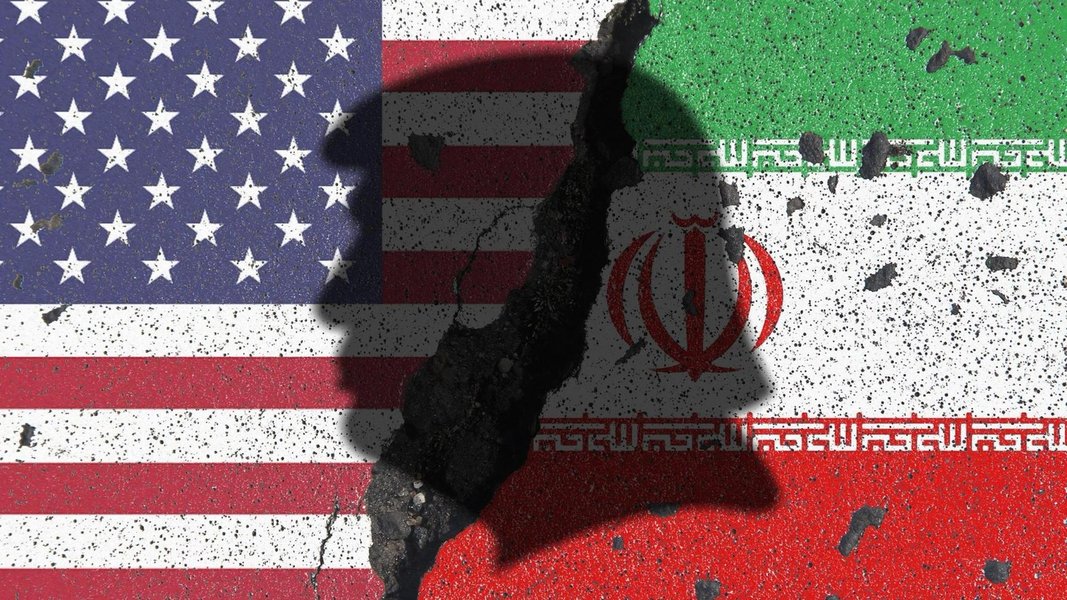
Key Insights at a Glance
- Indirect Negotiations: Iran shows cautious interest in indirect talks while firmly rejecting direct negotiations.
- Nuclear Program Disputes: The US demands the full dismantlement of Iran's nuclear capabilities amidst mutual distrust.
- Military and Economic Tensions: Intensified military threats, sanctions, and regional impacts fuel a complex dynamic.
In-Depth Analysis: The Current Iran-US Situation
Diplomatic and Negotiation Efforts
The diplomatic landscape between Iran and the United States is fraught with complexity:
Iran has signaled its willingness to engage in indirect negotiations as a way to gauge the true intentions of the United States. This approach is a strategic posture intended to avoid the pitfalls of appearing overly conciliatory while still keeping avenues open for dialogue. Iranian officials have expressed that direct negotiations under current conditions would be perceived as succumbing to U.S. pressure, particularly given the firm U.S. stance on demanding a complete dismantlement of Iran's nuclear program.
The recent interactions include a highly publicized letter from former President Donald Trump to Iran’s Supreme Leader Ayatollah Ali Khamenei, urging talks focused on curbing the nuclear ambitions of the Islamic Republic. While such overtures are indicative of a possible diplomatic thaw, they are also met with significant skepticism and concern on the Iranian side, particularly as it relates to maintaining sovereignty and strategic autonomy.
External players, including China and Russia, have bolstered Iran by condemning what they see as a U.S. “maximum pressure” strategy. These geopolitical dynamics add layers of complexity to any potential negotiation by transforming bilateral tensions into a broader international contest.
Nuclear Program and Strategic Demands
Central to the ongoing tensions is the issue of Iran's nuclear program. The United States has remained steadfast in its demand for the "full dismantlement" of Iran's nuclear capabilities. This uncompromising stance is rooted in longstanding concerns about nuclear proliferation and regional security. On the Iranian side, however, there is a strong sentiment against what is perceived as external interference in their national security decisions.
The nuclear issue is further complicated by the historical context of the Joint Comprehensive Plan of Action (JCPOA), from which the U.S. withdrew in 2018 under the Trump administration. Since then, multiple rounds of sanctions have been imposed, adversely affecting the Iranian economy and fostering a retaliatory posture among Iranian leaders. The demands for nuclear disarmament are not simply isolated policy issues but rather serve as a flashpoint for broader geopolitical and ideological confrontations.
Many analysts note that any progress in these negotiations would require a nuanced approach that balances security concerns, national pride, and regional alliances. Given the current geopolitical climate, any diplomatic breakthrough remains uncertain despite the presence of indirect negotiations.
Military Movements and Regional Influences
The military aspect of Iran-US relations reflects a delicate and perilous balancing act:
Both nations have engaged in actions that further intensify military tensions—ranging from the deployment of strategic bombers in the region by the U.S. to vehement statements by Iranian officials warning of retaliatory strikes against U.S. bases. Such provocations contribute to an atmosphere of continuous brinkmanship.
In addition to direct military posturing, regional dynamics play a crucial role. The influence of armed groups and militias in countries like Iraq, Syria, and Yemen adds another layer of risk. The threat from these groups, often supported either directly or indirectly by Iran, complicates the broader strategic calculations of the United States. On the side of the U.S., intensified military operations, including airstrikes on Iranian-backed Houthi targets in Yemen, increase the potential for miscalculation and escalation.
Concurrently, economic sanctions have strained Iran's ability to sustain its domestic economy, further radicalizing its political posture. Both economic and military measures serve to entrench positions, making compromise increasingly challenging.
Economic Sanctions and Domestic Impacts
Economic sanctions have been a cornerstone of U.S. policy aimed at curbing Iran's nuclear ambitions and its regional influence. The sanctions have targeted critical sectors in Iran, including oil exports and financial institutions, causing significant domestic economic hardship.
The depreciation of the Iranian rial and rising inflation are direct consequences of these sanctions. While the U.S. views these measures as vital to exert pressure, on the ground in Iran, they have led to widespread discontent and socioeconomic challenges. The economic strain has also impacted Iranian public sentiment, thereby influencing the political dynamics internally and, by extension, its foreign policies.
Additionally, revoking sanctions waivers has further complicated Iran’s operational landscape. Financial operations and export capabilities have been compromised, which, in turn, serves to harden Iran's negotiating stance in diplomatic talks.
Visualization Tools to Understand the Dynamics
Radar Chart: Evaluating Key Factors in the Iran-US Relationship
The radar chart below encapsulates an opinionated analysis of various factors influencing the current state of Iran-US relations. The categories include Diplomatic Willingness, Nuclear Disarmament Demands, Military Posturing, Economic Sanctions, External Geopolitical Influence, and Regional Stability. The relative positioning of each parameter demonstrates how each variable contributes to an overall tense and multi-layered geopolitical scenario.
Mermaid Mindmap: Visualizing the Key Aspects of Iran-US Relations
The mindmap below presents a simplified view of the key dimensions in the Iran-US relationship, from diplomatic efforts to military tension, and economic sanctions to nuclear negotiations. Each node offers a visual shorthand to understand the interplay of these factors.
Key Developments and Summary Table
Summary Table: Recent Dynamics in Iran-US Relations
The following table consolidates the major facets of ongoing tensions between Iran and the United States, highlighting the overlapping challenges and distinct issues shaping the bilateral relationship.
| Aspect | Key Points | Impact |
|---|---|---|
| Diplomatic Efforts |
• Preference for indirect negotiations • Concerns over direct talks perceived as capitulation • Response to overtures such as the Trump letter |
Potential for future dialogue yet high skepticism |
| Nuclear Program |
• US demand for full dismantlement • Iran’s insistence on safeguarding its strategic autonomy • Legacy issues from the JCPOA withdrawal |
Central flashpoint with significant geopolitical risks |
| Military and Security |
• Elevated military threats and posturing • Deployment of strategic bombers and missile warnings • Risk of regional conflict due to proximate interests |
Increases instability and potential for escalation |
| Economic Impact |
• Severe sanctions impacting core sectors • Currency depreciation and inflation • Domestic economic hardship influencing political stances |
Compounds internal pressures and hardens negotiation positions |
| Geopolitical Influence |
• Involvement of China, Russia as external players • Alignment against U.S. "maximum pressure" policy • Impact on regional alliances and global public opinion |
Broadens the conflict into an international arena |
Multimedia Insights
Featured Video: Analyzing Iran's Response to U.S Political Maneuvering
The video embedded below provides an in-depth look at how Iran has reacted to overt diplomatic maneuvers, including the significant letter sent by former U.S. President Trump, and discusses the broader implications of these responses in shaping the current environment.
Interactive FAQ Section
What are the primary diplomatic challenges in Iran-US relations?
The core diplomatic challenge stems from mutual distrust compounded by conflicting strategic objectives. While Iran is open to indirect negotiations, its rejection of direct talks and the perception of U.S. pressure through demands like dismantling its nuclear program create significant barriers to trust. Additionally, external influences from countries such as China and Russia introduce further complexity into bilateral dialogue.
How do economic sanctions affect Iran's approach to negotiations?
Economic sanctions have severely weakened Iran’s domestic economy, leading to currency depreciation and inflation. This impact not only contributes to internal pressure but also emboldens a more resolute stance in negotiations. The economic hardship experienced by ordinary citizens further complicates the government's willingness to make concessions, as it is under domestic pressure to maintain a firm line.
What role do military threats play in the current tension?
Military threats are a significant element of the overall tension, with both nations engaging in rhetoric and actions that signal willingness to escalate. The U.S. deployment of strategic assets and Iran’s warnings of retaliatory strikes against American bases add a precarious military dimension that risks rapid regional destabilization if miscalculations occur.
References
- Iran Ready for Indirect Talks - MSN
- Iran Negotiations and Trump's Letter - The New York Times
- US Seeks Nuclear Dismantlement - Al Arabiya
- US-Iran Nuclear Warning - Newsweek
- Iran Update - Institute for the Study of War
Recommended Explorations
Last updated March 29, 2025