
Unraveling Iron Deficiency Anemia: Causes and Comprehensive Evaluation
Understanding the root causes and diagnostic pathways for this common global health challenge.
Key Insights into Iron Deficiency Anemia
- Diverse Origins: Iron deficiency anemia stems from various factors, including significant blood loss, inadequate dietary iron intake, increased bodily iron demands, and impaired iron absorption.
- Holistic Evaluation: Diagnosis involves a multi-faceted approach, combining a thorough clinical assessment, detailed laboratory tests, and, when necessary, advanced imaging and endoscopic procedures to pinpoint the exact cause.
- Hemoglobin's Crucial Role: The condition directly impacts hemoglobin production, which is essential for oxygen transport in the blood, leading to symptoms like fatigue and pallor.
Iron deficiency anemia (IDA) is a widespread hematological condition characterized by insufficient iron in the body, leading to a reduced capacity to produce hemoglobin. Hemoglobin, a vital protein within red blood cells, is responsible for binding and transporting oxygen from the lungs to tissues throughout the body. When iron stores are depleted, hemoglobin synthesis falters, resulting in a diminished oxygen-carrying capacity of the blood. This deficiency can manifest in various symptoms, ranging from mild fatigue to severe shortness of breath, significantly impacting an individual's quality of life.
Decoding the Causes of Iron Deficiency Anemia
The development of iron deficiency anemia is rarely due to a single isolated factor. Instead, it often arises from a confluence of conditions that disrupt the delicate balance of iron intake, absorption, utilization, and loss within the body. Understanding these primary causes is crucial for effective diagnosis and treatment.
Significant Blood Loss: The Primary Culprit
One of the most common and significant causes of iron deficiency anemia is chronic or acute blood loss. When the body loses blood, it also loses iron, which is an integral component of red blood cells. If this loss is persistent and not compensated by increased iron intake or efficient recycling, iron stores gradually deplete.
Gastrointestinal Bleeding
Hidden or overt bleeding from the gastrointestinal (GI) tract is a frequent source of iron loss. Conditions that can lead to GI bleeding include:
- Peptic Ulcers: Open sores that develop on the inner lining of the stomach or the first part of the small intestine.
- Colon Polyps: Small clumps of cells that form on the lining of the colon, which can sometimes bleed.
- Colorectal Cancer: Malignant growths in the colon or rectum that can cause chronic, low-level blood loss.
- Regular Use of NSAIDs: Nonsteroidal anti-inflammatory drugs like aspirin and ibuprofen can irritate the stomach lining and lead to erosions or ulcers, resulting in bleeding.
Menstrual Bleeding
In premenopausal women, heavy menstrual bleeding (menorrhagia) is a leading cause of iron deficiency. Each menstrual cycle involves blood loss, and if the volume is excessive or prolonged, the body's iron reserves can be significantly depleted over time, leading to anemia.
Other Sources of Blood Loss
Beyond the GI tract and menstruation, other less common but significant sources of blood loss include:
- Urinary Tract Bleeding: Conditions affecting the kidneys or bladder can lead to blood in the urine, though this is a less common cause of significant IDA.
- Frequent Blood Donations: Regular blood donations can deplete iron stores if not adequately replenished through diet or supplementation.
- Trauma or Injuries: Severe injuries can lead to acute blood loss, potentially causing an immediate drop in hemoglobin levels.
Inadequate Dietary Iron Intake
A diet consistently lacking in iron-rich foods can contribute to iron deficiency. While the body is efficient at recycling iron from old red blood cells, this mechanism alone may not be sufficient to meet daily iron requirements, especially if dietary intake is consistently low. Individuals following restrictive diets, such as strict vegetarian or vegan diets, need to pay particular attention to consuming iron-fortified foods or plant-based iron sources, and pairing them with vitamin C to enhance absorption.
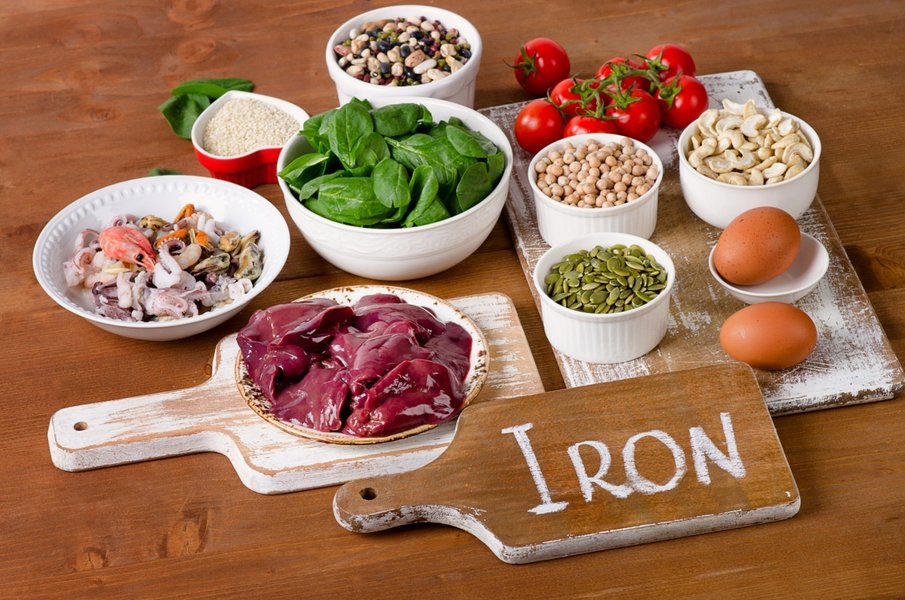
A vibrant display of iron-rich foods, underscoring the importance of dietary intake in maintaining healthy iron levels.
Increased Iron Requirements
Certain physiological states demand a higher iron supply than usual. If this increased demand is not met, iron deficiency can ensue.
- Pregnancy: Pregnant women require significantly more iron to support the growing fetus and placenta, as well as to accommodate the expansion of their own blood volume.
- Lactation: Breastfeeding mothers also have elevated iron needs due to iron transfer to breast milk.
- Adolescence: Periods of rapid growth during childhood and adolescence, particularly during puberty, necessitate increased iron for blood volume expansion and muscle mass development.
Impaired Iron Absorption
Even with adequate dietary iron intake, some conditions can hinder the body's ability to absorb iron from the digestive tract, leading to deficiency.
- Celiac Disease: An autoimmune disorder where the ingestion of gluten leads to damage in the small intestine, impairing nutrient absorption, including iron.
- Atrophic Gastritis: A condition where the stomach lining becomes inflamed and atrophies, reducing stomach acid production, which is essential for iron absorption.
- Gastrointestinal Surgeries: Procedures such as gastric bypass surgery can alter the digestive anatomy, bypassing sections of the small intestine where iron absorption primarily occurs.
- Inflammatory Bowel Disease (IBD): Conditions like Crohn's disease and ulcerative colitis can cause inflammation and damage to the intestinal lining, affecting absorption.
The Diagnostic Journey: How Iron Deficiency Anemia is Evaluated
Diagnosing iron deficiency anemia requires a systematic approach, combining a detailed patient history, physical examination, and a battery of laboratory tests. In some cases, more invasive procedures like endoscopy or imaging may be required to identify the underlying cause, especially when blood loss is suspected.
The radar chart above illustrates the relative importance of various diagnostic components in evaluating iron deficiency anemia. Clinical Assessment and Laboratory Tests form the core, providing foundational insights into the patient's condition. Iron Studies, in particular, are pivotal for confirming iron deficiency. While less frequently needed for initial diagnosis, Imaging & Endoscopy and specialized Other Tests (like stool or urine analysis) become highly significant when investigating specific underlying causes, especially suspected blood loss. Dietary Assessment and Medical History are consistently important across all stages of evaluation, providing crucial context for interpreting findings and guiding further investigation.
Clinical Assessment: The Starting Point
The initial phase of evaluation involves gathering comprehensive information about the patient's health and lifestyle.
Medical History
A thorough medical history helps identify potential risk factors and symptoms. Key areas of inquiry include:
- Symptoms: Fatigue, weakness, pallor, shortness of breath, dizziness, cold hands and feet, brittle nails, and restless legs syndrome are common indicators.
- Dietary Habits: Information on food intake, particularly iron-rich foods, and any dietary restrictions.
- Menstrual History: For women, details about the regularity and heaviness of menstrual periods.
- Past Medical Conditions: History of chronic illnesses, gastrointestinal disorders, or surgeries.
- Medication Use: Inquiry about prescription and over-the-counter medications, especially NSAIDs.
Physical Examination
A physical examination can reveal signs consistent with anemia, such as:
- Pallor: Paleness of the skin, mucous membranes, and conjunctiva.
- Fatigue and Weakness: Observable signs of low energy and muscle weakness.
- Tachycardia: An unusually fast heart rate, as the heart works harder to compensate for reduced oxygen delivery.
- Koilonychia: Spoon-shaped nails, a less common but specific sign of severe iron deficiency.
- Glossitis: Inflammation and soreness of the tongue.
Laboratory Tests: Confirming the Deficiency
Laboratory tests are indispensable for confirming the diagnosis of anemia and identifying iron deficiency as its cause.
Complete Blood Count (CBC)
The CBC is a standard blood test that provides crucial information about the blood components. In the context of IDA, key parameters include:
- Hemoglobin (Hb) and Hematocrit (Hct): These measurements indicate the overall severity of anemia. Low levels suggest reduced oxygen-carrying capacity.
- Red Blood Cell (RBC) Count: Often decreased in anemia.
- Mean Corpuscular Volume (MCV): In iron deficiency anemia, MCV is typically low, indicating microcytic (smaller than normal) red blood cells.
- Mean Corpuscular Hemoglobin (MCH) and Mean Corpuscular Hemoglobin Concentration (MCHC): These are also often low, indicating hypochromic (paler than normal) red blood cells.
- Red Cell Distribution Width (RDW): This measures the variation in red blood cell size and is often elevated in IDA, reflecting a mix of small and normal-sized red blood cells.
This video provides a detailed overview of interpreting an iron panel, explaining what each test measures and how to understand the results, which is crucial for diagnosing iron deficiency anemia.
Iron Studies
A panel of iron studies provides a comprehensive picture of the body's iron status and is critical for confirming iron deficiency. These tests include:
- Serum Iron: Measures the amount of iron circulating in the blood. In IDA, this is typically low.
- Total Iron-Binding Capacity (TIBC): Represents the total number of available binding sites for iron on transferrin, the protein that transports iron. In IDA, TIBC is usually elevated as the body tries to maximize iron absorption.
- Transferrin Saturation: Calculated by dividing serum iron by TIBC, this percentage indicates how much iron is bound to transferrin. In IDA, transferrin saturation is typically low.
- Serum Ferritin: This is the most reliable indicator of the body's iron stores. Low serum ferritin levels are highly indicative of iron deficiency.
Here's a table summarizing the typical laboratory findings in iron deficiency anemia:
| Test Parameter | Typical Finding in IDA | Significance |
|---|---|---|
| Hemoglobin (Hb) | Decreased | Indicates anemia severity |
| Hematocrit (Hct) | Decreased | Reflects percentage of red blood cells in blood |
| Mean Corpuscular Volume (MCV) | Low | Red blood cells are smaller (microcytic) |
| Mean Corpuscular Hemoglobin (MCH) | Low | Red blood cells contain less hemoglobin (hypochromic) |
| Serum Iron | Low | Indicates insufficient circulating iron |
| Total Iron-Binding Capacity (TIBC) | High | Increased capacity to bind iron, suggesting deficiency |
| Transferrin Saturation | Low | Low percentage of iron bound to transferrin |
| Serum Ferritin | Low | Depleted body iron stores (most sensitive indicator) |
Further Investigations: Identifying the Source
Once iron deficiency anemia is confirmed, identifying its underlying cause is paramount. This may involve additional tests, especially if blood loss or malabsorption is suspected.
This mindmap illustrates the comprehensive diagnostic pathway for iron deficiency anemia. It begins with clinical assessment, branching into detailed medical history and physical examination. Subsequently, laboratory tests, including a Complete Blood Count and various Iron Studies, are performed to confirm the deficiency. When the cause is not clear, the diagnostic process extends to imaging and endoscopic procedures, primarily focusing on the gastrointestinal tract, and other specific tests like stool or urine analysis to identify sources of blood loss or malabsorption conditions.
Imaging and Endoscopy
To investigate gastrointestinal bleeding, specialized procedures may be required:
- Upper Endoscopy: A procedure where a thin, flexible tube with a camera is inserted through the mouth to examine the esophagus, stomach, and duodenum for sources of bleeding like ulcers or inflammation.
- Colonoscopy: Similar to upper endoscopy, but the tube is inserted through the rectum to examine the large intestine (colon) for polyps, diverticula, or cancerous lesions that may be bleeding.
- Capsule Endoscopy: Involves swallowing a small capsule containing a camera that takes pictures as it passes through the small intestine, useful for detecting bleeding sources not visible with standard endoscopy.
Other Targeted Tests
- Stool Tests for Occult Blood: These tests detect microscopic amounts of blood in stool that are not visible to the naked eye, indicating hidden bleeding in the GI tract.
- Urine Tests: May be performed to rule out significant blood loss through the urinary system.
- Tests for Celiac Disease: If malabsorption is suspected, specific blood tests for celiac disease (e.g., tissue transglutaminase antibodies) may be ordered.
Frequently Asked Questions About Iron Deficiency Anemia
What is the most common cause of iron deficiency anemia?
Can diet alone cause iron deficiency anemia?
What is the significance of serum ferritin in diagnosing iron deficiency anemia?
Why is it important to find the cause of iron deficiency anemia?
Conclusion
Iron deficiency anemia is a prevalent condition arising from a complex interplay of factors, including blood loss, dietary inadequacies, increased physiological demands, and impaired absorption. A thorough evaluation involves a multi-pronged approach encompassing detailed medical history, physical examination, and comprehensive laboratory tests, particularly a complete blood count and iron studies. In many cases, further investigations like endoscopy or imaging are necessary to pinpoint the exact source of iron loss, especially when gastrointestinal bleeding is suspected. Understanding both the causes and the precise evaluation methods is fundamental for accurate diagnosis and effective management, ensuring patients receive targeted treatment and prevention strategies to restore their iron levels and overall health.
Recommended Further Exploration
- What are the best dietary strategies to prevent and manage iron deficiency anemia?
- What are the long-term complications of untreated iron deficiency anemia?
- What are the different types of iron supplements and their common side effects?
- How does Vitamin C enhance iron absorption, and why is it important for iron deficiency?