
The Relationship Between Iron Pentacarbonyl and Trace Iron in Hydrogen Gas
Understanding Contaminant Pathways in Hydrogen Production and Utilization
Key Takeaways
- Decomposition Pathway: Iron pentacarbonyl decomposes under specific conditions, releasing trace iron into hydrogen gas.
- Impact on Hydrogen Purity: Trace iron from decomposition can affect the purity and reactivity of hydrogen, influencing industrial processes.
- Safety and Performance Implications: The presence of trace iron can alter ignition properties and catalyst performance in hydrogen-related applications.
Introduction to Iron Pentacarbonyl
Chemical Properties and Industrial Relevance
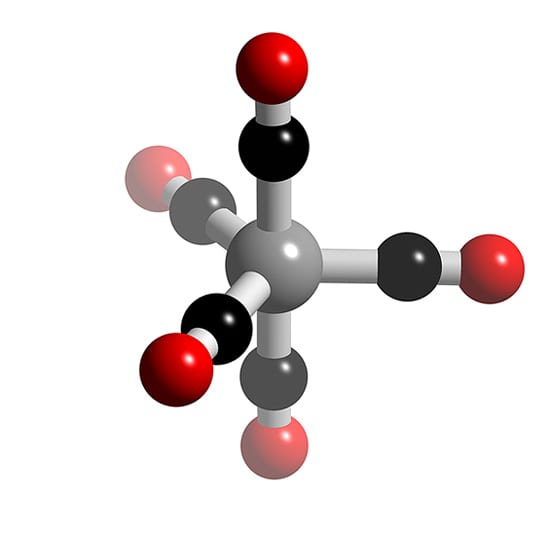
Iron pentacarbonyl (Fe(CO)₅) is a volatile, organometallic compound consisting of an iron center coordinated by five carbonyl ligands. This compound is notable for its use as a precursor in the synthesis of iron nanoparticles and catalysts, particularly in processes such as Fischer-Tropsch synthesis and hydrocarbon processing. Its volatility and thermal sensitivity make it a valuable agent in materials science and catalysis but also pose challenges regarding stability and safety.
Formation and Decomposition of Iron Pentacarbonyl
Synthesis and Thermal Behavior
Synthesis of Iron Pentacarbonyl
Iron pentacarbonyl is typically synthesized through the direct reaction of carbon monoxide with elemental iron. The process involves exposing iron surfaces to a carbon monoxide-rich environment under controlled temperatures and pressures, facilitating the formation of Fe(CO)₅. This synthesis is pivotal in producing high-purity iron catalysts used in various chemical processes.
Thermal Decomposition Mechanism
Under elevated temperatures, iron pentacarbonyl undergoes thermal decomposition, breaking down into elemental iron and releasing carbon monoxide gas. The decomposition can be represented by the following chemical equation:
$$\text{Fe(CO)}_5 \rightarrow \text{Fe} + 5\text{CO}$$
This reaction is endothermic and can occur more readily in the presence of hydrogen gas, which may influence the rate and extent of decomposition.
Trace Iron in Hydrogen Gas
Sources and Implications
Origins of Trace Iron Contamination
Trace amounts of iron in hydrogen gas can originate from several sources, including the decomposition of organometallic compounds like iron pentacarbonyl, equipment wear and tear, and contamination from catalysts used in hydrogen production processes. In high-purity hydrogen environments, even minute quantities of iron can have significant consequences.
Impact on Hydrogen Purity and Applications
The presence of trace iron in hydrogen gas can adversely affect its purity, which is critical in applications such as semiconductor manufacturing, fuel cells, and sensitive chemical syntheses. Impurities can lead to catalyst poisoning, pipeline corrosion, and unintended side reactions, thereby compromising the efficiency and safety of hydrogen-dependent processes.
Mechanistic Link Between Iron Pentacarbonyl and Trace Iron
Decomposition Pathway and Contamination Mechanism
Decomposition in Hydrogen-Enriched Environments
In environments where hydrogen gas is present, especially at elevated temperatures, iron pentacarbonyl can decompose, releasing elemental iron particles or clusters into the gas phase. This process not only reduces the concentration of Fe(CO)₅ but also introduces trace iron into the hydrogen stream. The liberated iron can exist as ultra-fine particles, which are challenging to remove due to their small size and high reactivity.
Catalytic Implications of Released Iron
Once released, trace iron particles can serve as catalytic sites, altering the reactivity of hydrogen gas. For instance, iron nanoparticles can facilitate or inhibit the ignition of hydrogen-air mixtures, depending on their concentration and distribution. This catalytic activity underscores the importance of controlling iron contamination to maintain desired reaction kinetics and safety protocols.
Industrial Contexts and Practical Implications
Application Domains and Contamination Challenges
Hydrogen Production and Processing
In hydrogen production methods such as steam methane reforming or electrolysis, iron-based catalysts are often employed to enhance reaction efficiency. The use of iron pentacarbonyl as a precursor in catalyst synthesis introduces potential pathways for iron contamination. Ensuring complete decomposition and effective removal of residual Fe(CO)₅ is crucial to prevent trace iron from entering the hydrogen product.
Catalyst Performance and Longevity
Trace iron can both positively and negatively influence catalyst performance. On one hand, dispersed iron nanoparticles can enhance catalytic activity for certain reactions. On the other hand, uncontrolled iron contamination can lead to catalyst poisoning, reducing the efficiency and lifespan of the catalytic material. Balancing these effects requires precise control over iron pentacarbonyl decomposition and trace iron levels.
Safety and Performance Implications
Hazards and Operational Considerations
Ignition Characteristics and Combustion Risks
Iron pentacarbonyl can significantly influence the ignition behavior of hydrogen gas mixtures. At low concentrations (around 1 μL/L), it can promote ignition by reducing the ignition delay time by approximately 30%. Higher concentrations (50 μL/L) further accelerate ignition, potentially leading to unexpected combustion events. However, at concentrations exceeding 150 μL/L, iron compounds may retard ignition, adding complexity to safety assessments.
Catalyst Poisoning and Equipment Corrosion
Trace iron contaminants can poison sensitive catalysts used in chemical synthesis and hydrogen purification systems. Additionally, iron can contribute to the corrosion of pipelines and storage vessels, leading to material degradation and potential failures. Implementing effective filtration and purification strategies is essential to mitigate these risks.
Mitigation Strategies and Control Measures
Ensuring Hydrogen Purity and System Integrity
Complete Decomposition and Cleanup
To prevent trace iron contamination, it is imperative to ensure the complete decomposition of iron pentacarbonyl during its application in industrial processes. This can be achieved by optimizing temperature and pressure conditions and implementing thorough cleanup protocols to remove any residual Fe(CO)₅ from the system.
Efficient Filtration and Purification Systems
Implementing advanced filtration technologies, such as high-efficiency particulate air (HEPA) filters or metal-organic framework (MOF) filters, can effectively remove ultra-fine iron particles from hydrogen gas streams. Additionally, incorporating purification steps like cryogenic distillation or pressure swing adsorption (PSA) can further enhance hydrogen purity by eliminating trace contaminants.
Monitoring and Detection Protocols
Regular monitoring of hydrogen gas for trace iron levels is essential to ensure system integrity and safety. Utilizing sensitive analytical techniques, such as inductively coupled plasma mass spectrometry (ICP-MS) or atomic absorption spectroscopy (AAS), can provide accurate measurements of iron concentrations, enabling timely interventions when contamination thresholds are exceeded.
Technological Innovations and Future Directions
Advancements in Catalyst Design and Material Handling
Development of Stable Catalysts
Innovations in catalyst design aim to improve the stability and resistance of iron-based catalysts to decomposition processes that release trace iron. By engineering more robust catalyst supports and optimizing ligand environments, the tendency of iron pentacarbonyl to decompose can be minimized, reducing the risk of contamination.
Enhanced Material Handling Protocols
Advancements in material handling and processing techniques, such as inert atmosphere environments and controlled decomposition pathways, can significantly mitigate the release of trace iron. Implementing real-time monitoring and adaptive control systems can further enhance the ability to maintain high-purity hydrogen gas.
Case Studies and Industrial Applications
Real-World Examples of Iron Pentacarbonyl Impact
Semiconductor Manufacturing
In semiconductor fabrication, high-purity hydrogen gas is essential for processes like chemical vapor deposition (CVD) and plasma etching. Trace iron contamination from iron pentacarbonyl decomposition can lead to defects and reduced yields. Implementing stringent purification and monitoring systems is crucial to maintain product quality.
Fuel Cell Technology
Fuel cells rely on pure hydrogen to achieve optimal performance and longevity. Trace iron can poison the platinum catalysts used in fuel cells, decreasing their efficiency and lifespan. Addressing iron contamination through enhanced purification processes ensures the reliability and durability of fuel cell systems.
Impact on Environmental and Safety Standards
Regulatory Compliance and Best Practices
Adherence to Purity Standards
Strict adherence to hydrogen purity standards set by industry bodies and regulatory agencies is essential to prevent the adverse effects of trace iron contamination. Implementing best practices in production, purification, and handling can help achieve compliance and ensure safe operations.
Safety Protocols for Handling Fe(CO)₅
Given the toxicity and flammability of iron pentacarbonyl, comprehensive safety protocols must be established for its handling and storage. This includes proper ventilation, protective equipment, and emergency response plans to mitigate the risks associated with accidental decomposition and contamination.
Future Research Directions
Advancing Understanding and Control Mechanisms
Investigating Decomposition Kinetics
Further research into the kinetics of iron pentacarbonyl decomposition can provide deeper insights into controlling trace iron release. Understanding the factors that influence decomposition rates and pathways will aid in designing more effective mitigation strategies.
Exploring Alternative Precursors
Exploring alternative iron precursors with greater thermal stability and lower volatility can reduce the likelihood of trace iron contamination. Developing safer and more controlled synthesis methods will contribute to maintaining high-purity hydrogen gas.
Conclusion
The relationship between iron pentacarbonyl and trace iron in hydrogen gas is a critical consideration in various industrial and technological applications. The decomposition of Fe(CO)₅ serves as a primary pathway for introducing trace iron into hydrogen streams, impacting purity, safety, and performance. Effective mitigation strategies, including complete decomposition, advanced purification systems, and robust monitoring protocols, are essential to manage and minimize contamination. Ongoing research and technological advancements hold promise for enhancing our ability to control trace iron levels, ensuring the safe and efficient use of hydrogen in diverse applications.
References
Last updated February 7, 2025