
Unlock Your Inner Strength: A Muslim's Guide to Lasting Self-Confidence
Discover timeless Islamic wisdom and practical steps to build unshakeable confidence in yourself and nurture it in your children.
Key Insights to Embrace
- True Islamic self-confidence is not arrogance, but a profound trust in Allah's plan (Tawakkul) coupled with a recognition of one's God-given abilities and a commitment to personal growth.
- Building robust self-confidence involves a multifaceted approach: strengthening faith and knowledge, consistent reliance on Allah, self-awareness, facing challenges with courage, and cultivating positive habits.
- Raising self-confident Muslim children hinges on instilling a strong Islamic identity, providing a loving and supportive environment, modeling confident behavior, and teaching resilience rooted in faith.
Defining Self-Confidence in Islam: Beyond the Superficial
The Islamic Perspective on Inner Assurance
In Islam, self-confidence is a noble trait, distinct from pride or vanity. It signifies a deep-seated belief in one's abilities as bestowed by Allah, combined with an unwavering reliance on Him. This confidence is not about feeling superior to others but about understanding one's worth as a creation of Allah, tasked with fulfilling a purpose. It is a balanced state between a lack of confidence (which can lead to inaction) and conceit (which is condemned). True Islamic confidence empowers a Muslim to strive for excellence in all aspects of life, face adversity with resilience, and contribute positively to their community and the Ummah at large.
This inner strength is nurtured by recognizing that all power and success ultimately come from Allah. Therefore, a confident Muslim remains humble, acknowledging that their talents and achievements are blessings to be utilized responsibly and gratefully.
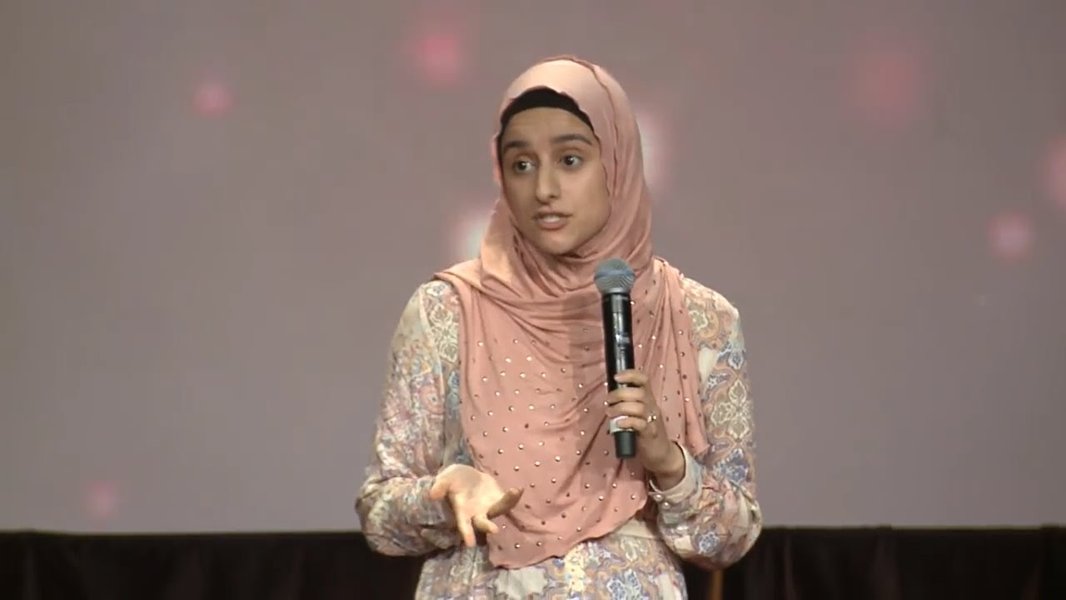
Confidence rooted in faith provides stability and purpose.
Distinguishing Confidence from Arrogance (Kibr)
Islam strongly warns against arrogance (kibr). While self-confidence encourages recognizing one's strengths and utilizing them, arrogance involves looking down upon others and rejecting truth. A confident Muslim attributes their successes to Allah and uses their abilities for good, whereas an arrogant person becomes self-admiring and forgetful of the Divine source of their blessings. The Prophet Muhammad (peace be upon him) said, "He who has in his heart the weight of a mustard seed of pride shall not enter Paradise." (Sahih Muslim). Thus, genuine self-confidence in Islam is always intertwined with humility and gratitude towards Allah.
Building Your Self-Confidence as a Muslim: A Practical Blueprint
Cultivating self-confidence is an active process, deeply intertwined with one's spiritual and personal development. Here are key pillars to build this essential trait:
Strengthening Faith (Iman) and Knowledge (Ilm)
A strong foundation in Islamic teachings is paramount. Understanding the purpose of creation, Allah's attributes, and the Seerah (life of the Prophet Muhammad ﷺ) instills a profound sense of identity and purpose. Seeking knowledge is an obligation in Islam and directly contributes to a stronger sense of self and conviction in one's beliefs and actions. Understanding Islamic ethics helps navigate challenging situations with wisdom and assurance.
The Power of Tawakkul (Reliance on Allah)
Tawakkul, or absolute trust and reliance on Allah, is the cornerstone of Islamic self-confidence. It means believing that nothing occurs except by His will and seeking His assistance in all endeavors. While one must exert their best effort (take the means), the ultimate outcome is entrusted to Allah. This reliance provides immense security, reduces anxiety about the future, and empowers individuals to face fears and challenges with a calm heart. As Allah says in the Quran, "And whoever relies upon Allah – then He is sufficient for him." (Quran 65:3).
Self-Awareness and Personal Growth
Gaining a deep understanding of one's strengths, weaknesses, values, and beliefs is crucial. This self-awareness allows individuals to align their lives with Islamic principles more effectively. Identifying areas for personal growth—spiritually, morally, and practically—and actively working on them, contributes significantly to a stronger sense of self-efficacy. Correcting deficiencies, whether physical or mental, where possible, also enhances confidence.
Practical Steps and Daily Habits
Beyond foundational beliefs, certain actions and habits can significantly boost self-confidence:
Embracing Positive Self-Talk and a Growth Mindset
Monitor your internal dialogue. Replace negative self-talk with affirmations rooted in your identity as a Muslim and your potential for growth. Focus on progress rather than perfection, and view mistakes as learning opportunities. Remind yourself of Allah's mercy and His capacity to help you overcome any obstacle.
Facing Fears and Taking Purposeful Action
Confidence is often built by stepping outside one's comfort zone and confronting challenges rather than avoiding them. Set specific, achievable goals aligned with Islamic values, and work towards them with reliance on Allah. Each small success builds momentum and reinforces a sense of capability. The example of Prophet Yusuf (peace be upon him), who chose prison over sin, demonstrates facing fear with conviction.
The Importance of Righteous Companionship (Suhbah)
Surround yourself with positive, supportive, and righteous individuals. Good companions offer encouragement, constructive feedback, and can guide you towards what is good. They can help identify weaknesses in a gentle manner and support your journey of self-improvement, thereby bolstering your confidence.
Maintaining Physical and Mental Well-being
Islam emphasizes holistic well-being. Maintaining good physical health through a balanced diet and regular exercise, as well as mental health through practices like mindfulness (grounded in Islamic remembrance or *dhikr*), contributes to overall vitality and confidence. Dressing modestly and maintaining personal hygiene, as prescribed in Islam, also positively impacts self-perception.
Quranic and Hadith Foundations for Confidence
The Quran and Sunnah are replete with verses and traditions that encourage believers to be strong, resilient, and confident in their faith and actions, always grounding this confidence in their relationship with Allah.
Quranic Verses that Inspire Confidence
- Surah Al-Ankaboot (29:59): "Those who have patiently persevered and put their trust in their Lord." This verse links patience and trust in Allah with divine support and ultimate success, which are key components of a confident believer's mindset.
- Surah At-Tawbah (9:51): "Say, 'Never will we be struck except by what Allah has decreed for us; He is our protector.' And upon Allah let the believers rely." This powerful declaration fosters a sense of security and fearlessness, knowing that one's fate is in the hands of the Most Merciful.
- Surah Yunus (10:62): "Unquestionably, [for] the allies of Allah there will be no fear concerning them, nor will they grieve." This verse reassures believers that closeness to Allah brings tranquility and dispels fear, fostering a confident outlook on life.
- Surah Ash-Shu'ara (26:61-62): When Prophet Musa (peace be upon him) and his people were cornered by Pharaoh's army with the sea before them, his companions cried out, "Indeed, we are to be overtaken!" Musa (peace be upon him) replied with utmost confidence, "No! Indeed, with me is my Lord; He will guide me." This demonstrates unwavering confidence rooted in faith in Allah's guidance and support.
Prophetic Traditions (Hadith) on Inner Strength and Excellence
- The Prophet Muhammad (peace be upon him) said: "The strong believer is better and more beloved to Allah than the weak believer, although there is good in both. Strive for that which will benefit you, seek the help of Allah, and do not feel helpless." (Sahih Muslim) This Hadith directly encourages strength, proactive effort, and reliance on Allah, all hallmarks of a confident Muslim.
- It is narrated that the Prophet (peace be upon him) said: "Verily, Allah has prescribed excellence (Ihsan) in all things." (Sahih Muslim) Striving for excellence in one's actions, worship, and character naturally builds self-respect and confidence in one's abilities and contributions.
- The Prophet's life (Seerah) itself is a testament to confidence rooted in divine truth. He faced immense opposition, personal loss, and societal challenges with unwavering resolve, patience, and complete trust in Allah's plan. Studying his life provides countless examples of confident leadership and steadfastness.
Nurturing Self-Confidence in Muslim Children: A Parent's Guide
Raising self-confident Muslim children means equipping them with a strong Islamic identity, resilience, and a healthy sense of self-worth, all grounded in their faith. Parents play a pivotal role in this developmental journey.
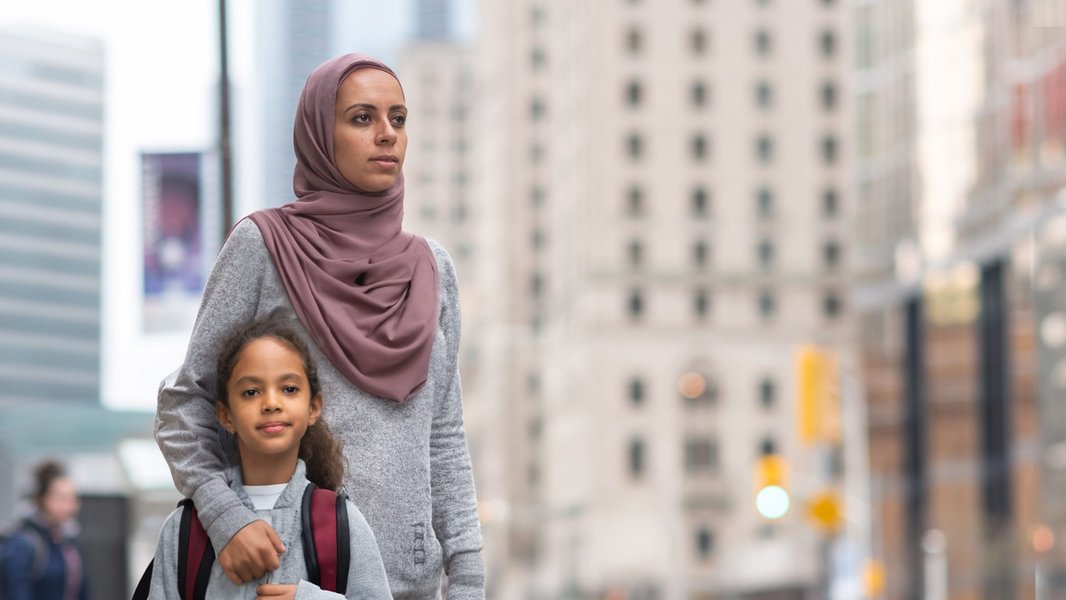
A supportive family environment is crucial for building a child's confidence and Islamic identity.
Laying a Strong Islamic Foundation
Instilling a love for Allah, His Messenger (ﷺ), and the Quran from an early age is fundamental. Teach children the core beliefs of Islam in an age-appropriate and engaging manner. Help them understand the 'why' behind Islamic practices, such as prayer (Salah) and fasting (Sawm), so they can embrace them with understanding and conviction. A strong Muslim identity provides an anchor of stability and self-assurance, especially when navigating diverse social environments.
Creating a Supportive and Valuing Home Environment
Fostering Open Communication and Validation
Create a home where children feel safe to express their thoughts, ask questions about their faith and the world, and share their concerns without fear of judgment. Listen attentively to them and validate their feelings. When children feel heard and understood, their self-esteem and confidence in their own perceptions grow. Answer their questions about Islam with enthusiasm and patience.
Modeling Confident and God-Conscious Behavior
Children learn significantly by observing their parents. Model the qualities you wish to see in them: confidence in your Muslim identity, reliance on Allah (Tawakkul), resilience in the face of setbacks, and kindness. How you speak about Islam, handle mistakes, and interact with others will profoundly shape their own approach to life and their self-perception.
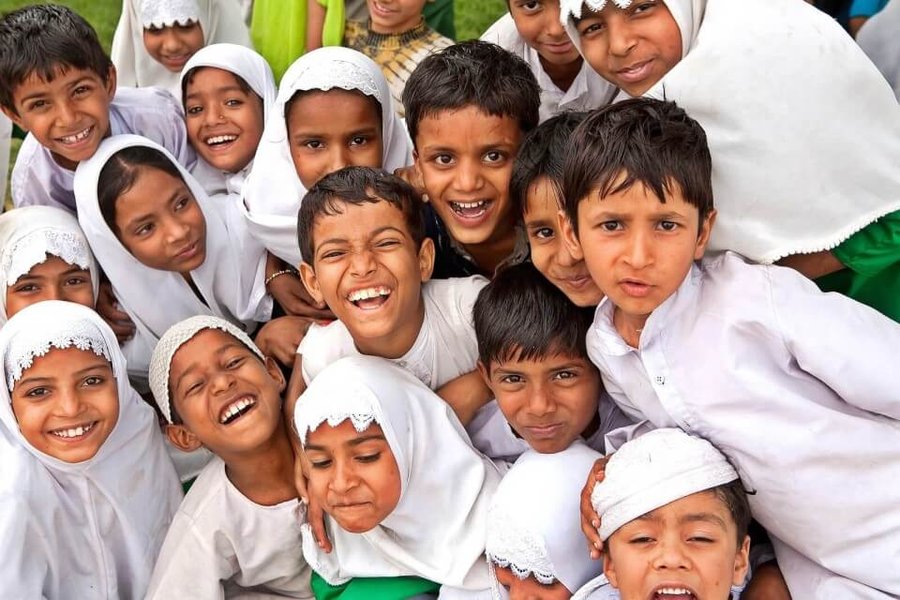
Teaching children about Islam builds a strong foundation for their identity and confidence.
Practical Strategies for Parents
Praising Effort, Perseverance, and Character
Focus on praising your children's efforts, perseverance, and good character traits rather than solely their achievements or innate abilities. This helps them develop a growth mindset, understanding that abilities can be developed through dedication. It builds their confidence in their capacity to learn and overcome challenges, rather than fearing failure.
Role-Playing, Problem-Solving, and Community Involvement
Help children navigate potential social challenges by role-playing scenarios where they might need to explain their faith or make ethical choices. Equip them with polite and confident responses. Encourage their involvement in the local Muslim community and masjid activities. Connecting with other Muslim families and peers reinforces their sense of belonging and strengthens their Islamic identity.
Teaching Trust in Allah (Tawakkul) and the Power of Dua
Teach children to make dua (supplication) to Allah for their needs, big or small, and to trust in His wisdom and timing. Share stories of Prophets and righteous individuals who relied on Allah. This instills in them a sense of hope and assurance that they are never alone and can always turn to Allah for help, which is a profound source of inner confidence.
Visualizing Key Aspects of Islamic Confidence
The following chart illustrates an opinionated assessment of the importance and developmental focus of key attributes contributing to Islamic self-confidence, both for an individual's journey and in the context of raising children. These attributes are interconnected and contribute holistically to a confident Muslim identity.
This visualization underscores that while all aspects are important, certain elements like Tawakkul and Dua might receive foundational emphasis in childhood, while aspects like deep self-awareness might develop more with maturity, though initial seeds are sown early.
Mindmap: Pathways to Islamic Self-Confidence
This mindmap outlines the interconnected pathways and foundational elements involved in cultivating self-confidence as a Muslim, covering both personal development for adults and nurturing strategies for children. It illustrates how core beliefs translate into practices, leading to the desirable outcomes of a confident Islamic personality.
Not Arrogance"] idA3["Purpose: Pleasing Allah,
Fulfilling Vicegerency (Khalifa)"] idB["Pathways for Adults"] idB1["Spiritual Foundations"] idB1a["Deepening Iman (Faith)"] idB1b["Consistent Salah & Ibadah (Worship)"] idB1c["Quran & Sunnah Study"] idB1d["Sincere Dua (Supplication)"] idB2["Personal Development"] idB2a["Seeking Ilm (Knowledge)"] idB2b["Self-Reflection & Awareness"] idB2c["Setting & Achieving Halal Goals"] idB2d["Developing Skills & Competencies"] idB3["Character & Mindset"] idB3a["Practicing Sabr (Patience) & Shukr (Gratitude)"] idB3b["Cultivating Ihsan (Excellence)"] idB3c["Positive Self-Talk & Avoiding Negativity"] idB3d["Resilience: Learning from Setbacks"] idB3e["Righteous Companionship"] idC["Nurturing in Children (Parental Role)"] idC1["Establishing Strong Islamic Identity"] idC1a["Teaching Core Beliefs (Aqeedah) Simply"] idC1b["Instilling Love for Allah & Prophet (PBUH)"] idC1c["Making Islamic Practices Enjoyable"] idC2["Creating a Supportive Environment"] idC2a["Unconditional Love & Acceptance"] idC2b["Open & Honest Communication"] idC2c["Modeling Confident Muslim Behavior"] idC2d["Validating Emotions & Experiences"] idC3["Guidance & Empowerment"] idC3a["Praising Effort & Character, Not Just Outcomes"] idC3b["Teaching Resilience & Problem-Solving"] idC3c["Encouraging Exploration & Safe Challenges"] idC3d["Connecting with Positive Muslim Role Models & Community"] idD["Fruits of True Islamic Confidence"] idD1["Inner Peace & Contentment (Ridha)"] idD2["Resilience in the Face of Adversity"] idD3["Purposeful & Productive Living"] idD4["Positive Contribution to Family & Ummah"] idD5["Fearlessness (except of Allah)"]
This mindmap serves as a visual guide to the holistic approach Islam offers for building and nurturing self-confidence, grounded in faith and leading to a fulfilling life.
Video Resource: Insights on Raising Confident Muslim Youth
Parenting plays a crucial role in shaping the confidence of the next generation. The following video from Yaqeen Institute features Sheikh Ibrahim Hindy discussing practical strategies and Islamic principles for nurturing an Islamic identity and confidence in Muslim children, especially in contemporary contexts. Understanding these dynamics can empower parents to raise resilient and self-assured individuals who are firm in their faith.
This webinar delves into the challenges parents face and offers faith-based solutions, emphasizing how a strong connection to Islamic teachings can foster a sense of belonging and self-worth in young Muslims. It aligns with the broader theme of building confidence through a robust understanding and practice of Islam.
Comparative Table: Confidence Building Strategies – Adults vs. Children
While the core principles of Islamic self-confidence remain consistent, the approach to fostering it differs between adults and children. Adults often engage in more direct self-reflection and independent learning, while children require guidance, modeling, and a nurturing environment provided by caregivers. This table highlights some key distinctions and commonalities.
| Aspect of Confidence | Strategies for Adults (Self-Driven) | Strategies for Children (Parent/Guardian-Led) | Common Ground |
|---|---|---|---|
| Foundation of Faith | Deepen personal understanding of Tawhid, engage in advanced Islamic studies, consistent personal Ibadah. | Introduce Allah's love and basic concepts of faith through stories, simple duas, and making Islamic practices joyful. | Emphasis on Allah's power, mercy, and constant presence. |
| Knowledge & Identity | Independent study of Quran, Hadith, Seerah; reflect on personal Muslim identity in complex contexts. | Teach foundational Islamic knowledge (e.g., stories of Prophets), foster pride in Muslim identity through positive association and role models. | Understanding one's purpose and values as a Muslim. |
| Action & Experience | Set personal and professional goals aligned with Islam, consciously face fears, take calculated risks, seek leadership roles. | Provide safe opportunities for exploration and age-appropriate challenges, encourage trying new things, assign responsibilities (chores). | Learning through experience, developing competence, and overcoming obstacles. |
| Mindset & Resilience | Actively practice positive self-talk, manage internal criticism, develop Sabr (patience) through trials, seek lessons from adversity. | Offer affirmations, praise effort over outcome, help reframe setbacks positively, model resilient behavior. | Focus on growth, learning from mistakes, and maintaining hope. |
| Support System | Seek out righteous companions (Suhbah), mentors, and Islamic scholars for guidance and support. | Create a loving, secure, and communicative home environment; connect child with positive Muslim peers and community. | Importance of a supportive and encouraging social environment. |
| Relationship with Allah | Cultivate a deep, personal relationship with Allah through consistent Dua, Tahajjud, Dhikr, and reflection. | Teach the habit of making Dua for all needs, share the comfort of Allah's presence, make remembrance of Allah a family norm. | Turning to Allah for strength, guidance, and solace. |
This table aims to provide a structured way to think about tailoring confidence-building efforts based on developmental stages, all while adhering to core Islamic principles.
Frequently Asked Questions (FAQ)
What is the Islamic definition of self-confidence?
In Islam, self-confidence is a balanced trait rooted in recognizing one's God-given abilities and potential, coupled with complete trust and reliance on Allah (Tawakkul). It's about knowing your worth as Allah's creation without falling into arrogance, and striving to fulfill your purpose with courage and conviction.
How is Islamic self-confidence different from arrogance?
Islamic self-confidence is grounded in humility and gratitude to Allah, acknowledging Him as the source of all strengths and successes. Arrogance (kibr), on the other hand, involves self-admiration, looking down on others, and forgetting Allah's role. A confident Muslim uses their abilities for good, while an arrogant person is self-centered.
What is the role of Tawakkul (reliance on Allah) in building confidence?
Tawakkul is central to Islamic self-confidence. It means putting in your best effort and then entrusting the outcome to Allah. This reliance frees you from crippling anxiety about results, allowing you to act with courage and peace, knowing that Allah's plan is perfect. It provides a secure foundation for facing challenges.
Can you give a Quranic verse that encourages confidence?
One powerful verse is from Surah At-Tawbah (9:51): "Say, 'Never will we be struck except by what Allah has decreed for us; He is our protector.' And upon Allah let the believers rely." This instills confidence by reminding believers of Allah's ultimate control and protection.
What's one key tip for raising confident Muslim children?
One key tip is to consistently model confident and God-conscious behavior yourself. Children learn immensely from observing their parents' faith, resilience, and how they handle challenges with trust in Allah. Your own confidence in your Muslim identity is a powerful teacher.
Recommended Further Exploration
- What are practical daily habits to strengthen Tawakkul in Allah?
- How can the Seerah of Prophet Muhammad (PBUH) inspire modern Muslims to overcome personal challenges?
- Explore specific Duas from Quran and Sunnah for seeking strength and overcoming fear.
- What are effective communication strategies for discussing complex Islamic topics with children of different ages?
References
Last updated May 16, 2025