
Best Practices for Isolating Plant Growth-Promoting Microorganisms (PGPMs)
A Detailed Guide to Effective Laboratory Techniques
Highlights
- Sample Collection: Ensuring diversity by collecting rhizosphere and tissue samples under varied environmental conditions.
- Isolation and Culturing: Using selective media and pure culture techniques like the streak plate method to obtain isolated colonies.
- Screening and Characterization: Employing biochemical, phenotypic, and molecular assays to confirm plant growth-promoting traits.
Introduction
Plant growth-promoting microorganisms (PGPMs) play a vital role in enhancing crop productivity, nutrient uptake, and the overall resilience of plants under environmental stress conditions. The isolation of these beneficial microorganisms in a laboratory setting involves a series of meticulous steps, from initial sample collection to detailed screening, that ensure only the most effective strains are selected for agricultural applications. This detailed guide explains the comprehensive practices and methodologies used in isolating PGPMs and outlines recommended procedures to achieve reliable and reproducible results.
1. Sample Collection
1.1 Importance of Source Selection
The foundation of successful PGPM isolation is the collection of diverse and representative samples. Collecting samples from a variety of environments, including different types of soils and plant tissues, increases the likelihood of isolating microorganisms that are well-adapted to diverse growing conditions.
Key Considerations:
- Diverse Environments: Focus on collecting samples from various rhizosphere regions, plant tissues, and stressful environments, as these can yield microbes with unique adaptation traits.
- Aseptic Technique: Ensure that samples are collected and stored aseptically to reduce the risk of contamination by unwanted microorganisms.
- Representative Sampling: Include both healthy and stressed plants in the sampling process to capture a broad spectrum of potential PGPMs.
- Immediate Processing or Preservation: Process samples quickly or store them under conditions that maintain microbial viability, such as refrigeration.
1.2 Types of Samples to Collect
Researchers typically focus on the rhizosphere, the soil region influenced by root exudates, as it is rich in microbial diversity. In addition, plant tissues like roots, stems, or even leaves can harbor endophytic microbes with plant growth-promoting capabilities.
2. Isolation Techniques
2.1 Culturing and Media Selection
Once samples are collected, the next step is culturing the microorganisms on appropriate media. General-purpose media like Nutrient Agar, Luria-Bertani agar, or Soybean Casein Digest Agar are often used. However, the development of selective media tailored to favor specific microbial traits, such as nitrogen fixation or phosphate solubilization, can enhance isolation efficiency.
Key Strategy:
- General Media vs. Selective Media: Use general media for initial culture growth, followed by selective media to isolate microbes with desired characteristics.
- Growth Condition Optimization: Adjust incubation temperature, oxygen levels, and nutritional components based on the specific needs of the targeted microorganisms.
2.2 Isolation Methods
Two widely used methods for isolation are the streak plate method and the pour plate method. The streak plate method is particularly effective in obtaining isolated colonies by serial dilution of microbial samples, ensuring that individual cells can grow into distinct colonies that are later purified.
Isolation Steps:
- Serial Dilution: Dilute the sample to reduce the number of microorganisms, enabling easier isolation of individual colonies.
- Streak Plate Method: Use this technique to spread a small inoculum in a pattern that allows colonies to grow isolated from one another.
- Pour Plate Method: Mix diluted samples with melted agar and pour this mixture over a plate for even distribution and colony formation.
- Purification: Re-streak colonies on fresh media until pure cultures are obtained, ensuring the removal of any contaminants.
2.3 Incubation and Environmental Conditions
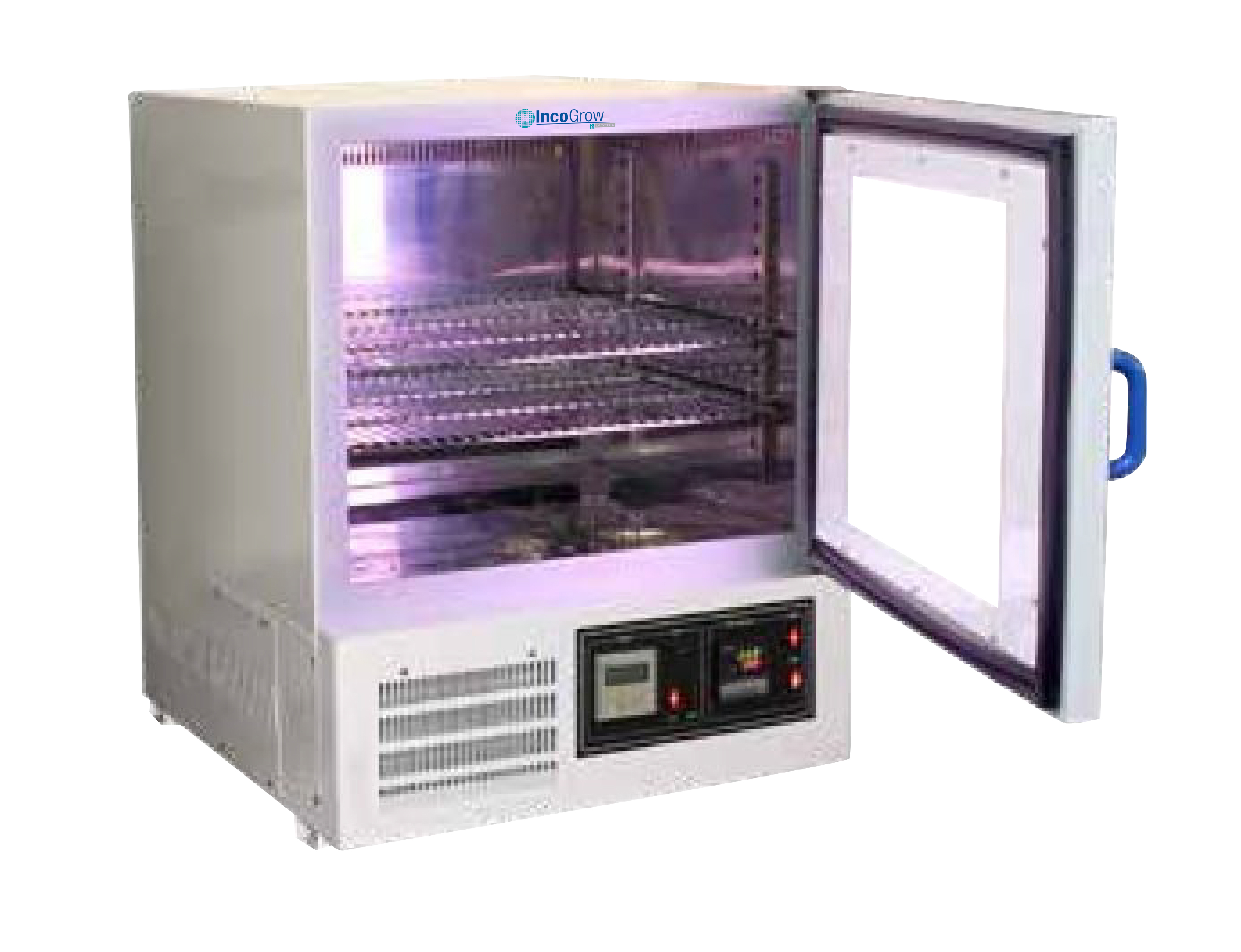
Incubation plays a crucial role in the successful growth of isolated microorganisms. The incubation conditions, such as temperature and time, should be chosen based on the known growth profiles of the target organisms. Typically, temperatures in the range of 28°C to 30°C are optimal for many soil bacteria.
Critical Factors:
- Temperature: Maintain optimal ranges to support microbial growth and preserve physiological functions.
- Humidity and Oxygen Levels: Adjust atmospheric conditions as some microorganisms require aerobic conditions while others may be microaerophilic or anaerobic.
- Time of Incubation: Monitor plates regularly to capture transient colonies and prevent overgrowth by fast-growing species.
3. Screening and Characterization
3.1 Early Screening for Plant Growth-Promoting Traits
Once pure cultures are established, screening for plant growth-promoting traits is performed. The screening tests aim to identify isolates that possess the ability to promote plant health and growth. Preliminary screening can involve simple in vitro assays before moving to more complex greenhouse or field trials.
Key Assays Include:
- Phosphate Solubilization: Test for the ability to solubilize phosphates, usually via clear halo formation in specialized media.
- Nitrogen Fixation: Assess by growing the isolates on nitrogen-free media to determine their ability to fix atmospheric nitrogen.
- Hormone Production: Analyze the production of growth hormones such as indole-3-acetic acid (IAA), which can enhance root development.
- Enzyme Activity: Evaluate production of enzymes like cellulases and chitinases, which aid in nutrient cycling and pathogen control.
3.2 Advanced Characterization Techniques
Beyond initial in vitro screening, advanced characterization methods help elucidate the genetic and biochemical basis of microbe-plant interactions. These methods involve both phenotypic assays and molecular analysis.
Molecular Techniques:
- Polymerase Chain Reaction (PCR): Use PCR analysis to amplify specific genes linked to plant growth promotion, such as those involved in nitrogen fixation or P-solubilization.
- Sequencing: Apply amplicon sequencing or whole-genome sequencing to determine the identity of isolates and their functional potential.
- Metagenomic Analysis: Explore the microbial community structure within the rhizosphere, even accounting for non-culturable species.
- Phenotypic Characterization: Record morphological traits and assess growth responses under different environmental stresses to build comprehensive profiles of each isolate.
3.3 Pot Trials and Field Testing
To firmly establish the effectiveness of PGPMs, controlled greenhouse experiments or pot trials are conducted. These tests enable the assessment of plant responses such as root elongation, biomass accumulation, and nutrient uptake after inoculation.
Testing Considerations:
- Controlled Environment: Use a standardized environment (soil composition, moisture, temperature) to minimize variability in the results.
- Controls: Include negative controls (non-inoculated plants) and positive controls (plants inoculated with known PGPMs) to benchmark performance.
- Documentation: Record quantitative and qualitative data meticulously. This enables statistical validation of PGPM effectiveness.
4. Maintaining Aseptic Techniques and Record-Keeping
4.1 Importance of Sterility
Aseptic techniques are fundamental to prevent contamination that can compromise the integrity of the isolated cultures. Using sterilized instruments, working within laminar flow hoods, and employing proper disinfection protocols contribute significantly to the quality of the isolation process.
Best Practices:
- Sterilize Instruments: Autoclave or chemically sterilize tools before and after use.
- Laminated Flow Hood Usage: Perform sample preparation and plating within a laminar flow hood to minimize airborne contaminants.
- Regular Monitoring: Continuously inspect cultures for any signs of contamination or unexpected growth.
4.2 Record-Keeping and Data Analysis
Comprehensive record-keeping is essential for reproducibility and future analysis. Detailed documentation includes sampling details (location, conditions, source), culture conditions, media compositions, and all observed characteristics during screening. Additionally, maintaining structured digital records supports statistical analysis and facilitates reproducibility over multiple experiments.
Documentation Tips:
- Standardization: Use standardized formats for recording observational data and experimental results.
- Digital Logs: Leverage laboratory management software for analyzing trends and improving protocols.
- Statistical Methods: Employ statistical analyses to compare the performance and growth stimulation effects of different strains.
5. Implementation in Agricultural Settings
5.1 Field Validation of PGPMs
Although many PGPMs exhibit promising traits in laboratory settings, it is essential to validate their performance under field conditions. Field trials not only demonstrate the true potential of the isolates in promoting plant growth, but they also reveal how these microorganisms interact with the complex environmental factors present in actual agricultural ecosystems.
Field Trial Considerations:
- Real-World Conditions: Test PGPMs in different soil types and climatic conditions to assess adaptability.
- Inoculation Methods: Explore various inoculation methods such as seed coating, soil drenching, or foliar sprays.
- Long-Term Analysis: Monitor plant health and yield over complete growing seasons to understand the sustained benefits.
5.2 Integration into Crop Management Practices
Once PGPMs are validated, their integration into crop management systems can lead to sustainable agricultural practices. By reducing the reliance on chemical fertilizers and enhancing soil fertility through biological means, these microorganisms serve as a natural means to improve ecosystem health.
Steps for Implementation:
- Application Strategies: Develop protocols for consistent and effective application of PGPMs that match the scale of agricultural operations.
- Farmer Training: Disseminate information and train farmers on the benefits and application methods of PGPMs.
- Monitoring Impact: Set up monitoring systems to measure the effects of PGPM applications on crop yields, soil health, and pest management.
6. Comparative Overview of Isolation Workflow
6.1 Isolation Workflow Table
| Step | Key Activities | Outcomes |
|---|---|---|
| Sample Collection | Diverse sampling from rhizosphere and tissues under various environmental conditions | High diversity of microbes |
| Culturing | Preparation of general and selective media; optimization of growth conditions | Optimal growth of target microorganisms |
| Isolation Techniques | Streak plate and pour plate methods; serial dilution; purification | Pure isolates ready for characterization |
| Screening | Initial in vitro assays for phosphate solubilization, nitrogen fixation, hormone production | Identified microbial candidates with PGPM traits |
| Characterization | Molecular analysis, PCR, sequencing, phenotypic assays | Accurate identification and confirmation of beneficial traits |
| Field Testing | Greenhouse trials, pot experiments, field validation | Sustainable and effective PGPM strains for agricultural use |
Conclusion
In summary, isolating plant growth-promoting microorganisms in the lab is a multi-stage process that requires attention to detail, precision, and rigorous methodologies. It begins with judicious sample collection from diverse environmental sources, followed by careful culturing using both general and selective media to encourage the growth of target microbes. Isolation methods, particularly the streak plate and pour plate techniques, are essential in obtaining pure cultures, while controlled incubation conditions ensure that the isolated microbial populations thrive.
The screening and characterization phase is critical, as it involves the initial identification of beneficial traits followed by advanced molecular techniques and field-based validation to confirm the effectiveness of the isolates. Maintaining aseptic techniques and thorough record-keeping throughout the process enhances reproducibility and provides a robust dataset for further research.
Ultimately, the integration of PGPMs into agricultural practices holds great promise for sustainable crop production. By reducing dependence on chemical fertilizers and enhancing soil health, these microorganisms contribute to resilient farming systems. As research and technological advances continue to refine these practices, the role of PGPMs in improving plant productivity is expected to expand, enabling more sustainable and environmentally friendly agriculture.
References
- Frontiers in Sustainable Food Systems - Frontiers
- Bacterial Isolation Methodologies - TMCC
- General Methods of Microbial Isolation - Plantlet
-
Isolation, Screening, and Characterization of PGPMs - PMC
-
Advances in Microbial Isolation Techniques - ScienceDirect
Recommended Queries
Last updated February 28, 2025