
Assessing the Claims of Genocide by the State of Israel
A Comprehensive Analysis of Allegations and Counterclaims
Key Takeaways
- Legal Definitions and Standards: The classification of actions as genocide hinges on specific legal criteria, particularly the intent to destroy a group.
- Divergent International Opinions: Significant disagreement exists among international bodies, organizations, and nations regarding the characterization of Israel’s actions.
- Ongoing Legal Proceedings: Legal challenges and investigations, such as those filed at the International Court of Justice, continue to scrutinize the allegations.
Understanding Genocide: Legal Framework
Definition and Criteria
Genocide is a term defined under the United Nations Convention on the Prevention and Punishment of the Crime of Genocide (1948). It encompasses acts committed with the intent to destroy, in whole or in part, a national, ethnic, racial, or religious group. The key element that distinguishes genocide from other forms of mass violence is the demonstrable intent to eliminate a particular group.
Legal Determinations
Legal determinations of genocide require a thorough examination of intent and actions. International bodies such as the International Criminal Court (ICC) and the International Court of Justice (ICJ) play pivotal roles in evaluating evidence and making rulings based on established legal standards. To date, no international tribunal has definitively ruled that the State of Israel's actions constitute genocide.
Allegations of Genocide Against Israel
Reports and Accusations
Multiple international human rights organizations and experts have raised serious concerns regarding the actions of the State of Israel in Gaza. Notably, Amnesty International released a report titled "You Feel Like You Are Subhuman," which argues that Israel’s actions meet the legal threshold for genocide. Similarly, the United Nations Special Rapporteur on the situation in Palestine has indicated that Israel's warfare methods are consistent with genocide characteristics.
Evidence Cited
The evidence presented in these allegations includes:
| Evidence | Description |
|---|---|
| High Civilian Casualties | Reports indicate tens of thousands of Palestinians killed, including over 14,000 children. |
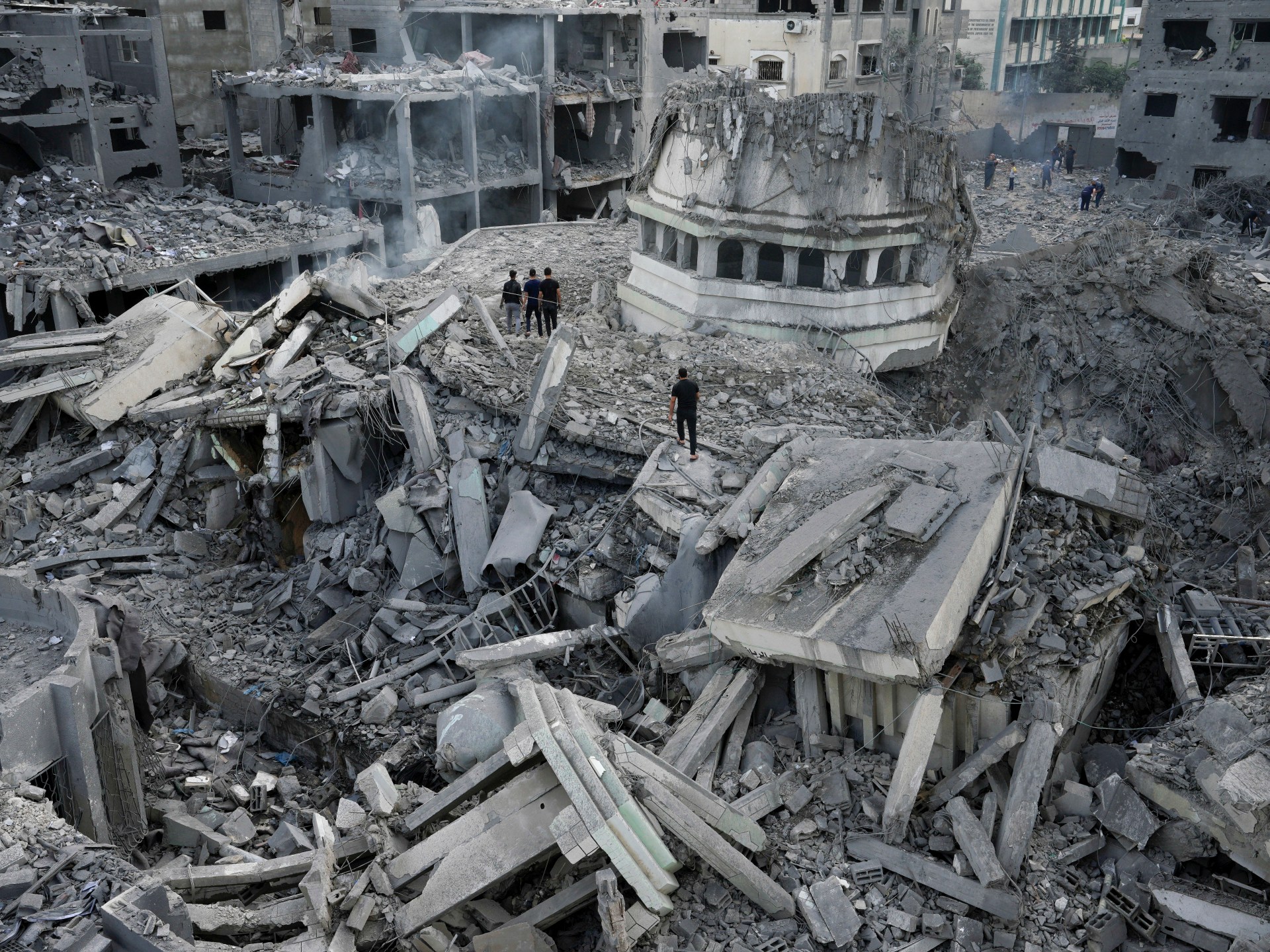
| Destruction of Infrastructure | Widespread destruction of homes, hospitals, and essential services, exacerbating humanitarian crises. |
| Statements by Officials | Public statements perceived as dehumanizing towards Palestinians, contributing to claims of intent. |
| Policy and Military Actions | Policies that systematically target Palestinian populations and military operations resulting in extensive civilian harm. |
International Legal Proceedings
South Africa has initiated a case against Israel at the International Court of Justice, alleging genocidal actions. As of the latest updates, this legal process is ongoing, with the court yet to deliver a final verdict. The plausibility of the claims has been acknowledged, but conclusive legal determination remains pending.
Counterarguments and Rejections
Israel’s Position
The State of Israel vehemently rejects accusations of genocide. Official statements characterize these allegations as unfounded and antisemitic, labeling them as attempts to delegitimize the country. Israel asserts that its military operations are directed against Hamas, a group it identifies as a terrorist organization, rather than targeting Palestinian civilians as a collective group.
Support from Allies
Organizations such as the American Jewish Committee (AJC) have strongly opposed reports labeling Israel’s actions as genocidal. They argue that Israel takes significant measures to minimize civilian casualties and that the intent to destroy the Palestinian population is absent. Additionally, several countries and international bodies support Israel’s right to self-defense, further challenging the genocide characterization.
Legal and Political Critiques
Critics of the genocide allegations argue that the term oversimplifies the complex realities of the Israeli–Palestinian conflict. They emphasize that the specific intent required for genocide under international law is not evident in Israel’s actions, which are framed as necessary responses to security threats posed by groups like Hamas. This perspective advocates for evaluations based on legal frameworks rather than emotive labels.
International Perspectives and Debates
Divided Global Opinion
The international community remains deeply divided on this issue. While some nations and organizations support the allegations of genocide, others defend Israel’s actions as legitimate self-defense. This polarization is reflected in the varying statements and reports from governmental bodies, non-governmental organizations, and international leaders.
Calls for Investigations
Figures such as Pope Francis have called for thorough investigations into the humanitarian situation in Gaza. These calls aim to ensure accountability and address potential violations of international law. However, many dismiss these calls as politically motivated attempts to undermine Israel.
Academic and Legal Analyses
Scholars and legal experts continue to debate the application of genocide definitions to the Israeli-Palestinian conflict. These discussions stress the importance of adhering to legal standards and the necessity of comprehensive evidence before making definitive conclusions.
Current Situation and Humanitarian Impact
Humanitarian Crisis in Gaza
As of February 08, 2025, the humanitarian situation in Gaza is dire, with death tolls nearing 50,000 according to figures reported by Hamas. The destruction of infrastructure, including homes, hospitals, and utilities, has exacerbated the suffering of the Palestinian population. Efforts to negotiate ceasefires continue, with international actors mediating discussions in Doha, Qatar.
Suffering of Civilians
The impact on civilians includes not only the loss of life but also long-term trauma and displacement. The destruction of essential services has hindered access to healthcare, clean water, and shelter, contributing to the overall humanitarian crisis in the region.
International Humanitarian Responses
Various international organizations are actively involved in providing humanitarian aid to Gaza. These efforts aim to alleviate suffering and address the immediate needs of the population amidst ongoing conflicts and instability.
Conclusion
The question of whether the State of Israel is committing genocide against Palestinians in Gaza is a highly contentious and complex issue. While several international human rights organizations and legal experts have raised serious allegations based on extensive evidence, including high civilian casualties and destruction of infrastructure, the legal determination of genocide requires clear intent to destroy a specific group. Israel and its allies maintain that their actions are acts of self-defense against terrorist threats, not genocidal campaigns. The international community remains divided, with ongoing legal proceedings and debates that continue to shape the discourse around this critical issue. Ultimately, a comprehensive and impartial legal investigation is essential to arrive at a definitive conclusion.
References
Last updated February 8, 2025