
Forging a Secure Future: Pathways to Resolving the Israeli-Hamas Conflict and Ensuring Israel's Enduring Safety
A comprehensive look at strategies for hostage recovery, immediate protection, and sustainable peace for Israel over the next century.
Key Insights for a Path Forward
- A multifaceted strategy is essential: Successfully navigating this entrenched conflict requires a combination of robust diplomatic negotiations, precise and ethical security measures, and a visionary long-term plan for regional stability and coexistence.
- Hostage recovery demands a dual approach: The safe return of all hostages hinges on a sophisticated blend of persistent international diplomacy, which may include negotiated exchanges, coupled with meticulously planned, intelligence-driven operations that prioritize human life.
- Enduring security is tied to political resolution: Ensuring Israel's safety and the well-being of its citizens for the next 100 years is fundamentally linked to resolving the core political dimensions of the conflict, with the two-state solution continuing to be a widely, though not universally, endorsed framework despite its inherent complexities.
The Immediate Crisis: Hostage Recovery and National Security
The current landscape of the Israeli-Hamas conflict is dominated by two urgent imperatives: securing the safe return of hostages taken by Hamas and reinforcing Israel's security infrastructure to protect its citizens from ongoing and future threats. These immediate concerns require a delicate balance of decisive action and strategic foresight.
Securing the Release of Hostages: A Multi-Pronged Imperative
The plight of hostages held by Hamas remains a central and deeply emotive aspect of the conflict. Efforts to secure their release are multifaceted, involving complex negotiations and high-stakes military undertakings.
Diplomatic Avenues: Negotiation and International Mediation
International consensus points towards negotiation and mediation as primary channels for hostage release. Key international actors, including the United States, Qatar, and Egypt, have been actively involved in facilitating talks. These negotiations often explore comprehensive deals that could involve phased releases of hostages in exchange for Palestinian prisoners and significant increases in humanitarian aid to Gaza. Ceasefire agreements have historically been linked to such exchanges, as seen in late November 2023. The families of hostages and some rescued individuals have also strongly advocated for negotiated settlements to bring remaining captives home. International legal and diplomatic pressure on Hamas, emphasizing the violation of the law of armed conflict (LOAC) in holding hostages, is another critical component of this strategy.
The Role of Military Operations and Their Implications
Alongside diplomatic efforts, Israel has conducted military operations aimed at rescuing hostages. Operations, such as the one in Nuseirat in June 2024 which led to the rescue of four hostages, and another successful rescue from Hamas's tunnel network in August 2024, demonstrate the potential for such actions. These missions depend heavily on precise intelligence and the capabilities of elite special operations units. However, they are inherently high-risk and can carry a significant human cost, often resulting in substantial casualties on the Palestinian side, raising ethical considerations and questions of proportionality. While sometimes successful, these operations underscore the dangerous environment in which hostages are held and the complexities involved in their extraction. Military pressure is also seen by some as a means to incentivize Hamas to engage in negotiations.
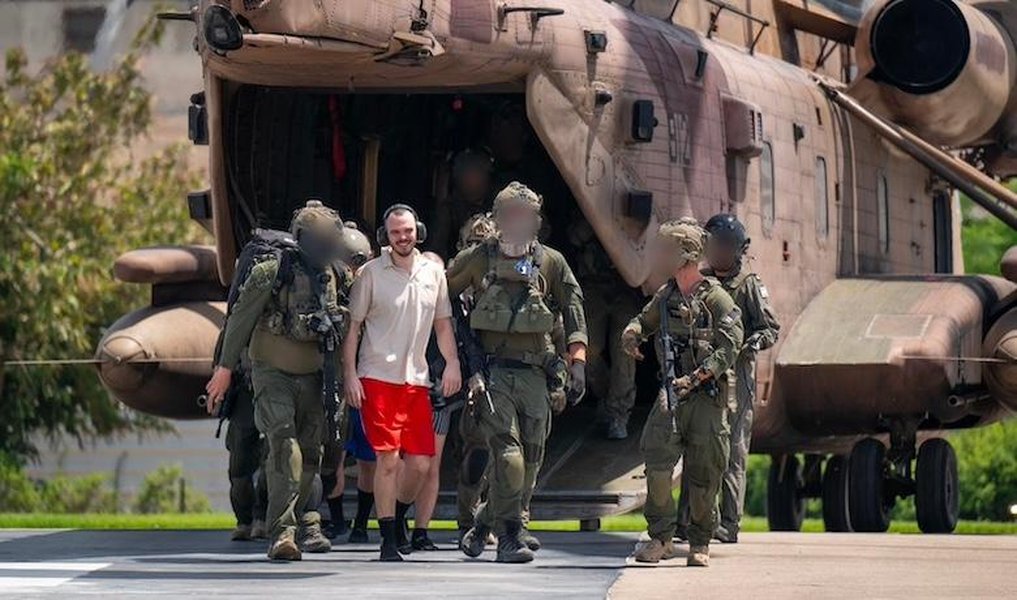
Conceptual illustration of a special forces hostage rescue operation.
Bolstering Israel's Immediate Defenses
In the face of persistent threats, Israel has focused on significantly upgrading its defensive posture and military readiness to protect its citizens and territory.
Enhancing Border Security and Community Resilience
A primary focus has been the enhancement of border security, involving investments in high-tech surveillance systems, advanced missile defense capabilities like the Iron Dome, and the fortification of communities near volatile borders. Following the attacks of October 7, 2023, there has been a concerted effort to transform local community security teams into agile rapid-response units. For example, the IDF has collaborated with NGOs to train these teams, ensuring border areas have well-equipped first responders. This strategy aims to prevent future infiltrations and provide an immediate line of defense.
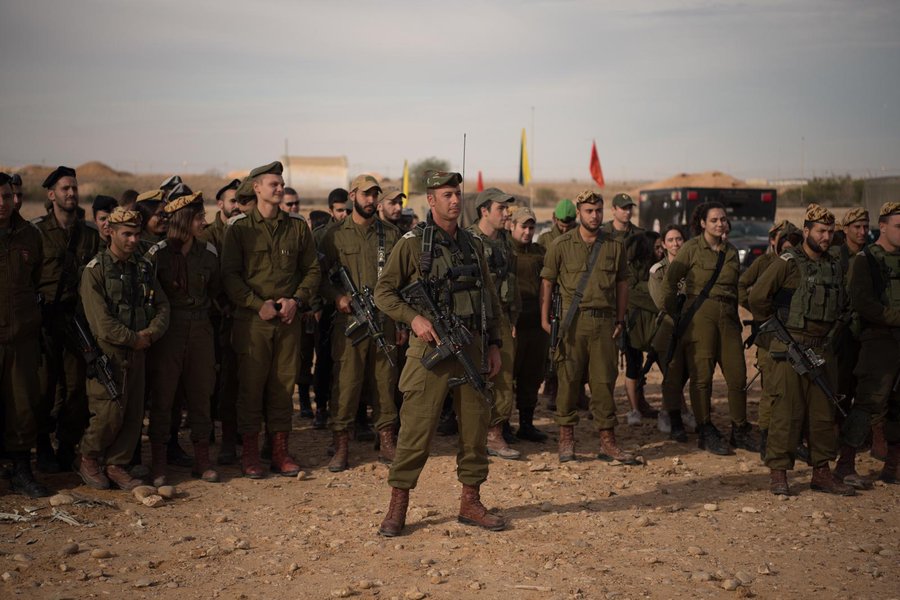
Israeli soldiers, part of the Faran Brigade, tasked with defending a border region.
Adapting Military Doctrine for Evolving Threats
The security challenges, particularly highlighted by the October 7th attacks, have necessitated an evolution in Israeli military doctrine. This includes a greater emphasis on countering asymmetric warfare tactics, addressing the threat posed by underground tunnel networks, and bolstering cyber security defenses. The military aims to maintain strategic preemption capabilities and effective deterrence against Hamas, Hezbollah, and other regional actors, while adapting to the changing nature of conflict in the region.
Charting a Course for Century-Long Security and Peace
Ensuring Israel's security and the well-being of its citizens for the next 100 years requires a strategic vision that extends beyond immediate military and defensive measures. It involves addressing the foundational causes of the conflict and fostering a stable regional environment.
The Two-State Solution: A Contested Cornerstone for Coexistence
The concept of two states, Israel and an independent Palestine, existing side-by-side in peace and security, remains the most widely endorsed framework by the international community for a lasting resolution to the conflict.
Core Principles and International Endorsement
The two-state solution generally envisions an independent, sovereign, and viable Palestinian state in the West Bank and Gaza Strip, alongside the State of Israel. Key parameters typically include negotiated borders (often based on the 1967 lines with mutually agreed land swaps), security arrangements for both states, a resolution for Palestinian refugees, and agreements on the status of Jerusalem. Numerous countries, including New Zealand, and international bodies like the United Nations, consistently advocate for this outcome as the most realistic path to sustainable peace, allowing both Israelis and Palestinians to achieve self-determination, security, and dignity.
Overcoming Obstacles: Hamas's Position and Settlement Policies
Significant challenges hinder the realization of a two-state solution. Hamas has historically opposed a permanent two-state solution that involves recognizing Israel, although some reports indicate a potential willingness to accept an interim Palestinian state based on 1967 borders under certain conditions, such as the right of return for refugees, without formal recognition of Israel. Conversely, Israeli settlement expansion in the West Bank is viewed by much of the international community as an obstacle to a contiguous and viable Palestinian state. The hardline positions of various political factions on both sides further complicate progress. Overcoming these deep-seated issues requires immense political will, trust-building measures, and sustained international engagement.
This video explores the viability and complexities of the two-state solution as a path to resolving the Israeli-Palestinian conflict.
Addressing the Deep-Seated Roots of Conflict
A lasting peace necessitates tackling the underlying grievances and socio-economic factors that fuel instability and extremism.
Socio-Economic Empowerment and Humanitarian Support for Palestinians
Improving living standards, ensuring access to essential resources like water and healthcare, expanding educational opportunities, and fostering economic development in Palestinian territories are crucial. Such measures can help reduce poverty, diminish the appeal of extremist ideologies, and weaken militant recruitment by offering hope and tangible improvements in daily life. A comprehensive plan for Gaza's reconstruction, focusing on sustainable economic development and robust humanitarian aid, is considered essential for long-term stability.
Countering Extremism and Building Bridges of Coexistence
Both Israeli and Palestinian societies require leadership committed to opposing hate speech, incitement to violence, and extremist narratives. Educational reforms promoting mutual understanding, tolerance, and coexistence are vital for breaking intergenerational cycles of animosity. Peace education programs and cultural exchanges can play a role in fostering empathy and building trust between communities over time.
The following table outlines various strategic approaches, their goals, and associated considerations in the context of resolving the conflict and ensuring long-term security:
| Approach | Primary Goal(s) | Key Actions | Potential Benefits | Inherent Challenges/Risks |
|---|---|---|---|---|
| Negotiated Hostage Release | Safe return of all hostages, de-escalation | International mediation, prisoner exchanges, ceasefire agreements | Saves lives, reduces immediate tensions, creates space for broader talks | Protracted negotiations, concessions, potential for deals to collapse |
| Targeted Military Operations | Hostage rescue, degrading militant capabilities | Intelligence gathering, special forces raids, precise strikes | Successful rescues, disruption of militant groups | High risk to hostages and forces, civilian casualties, potential for escalation |
| Two-State Solution Implementation | Lasting peace, two sovereign states, mutual security | Negotiations on borders/security/refugees/Jerusalem, international guarantees | Addresses core political issues, potential for long-term stability and recognition | Deep mistrust, opposition from hardliners, complex final status issues (settlements, borders) |
| Enhanced Security & Deterrence | Prevent attacks, protect citizens | Border fortification, advanced technology, strong military posture, intelligence | Improved immediate safety, deterrence of aggression | Does not solve underlying conflict, risk of "security dilemma" and arms races, potential for cycles of violence |
| Palestinian Economic Development & Governance Reform | Improve Palestinian livelihoods, strengthen moderate institutions, reduce extremism | Humanitarian aid, infrastructure investment, support for accountable governance | Reduces grievances, offers alternatives to militancy, fosters stability | Dependent on political stability, risk of funds mismanagement, may not address all political aspirations |
The Indispensable Role of the International Community
The international community has a critical role to play in guiding the conflict towards a peaceful resolution and ensuring the long-term stability of the region.
Facilitating Negotiations, Guaranteeing Agreements, and Peacekeeping
Neutral international actors are vital for mediating negotiations, helping to bridge divides, and building confidence between the parties. Once agreements are reached, international guarantees can help ensure their implementation and durability. In some scenarios, the deployment of international peacekeeping forces or monitors could be considered to oversee ceasefire compliance, protect civilians, and stabilize fragile areas, particularly in post-conflict Gaza.
Upholding International Law and Ensuring Accountability
Consistent application and adherence to international law, including international humanitarian law and human rights standards, by all parties is fundamental. The international community can support this by promoting accountability for violations, which may involve supporting international investigations or legal proceedings where appropriate. This helps to reinforce norms of conduct and can deter future abuses, contributing to a more just and stable environment. Broader regional diplomacy, including normalization efforts between Israel and Arab states, can also create a network of alliances that stabilize the region and counterbalance extremist influences.
Visualizing the Complexities: Frameworks for Resolution
Understanding the multifaceted nature of the Israeli-Hamas conflict and the proposed pathways to its resolution can be aided by visualizing the interplay of various strategic elements.
A Multi-Dimensional View: Comparative Analysis of Resolution Strategies
The radar chart below offers a comparative, qualitative assessment of different strategic approaches to resolving the conflict. Each axis represents a key outcome or factor, with a higher value generally indicating a more positive contribution towards that factor. This visualization helps to illustrate the trade-offs and strengths of various strategies, highlighting that an integrated approach often yields the most balanced and sustainable outcomes.
Mapping the Interconnected Pathways to Resolution
The mindmap below illustrates the interconnected components critical to resolving the Israeli-Hamas conflict and establishing long-term security for Israel. It visualizes how immediate actions like hostage recovery and enhanced security measures are linked to broader strategies such as the pursuit of a two-state solution, addressing socio-economic root causes, and the vital role of international engagement. This holistic view emphasizes that progress in one area can positively influence others, contributing to a comprehensive and sustainable peace.
(Int'l Actors, Prisoner Exchanges)"] id1a2["Targeted Military Operations
(Intelligence-led, High Risk)"] id1a3["International Pressure on Hamas"] id1b["Israel's Short-Term Security"] id1b1["Enhanced Border Defenses
(Technology, Fortifications)"] id1b2["Adaptive Military Doctrine
(Asymmetric Threats, Tunnels)"] id1b3["Community Resilience Programs"] id1b4["Maintaining Deterrence"] id2["Long-Term Strategic Pillars (100 Years)"] id2a["Political Resolution: Two-State Solution"] id2a1["Negotiated Borders & Security Guarantees"] id2a2["Status of Jerusalem & Refugees"] id2a3["Mutual Recognition & Coexistence"] id2a4["Overcoming Opposition (Hamas, Settlements)"] id2b["Addressing Root Causes"] id2b1["Palestinian Socio-Economic Development
(Aid, Reconstruction, Opportunity)"] id2b2["Countering Extremism & Incitement"] id2b3["Promoting Education for Peace"] id2b4["Strengthening Palestinian Governance"] id2c["Regional & International Engagement"] id2c1["Mediation & Peace Process Facilitation"] id2c2["International Guarantees & Monitoring"] id2c3["Upholding International Law & Human Rights"] id2c4["Regional Diplomacy & Normalization"] id2c5["Consideration of Peacekeeping Forces"]
Frequently Asked Questions (FAQ)
What are the main challenges in achieving a two-state solution?
Key challenges include: Distrust between Israelis and Palestinians, built over decades of conflict. Disputed Borders: Agreeing on borders based on 1967 lines with mutually acceptable land swaps. Israeli Settlements: The status and extent of Israeli settlements in the West Bank. Security Arrangements: Ensuring robust security for both Israel and a future Palestinian state, including concerns about demilitarization. Status of Jerusalem: Both sides claim Jerusalem as their capital. Palestinian Refugees: Finding a just and agreed solution for Palestinian refugees. Internal Palestinian Divisions: The political split between the Palestinian Authority in the West Bank and Hamas in Gaza. Opposition from Hardliners: Extremist elements on both sides who oppose compromise or a two-state framework.
How can military operations for hostage rescue be balanced with humanitarian concerns?
Balancing these requires: Precise Intelligence: Basing operations on highly accurate and actionable intelligence to minimize risks to hostages and non-combatants. Proportionality: Ensuring that the anticipated military advantage outweighs the potential harm to civilians, in accordance with international humanitarian law. Minimizing Civilian Harm: Employing tactics and munitions that reduce the risk to civilian populations, and providing warnings if feasible. Transparency and Investigation: Being transparent about operations and conducting thorough investigations into incidents involving civilian casualties. Prioritizing Negotiation: Viewing military options as a last resort when credible diplomatic channels are exhausted or deemed ineffective for specific urgent situations. The high civilian toll often associated with such operations in dense urban areas like Gaza underscores the extreme difficulty of this balance.
What role can regional Arab states play in a long-term peace agreement?
Regional Arab states can play a significant role by: Political Support and Normalization: Offering political backing for a two-state solution and potentially normalizing relations with Israel as part of a comprehensive peace deal. This can provide incentives for both sides. Economic Investment: Investing in the reconstruction and economic development of a future Palestinian state, fostering stability and prosperity. Security Cooperation: Participating in regional security arrangements that can help guarantee the terms of a peace agreement and counter extremist threats. Mediation and Diplomacy: Leveraging their influence to encourage both Israelis and Palestinians towards compromise and to mediate disputes. Countering Extremism: Working collectively to combat radical ideologies that undermine peace efforts. The Abraham Accords have shown a precedent for such regional shifts.
Why is addressing economic conditions in Palestinian territories important for Israel's long-term security?
Addressing Palestinian economic conditions is vital because: Reduces Desperation and Grievances: Poverty, unemployment, and lack of opportunity can fuel resentment and create fertile ground for recruitment by extremist groups. Economic improvement can offer hope and a stake in peace. Strengthens Moderate Voices: Economic stability can bolster moderate Palestinian institutions and leaders who advocate for peaceful solutions, weakening the appeal of militant factions. Fosters Interdependence: Economic cooperation and development can create shared interests between Israelis and Palestinians, potentially leading to greater understanding and reduced hostility. Enhances Regional Stability: A more prosperous and stable Palestinian society contributes to overall regional stability, which directly benefits Israel's long-term security by reducing sources of conflict at its borders. Conflict resolution experts emphasize that addressing underlying issues like economic hardship is crucial for sustainable peace, as militarization alone rarely solves conflicts rooted in requests for dignity and security.
Recommended Further Exploration
- Explore historical precedents for successful two-state solutions in other ethno-religious conflicts.
- Investigate how international law can be more effectively enforced to ensure accountability in the Israeli-Palestinian conflict.
- Learn about specific economic development projects that could foster stability and cooperation between Israelis and Palestinians.
- Understand the psychological impacts of long-term conflict on Israeli and Palestinian societies and potential ways to address them.
References
Last updated May 11, 2025