
The Role of IT in Addressing the Philippines' Traffic and Transportation Challenges
Innovative IT Solutions for a Sustainable Future in Philippine Transport
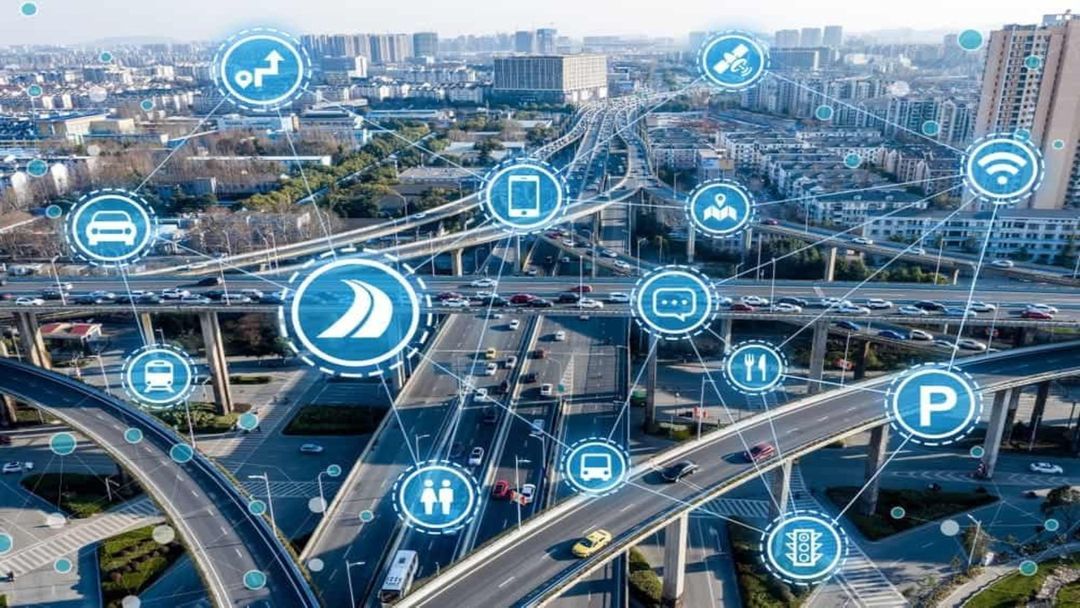
Highlights
- Integration of Intelligent Transportation Systems (ITS)
- Adoption of AI-powered Traffic Management
- Real-time data analytics and mobile applications
Introduction
The Philippines continues to grapple with severe traffic congestion and transportation inefficiencies, especially in its urban centers such as Metro Manila and Metro Cebu. As the country experiences rapid urbanization and economic growth, the need for efficient transportation systems becomes increasingly urgent. Information Technology (IT) provides a promising avenue to address these challenges by introducing innovative, scalable solutions. These solutions not only optimize traffic management but also enhance public transportation services, digital payment integration, and urban infrastructure planning.
Intelligent Transportation Systems (ITS)
Overview of ITS
Intelligent Transportation Systems (ITS) serve as the backbone of modern traffic management. By employing interconnected sensors, cameras, and networked databases, ITS can significantly improve the monitoring and control of traffic flow. This system includes dynamic traffic signals, real-time traffic surveillance, and automated incident detection, all of which contribute to a smoother flow of vehicles.
Real-Time Traffic Monitoring
Sensors and cameras installed along key roads can continuously monitor traffic density, vehicle speeds, and accident hotspots. This real-time data is transmitted to centralized control centers where it is analyzed, allowing for prompt adjustments to traffic signals and road usage recommendations. Advanced machine learning algorithms help police forces and traffic control teams quickly respond to congestion incidents, thereby reducing overall delay times.
Dynamic Traffic Signal Control
Dynamic Traffic Signal Control systems adjust the timing of traffic lights based on current traffic conditions. For example, during peak hours, signals can be optimized to allow longer durations for busier lanes. Such interventions not only reduce traffic congestion but also decrease vehicle emissions by minimizing idle times. The integration of ITS with AI further improves the responsiveness of these systems.
AI-Powered Traffic Management
Harnessing the Power of AI
The introduction of Artificial Intelligence (AI) into traffic management offers transformative benefits. AI-powered systems can process vast amounts of data from various sources—such as CCTV cameras, sensors, and GPS trackers—to predict traffic conditions, optimize signal timings, and suggest alternative routes to drivers in real time. Advanced algorithms can dynamically prioritize public transportation systems and emergency response routes, ensuring that services run efficiently even during peak hours.
Predictive Traffic Analytics
AI systems use historical and real-time data to predict traffic patterns. By anticipating where congestion is likely to occur, transportation authorities can proactively adjust traffic management strategies. Predictive models help in planning emergency responses and in designing contingency plans for major road events or natural disasters. This data-driven approach reduces traffic gridlock and leads to a more reliable transportation network.
Public Transportation Optimization
AI can optimize bus and jeepney routes by analyzing commuter data to identify the most efficient paths. Additionally, AI-driven scheduling can match supply with real-time demand, ensuring that vehicles are allocated effectively during rush hours. This not only enhances commuting reliability but also encourages more citizens to opt for public transportation, reducing the number of private vehicles on the road.
Mobile Applications and Digital Integration
Enhancing Commuter Experience
Mobile applications have revolutionized how commuters interact with transportation systems. Applications integrating real-time tracking, digital payment platforms, and comprehensive journey planners can significantly improve the user experience. Such solutions offer real-time updates on vehicle locations, traffic conditions, and estimated arrival times.
Real-Time Navigation Apps
Navigation apps like Waze and Google Maps already provide essential traffic updates and reroute suggestions. However, tailor-made apps for the Philippines could integrate additional features such as local public transport schedules, digital fare payments, and even carpooling options. These apps use real-time data to guide drivers on less congested routes, helping to distribute traffic flow more evenly across the network.
Digital Payment Solutions
The use of digital payment platforms in public transportation can reduce delays at ticketing counters and toll booths. Implementing unified digital fare systems enables smoother and faster transactions, which is crucial during peak travel times. Furthermore, digital payment solutions can incorporate loyalty rewards, encouraging more commuters to adopt these systems, thus ensuring a consistent flow of passengers in public transit.
Integration of IoT and Smart Infrastructure
Connecting the Urban Landscape
The Internet of Things (IoT) plays a pivotal role in enhancing urban transportation infrastructure. By installing smart sensors on roads, bridges, and public transport systems, cities can achieve a real-time overview of transport conditions. IoT devices contribute to maintaining safety, reducing energy consumption, and improving maintenance schedules for infrastructure.
Smart Streetlights and Sensors
Smart streetlights equipped with sensors adapt their brightness based on traffic and environmental conditions. They not only reduce energy use but also provide valuable data on vehicle and pedestrian movements. This information can be integrated with traffic management systems to improve safety and efficiency.
Connected Public Services
Integrating IoT with public services results in a holistic approach to urban mobility. For instance, sensors around bus stops and train stations can monitor crowd density and suggest alternate routes or additional services when necessary. This integration ensures balanced usage of urban transit infrastructure and minimizes the pressure on overburdened routes.
Innovative IT Solutions at a Glance
Overview Table
The following table summarizes several innovative IT solutions that could be implemented in the Philippines to address traffic congestion and improve transportation systems:
| Solution Type | Description | Key Benefits |
|---|---|---|
| Intelligent Transportation Systems (ITS) | Real-time monitoring, adaptive signal control, and incident detection using a network of sensors and cameras. | Reduces congestion, improves road safety, minimizes emissions. |
| AI-powered Traffic Management | Utilizes predictive analytics and machine learning to optimize traffic flow and public transport scheduling. | Enhances responsiveness, reduces gridlock, optimizes route planning. |
| Mobile Applications | Integrates GPS-based navigation, digital payments, and real-time transit tracking for commuters. | Improves user experience, reduces waiting times, facilitates informed travel choices. |
| IoT and Smart Infrastructure | Deploys smart sensors and connected devices to monitor urban mobility and adjust public services dynamically. | Enhances safety, streamlines maintenance, fosters integrated urban management. |
| Digital Fare Collection | Implements unified digital payment systems within public transportation and toll systems. | Speeds up transactions, reduces bottlenecks, encourages adoption of public transit. |
Advanced Data Analytics and Urban Mobility Planning
Harnessing Big Data
Effective traffic management goes beyond immediate responses to dynamic challenges. The use of advanced data analytics plays a crucial role in long-term urban mobility planning. By collecting, processing, and analyzing data from various sources, policymakers can gain insights into travel patterns, peak congestion times, and infrastructure bottlenecks.
Traffic Simulation Models
Simulation software is invaluable for modeling potential traffic scenarios. These models take into account various factors—from vehicle density to weather conditions—to predict traffic patterns under different conditions. Such simulations assist in designing effective traffic interventions and urban planning strategies that are resilient over time.
Economic Impact Analysis
Traffic congestion has significant economic ramifications, including lost productivity and increased fuel consumption. IT-driven analytics help quantify these impacts, providing policymakers with data to justify investments in smart infrastructure and transportation systems. By continuously monitoring economic losses and gains, cities can refine their traffic management approaches for optimal performance.
Innovative Digital Public Transportation Solutions
Streamlining Public Transit
Enhancing public transportation systems through IT is essential for reducing the reliance on private vehicles. Innovative digital solutions facilitate the integration of various transit modes, ensuring a seamless travel experience for commuters. From real-time bus tracking to digital fare collections, modern technologies contribute to an effective transportation network.
Unified Digital Platforms
Developing comprehensive digital platforms allows commuters to access information on all public transport options in a single interface. These platforms integrate route planning, fare payments, and real-time updates, providing a holistic view of the transportation ecosystem. Such integration empowers citizens to make well-informed decisions, encouraging the use of public transit over private vehicles.
Remote Work and Reduced Commuting
In addition to direct transportation solutions, IT can influence traffic through remote work policies. Enhancing digital connectivity and promoting telecommuting opportunities reduce the volume of daily commuters. This strategy not only alleviates congestion on busy routes but also contributes to overall economic productivity by diverting resources to more strategic initiatives.
Implementation Strategies and Roadmap
Building a Sustainable IT-Driven Transport Ecosystem
The successful implementation of IT solutions requires a structured strategy involving multiple stakeholders. Government agencies, private sector innovators, and local communities must collaborate to ensure effective deployment and ongoing maintenance of systems.
Initial Assessments and Pilot Projects
The first step involves assessing the current state of transportation infrastructure and identifying key pain points. Pilot projects should be implemented in high-congestion areas to test various IT solutions. These projects serve as a prototype for larger-scale deployment, providing insights into technical challenges and opportunities for optimization.
Scalability and Stakeholder Collaboration
Post-pilot evaluation, successful solutions need to be scaled across the country using a phased integration plan. Collaborative strategies that involve public and private partnerships are essential. Engagement with local communities fosters trust and ensures that the implemented solutions cater to the actual needs of commuters.
Continuous Monitoring and Adaptation
Once deployed, continuous monitoring is vital to gauge the performance of IT systems in real time. Advanced analytics facilitate ongoing adaptations—ensuring that the systems evolve with changing traffic patterns and urban development demands. Feedback loops with end-users further refine these technologies, leading to incremental improvements over time.
Final Thoughts on IT Innovations
Innovative IT solutions can fundamentally transform the transportation landscape in the Philippines. By integrating Intelligent Transportation Systems, AI-powered management, mobile applications, and IoT-based smart infrastructure, cities can mitigate prolonged traffic congestion and improve overall mobility. The combined efforts of data-driven policy making and stakeholder collaboration create an environment where urban transport is not just efficient but also adaptable, sustainable, and responsive. Enhanced public transportation systems, dynamic digital platforms, and seamless connectivity among all transit services are pivotal in alleviating the economic and environmental burdens caused by daily traffic congestion.
Every technological advancement, when aligned with effective policy implementation and public collaboration, paves the way for a smarter, more sustainable transportation system. The Philippines stands at the cusp of a digital revolution in mobility, one that promises not merely to solve traffic problems but also to redefine urban landscapes through the innovative application of IT. As pilot projects demonstrate promising results and continuous monitoring tweaks systems for maximum efficiency, the roadmap to a completely integrated smart transportation ecosystem becomes clearer, promising significant improvements in commuting efficiency, reduced emissions, and enhanced overall quality of life for citizens.
References
-
AI-powered innovations seen to improve PH's traffic management - Daily Guardian
- Philippine Smart Traffic Recognition and Enforcement Solution - Vaxtor
- The Philippines: AI-Powered Urban Transport in Baguio - OpenGov Asia
- Improving Traffic Management via Technology - Richest Philippines
- JICA and MMDA Commence a Project on Intelligent Transportation System - PRStation
Recommended Related Queries
Last updated March 8, 2025