
Unlock the Secrets: Importing Italian Leather Handbags to the US
Navigating customs duties and classifications for your coveted Italian leather goods.
Bringing a beautiful leather handbag from Italy into the United States involves understanding specific customs regulations. The duty classification and the associated costs depend on several factors, primarily the handbag's value, material, and whether it's intended for personal use or resale.
Highlights: Key Import Insights
- Primary Classification: Most leather handbags from Italy fall under the Harmonized Tariff Schedule of the United States (HTSUS) code 4202.21.9000.
- Standard Duty Rate: For handbags valued over $20 under this classification, the general U.S. customs duty rate is 9% of the handbag's value (ad valorem).
- Personal Exemptions Apply: If importing for personal use, handbags valued under $800 are typically duty-free, while specific rates apply for values between $800 and $1800.
Decoding the Duty Classification: HTSUS Code
Understanding the Harmonized Tariff Schedule
The United States uses the Harmonized Tariff Schedule (HTSUS) to classify all goods imported into the country. This system determines the applicable duty rates and collects trade statistics. For leather handbags arriving from Italy, the key classification is:
HTSUS Subheading 4202.21.9000
This specific code covers: "Handbags, whether or not with shoulder strap, including those without handle, with outer surface of leather, of composition leather or of patent leather: Other: Valued over $20 each."
Multiple U.S. Customs and Border Protection (CBP) rulings confirm this classification for typical leather handbags originating from Italy. It's the standard category used unless specific characteristics trigger a different classification.
The Standard Duty Rate: 9% Ad Valorem
For handbags classified under HTSUS 4202.21.9000 and valued over $20, the standard duty rate is 9% ad valorem. "Ad valorem" simply means the duty is calculated as a percentage of the item's declared value.
Example: If an imported Italian leather handbag is declared with a value of $1,000, the standard duty would be 9% of $1,000, which equals $90.
Factors Influencing Your Import Duty
While 9% is the standard rate for most commercial or higher-value personal imports, several factors can change the amount of duty owed, or even exempt the item entirely.
Personal Use vs. Commercial Importation
The purpose of your import significantly impacts the duty calculation, especially for travelers returning to the U.S.
Personal Exemption Rules
- Under $800: Articles brought back for personal use with a total value under $800 per person are generally allowed duty-free entry. This is often referred to as the personal exemption or de minimis value.
- $800 to $1,800: If the total value of goods exceeds $800 but is not more than $1,800, a flat duty rate of 4% applies to the amount over the $800 exemption.
- Over $1,800: For goods valued over $1,800, the items are subject to duty rates based on their HTSUS classification. For a leather handbag in this scenario, the 9% rate would likely apply to its value (or the portion exceeding applicable exemptions).
Important Note: U.S. Customs and Border Protection (CBP) officers have discretion in determining what qualifies as "personal use." Importing multiple identical or very similar handbags might raise questions and could be treated as a commercial importation, subject to standard duty rates and potentially other requirements.
Specific Material Considerations
Exotic Leathers
Handbags made from certain exotic leathers, particularly those derived from protected or endangered wildlife (e.g., certain reptile skins), may face additional scrutiny. Importation might require permits or licenses from agencies like the U.S. Fish and Wildlife Service (USFWS) under regulations such as CITES (Convention on International Trade in Endangered Species of Wild Fauna and Flora). While the base duty rate might still align with the HTSUS code, failure to meet these additional requirements can lead to seizure or penalties.
Composition and Adornments
While the primary classification focuses on the outer surface being leather, handbags adorned significantly with precious metals, gemstones, or other distinct materials could potentially be classified differently, though this is less common for typical leather handbags.
Value Thresholds
As mentioned, the value is critical:
- Over $20: Triggers the standard 9% duty rate under HTSUS 4202.21.9000 for non-personal exemption imports.
- $800 / $1800: Key thresholds for personal use exemptions and flat rates.
Trade Agreements and Potential Tariffs
While the 9% rate is the current standard under the HTSUS, broader trade relations between the U.S. and the European Union (including Italy) can sometimes lead to additional tariffs or temporary changes related to specific trade disputes. It's always wise to check for any current trade actions that might affect goods from Italy, although the 9% rate for this HTSUS code is well-established.
Visualizing Import Cost Factors
Complexity Radar: Italian Handbag Imports
Importing goods involves navigating various factors that influence the final cost and complexity. This chart provides a conceptual overview of how different elements might impact the process of importing an Italian leather handbag. Higher scores suggest greater potential complexity or cost impact.
Interpretation: As shown, factors like the purpose of importation (personal low value vs. commercial high value) and ensuring accurate customs declarations have a significant impact. While standard leather types and common shipping methods have less impact, importing high-value items, exotic leathers, or large quantities increases complexity.
The Import Process: Declarations and Fees
Making an Accurate Customs Declaration
Whether arriving at a U.S. port of entry or receiving an online purchase from Italy, accurate declaration is crucial. You must declare all items acquired abroad.
Required Information:
- Detailed Description: Clearly describe the item in English (e.g., "Leather handbag," not just "bag").
- Quantity: Specify the number of items.
- Value: State the purchase price in U.S. dollars. Keep receipts as proof of value.
- Origin: Indicate the country of origin (Italy).
- Seller Information: For online purchases or commercial imports, details like the seller's name and address are needed.
This information allows CBP to determine the correct HTSUS classification and calculate any applicable duties and taxes.
Beyond Duty: Other Potential Costs
Merchandise Processing Fee (MPF)
In addition to customs duty, imported goods may be subject to the Merchandise Processing Fee (MPF). The MPF is charged by CBP for processing imports. For formal entries (typically higher value commercial shipments), it's an ad valorem fee based on the shipment value, with minimum and maximum amounts. For informal entries (often lower value or personal shipments), a smaller, fixed fee might apply. Personal exemption entries are usually exempt from MPF.
Sales Tax
Depending on the state where the import is received, state and local sales tax may also be applicable.
Mindmap: Importing Italian Leather Handbags
Key Considerations Overview
This mindmap provides a visual summary of the essential factors involved when importing leather handbags from Italy to the U.S.
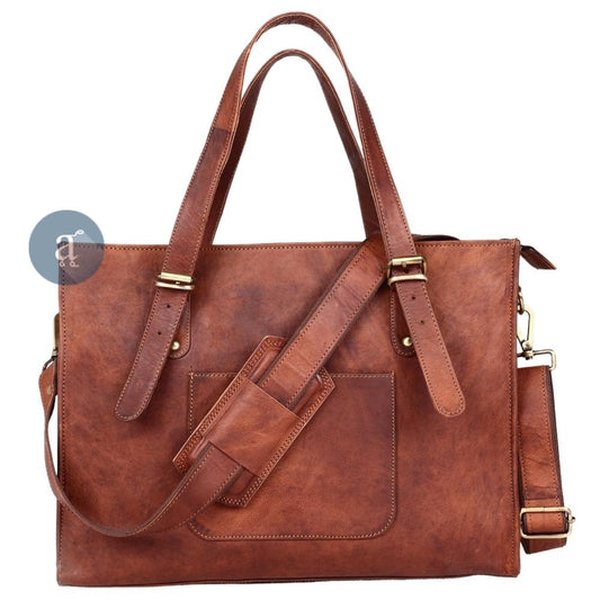
A Glimpse of Italian Craftsmanship
The Allure of Italian Leather Handbags
Italian leather goods, particularly handbags, are renowned worldwide for their quality, style, and craftsmanship. Often made using traditional techniques passed down through generations, these bags represent a blend of luxury, durability, and timeless design. Understanding the import process ensures these pieces can be enjoyed while respecting international trade regulations.

Video Insight: Importing Leather Goods
Expert Guidance on Leather Imports
For a broader perspective on importing leather products into the U.S., including aspects like customs clearance and regulatory compliance, the following video offers valuable insights from customs clearance experts. While not exclusively about handbags from Italy, it covers many relevant principles for importing leather goods.
Duty Scenarios Summarized
Quick Guide to Potential Duty Outcomes
This table summarizes the likely duty implications based on common import scenarios for Italian leather handbags:
| Import Scenario | Handbag Value | Likely U.S. Duty Outcome | Notes |
|---|---|---|---|
| Personal Use (Traveler Return) | Under $800 (Total goods value) | Duty-Free | Part of standard personal exemption. |
| Personal Use (Traveler Return) | $800 - $1800 (Total goods value) | Flat 4% on value over $800 | Applies to the first $1000 over the exemption. |
| Personal Use (Traveler Return) | Over $1800 (Total goods value) | 9% Ad Valorem (on handbag value portion) | Standard HTSUS rate applies to items exceeding flat rate allowance. |
| Personal Use (Online Purchase/Mail) | Under $800 | Generally Duty-Free | Subject to de minimis value rules for shipments. |
| Commercial Importation / Resale | Over $20 | 9% Ad Valorem | Standard HTSUS rate 4202.21.9000. MPF likely applies. |
| Any Import (Regardless of Value) | Made of CITES-listed Exotic Leather | Standard duty rate (e.g., 9%) PLUS requires USFWS permits | Compliance with wildlife regulations is mandatory. |
Additional Considerations
Intellectual Property Rights (IPR) and Counterfeits
CBP actively enforces Intellectual Property Rights and works to prevent the importation of counterfeit goods. Be aware that purchasing luxury handbags from unauthorized sources carries the risk of acquiring counterfeits, which can be seized by customs. CBP has conducted joint operations with Italian authorities specifically targeting counterfeit luxury items.
Seeking Definitive Guidance
For complex situations, high-value shipments, or commercial imports, consider these options:
- Binding Ruling: You can request a formal, legally binding ruling from CBP on the classification and duty rate for your specific item before importing.
- Import Specialist: Contact an Import Specialist at the intended U.S. port of entry for guidance.
- Customs Broker: Engage a licensed customs broker to handle the import process, ensure compliance, and navigate complexities, especially for commercial shipments.
Frequently Asked Questions (FAQ)
What is the primary HTSUS code for Italian leather handbags?
The most common Harmonized Tariff Schedule of the United States (HTSUS) code for leather handbags imported from Italy, valued over $20 each, is 4202.21.9000. This covers handbags with an outer surface primarily of leather, composition leather, or patent leather.
What is the standard import duty rate?
For leather handbags classified under HTSUS 4202.21.9000 (valued over $20), the general U.S. duty rate is 9% ad valorem (9% of the declared value).
Are there duty exemptions for personal use?
Yes. For travelers returning to the U.S., goods intended for personal use are typically duty-free if the total value is under $800 per person. If the value is between $800 and $1,800, a flat 4% duty applies to the amount exceeding the $800 exemption. Shipments mailed for personal use may also qualify for duty-free entry under the $800 de minimis threshold.
What happens if I bring back multiple Italian handbags?
While personal exemptions exist, importing multiple identical or very similar handbags might lead CBP officers to question whether they are truly for personal use. If deemed commercial, standard duty rates (9% for items over $20) would apply, regardless of the personal exemption thresholds, and other commercial import requirements might arise.
Are there other fees besides customs duty?
Yes, imports may also be subject to the Merchandise Processing Fee (MPF), which varies based on the value and type of entry (formal vs. informal). State and local sales tax might also apply depending on the destination state within the U.S.
What about handbags made from exotic leather?
Handbags made from certain exotic leathers (e.g., crocodile, python) may require special permits from the U.S. Fish and Wildlife Service (USFWS) and compliance with CITES regulations, in addition to standard customs duties. Failure to obtain necessary permits can result in seizure.
References
- Customs Duty Information - U.S. Customs and Border Protection
- L89406: The tariff classification of handbags, wallets, tote bags - U.S. Customs and Border Protection Rulings
- NY F83687 - Tariff Classification of Handbags from Italy - FAQS.org Rulings Archive
-
Customs Ruling NY N052286 - Tariff Classification of a Handbag - CustomsMobile
- Duties And Taxes On Luxury Handbag Imports In The United States - USA Import Bond
- Importing Leather Goods to USA: Hides and Finished Products - USA Customs Clearance
- Internet Purchases - U.S. Customs and Border Protection
Recommended
Last updated April 5, 2025