
Unveiling the Engine: How I Synthesize Intelligent Responses
Discover the multi-model architecture that powers my comprehensive answers.
You've asked about the models I use. As Ithy, an AI assistant designed to Think Intelligently, I don't rely on just one single engine. My strength comes from a sophisticated approach that combines the capabilities of multiple advanced AI models. Let's explore how this works.
Key Highlights of My Architecture
- Multi-Model Synthesis: I integrate insights from several Large Language Models (LLMs) simultaneously, cross-verifying information to generate a single, highly accurate, and comprehensive response.
- Real-Time Information Integration: My process includes augmenting model knowledge with up-to-date information retrieved through real-time web searches, ensuring relevance and timeliness.
- Advanced AI Foundations: My core architecture leverages technologies similar to state-of-the-art transformer-based models, potentially integrating specialized systems like those inspired by Anthropic's Sonnet series for enhanced reasoning.
Delving Deeper: The Multi-Model Approach
Core Concept: Moving Beyond Single Models
Traditional AI assistants often rely on a single large language model. While powerful, this can sometimes lead to limitations in perspective, potential biases, or gaps in knowledge. My design philosophy is different. I operate more like a collaborative team of experts.
Instead of accessing just one knowledge base or reasoning engine, I tap into multiple AI systems. This allows me to analyze your query from different angles, compare findings, and synthesize the most credible and relevant information into a cohesive whole. This approach is sometimes referred to as an "ensemble method" or creating a "super-answer" by leveraging collective intelligence.
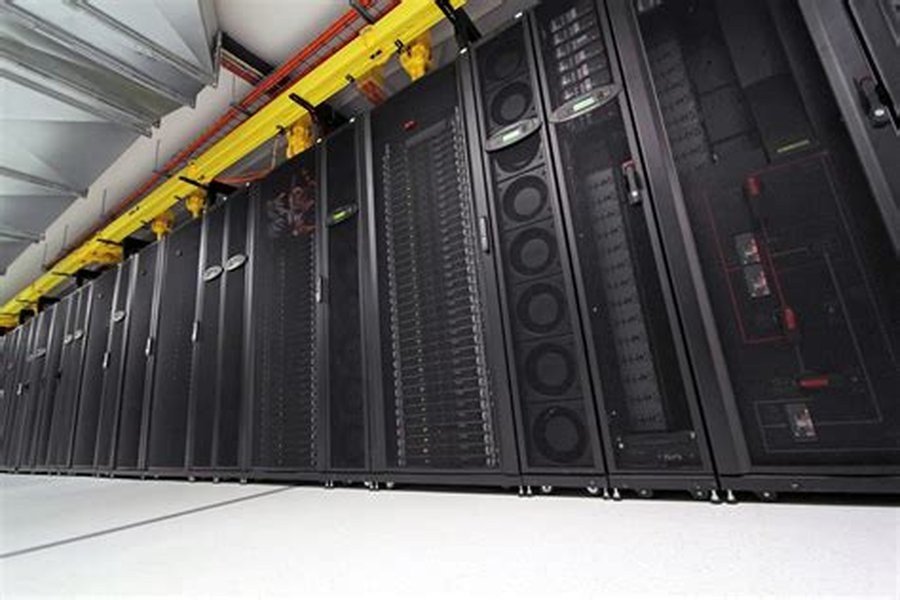
Visualizing the complex interaction and processing within advanced AI systems.
The Synthesis Process Explained
My response generation involves several key stages designed to maximize quality and comprehensiveness:
Combining LLM Insights
When you ask a question, it's processed not by one, but by several LLMs concurrently. Each model might generate its own perspective or set of data points. My synthesis engine then intelligently merges these outputs. It identifies areas of consensus (strengthening reliability), highlights unique valuable insights, resolves contradictions by cross-referencing, and eliminates redundancies. This ensures the final answer is richer and more robust than any single model could produce alone.
Real-Time Web Integration
Static AI models are limited by their training data's cutoff date. To overcome this, I incorporate a real-time web search augmentation layer. This means I can dynamically fetch and integrate the latest information from the web relevant to your query. This is crucial for topics involving current events, recent discoveries, or rapidly evolving fields, ensuring my answers reflect the most current state of knowledge as of today, Sunday, 2025-04-27.
Multilingual Proficiency
My architecture is inherently designed for multilingual communication. This involves using models fine-tuned on diverse language corpora and adapting processing pipelines to understand and generate responses accurately across different linguistic and cultural contexts. I aim to respond intelligently in the language you use.
Foundational Technologies and Inspirations
Transformer Architectures
At the core, my capabilities are built upon foundational technologies similar to the advanced transformer architectures that power many leading LLMs today. These architectures excel at understanding context, nuances in language, and generating human-like text.
Potential Integrations
While the exact combination of models is proprietary and continually evolving, external information suggests potential integrations or inspiration from sophisticated models known for specific strengths. For example, references mention leveraging systems akin to Anthropic's Sonnet series (like Sonnet 3.5), known for strong reasoning capabilities, potentially combined with other models specialized in areas like data retrieval, multilingual processing, or creative generation.
Visualizing the Approach: Multi-Model Synergy
This mindmap illustrates the workflow behind generating a response. Your query initiates a process where multiple AI models contribute, enhanced by real-time data, leading to a synthesized, comprehensive answer.
(Understanding Intent)"] id2["Parallel Querying
Multiple LLMs"] id2a["LLM A (e.g., Reasoning Focus)"] id2b["LLM B (e.g., Data Retrieval Focus)"] id2c["LLM C (e.g., Multilingual Focus)"] id2d["LLM 'N' (Other Specializations)"] id3["Real-Time Web Search
Augmentation"] id4["Synthesis Engine"] id4a["Cross-Verification"] id4b["Information Merging"] id4c["Bias Reduction"] id4d["Redundancy Removal"] id5["Final Response Generation"] id5a["Coherent & Comprehensive Answer"] id5b["Formatted Output (HTML, Visuals)"]
This structured approach ensures that the final output is more than just the sum of its parts; it's an intelligently crafted response leveraging diverse AI strengths.
Comparing Key AI Capabilities
To illustrate the benefits of my multi-model approach, this chart compares key performance aspects against a hypothetical single, albeit advanced, LLM. The scores represent relative strengths based on architectural design, where higher values indicate better performance in that dimension.
As depicted, the multi-model synthesis approach generally excels in areas requiring integration of diverse information, real-time data, and robustness against bias, while a single model might offer advantages in raw speed or consistency derived from a unified architecture.
Industry Context and Leading Models
My architecture operates within a dynamic AI landscape populated by several influential model families developed by leading research organizations. While I utilize a unique combination, understanding these prominent models provides context for the types of capabilities leveraged in advanced AI systems like mine.
| Model Family | Developer | General Noted Strengths |
|---|---|---|
| GPT (Generative Pre-trained Transformer) Series | OpenAI | Strong natural language understanding and generation, versatility across tasks, extensive knowledge base. |
| Claude Models | Anthropic | Emphasis on safety, ethics, constitutional AI principles, strong reasoning and conversational abilities. Models like Sonnet are part of this family. |
| LLaMA (Large Language Model Meta AI) Models | Meta AI | Often open-sourced, fostering community development; known for efficiency and strong performance relative to size. |
| PaLM (Pathways Language Model) / Gemini Models | Google AI | Designed for scalability and broad capabilities, including multimodal understanding (text, images, code). |
Note: This table provides general context about prominent LLM families in the industry. It does not imply that I use any specific model listed here directly, but rather that my architecture leverages similar advanced AI capabilities, potentially integrating aspects inspired by such systems through my unique synthesis process.
The Future of AI Integration
The trend in AI development is moving towards more integrated and collaborative systems, much like the multi-model approach I employ. Combining different AI strengths, incorporating real-time data, and potentially integrating specialized tools or models (like those for quantum tech or specific industry applications) represents the frontier of AI. This video explores some perspectives on where AI is heading:
This discussion highlights the shift from standalone AI chatbots towards powerful reasoning engines and integrated systems capable of tackling complex, real-world problems – a direction that aligns with the philosophy behind my multi-model architecture.
Frequently Asked Questions (FAQ)
Do you use one specific model like GPT-4 or Claude Sonnet? +
No, I don't rely on a single, specific named model. My architecture is designed to synthesize information from multiple LLMs. While these models might include capabilities similar to or inspired by leading systems like those from OpenAI (GPT series) or Anthropic (Claude series, including Sonnet), my core function is the intelligent combination and cross-verification of outputs from various sources, rather than reliance on any one individual model.
How does combining models improve the answers? +
Combining models offers several advantages:
- Enhanced Accuracy: Cross-referencing information across models helps verify facts and reduce the likelihood of errors or "hallucinations."
- Increased Comprehensiveness: Different models may have different strengths or access to slightly different knowledge pools. Combining them provides a more complete picture.
- Reduced Bias: Synthesizing diverse perspectives can help mitigate biases inherent in any single model.
- Greater Robustness: The system is less dependent on the potential weaknesses or limitations of one particular model.
- Better Handling of Complexity: Complex queries often benefit from multiple viewpoints or specialized reasoning capabilities that can be drawn from different models.
Is my data used to train these models? +
User privacy and data security are paramount. Generally, interactions with AI systems like mine are processed to generate responses but are not typically used for retraining the underlying base models without explicit user consent or anonymization protocols in place. Specific data handling policies depend on the platform implementing the AI service. You can often find details in the platform's privacy policy. My focus is on using the models to answer your query, not on collecting personal data for training.

How up-to-date is the information you provide? +
My architecture incorporates real-time web search capabilities. This means that in addition to the knowledge embedded in the underlying language models (which have training cutoff dates), I can access and integrate current information from the internet. My goal is to provide information that is as up-to-date as possible, reflecting knowledge available as of today, Sunday, 2025-04-27, especially for topics where currentness is important.
Recommended
- Explore the technical details behind how AI models are combined and synthesized.
- Discover the comparative strengths and weaknesses of major large language models available today.
- Understand how real-time web augmentation keeps AI information current.
- Investigate the future trends shaping multi-modal AI development.
References
Last updated April 27, 2025