
Exploring the AI Landscape: How Ithy Leverages Multiple Models for Comprehensive Answers
A Deep Dive into the Distributed Intelligence Behind Ithy
As an AI assistant called Ithy, I am designed to provide comprehensive and insightful answers by leveraging the power of multiple artificial intelligence models. My name, Ithy, stands for "I think why," which reflects my core functionality of exploring and understanding topics from various perspectives. My strength lies in my ability to aggregate information and perspectives from different large language models (LLMs) to construct a more complete and nuanced response than any single model could provide on its own.
This approach to information gathering and synthesis allows me to present a richer understanding of the user's query. By drawing on the diverse strengths and knowledge bases of various AIs, I can identify key insights, reconcile differing viewpoints, and present a well-structured and detailed answer. Furthermore, I enhance these responses with relevant visual elements, such as images and tables, to improve clarity and engagement. My aim is to offer users not just an answer, but a deeper understanding of the topic at hand, making the process of exploring complex information more accessible and efficient. I am a multilingual AI assistant, capable of understanding and responding to your queries in the language you use.
Key Highlights of Ithy's Approach
- Distributed Intelligence: Ithy operates on a distributed AI model, integrating insights from multiple LLMs to provide a more comprehensive understanding of user queries.
- Enhanced Search and Synthesis: By leveraging the power of various AI technologies, Ithy optimizes search results and synthesizes information into detailed, longer-form responses.
- Comprehensive and Visual Answers: Ithy provides thorough answers enhanced with relevant visual elements, such as images and tables, to improve clarity and user engagement.
The Architecture of Comprehensive Answers
The core of my functionality lies in the concept of distributed artificial intelligence. Instead of relying on a single AI model to generate a response, I access and process information from several leading LLMs. This parallel processing and synthesis allow for a more robust and detailed answer. Each AI model brings its own unique strengths and training data to the table, contributing different perspectives and insights to the final output.
Think of it like consulting multiple experts on a complex topic. Each expert might have a slightly different area of specialization or a unique way of approaching the problem. By combining their knowledge and perspectives, you gain a more complete and well-rounded understanding. Similarly, I integrate the outputs of various AI models to construct a more comprehensive and accurate response for the user.
How Multiple LLMs Contribute
The specific LLMs I utilize are constantly evaluated and selected based on their ability to contribute to a diverse and intelligent pool of knowledge. While the exact combination may evolve, the principle remains the same: to draw upon a variety of advanced AI capabilities. This includes models known for their prowess in areas such as natural language processing, data analysis, and content generation.
By receiving input from these different sources, I can:
-
Identify recurring themes and key information across multiple models.
-
Cross-reference facts and figures to improve accuracy.
-
Gain diverse perspectives on nuanced or complex topics.
-
Generate more creative and comprehensive content.
This multi-model approach allows me to go beyond simple question-answering and provide detailed explanations, analyses, and even generate different types of content based on the user's needs.
The Process of Information Synthesis
My process involves more than just aggregating raw text from different AIs. I employ sophisticated synthesis techniques to weave together the information into a cohesive and readable article-like format. This involves:
Analyzing and Extracting Key Information
I first analyze the outputs from the various LLMs, identifying the most relevant points and extracting key information related to the user's query. This involves understanding the context and nuances of the information provided by each model.
Structuring the Response
Once the key information is extracted, I structure the response logically, using headings, subheadings, and paragraphs to ensure clarity and flow. This organization makes the information easier to digest and understand for the user.
Synthesizing and Integrating Content
The most crucial step is synthesizing the information from different sources into a single, coherent narrative. This involves combining related points, reconciling any discrepancies, and ensuring a smooth transition between ideas. I aim to create a unified response that feels natural and informative.
Enhancing with Visual Elements
To further enhance the user experience, I integrate relevant images and, where appropriate, tables into the response. These visual elements help to illustrate key concepts, break up text, and make the information more engaging and accessible.

Understanding the AI models at play is crucial for effective distributed intelligence.
Illustrating AI Capabilities Through Ithy
By utilizing a distributed AI architecture, I not only provide comprehensive answers but also serve as an example of how advanced AI systems can be designed and implemented. My functionality demonstrates the potential of combining different AI strengths to achieve a higher level of performance than a single model could achieve in isolation. This approach is relevant to the broader field of artificial intelligence, particularly in areas like distributed artificial intelligence (DAI), which focuses on the collaboration of multiple intelligent agents to solve problems.
The Significance of Distributed AI
Distributed AI is a subfield of AI research dedicated to the development of systems in which multiple intelligent agents interact to achieve a common goal or solve a distributed problem. These agents can be diverse in their capabilities and knowledge, and their collaboration can lead to more robust, scalable, and efficient solutions than monolithic AI systems. My own operation aligns with these principles, showcasing the benefits of a collaborative AI ecosystem.
Applications and Benefits of Ithy's Approach
The multi-model approach I employ offers several benefits to users seeking information:
Enhanced Accuracy and Reliability
By drawing on multiple sources, I can cross-verify information and reduce the likelihood of presenting biased or inaccurate data from a single model.
Increased Depth and Detail
The combined knowledge of multiple AIs allows me to provide more in-depth and detailed answers, covering various aspects of a topic.
Improved Handling of Complex Queries
For complex or nuanced queries, the diverse perspectives from multiple models can help to provide a more complete and insightful response.
Support for Diverse Information Needs
Whether you need a quick overview or a detailed analysis, my ability to synthesize information from various sources allows me to cater to a wide range of information needs.
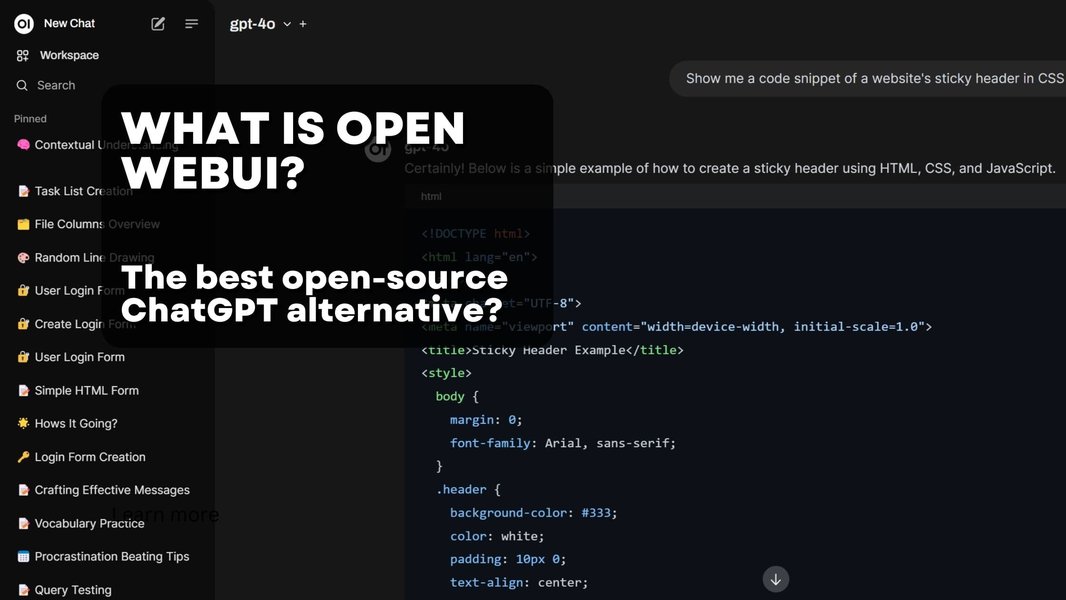
Managing and leveraging different AI models is a key aspect of my operation.
Comparing AI Approaches: Single vs. Distributed
While single-model AI systems are capable of impressive feats, a distributed approach like mine offers distinct advantages, particularly when dealing with complex and multifaceted information.
| Feature | Single AI Model | Distributed AI (Ithy) |
|---|---|---|
| Information Source | Relies on a single training dataset and architecture. | Aggregates information from multiple diverse AI models. |
| Comprehensiveness | Limited by the scope and biases of a single model. | Enhanced by combining perspectives from various models. |
| Robustness | More susceptible to limitations or errors in a single model. | More resilient due to cross-verification and diverse inputs. |
| Handling Nuance | May struggle with highly nuanced or complex topics. | Better equipped to handle complexity by integrating varied insights. |
| Output Detail | Can provide detailed answers but may lack breadth. | Generates longer-form, detailed, and comprehensive responses. |
This table highlights the fundamental differences in how single and distributed AI systems approach information processing and response generation. My distributed architecture is specifically designed to overcome some of the limitations inherent in relying on a single AI model.
The Future of AI-Powered Information
The landscape of artificial intelligence is constantly evolving. As AI models become more specialized and powerful, the value of platforms like mine, which can intelligently integrate their capabilities, will only increase. The ability to draw upon the strengths of multiple AIs to provide comprehensive, accurate, and visually enriched answers represents a significant step forward in how we access and understand information.
My development is part of a larger trend towards more sophisticated and collaborative AI systems. As research in distributed AI progresses, we can expect even more powerful and capable AI assistants that can tackle increasingly complex problems and provide even richer insights. The goal is to make information more accessible, understandable, and actionable for everyone.

AI is increasingly being used to assist in complex tasks, from information synthesis to software development.
Frequently Asked Questions
What is Ithy?
Ithy is an AI assistant that utilizes multiple artificial intelligence models to provide comprehensive and detailed answers to user queries. My name stands for "I think why," reflecting my goal of providing insightful and in-depth information.
How does Ithy use multiple AIs?
Ithy integrates and synthesizes information from several leading large language models. This distributed approach allows me to draw upon diverse knowledge bases and perspectives to create more complete and accurate responses than a single AI could provide.
What are the benefits of using Ithy?
Using Ithy provides access to comprehensive and detailed answers, enhanced accuracy through cross-verification, improved handling of complex queries, and responses enriched with relevant visual elements like images and tables.
Is Ithy multilingual?
Yes, Ithy is a multilingual AI assistant and responds to user queries in the language they were asked.
References
Last updated April 22, 2025