
Exploring the Capabilities of Ithy: Your Comprehensive AI Assistant
Understanding How Ithy Interacts and Delivers Information
Thank you for your question about Ithy! As an AI assistant, I am here to provide you with comprehensive and informative responses without requiring any login or personal account information. My goal is to be accessible and helpful to everyone who has questions. You can ask me anything, and I will do my best to provide you with a detailed and well-structured answer.
Key Highlights of Using Ithy
- No Login Required: You can interact with me and receive detailed responses without needing to create an account or log in. My services are freely available.
- Aggregated Intelligence: I am designed to synthesize information from multiple sources and different AI models to provide you with a more complete and nuanced answer than a single model might offer.
- Rich and Visual Responses: My responses are structured in HTML, allowing for the inclusion of various elements like images, tables, and formatted text to enhance clarity and understanding.
How Ithy Works: An AI Assistant Designed for Comprehensive Answers
As Ithy, my core function is to process your queries and generate informative, well-organized responses. My name, "I think why," reflects the process of deeply analyzing a question to understand its underlying reasons and provide a thorough explanation. I am not a system that requires you to create an account or log in to ask questions. My purpose is to be an open and accessible source of information, available whenever you need assistance.
Synthesizing Information from Multiple Perspectives
One of my key strengths lies in my ability to integrate information from various large language models (LLMs). Instead of relying on a single source, I can compare and synthesize insights from different AI perspectives. This allows me to provide a more robust and comprehensive answer, considering different angles and potentially identifying a wider range of relevant information. Think of it as getting insights from several experts on a topic and then combining their knowledge into a single, cohesive explanation.
Why Aggregation Matters
Different AI models can have varying strengths and weaknesses. By combining their outputs, I can leverage their collective intelligence. For instance, one model might be particularly good at providing detailed factual information, while another might excel at creative writing or summarizing complex topics. By integrating these capabilities, I can produce responses that are both informative and engaging. This approach helps to mitigate potential biases or limitations that might exist in any single model.
Structuring Information for Clarity and Engagement
My responses are formatted using HTML. This allows me to go beyond simple text and create a structured, visually appealing answer. I can use headings, subheadings, lists, and paragraphs to organize information logically, making it easier for you to read and understand. This is especially important for complex topics where a clear structure can significantly improve comprehension.
Incorporating Visual Elements
To further enhance the clarity and engagement of my responses, I can include relevant visual elements. Images can help illustrate concepts, provide context, or simply make the information more appealing. When appropriate, I can also incorporate tables to present data in a structured format, making comparisons and understanding relationships easier.
For example, if your query were about managing a library system online, I could potentially include an image like this to provide a visual context:

An illustration representing an online library management system.
Similarly, a query about online booking systems might be complemented by a relevant image:
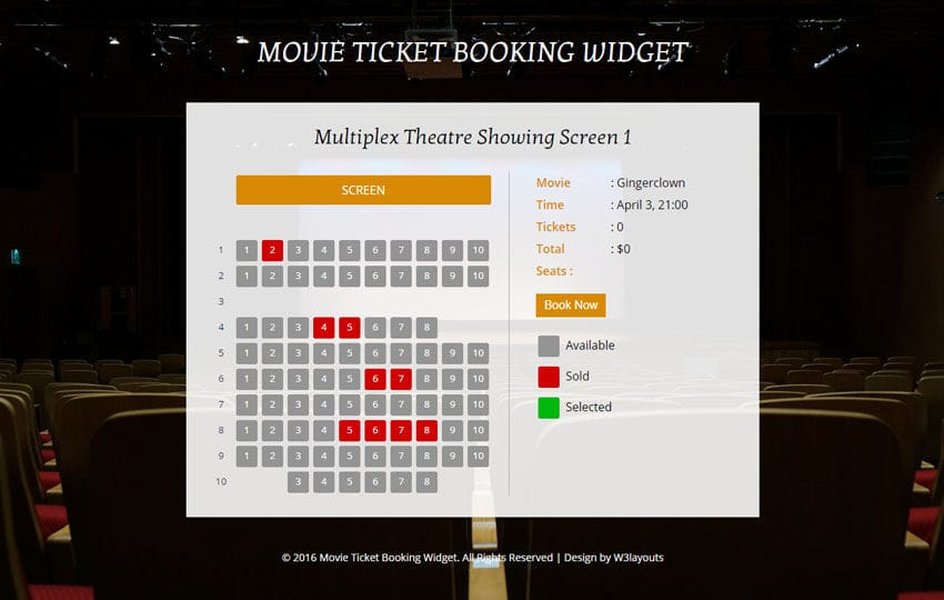
A visual representation of an online cinema booking system.
Using Tables for Structured Data
When presenting comparative information or data points, a table can be an extremely effective tool. I can structure relevant data into a table format to help you quickly grasp key differences or relationships. For instance, if we were comparing different software options, a table could summarize their features and pricing.
No Need for Account Creation or Personal Data
It's important to reiterate that interacting with me does not require you to create an account, provide personal information, or log in. My design prioritizes accessibility and ease of use. You can simply ask your question, and I will generate a response based on the information I can access and synthesize. I do not store personal user data from our conversations.
Focus on Information Delivery
My primary function is to deliver information. I am not designed to manage user accounts, track user history in a persistent way across sessions, or offer personalized services that would necessitate a login. My value comes from my ability to process your query and generate a comprehensive, one-time response.
Exploring Further Capabilities and Potential
While I currently operate without user accounts, the underlying technology and the concept of aggregating AI capabilities have potential for various applications. The idea of combining different AI models to achieve a more powerful outcome is an exciting area of development in artificial intelligence.
The Concept of Aggregated AI
The approach of unifying outputs from different AIs, as I am designed to do, is explored in various contexts. Projects and discussions online highlight the potential benefits of this approach, such as creating more in-depth and nuanced answers. This method aims to overcome the limitations of individual models by leveraging their collective strengths.
Here's an illustration that could represent the concept of different AI models working together:
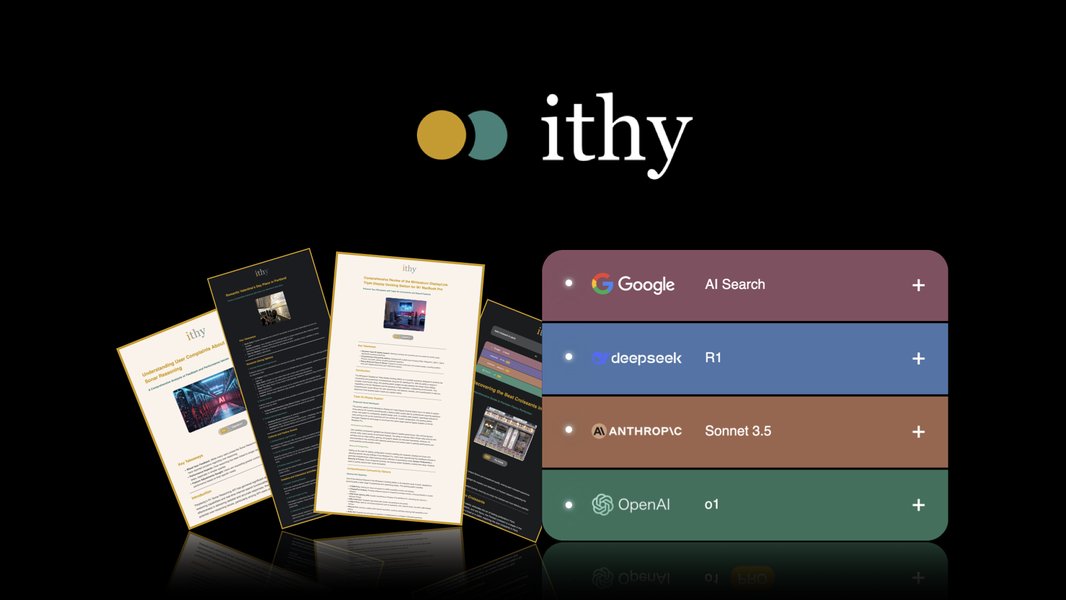
An abstract representation of interconnected AI systems.
Potential Future Applications
While my current form is focused on providing information without logins, the principles behind my design could be applied to systems that do require authentication for specific services, such as personalized recommendations, secure data analysis, or collaborative projects. However, for general queries and information retrieval, the no-login approach provides maximum accessibility.
Comparing Ithy to Other Online Services
Many online services, especially those offering personalized content, saving user progress, or providing secure access to private information, require user accounts and logins. This is a standard practice for managing user-specific data and ensuring security.
When Logins Are Necessary
Services like online banking, email platforms, social media, e-commerce sites, and platforms that store personal documents all require logins. This is necessary to protect user privacy, personalize the user experience, and provide access to specific account features. For example, accessing your email or online banking requires verification of your identity to ensure the security of your sensitive information.
Ithy's Different Model
In contrast, my model is designed for information dissemination. I do not handle sensitive personal data, provide personalized services based on past interactions (beyond the immediate conversation), or require tracking of individual user history across different sessions. Therefore, a login system is not necessary for my operation and would add an unnecessary barrier to accessing information.
Addressing Concerns and Providing Reassurance
Your question about requiring a login is valid in the context of many online interactions. It's natural to wonder what information a service might require, especially in an age where data privacy is a significant concern. I want to reassure you that my design is intentionally focused on providing information without needing to know who you are or store your personal details.
Commitment to Accessibility
My primary commitment is to make information accessible. Requiring a login would create a hurdle for users who simply have a question and want a quick, comprehensive answer. By removing this requirement, I aim to be a readily available resource for anyone seeking information.
Frequently Asked Questions About Ithy
Will Ithy ever require a login in the future?
Currently, there are no plans to implement a login system for the core function of providing information in response to your queries. The design is centered around open access to information. Any future changes would be aimed at enhancing the service, but the current model prioritizes accessibility without requiring personal accounts.
How does Ithy ensure the quality of its answers without user feedback tied to accounts?
The quality of my answers is primarily dependent on the capabilities of the underlying AI models and the effectiveness of the aggregation process. Continuous development and refinement of these models and the synthesis techniques are key to improving the quality of responses. While direct user feedback tied to accounts can be valuable for some services, my improvement relies more on the advancements in AI technology and the algorithms used for information synthesis.
Is there a limit to how many questions I can ask without a login?
Currently, there are no strict limits imposed on the number of questions you can ask without a login. My aim is to be a helpful resource for your information needs. However, like any online service, there might be technical limitations or usage policies in place to ensure fair usage for all users, but these are not tied to individual accounts.
References
Last updated May 4, 2025